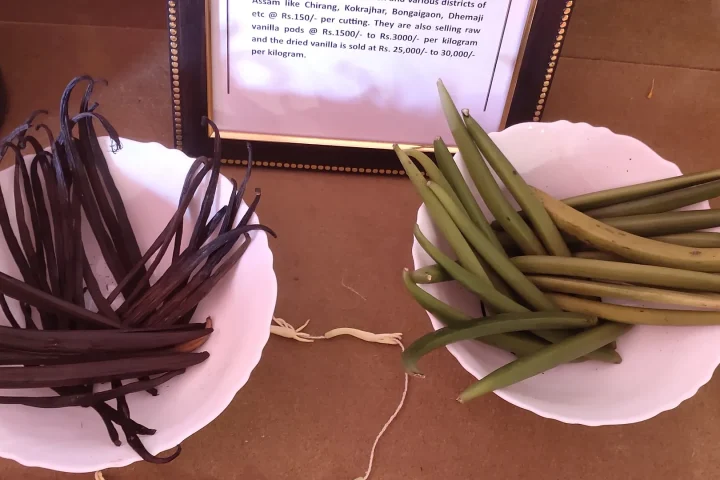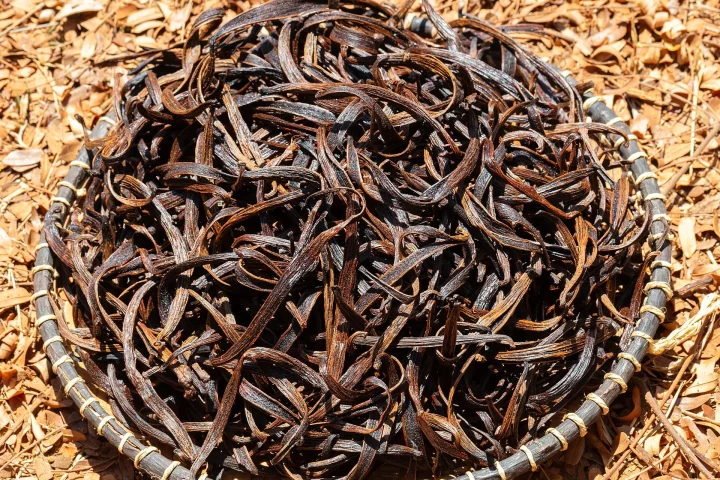
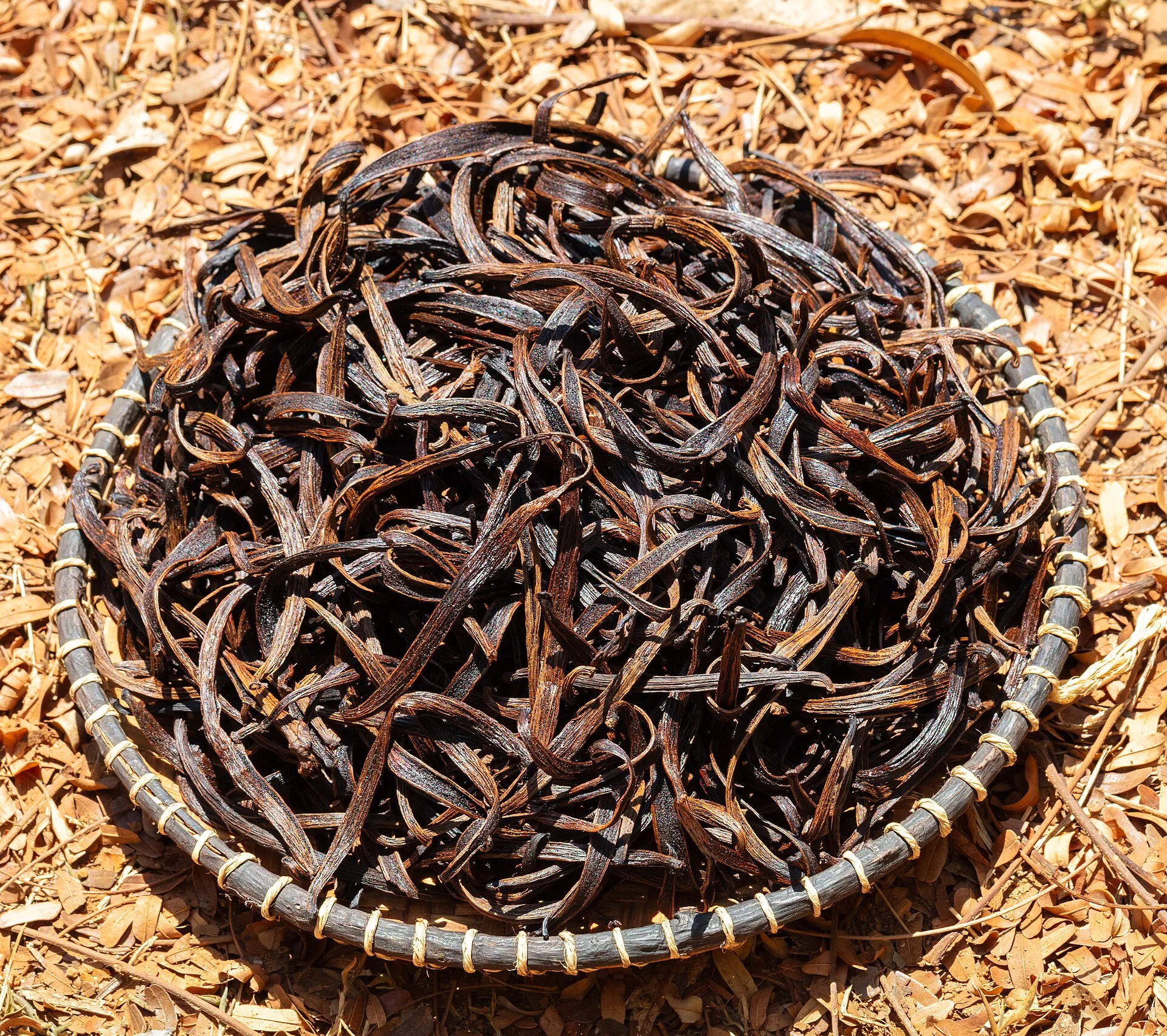
Indonesian vanilla price per kilogram for export in 2027 is not a single, publishable number — it moves with grade, origin, moisture content, order volume, and global market conditions, and any figure quoted without reference to a specific enquiry should be treated as indicative at best. This guide explains the factors that actually drive pricing so importers can evaluate quotes intelligently, without relying on a fixed price list that would go stale within weeks in a commodity as volatile as vanilla.
What Drives Indonesian Vanilla Pricing in 2027?
Several factors consistently shape where Indonesian vanilla pricing lands for a given order:
- Grade and appearance: gourmet-grade whole beans with premium length and appearance typically command higher pricing than beans destined for extraction, where physical appearance matters less than aromatic yield
- Moisture content: beans within a buyer’s target moisture range for long-term storage or immediate extraction can carry different pricing than beans requiring further conditioning
- Origin and traceability: beans with documented single-origin or traceable sourcing may carry a premium over aggregated, mixed-origin supply
- Global market conditions: pricing in other major vanilla origins, particularly Madagascar, influences overall global demand and pricing pressure on Indonesian supply as an alternative source
- Order volume and contract type: standing contracts and larger volumes are typically negotiated differently than one-off or sample-scale orders
Why Cheap and Premium Vanilla Are Not Directly Comparable
A lower headline price per kilogram does not automatically mean better value — it often reflects a different grade, higher moisture content, less rigorous QC, or aggregated sourcing with limited traceability. Buyers comparing quotes from different suppliers should confirm they are comparing like-for-like specification (grade, moisture range, and documentation level) before assuming one quote is simply “cheaper” for the same product.
How Should Importers Evaluate a Price Quote?
| Question to Ask | Why It Matters |
|---|---|
| What grade and moisture range does this price reflect? | Prevents comparing incompatible specifications |
| Is this price locked to current market conditions? | Vanilla pricing shifts with harvest and global demand |
| What documentation is included at this price point? | QC reports, COA, and phytosanitary certification may or may not be bundled |
| Does the price include freight, or is it ex-works/FOB? | Landed cost can differ significantly from the quoted unit price |
Why We Don’t Publish a Fixed Price List
Vanilla is among the more volatile agricultural commodities globally, with pricing that can shift meaningfully between harvest seasons and even within a single season depending on demand from major buying markets. Publishing a static per-kilo price would risk misrepresenting current market conditions to buyers relying on this page. Instead, our desk provides a written quote for each enquiry, based on your specific grade, volume, moisture requirement, and destination — reflecting the market at the time you actually intend to order.
What Information Speeds Up a Written Quote?
- Target grade (gourmet whole bean, extraction grade, or specific length/moisture range)
- Estimated volume per order and, if relevant, expected recurring order frequency
- Destination country and preferred freight mode (sea or air)
- Any certification requirements (organic, fair trade, or similar) relevant to your product line
For more context on how grade and origin affect our own pricing structure, see our page on vanilla bean price trends and market context, and our forward-looking overview of what Bali exporters can expect in 2027 pricing trends.
Getting an Accurate, Current Quote
The most reliable way to know current Indonesian vanilla pricing is to send us your specification directly. We respond with a written quote reflecting real market conditions at the time of your enquiry, rather than a number that may already be outdated by the time you read it on a webpage.
How Does Indonesian Pricing Typically Compare to Madagascar?
Indonesian vanilla has historically traded at different price points relative to Madagascar vanilla, reflecting differences in global market share, established buyer relationships, and perceived flavor profile differences between origins. Rather than stating a fixed comparative figure — which would be misleading given how quickly relative pricing can shift — we recommend buyers request current comparative quotes when evaluating origin diversification, since the gap (or lack of one) between origins changes with each market cycle.
What Role Does Currency Exchange Play in Export Pricing?
Since Indonesian vanilla exports are typically priced in a foreign currency (commonly USD) for international buyers, currency exchange rate movements between the Indonesian Rupiah and the buyer’s settlement currency can influence the effective cost on both sides of a transaction, independent of the underlying commodity price movement. Buyers negotiating longer-term contracts should clarify how currency fluctuation is handled in the agreement — whether pricing is fixed in the settlement currency for the contract period or subject to periodic review.
What Payment Terms Are Typical for Vanilla Export Orders?
- Sample orders are typically paid in full in advance, given the small transaction size
- First commercial orders often involve a deposit with balance due before or upon shipment, depending on the relationship and order size
- Established, repeat-order relationships may move toward more flexible terms over time as trust is built between both parties
We confirm payment terms in writing as part of every quote, and are happy to discuss what structure fits a first-time relationship versus an established one. For more on how we structure sample and first-order relationships, see our sample order program page and our page on secure payment options for Bali vanilla export orders.
How Do Contract Length and Volume Commitment Affect Pricing?
Buyers willing to commit to a longer contract period or a higher recurring volume commitment can sometimes negotiate more favorable pricing structures compared to one-off spot purchases, since predictable demand allows suppliers to plan curing and allocation more efficiently. This is not a guaranteed discount in every case — it depends on current market tightness and the supplier’s own capacity — but it is a reasonable point to raise in negotiation for buyers with consistent, ongoing volume needs.
What Role Does Grade Mix Play in a Buyer’s Overall Cost Structure?
Many industrial buyers do not purchase a single grade exclusively — they may blend gourmet-grade beans for whole-bean product lines with extraction-grade beans for their flavoring or extract production, optimizing overall cost across their full product portfolio. Understanding your own grade mix needs before requesting a quote helps our desk structure a proposal that reflects your actual usage pattern, rather than pricing each grade in isolation without context for your broader purchasing pattern.
Ready to Request a Written Quote?
Specifications, sampling terms, and pricing for your shipment are confirmed in writing by our desk once we understand your grade, volume, and destination port. Message our export desk on WhatsApp at +62 811-3941-4563 or email [email protected] to start a written enquiry.