Grade A vs Grade B Vanilla Beans Explained

Grade A vanilla beans are graded for length, moisture, pliability, and appearance suited to whole-pod and retail-adjacent use, while Grade B beans are typically drier, shorter, or more visually inconsistent — still aromatic and functional, but better suited to extraction and processing than to whole-pod display. Neither grade is inherently “better” in isolation; the right choice depends entirely on what the buyer’s production line actually does with the bean.

What Criteria Separate Grade A From Grade B Vanilla Beans?

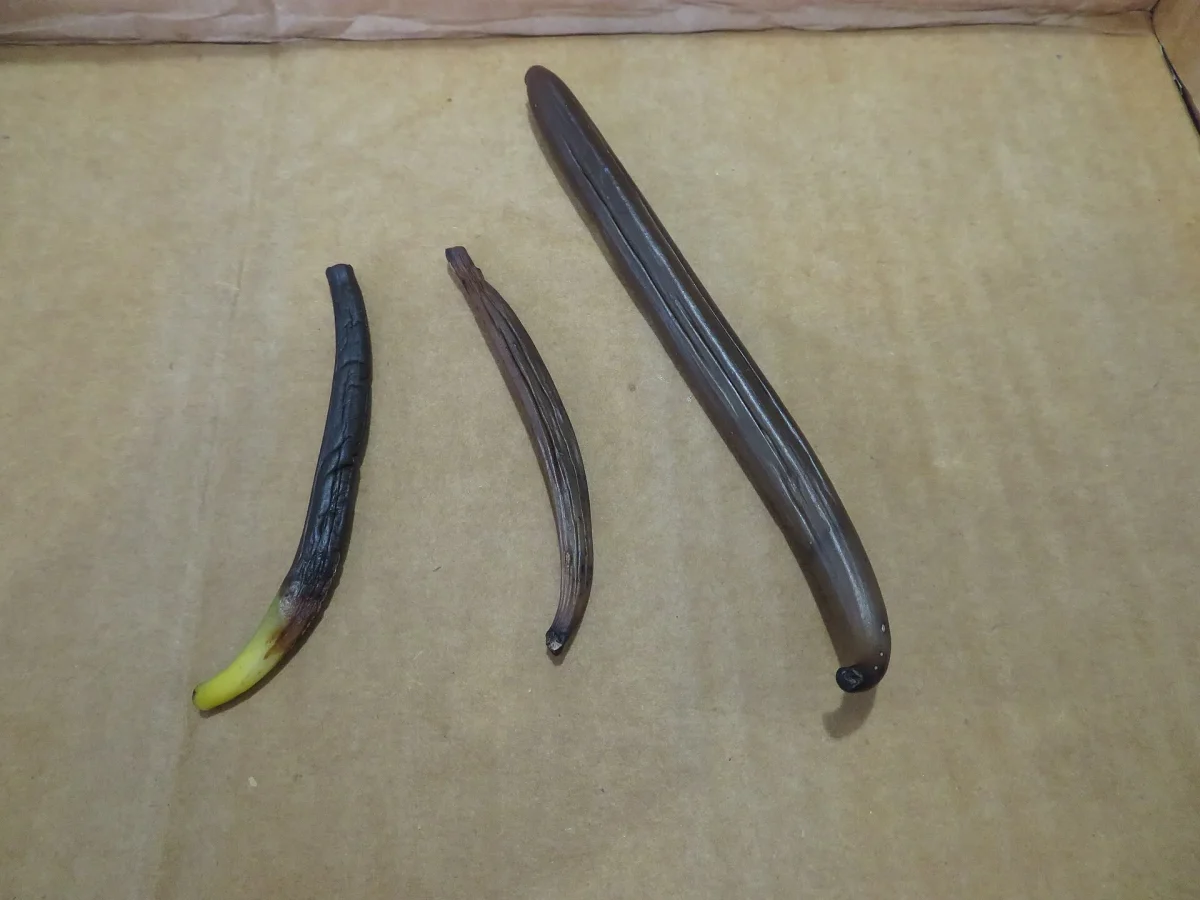
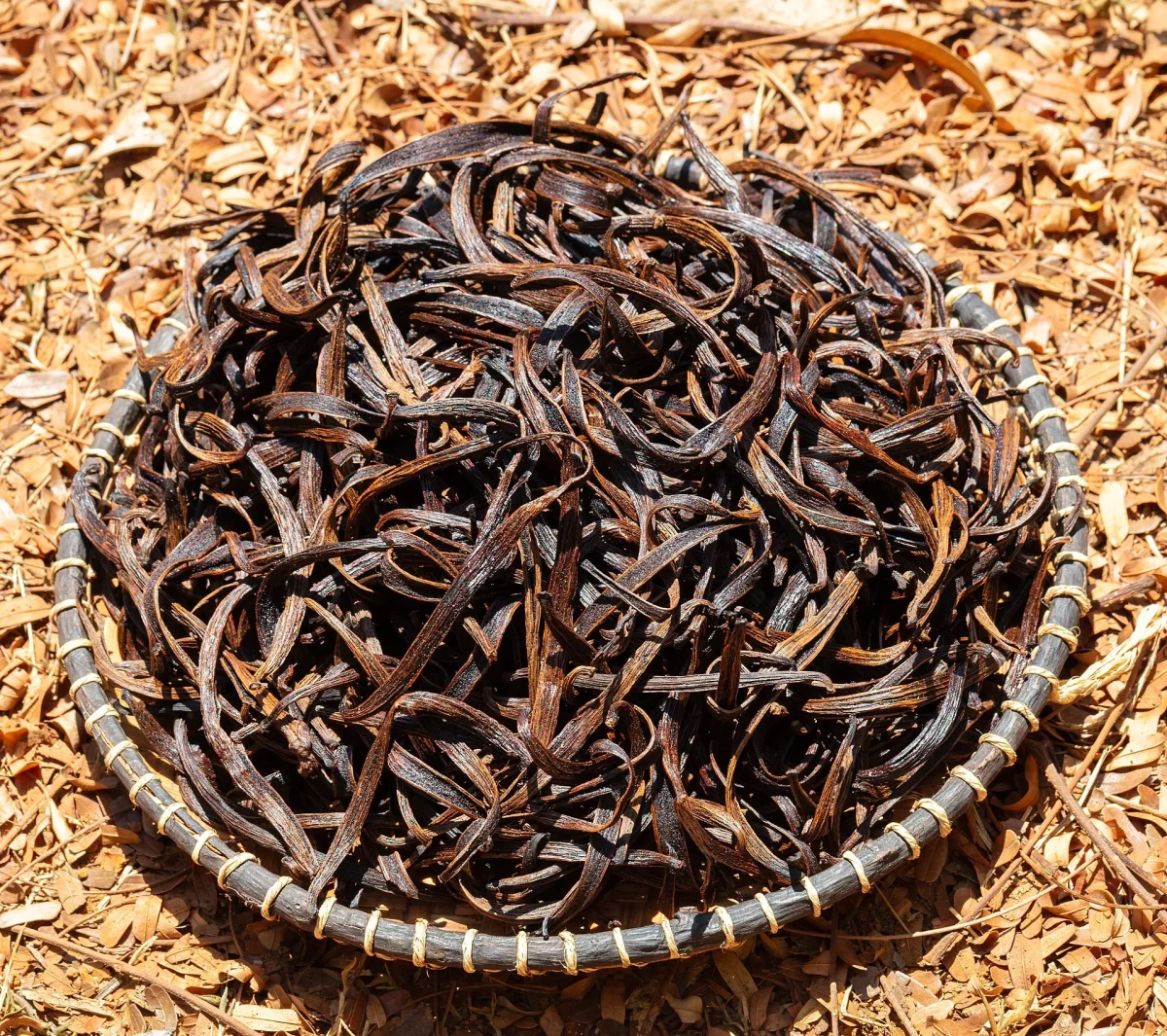
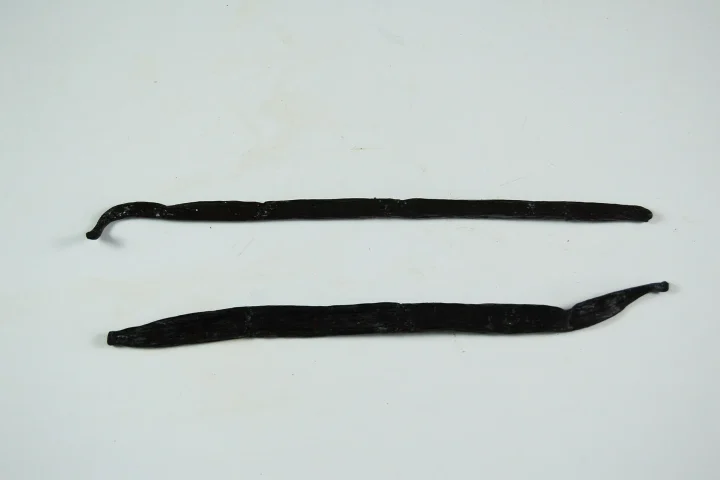
Grading for Indonesian vanilla generally considers pod length, moisture content, pliability, and surface appearance, though exact thresholds vary by buyer and by industry standard rather than following one universal chart. Grade A beans tend to be longer, more supple, with a moisture level suited to extended shelf life without losing aroma, and a surface appearance clean enough for repackaging or retail display. Grade B beans generally sit outside one or more of those thresholds — shorter length, higher or lower moisture, or surface marks — without necessarily being lower in aromatic content, which is why they remain in high demand for processing applications where visual presentation is not the priority.

AttributeGrade AGrade B
Typical lengthLonger, more uniformShorter or more variable
Moisture profileSuited to extended shelf lifeOften drier, suited to extraction
AppearanceClean, presentation-readyFunctional, less visually uniform
Primary useWhole-pod retail, infusion, gourmetExtraction, processing, industrial use

Which Industrial Applications Suit Grade A Vanilla?

Grade A vanilla suits applications where the pod’s physical presentation matters as much as its flavor — gourmet food brands doing their own infusion, premium bakery and confectionery lines, and private-label products where the bean itself may be displayed or included with the product. Buyers targeting these use cases can review the full specification profile on our Grade A gourmet vanilla beans page, which details the sourcing and grading approach for this line specifically.

Which Industrial Applications Suit Grade B Vanilla?

Grade B vanilla is generally the more cost-efficient choice for extraction, flavoring concentrate production, and large-scale food manufacturing where the bean is processed rather than displayed. Because extraction breaks the pod down regardless of its starting appearance, buyers running extraction lines often find Grade B a more economical fit without a meaningful difference in the final extract’s flavor profile. Full details on sourcing and specification for this line are on our Grade B extract vanilla beans page.

How Should a Buyer Decide Between the Two Grades?

The decision generally comes down to what happens to the bean after it arrives: if your line displays, infuses, or repackages whole pods, Grade A is the more direct fit; if your line extracts, grinds, or processes the bean into a concentrate or powder, Grade B usually delivers equivalent functional value at a more efficient cost. Some buyers running mixed production — a gourmet retail line alongside a processing line — order both grades from the same shipment cycle to serve each use case appropriately rather than compromising on a single mid-tier grade. Our guide on how to choose a vanilla bean grade for your business walks through this decision in more detail for buyers evaluating their first order.

Does Grade Affect Documentation and Certification?

Export documentation — phytosanitary certificates, HS 0905 classification, and certificate of analysis where requested — applies to both grades and is not simplified or skipped for Grade B shipments. Buyers should not assume that a lower visual grade means reduced documentation rigor; quarantine and customs requirements are tied to the shipment itself, not the grade designation. Certifications specific to a buyer’s market are available on request, subject to verification, regardless of which grade is ordered.

How Does Grade Affect Price?

Because vanilla pricing is fluctuating and season-dependent, our desk does not publish fixed per-grade pricing on this site — pricing is confirmed in writing once a buyer’s grade, format, volume, and destination market are known. As a general pattern, Grade A commands a premium relative to Grade B due to the additional selection and handling required to meet presentation standards, but the exact spread moves with each harvest cycle and should be confirmed directly rather than assumed from prior quotes.

Can Grade A and Grade B Be Blended in One Order?

Yes — many buyers running mixed production lines order both grades within the same shipment cycle, splitting volume between whole-pod applications and extraction lines rather than choosing a single mid-tier grade for everything. This approach is common among larger food manufacturers that operate multiple product categories under one procurement contract, since it avoids paying a premium for presentation-grade beans that will simply be processed anyway. Order splits like this need to be specified clearly at the quotation stage so packing, documentation, and labeling reflect each grade separately rather than being mixed in a single undifferentiated shipment.

What Mistakes Do First-Time Buyers Make With Grading?

The most common mistake is assuming grading terminology is standardized across all suppliers worldwide, when in practice grading criteria and thresholds vary by exporter, by country of origin, and sometimes by individual harvest batch. A buyer who orders “Grade A” from two different exporters without confirming the specific criteria behind that label may receive materially different beans, even though both meet their respective supplier’s internal definition of the term. The second common mistake is ordering based on grade name alone without requesting a sample or written specification sheet — a practice that increases the risk of receiving beans that do not match the intended application, particularly for buyers new to sourcing from Indonesia.

Request Grade-Specific Samples Before Committing to Volume

Buyers unfamiliar with Indonesian grading conventions are encouraged to request samples of both grades before finalizing a contract, so the practical difference can be evaluated against their own production requirements rather than a written description alone. This step is particularly useful for buyers switching suppliers or entering the Indonesian vanilla market for the first time.

To request Grade A or Grade B vanilla samples or a written quotation for your production line, contact the Bali Vanilla Export desk on WhatsApp at +62 811-3941-4563 or email [email protected].

Chat with us
Scroll to Top
Request Quote WhatsApp