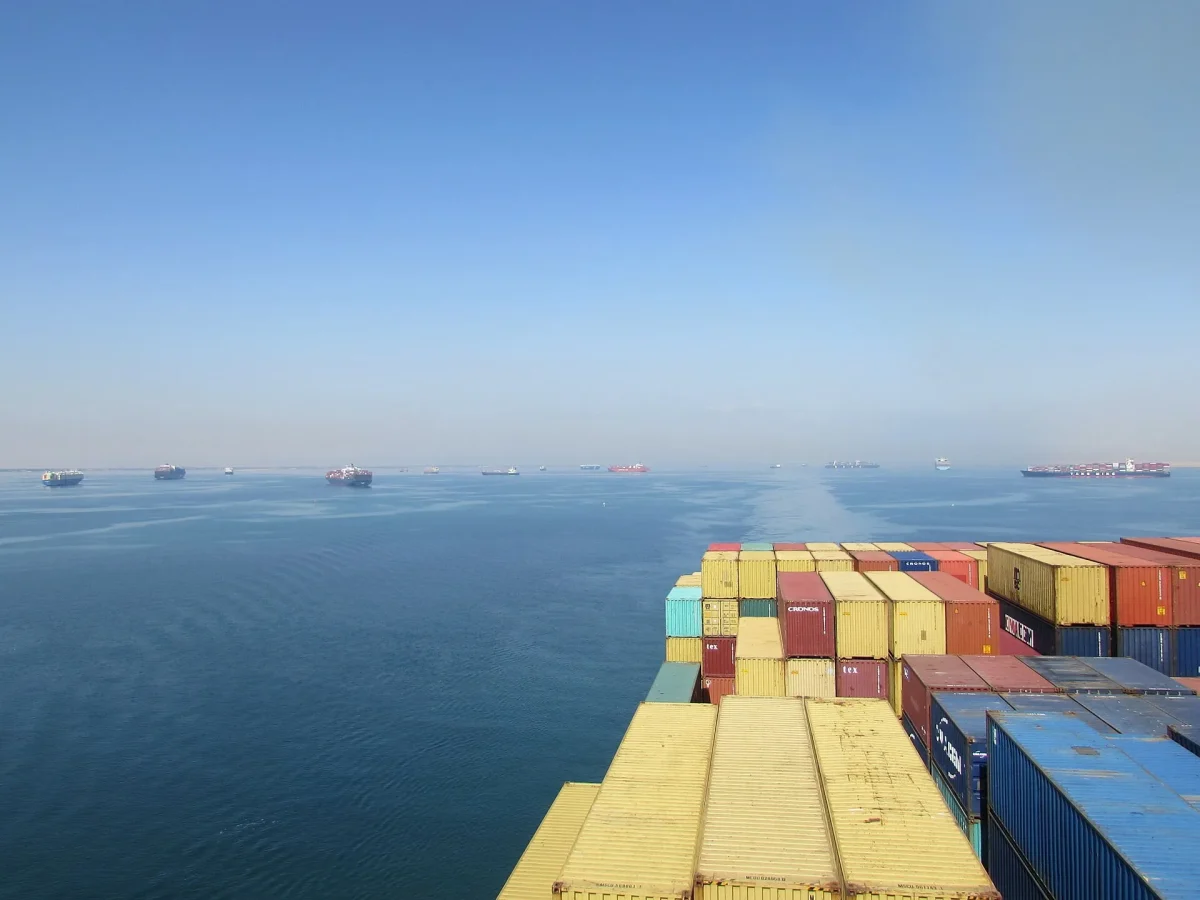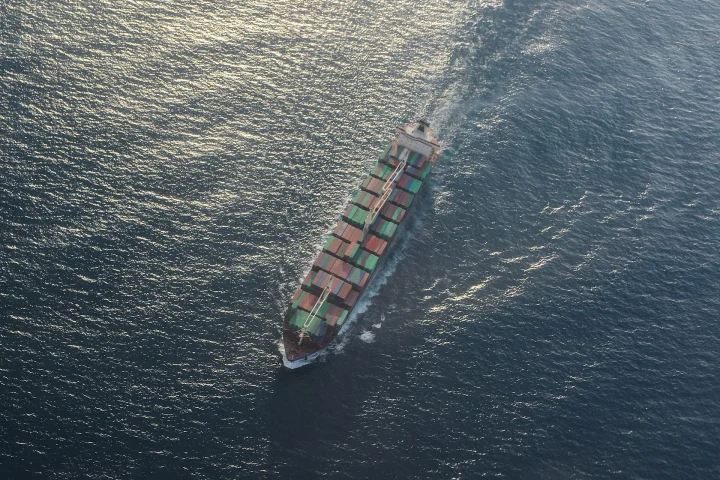
Under FOB (Free On Board), the buyer takes on freight cost and risk from the moment vanilla is loaded at the Indonesian port of departure; under CIF (Cost, Insurance, Freight), the exporter arranges and pays for shipping and insurance to the buyer’s named port, folding those costs into the quoted price. Neither term is universally “better” — the right choice depends on whether your business has established freight relationships and wants control over the shipping leg, or prefers a single landed-cost figure from the exporter.
What Exactly Changes Between FOB and CIF?
The core difference is where responsibility for freight and risk transfers from seller to buyer. Under FOB, the exporter’s responsibility ends once goods are loaded onto the vessel at the origin port — the buyer arranges and pays for ocean or air freight and insurance from that point forward, and bears the risk of loss or damage during transit. Under CIF, the exporter arranges freight and insurance to the destination port and includes those costs in the quoted price, though risk of loss still technically transfers to the buyer once goods are loaded, even though the exporter is paying for the shipping leg. This distinction — cost versus risk transfer — is often misunderstood and worth clarifying directly with your supplier or trade counsel before signing a contract.
| Aspect | FOB | CIF |
|---|---|---|
| Freight arranged by | Buyer | Seller |
| Insurance arranged by | Buyer | Seller (minimum coverage typically) |
| Price includes | Cost up to loading at origin port | Cost, insurance, and freight to destination port |
| Best suited for | Buyers with established freight forwarders | Buyers wanting one landed-cost figure |
When Does FOB Make Sense for a Vanilla Buyer?
FOB tends to suit buyers who already have an established freight forwarder relationship, negotiate their own ocean or air freight rates, or want direct control over carrier selection and shipping schedule. Larger food manufacturers and importers who regularly consolidate shipments from multiple suppliers into one container often prefer FOB, since it lets them coordinate logistics across several origin points rather than depending on each exporter’s individual freight arrangement.
When Does CIF Make Sense for a Vanilla Buyer?
CIF is generally the more straightforward option for buyers without in-house logistics capacity, first-time importers unfamiliar with freight booking in Indonesia, or buyers who simply prefer a single landed-cost number for budgeting purposes. Because the exporter handles freight and insurance arrangements, CIF can reduce coordination overhead for smaller-volume buyers, though it typically comes at a modest premium compared to the equivalent FOB price plus buyer-arranged freight.
How Do These Terms Interact With Payment Structure?
Incoterm selection is a separate decision from payment terms — letter of credit (LC) or telegraphic transfer (TT) — but the two are often negotiated together in the same contract, since payment milestones (such as payment on bill of lading) are typically tied to the shipping stage defined by the Incoterm. Our page on vanilla purchase contracts and Incoterms 2027 covers how Incoterm and payment terms are typically structured together in a written contract.
Does Freight Mode Change the FOB vs CIF Decision?
Yes — sea freight and air freight carry different cost structures and transit times, which affects how much value a buyer gets from letting the exporter handle logistics under CIF versus arranging it independently under FOB. Our comparison of sea freight vs air freight for vanilla export 2027 breaks down when each mode makes sense depending on order size and delivery urgency, which in turn affects whether FOB or CIF is the more efficient structure for a given shipment.
How Should Buyers Compare FOB and CIF Quotations?
To compare fairly, buyers should request both an FOB price and an estimated CIF price for the same shipment, then compare the CIF figure against their own cost of arranging freight and insurance independently under FOB. In many cases the difference is smaller than expected once buyer-side freight costs are fully accounted for, but this varies by route, carrier availability, and order volume, so it is worth requesting both figures rather than assuming one structure is automatically cheaper.
What Documentation Differs Between FOB and CIF Shipments?
The core export documents — phytosanitary certificate, commercial invoice with HS 0905 classification, packing list, and bill of lading — are required under both terms, since these relate to customs and quarantine compliance rather than freight arrangement. What differs is who holds the insurance certificate and freight booking confirmation: under CIF, the exporter provides these as part of the document package, while under FOB the buyer’s own freight forwarder generates them once cargo is booked. Buyers should confirm which party will hold each document before shipment, particularly for letter-of-credit transactions where specific documents must be presented to the bank in a defined sequence.
What Are Common Mistakes Buyers Make With Incoterms?
A frequent mistake is comparing an FOB quote from one supplier against a CIF quote from another and assuming the lower number represents a better deal, without accounting for the freight and insurance cost the buyer would need to add to the FOB figure to make it comparable. Another common issue is assuming CIF insurance coverage matches the buyer’s own risk tolerance — CIF contracts typically include minimum coverage under standard trade terms, and buyers with higher-value shipments or specific risk concerns should confirm coverage levels rather than assuming they are adequate by default.
Confirm Your Preferred Incoterm With the Desk
Our desk quotes both FOB and CIF on request, along with a written breakdown of what each figure includes, so buyers can compare against their own logistics arrangements before finalizing a purchase contract. For details on our broader shipping and export process, see the shipping and export page.
To request an FOB or CIF quotation for your vanilla order, contact the Bali Vanilla Export desk on WhatsApp at +62 811-3941-4563 or email [email protected].