Bali Vanilla Export supplies vanilla bean caviar — the pure, aromatic seeds scraped from cured Vanilla planifolia pods — in bulk, food-grade, vacuum-sealed packs for ice cream makers, patisseries, yogurt producers, and cosmetic formulators. Minimum orders start at artisan-friendly volumes, every lot ships with origin and lab documentation, and per-kilogram quotes are prepared on request against your target application and delivery schedule.
If your production line needs the visual “speckle” and full seed aroma of real vanilla without splitting and scraping pods in-house, caviar is the format that saves labour while keeping the ingredient declaration clean: one ingredient, vanilla seeds. Below: how we produce it, specifications, realistic yields, packaging, indicative pricing, and how to order a sample.
What Is Vanilla Bean Caviar — and Who Buys It in Bulk?
Vanilla bean caviar (also called vanilla seeds or vanilla specks) is the interior seed mass of a cured vanilla pod, separated from the pod skin. It is the part of the bean that delivers the visible black flecks in premium ice cream, crème brûlée, panna cotta, and vanilla yogurt — the visual proof that a product uses real vanilla rather than flavouring alone.
Bulk buyers typically fall into four groups:
- Premium ice cream and gelato producers who want consistent speckle density per litre of base without the labour cost of scraping pods on the line.
- Patisseries and bakery manufacturers using caviar in pastry cream, buttercream, glazes, and viennoiserie fillings where whole pods are impractical.
- Yogurt and dairy brands that market “real vanilla bean” SKUs and need a food-grade, dosable seed format.
- Cosmetic and personal-care formulators using vanilla seeds as a natural exfoliant and visual inclusion in scrubs, soaps, and body butters.
Caviar sits alongside our other value-added format, vanilla powder and extract-grade supply: powder disperses invisibly and extract carries flavour in liquid form, while caviar is chosen specifically when the seeds must be seen in the finished product.
From Cured Pod to Pure Seed: How We Produce Caviar
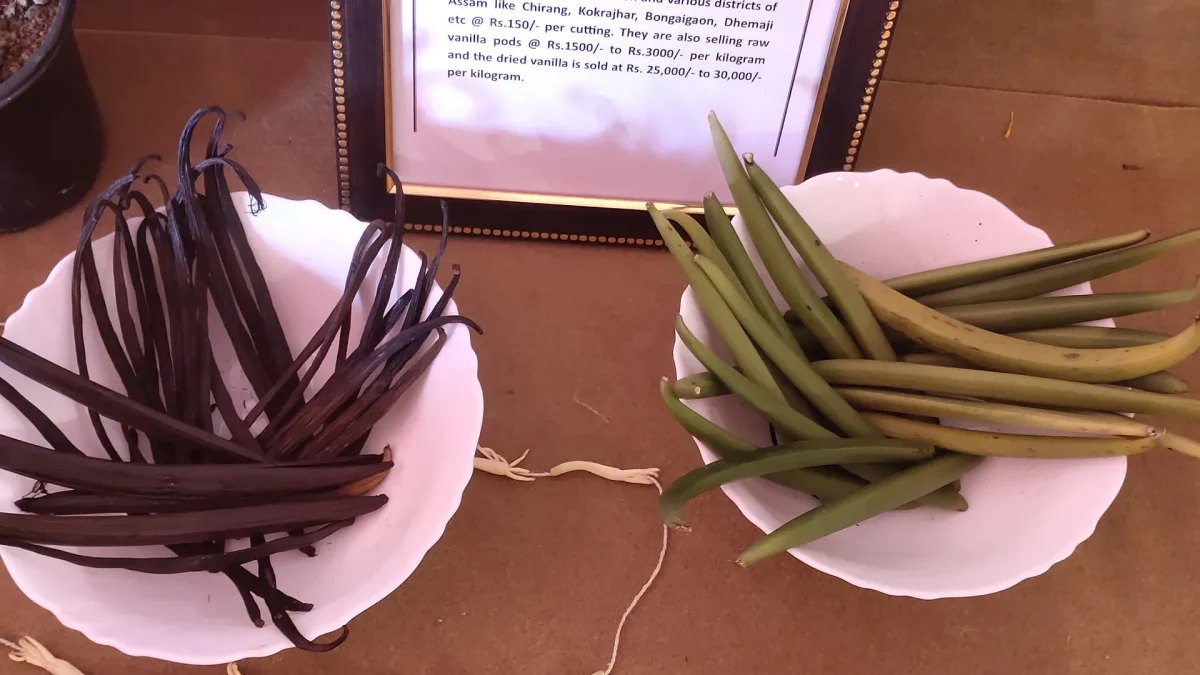
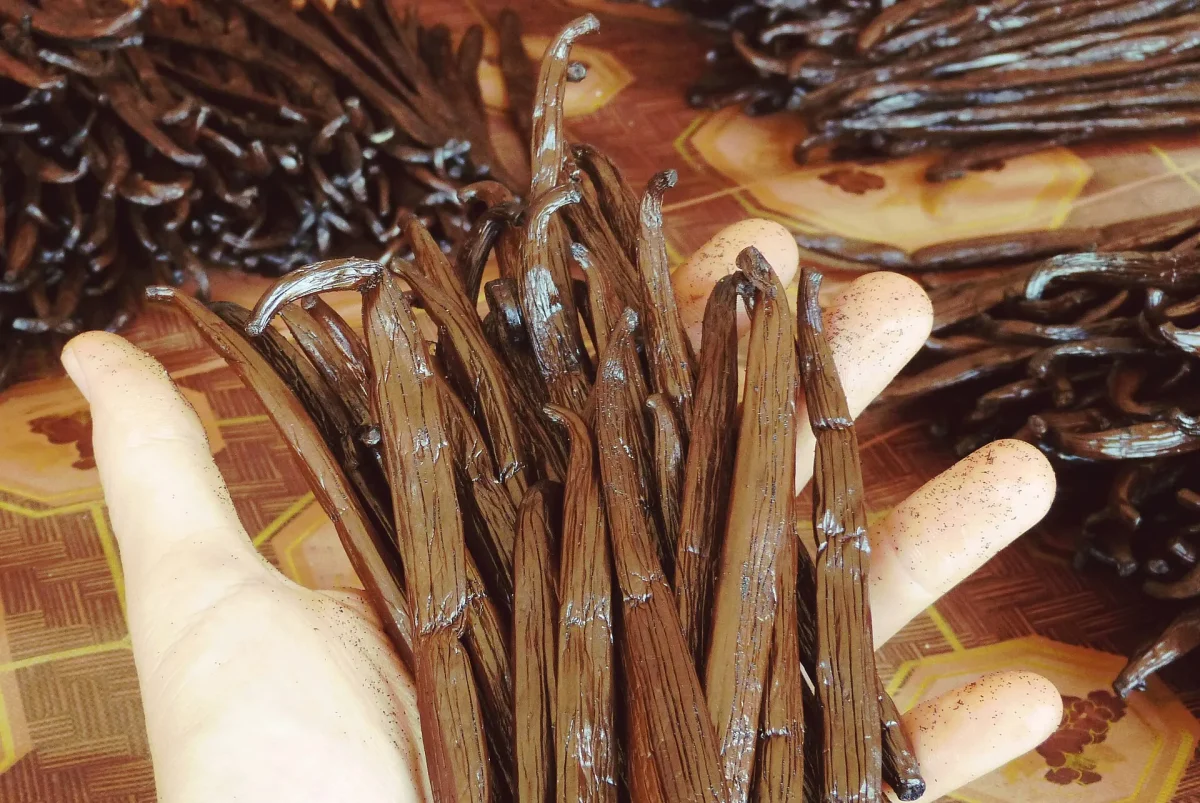
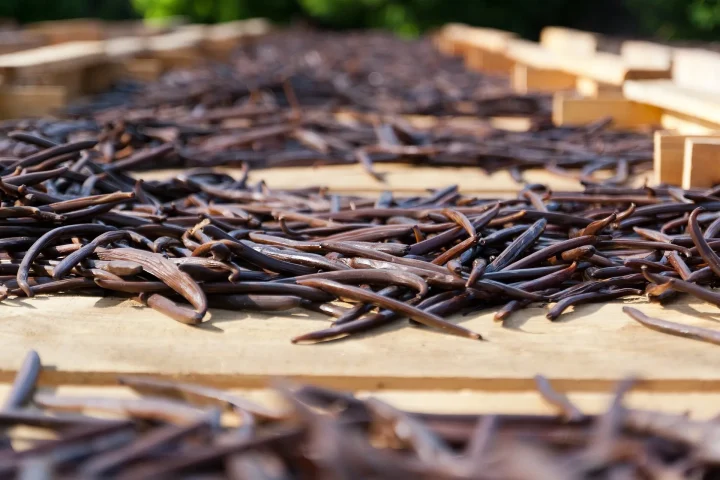
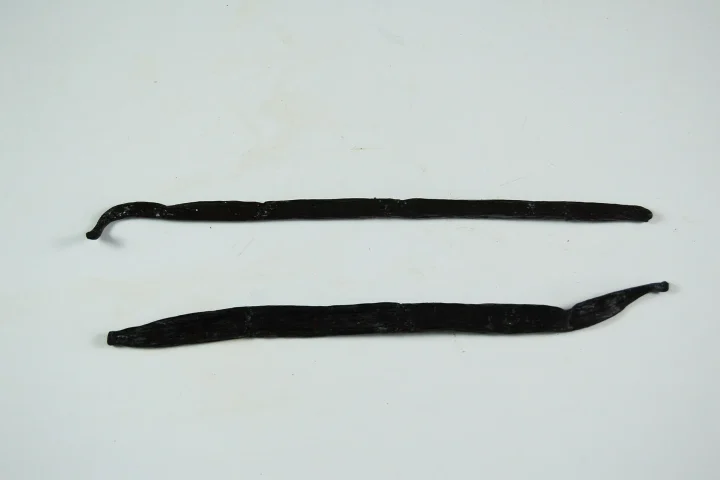
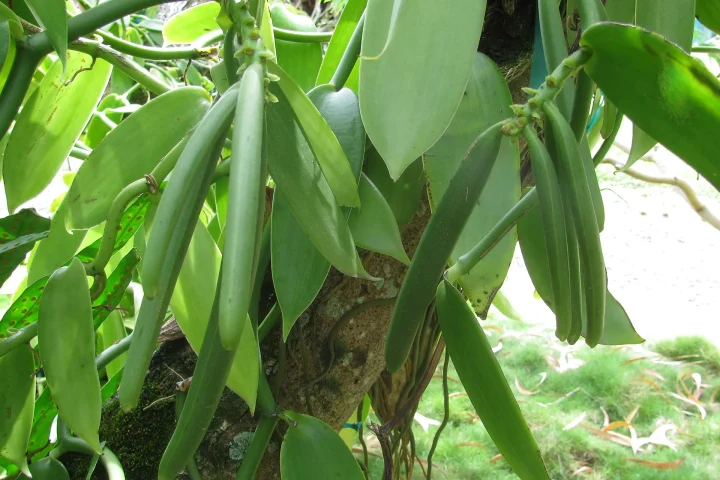
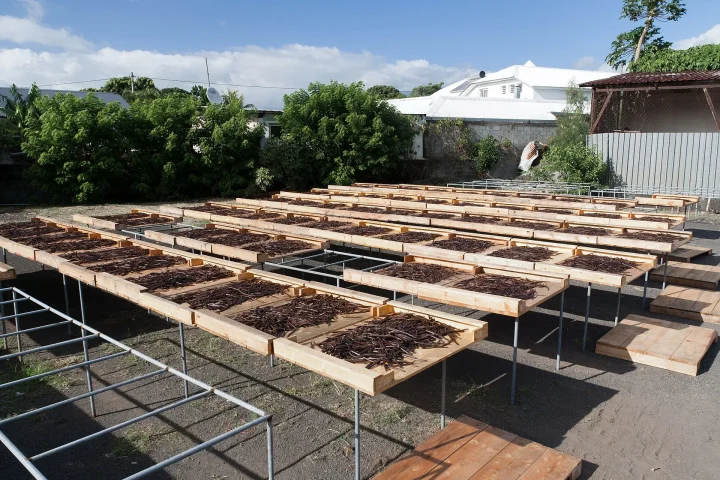
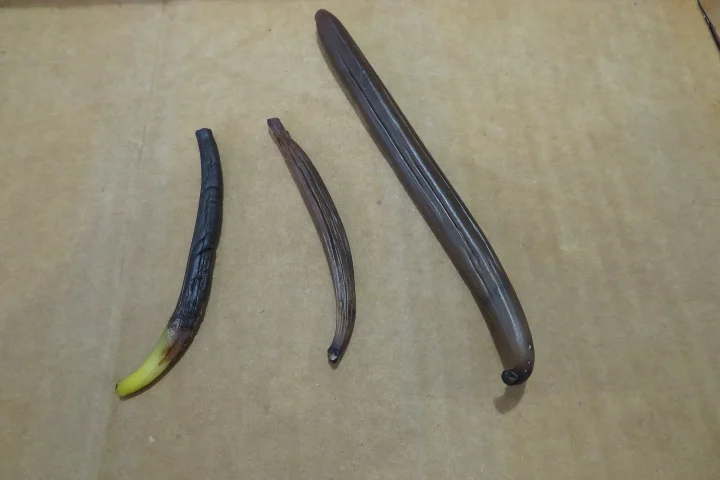
Quality caviar starts long before scraping. Indonesian vanilla is built through a long sequence of pollination, harvesting, sweating, drying, and conditioning — the lengthy curing process that develops aroma and brings moisture down to a stable, export-safe level. Only fully cured, conditioned pods enter our seed-separation workflow; green or under-cured beans never do.
The production flow is deliberately simple, because simplicity is what keeps the product single-ingredient and food-grade:
- Lot selection. Pods are selected from identified farm lots in Bali and partner origins, with the lot record carried through to the finished pack.
- Splitting and scraping. Pods are split lengthwise and the seed mass is separated by hand and food-contact tools — no solvents, no carriers, no added sugar or glycerin in the standard product.
- Screening. The seed mass is screened to remove pod-skin fragments, then checked visually against the lot’s defect tolerance.
- Packing. Caviar is weighed into food-grade vacuum pouches with oxygen absorbers, labelled with lot code, pack date, and origin.
Because the seeds are separated from an identified pod lot, each caviar batch inherits that lot’s traceability and lab paperwork — including a measured vanillin range from the certificate of analysis (COA) rather than a generic claim. That is the same documentation discipline buyers already expect from our whole-bean lines.
Grade A or Grade B Input Pods: Matching Grade to Application
We produce caviar from two input streams, and the right choice depends on where the seeds end up:
- Grade A (gourmet) input. Long, supple, high-moisture pods with strong aroma. Caviar from Grade A input is the choice for applications where the seed flavour itself is front and centre — artisan ice cream, plated desserts, high-end pastry cream.
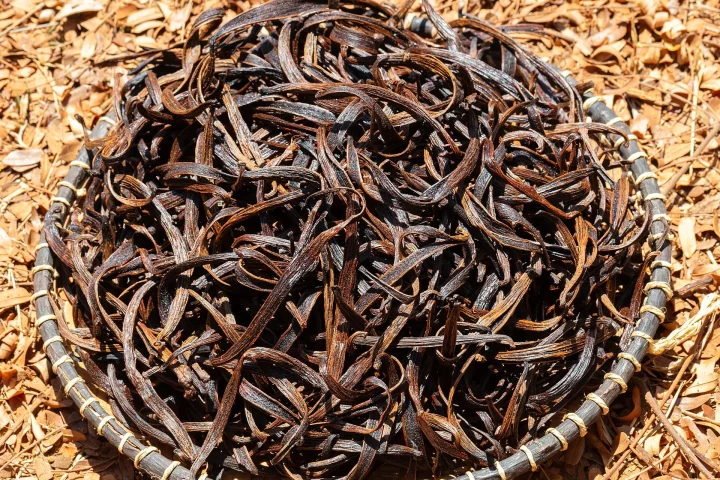
- Grade B (extract-grade) input. Drier pods with concentrated flavour, normally destined for extraction. Caviar from Grade B input is a cost-efficient option where seeds function mainly as a visual inclusion — cosmetic scrubs, soaps, some baked applications — or where the seed is combined with extract in the recipe anyway.
Tell us the application and dosage rate, and we will recommend the input grade before quoting. Most food buyers running a “vanilla bean” claim on pack choose Grade A input; most cosmetic buyers choose Grade B input and reallocate the saving into volume.
Applications: Ice Cream, Patisserie, Yogurt, and Cosmetics
Typical usage patterns we see across buyers:
- Ice cream and gelato: caviar dosed directly into the pasteurised base for even speckle distribution. Producers who also flavour with whole pods can review our dedicated page on vanilla beans for ice cream, gelato, and bakery production and run both formats from one supplier.
- Patisserie: pastry cream, diplomat cream, glazes, macarons, and sablé doughs where scraping pods per batch is too slow for service volumes.
- Yogurt and dairy: stirred and set yogurt lines carrying a real-vanilla-bean claim, with caviar dosed at low grammage per tonne of white mass.
- Cosmetics: exfoliating scrubs, artisan soap, lip scrubs, and body butters using seeds as a natural inclusion. Cosmetic buyers should confirm their own regulatory requirements per destination market; we supply the food-grade product plus lot documentation.
Food-Grade Specifications and Vacuum Packaging
Every caviar lot is supplied against a written specification sheet. Standard parameters include:
- Composition: 100% vanilla seeds from Vanilla planifolia pods; no carriers, sugar, glycerin, oil, or preservatives in the standard product. Carrier-blended versions (for easier dosing) can be discussed on request.
- Origin and traceability: farm-lot identification carried from pod lot to finished pack, consistent with the traceability practice used across our export lines.
- Lab documentation: COA per lot, including a measured vanillin range for the source pods, moisture data, and defect notes.
- Packaging: food-grade vacuum pouches with oxygen absorbers, packed in export cartons; standard pack weights are 500 g and 1 kg, with other formats available for contract volumes.
- Storage guidance: keep sealed pouches cool, dry, and away from light; refrigerate or freeze after opening. We confirm recommended shelf life per lot on the spec sheet rather than publishing a single blanket figure.
Vacuum sealing with oxygen absorbers is the same protection method we use for sea-shipped whole beans, and it matters even more for caviar: the seed mass has more exposed surface area than an intact pod, so oxygen and humidity control are what preserve aroma between packing and your production date.
Pod-to-Caviar Conversion Yield
Buyers comparing caviar against buying pods and scraping in-house should budget with a realistic conversion figure. As an indicative planning range only, several kilograms of cured pods are required to produce one kilogram of pure seed caviar, because the pod skin — most of the bean’s weight — is removed. Actual yield varies with pod grade, moisture, and seed density, so we confirm the effective conversion for your specific lot at quotation, supported by the lot’s COA data.
Two practical implications follow. First, caviar’s per-kilogram price is naturally higher than the per-kilogram price of the pods it comes from — you are buying only the concentrated fraction. Second, in-house scraping is rarely cheaper once labour, wastage, and inconsistent speckle density are counted, which is why mid-size producers move to pre-separated caviar as volumes grow.
Indicative Bulk Pricing, Pack Sizes, and MOQ
Caviar is quoted per kilogram against input grade, volume, and shipping terms. As context, our whole-bean benchmarks are indicatively US$30–80/kg for Grade A gourmet pods and US$20–50/kg for Grade B extract-grade pods depending on vanillin content and pod quality; caviar pricing sits above the corresponding whole-bean benchmark because of the conversion yield described above. All figures below are indicative and every order is confirmed by written quotation.
| Pack option | Typical buyer | Indicative order size | Packaging | Pricing basis |
|---|---|---|---|---|
| Sample pack | R&D, recipe validation | 100–250 g | Food-grade vacuum pouch | Flat sample fee, on request; credited against first bulk order |
| Artisan pack | Gelato labs, patisseries | From 1 kg | 500 g / 1 kg vacuum pouches with oxygen absorbers | Per-kg quote on request, indicative premium above Grade A bean benchmark |
| Mid-size pack | Regional ice cream and yogurt producers | Indicatively 10–25 kg | 1 kg pouches in export cartons | Tiered per-kg quote on request |
| Contract supply | Manufacturers, cosmetic labs | From 50 kg per schedule | Customised pack formats | Contract pricing and delivery calendar on request |
The MOQ is deliberately artisan-friendly: a single kilogram is enough to start, because we would rather earn repeat orders from a gelato lab that scales than lock small producers out with container-sized minimums. Brands that want the caviar packed under their own label — retail jars, branded pouches, or co-packed formats — can combine this line with our private label vanilla sourcing service, which covers labelling, documentation, and repeat-supply scheduling under one agreement.
Export Documentation and Shipping
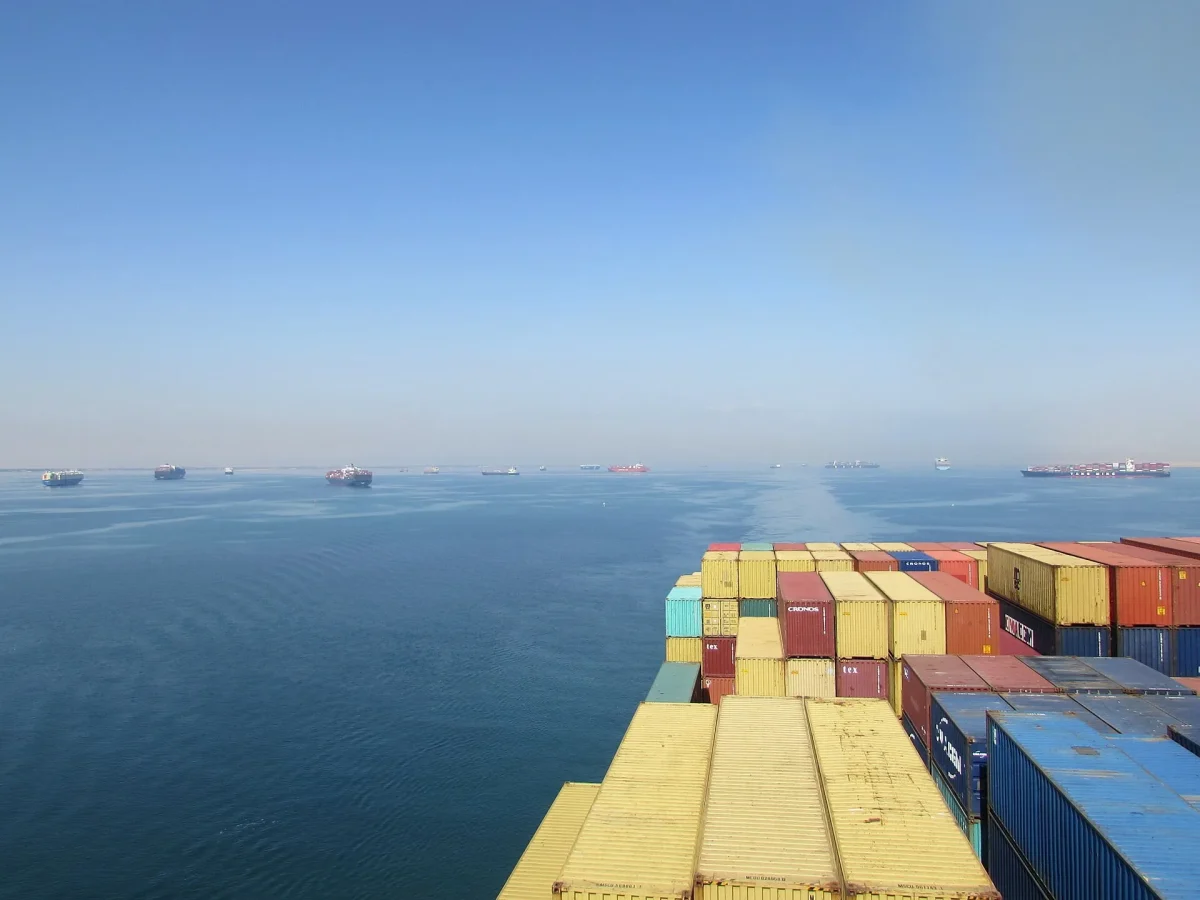
Vanilla products ship under HS code 0905, and Indonesian export shipments are prepared with phytosanitary documentation and compliant, traceable packing through official quarantine channels. Because destination-country paperwork varies — the United States is the largest market for Indonesian vanilla, with France, Germany, and the Netherlands among the key premium destinations — we prepare a country-specific document set for each shipment rather than a one-size-fits-all pack.
Samples and small artisan orders travel by air; larger contract volumes can move by consolidated air or sea freight, protected by the vacuum-and-absorber packing described above. Bali Vanilla Export operates within Juara Holding Group, whose export-facing teams support the logistics and buyer-communication side of every shipment, so one WhatsApp thread covers sourcing, documents, and delivery status.
Commercial information only. Pricing, tariff codes, phytosanitary rules and import requirements change between seasons and destination markets — confirm current figures and documentation with your customs broker, freight forwarder and the competent authority in your import country before contracting. This page is not legal, tax or trade advice.
Frequently Asked Questions
Is vanilla bean caviar sold pure, or with sugar and glycerin carriers?
Our standard product is 100% vanilla seeds with no carriers, sugar, glycerin, or preservatives — a single-ingredient declaration. If your dosing equipment works better with a paste-style consistency, ask about carrier-blended versions when you request a quote.
What is the minimum order for a first purchase?
One kilogram for the artisan pack, preceded if you wish by a 100–250 g sample. Sample fees are indicative and credited against your first bulk order.
Which input grade should I choose for my application?
Choose Grade A input when seed flavour is central to the finished food — ice cream, pastry cream, plated desserts. Choose Grade B input when the seeds are primarily visual or the recipe already carries extract, and for most cosmetic applications. We confirm the recommendation per application before quoting.
What documentation comes with each lot?
A specification sheet, a lot-linked COA with measured vanillin range and moisture data for the source pods, origin traceability records, and — for export shipments — phytosanitary documentation under HS code 0905, plus any destination-specific paperwork your market requires.
How should caviar be stored after delivery?
Keep sealed vacuum pouches cool, dry, and away from light, and refrigerate or freeze after opening. Recommended shelf life is stated per lot on the spec sheet, since it depends on the lot’s moisture profile and your storage conditions.
Can I test the quality before committing to a bulk order?
Yes — that is exactly what our vanilla bean sample order program is for. Request a caviar sample alongside pod samples, run it in your actual recipe, then scale to the artisan or mid-size pack.
Order a Caviar Sample and Request a Per-Kg Quote
Tell us your application, target dosage, monthly volume, and destination country, and we will reply with an input-grade recommendation, an indicative per-kilogram range, and a sample dispatch plan. Message us on WhatsApp at wa.me/6281139414563 for the fastest response, or email [email protected] with your specification requirements — spec sheets and sample COAs are shared before you commit to any bulk order.