Organic vs conventional vanilla for export
The difference lies mainly in how the crop is grown and documented, not necessarily in flavour. For B2B buyers it matters because of certification requirements, market positioning and the price premium organic status can command.
What actually makes vanilla organic?
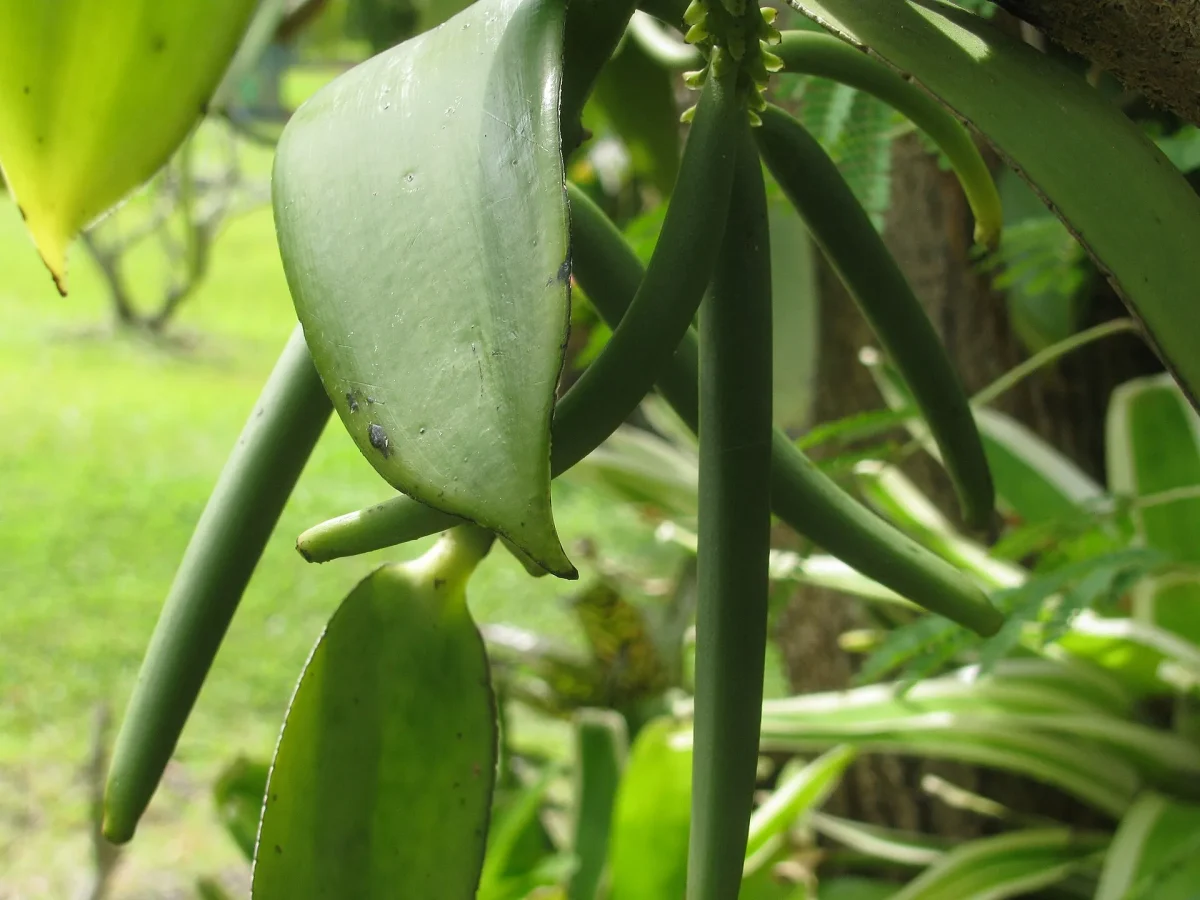
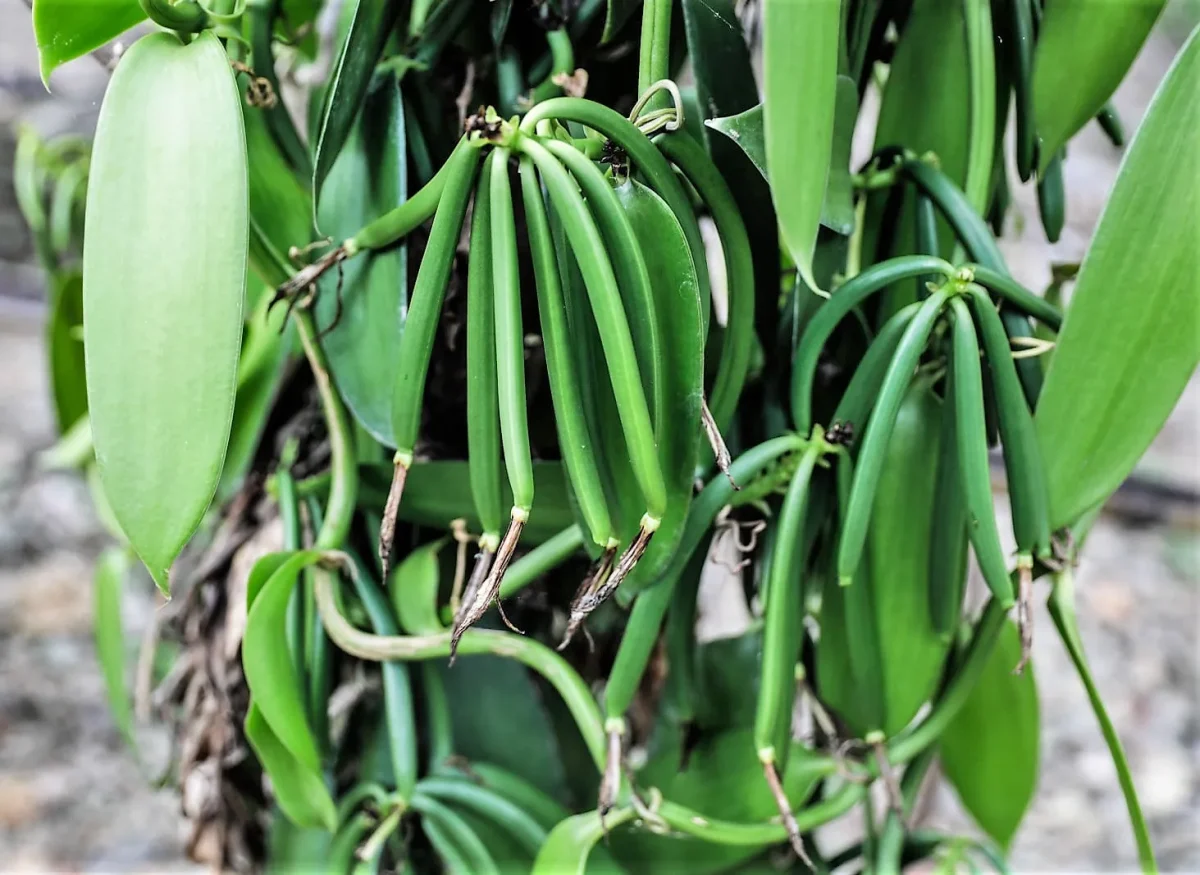
Organic vanilla is grown without synthetic pesticides, fertilisers or other prohibited inputs, and the farm and post-harvest chain must typically be certified by a recognised body — such as USDA Organic or EU Organic — to carry an organic label.
Conventional vanilla may still come from careful, low-input smallholder farming; the absence of certification does not automatically mean heavy chemical use.
- Documented farming practices and regular audits
- Traceable chain of custody from field to export
- Not simply a farm avoiding chemicals informally
Pricing and demand differences
Why the organic premium exists and who pays it.
Organic vs conventional at a glance
Start from your own product’s label requirements.
| Certification | Organic: required, recognised body, audited · Conventional: none |
|---|---|
| Price positioning | Organic: premium · Conventional: standard market pricing |
| Best suited for | Organic: certified product lines, sustainability claims · Conventional: general food, beverage, extraction |
| Documentation | Organic: current certificate covering the shipment · Conventional: standard export and QC documents |
Both categories are subject to the same commodity price volatility tied to harvest and global market conditions.
Check the certificate, not the word
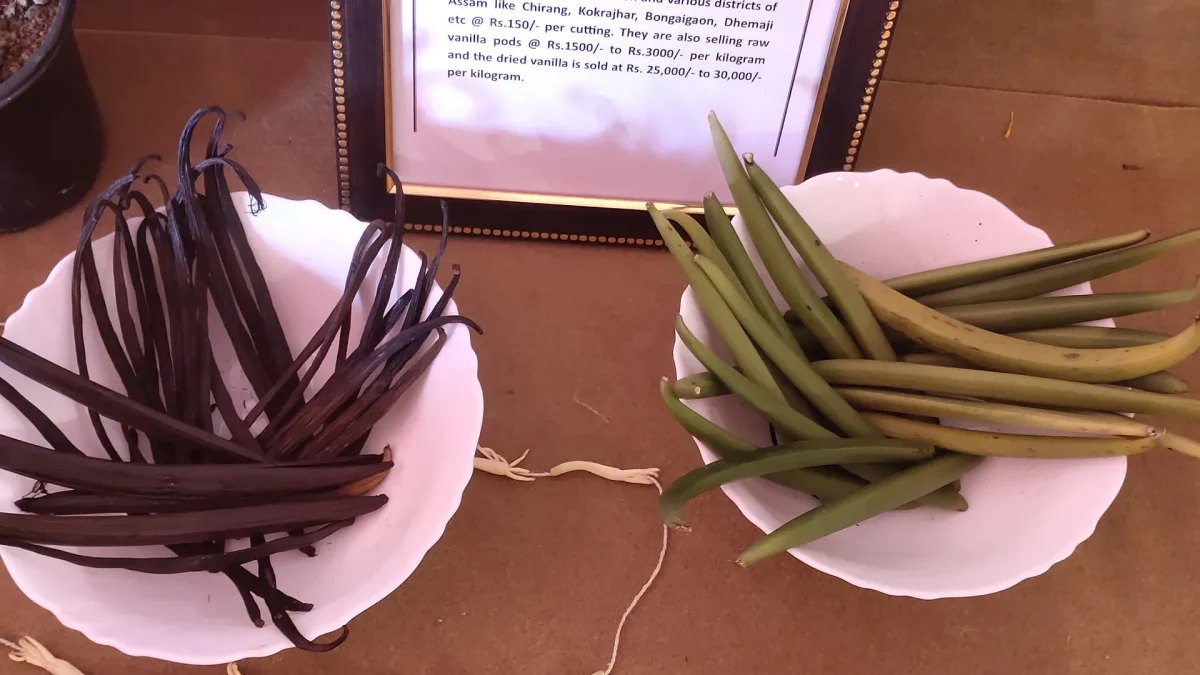
“Organic” is a regulated term in most major markets. We treat organic certification as available on request, subject to verification — we do not assert blanket organic status across our supply, because status can vary by farm group, harvest and time period.
- Request a current certificate tied to the specific shipment
- Confirm its scope covers farm, processor and exporter
- Tell us your certifying body preference and destination market
- We confirm documentation availability in writing before you commit
More in Quality & Origin
Organic vanilla questions
Does organic certification guarantee better flavour?
No. Certification covers farming and handling practices, not sensory quality. A well-cured conventional bean can outperform a poorly cured organic bean, since curing skill has an outsized impact on final quality. Evaluate samples on their own merits.
How should a buyer decide between organic and conventional?
If your finished product carries an organic claim, you need verified organic-certified vanilla with documentation matching your regulatory market. If not, conventional vanilla with clear grading and QC documentation may be more cost-efficient without a meaningful quality trade-off.
What is “transitional” vanilla?
Vanilla grown under organic standards during a farm’s multi-year transition period, before the crop can be certified. Confirm exactly which category a supplier is offering — “moving toward organic” is not certified organic.
How do certification costs show up in pricing?
Certification bodies charge for initial certification and annual audits, and organic yields are often lower. These costs are typically reflected in the premium; expect transparency from suppliers about how they factor into your quote.
Need certified organic vanilla?
Tell us your certifying body, destination market, grade and volume — we confirm current documentation availability in writing before you commit.