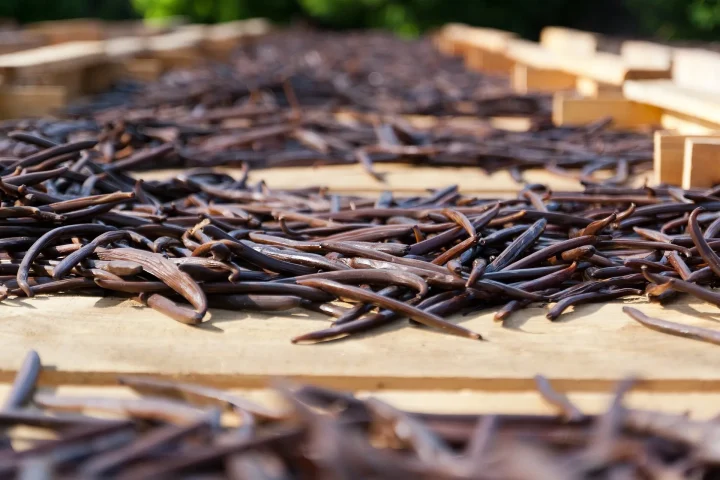
Vanilla Export Documentation — Phytosanitary, HS Code 0905 & COO Handled

Every vanilla consignment we export from Indonesia leaves with a complete, verified document set: a phytosanitary certificate issued through official Indonesian quarantine channels, a Certificate of Origin (COO), a lot-traceable packing list, and a commercial invoice declared under HS code 0905. If you are sourcing Bali or Indonesian vanilla beans and want the vanilla export phytosanitary certificate Indonesia requires — plus every supporting document your customs broker will ask for — this page explains exactly what we prepare, how the process runs, and where your responsibilities as the importer begin.

Documentation is where vanilla deals are won or lost. Beans that pass every aroma and moisture check can still sit in a bonded warehouse for weeks if a certificate is missing, a tariff line is misdeclared, or a packing list cannot be matched to the lots inside the cartons. Because export paperwork for vanilla varies by shipment, by destination market, and even by individual buyer, we prepare a country-specific document set for every order rather than recycling a generic template. Bali Vanilla Export operates as the agricultural export desk of Juara Holding Group, an Indonesian group active since 2015, which is why our buyers get a documentation process run with the same discipline as the group’s other export-facing businesses.

The Standard Document Set We Prepare for Every Shipment

Four core documents travel with every order, whether it is an air-freight sample carton or a sea-freight contract shipment. These are prepared, cross-checked against the physical consignment, and shared with you as scans before the goods move:

  • Phytosanitary certificate — issued through Indonesia’s official plant-quarantine channels for the specific consignment, confirming the beans have been inspected for export. This is the document most destination customs authorities ask for first on a plant product like vanilla.
  • Certificate of Origin (COO) — attesting that the beans are Indonesian-origin product, which many buyers need for tariff treatment and for their own origin-labelling claims.
  • Lot-traceable packing list — every carton is listed with its lot code, grade, net weight, and packaging format (vacuum-sealed, food-grade, with oxygen absorbers for sea shipments), so the paperwork can be reconciled against the physical goods at any point in the chain.
  • Commercial invoice under HS code 0905 — the internationally recognised tariff heading for vanilla, stated together with agreed Incoterms, unit pricing, and consignee details exactly as your import side needs them.

On top of these four, we attach a per-lot Certificate of Analysis (COA) with measured values — including vanillin content and moisture from laboratory testing of the actual lot — rather than generic brochure claims. Buyers vetting a new Indonesian supplier consistently check traceability, grade consistency, and lab documentation before anything else, so we treat the COA as part of the standard file, not an optional extra. You can read how these documents plug into the physical logistics flow on our shipping and export process page.

HS Code 0905: How Your Vanilla Invoice Is Declared

Vanilla is traded internationally under HS code 0905. We declare every commercial invoice under this heading and then align the full destination-country tariff line with you or your customs broker before shipment, because duty rates and import formalities differ market by market. Getting the declaration right at origin matters: a mismatch between the invoice, the packing list, and the phytosanitary certificate is one of the most common reasons vanilla consignments get flagged for manual inspection. Our documentation desk cross-checks all three against the booking before anything is submitted.

Phytosanitary Certification Through Official Quarantine Channels

We do not use shortcuts or informal channels for plant-health paperwork. Certified Indonesian vanilla exports move through the official quarantine process: the consignment is presented for inspection, and the phytosanitary certificate is issued against that specific shipment — consignee, quantity, and packing details all stated on the certificate itself. This matters for you as a buyer for two reasons. First, destination authorities can verify the certificate against the official issuing channel. Second, a consignment-specific certificate means the paperwork always matches the goods that actually arrive, which protects you during import clearance and during any downstream audit by your own customers.

Country-Specific Document Sets: US, EU, and Japan

The core set above is the foundation, but the exact paperwork varies by destination and by buyer — so we maintain destination-specific checklists for the three markets where most of our inquiries originate.

United States

The US is the largest destination for Indonesian vanilla — trade data put US-bound exports at US$8.25 million in 2025, far ahead of any other market. For US-bound orders we align the document set with your customs broker’s checklist before the consignment is booked: phytosanitary certificate, COO, HS 0905 invoice, traceable packing list, and per-lot COA, plus any additional buyer-side forms your broker requests for food ingredients. If you are a US buyer, our dedicated page for US importers of Indonesian vanilla beans covers grades, shipment formats, and typical order flows for the American market.

European Union

France, Germany, and the Netherlands are consistently among the leading destinations for Indonesian vanilla — 2025 trade data record US$616k to France, US$521k to Germany, and US$330k to the Netherlands. EU buyers typically ask for documentation proving compliance with food import rules alongside the standard phytosanitary paperwork, and for organic-certified lots they will ask for the certificates evidencing organic status. We prepare that file per lot and share it for your review before dispatch. European buyers can start with our overview for European vanilla bean importers, which maps grades and documentation to typical EU buyer requirements.

Japan

Japan is an important premium market for Indonesian Planifolia and Tahitensis beans, and in our experience Japanese buyers apply some of the most rigorous documentation reviews of any destination. For Japan-bound consignments we emphasise the per-lot COA with measured vanillin and moisture values, full lot traceability back to origin, and packing documentation for the vacuum-sealed, food-grade format — presented so your import-side team can review the complete file before the beans leave Indonesia.

Documentation Timeline: What Happens When

Documentation runs in parallel with order preparation, so paperwork almost never delays a shipment that has been properly booked. As an indicative sequence:

  • At order confirmation: we confirm the destination checklist with you or your broker — Incoterms, consignee details, tariff-line confirmation under HS 0905, and any buyer-specific forms.
  • During lot preparation: COA testing on the actual lots, packing list build-up carton by carton, and COO preparation.
  • At booking and inspection: the consignment goes through the official quarantine inspection and the phytosanitary certificate is issued against it. Indicatively, allow roughly 3–7 working days from booking to a complete issued document set, depending on destination and inspection scheduling.
  • Before dispatch: you receive the full scanned file for review; originals travel per the agreed courier or document-handling arrangement.

Who Handles What: Our Side vs Your Side

A clean split of responsibilities prevents the most common cross-border misunderstandings. Here is how we divide the work on a standard order:

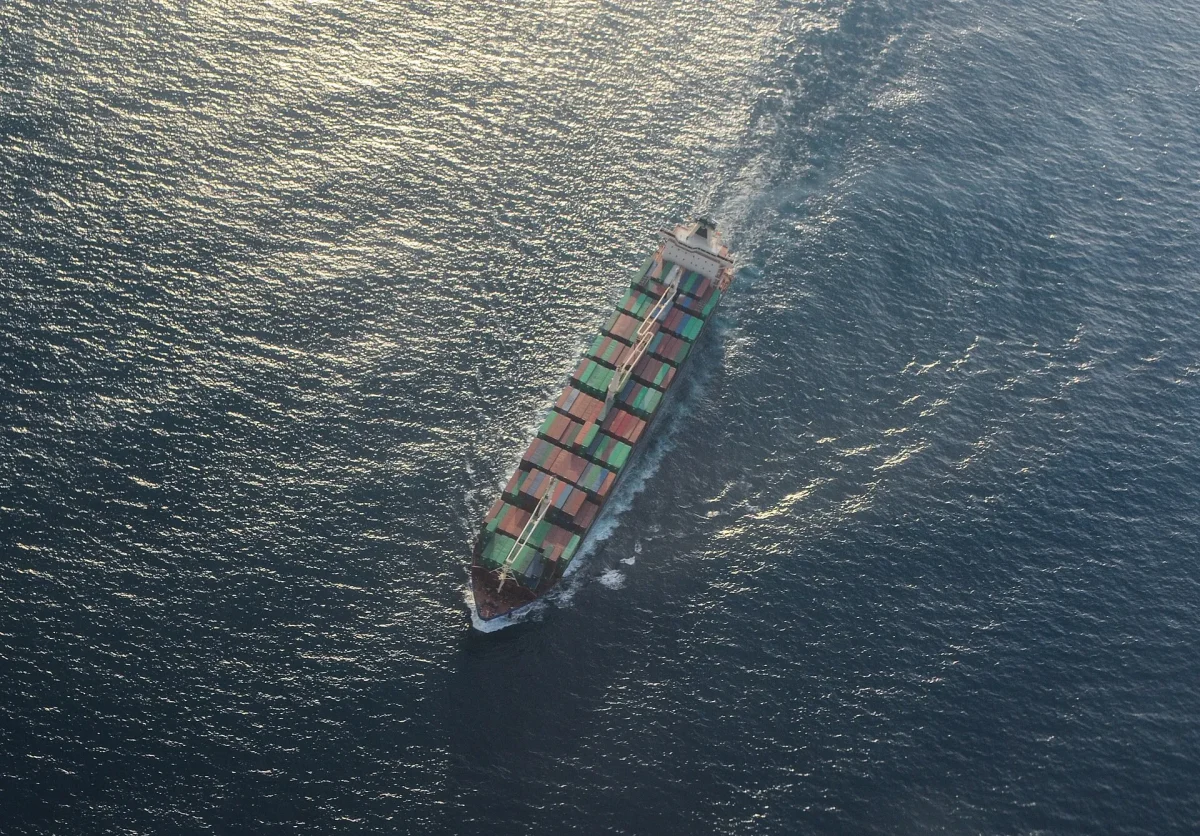
  • We handle (export side): phytosanitary certificate via official quarantine channels, COO, HS 0905 commercial invoice, lot-traceable packing list, per-lot COA, export packing (vacuum-sealed, food-grade, oxygen absorbers for sea freight), and freight booking coordination per the agreed Incoterms.
  • You handle (import side): import clearance in the destination country, any import permits or registrations your market requires for food ingredients, destination duties and taxes, and appointment of your customs broker. We supply every document your broker asks for; the filing on your side remains yours.
  • We handle together: pre-shipment alignment of the destination checklist, review of the scanned document file before dispatch, and resolution of any queries raised during clearance.

Documentation-Inclusive Order Formats and Indicative Pricing

Documentation is included in every order format we offer — it is not a paid add-on. Bean pricing depends on grade, vanillin content, pod quality, and volume, so the figures below are indicative starting points; a firm quotation is issued per order.

Order formatTypical useDocuments includedIndicative pricing
Sample lot (air freight)Lab evaluation and first quality checkInvoice (HS 0905), packing list, COA; phytosanitary and COO per destination requirementsOn request
Trial order (air freight)First commercial run for extract or gourmet linesFull set: phytosanitary, COO, HS 0905 invoice, traceable packing list, per-lot COAGrade A from US$30/kg; Grade B from US$20/kg (indicative)
Contract shipment (sea freight)Recurring supply, vacuum-sealed cartons with oxygen absorbersFull set plus buyer-specific forms per destination checklistVolume-based, on request (indicative market range US$14.76–36.90/kg for Indonesian wholesale)

All prices are indicative and subject to grade, lot, and market conditions at the time of quotation. Request a current offer through our quotation page and we will respond with lot availability, firm pricing, and the destination document checklist for your market.

Frequently Asked Questions

What is the HS code for vanilla beans exported from Indonesia?

Vanilla is traded under HS code 0905. We declare every commercial invoice under this heading and confirm the full destination-country tariff line with you or your customs broker before shipment, since import formalities differ by market.

Do you provide a phytosanitary certificate with every shipment?

Yes. Every consignment moves through Indonesia’s official quarantine channels and receives a phytosanitary certificate issued for that specific shipment, with consignee, quantity, and packing details stated on the certificate.

Do document requirements really differ between the US, EU, and Japan?

Yes — the core set (phytosanitary, COO, HS 0905 invoice, packing list, COA) is constant, but destination-specific and buyer-specific requirements vary. That is why we confirm a country checklist with your broker at order confirmation rather than assuming one template fits all markets.

How long does the export documentation take?

Documentation runs in parallel with lot preparation, so it rarely adds time to a booked order. Indicatively, allow roughly 3–7 working days from consignment booking to a complete issued document set, depending on destination and inspection scheduling.

Does the COA state actual vanillin content?

Yes. We publish measured laboratory values — including vanillin content and moisture — for the specific lot you are buying, not generic range claims. Buyers use this alongside the traceable packing list to verify that delivered goods match the documented lots.

Who pays import duties and taxes in my country?

Import-side duties, taxes, and clearance costs are the buyer’s responsibility under the standard terms we quote. The exact split depends on the Incoterms agreed for your order, which we state on the commercial invoice and confirm with you at quotation.

This page describes our export documentation service and general market practice; it is not legal, customs, or financial advice. Import regulations change and vary by country and product form — always verify current requirements for your specific shipment with a licensed customs broker or the relevant authority in your destination market.
Get Your Destination Document Checklist

Tell us your destination country, target grade, and volume, and we will reply with the exact document set for your market, current lot availability, and a firm quotation. Message our export desk on WhatsApp (+62 811-3941-4563) for the fastest response, or email [email protected] — you can also start with a structured inquiry via our request a quote form and we will come back with the paperwork plan alongside the pricing.

Chat with us
Scroll to Top
Request Quote WhatsApp