Quality assurance for premium Indonesian vanilla
A multi-stage quality control framework — from farm-level sourcing through curing, grading, laboratory testing and pre-shipment verification — so every kilogram we ship meets the specification promised to our B2B buyers.
How we document quality
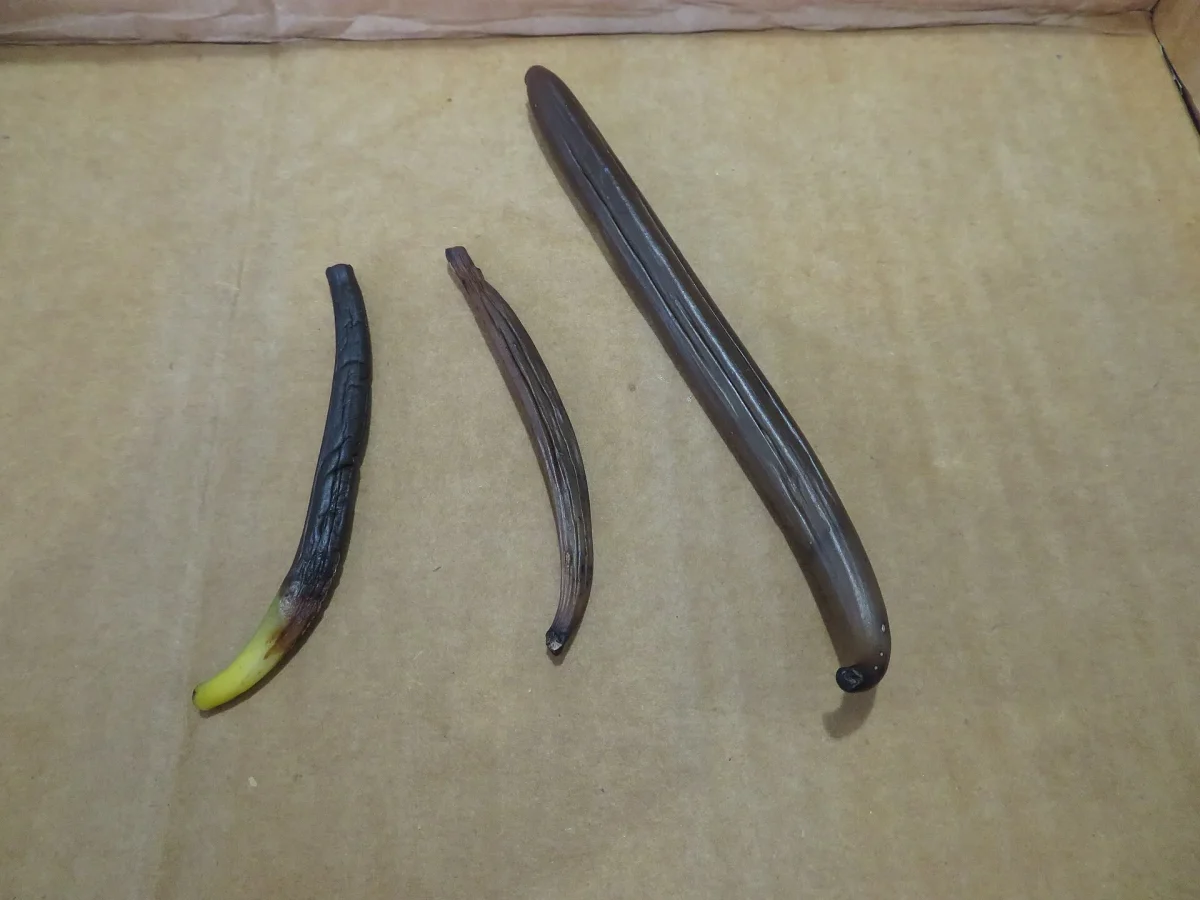
Lab results, origin, traceability and certification — each covered in depth.
What every COA documents
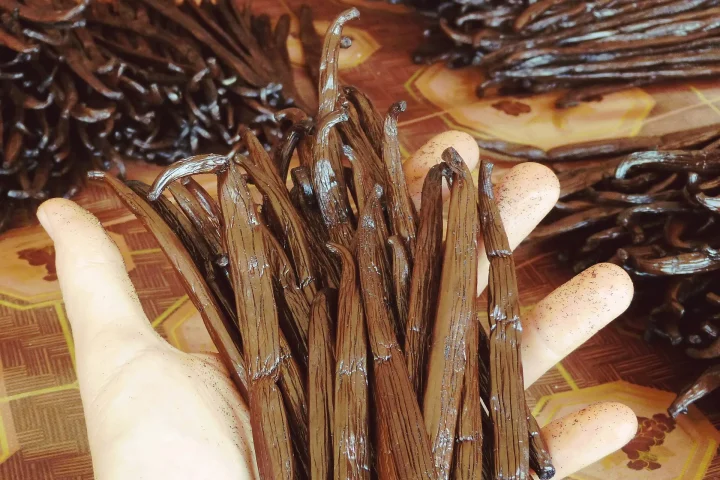
Each shipment’s COA records the quality parameters of the specific batch being shipped.
| Product identification | Variety, grade, origin region, batch number |
|---|---|
| Moisture content | Percentage, calibrated meters verified against oven-dry reference tests |
| Vanillin content | Percentage, by UV spectrophotometry or HPLC |
| Bean count & length | Bean count per kilogram and average bean length |
| Visual grade | Grade confirmation |
| Microbiology | Total plate count, yeast and mould, E. coli, Salmonella |
| Laboratory | Testing laboratory identification and date |
Heavy metals, pesticide residues and allergen testing are available on request, at additional cost for third-party laboratory fees.
Built for destination-market requirements
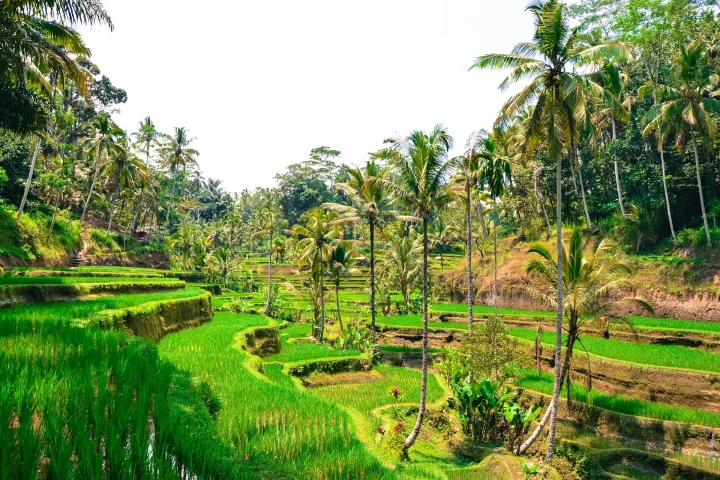
Our quality system is designed to meet the import requirements of all major destination markets. Every batch can be traced back to its farming region, harvest period, curing batch number and processing dates — so any issue can be identified and isolated quickly.
- FDA food safety requirements for US imports
- EFSA regulations and EU maximum residue limits
- Japanese MAFF quarantine and food sanitation standards
- Australian BICON biosecurity import conditions
- Codex Alimentarius standards and HACCP principles
Five stages from farm to shipment
Documented protocols govern every step, aligned with international food safety standards.
Farm-level quality
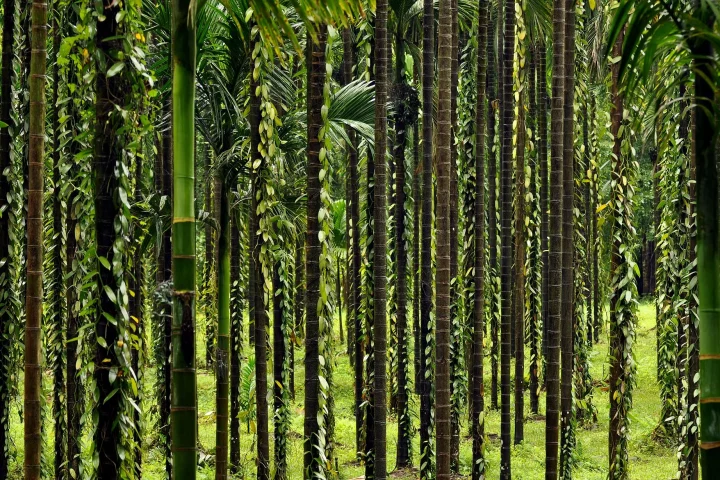
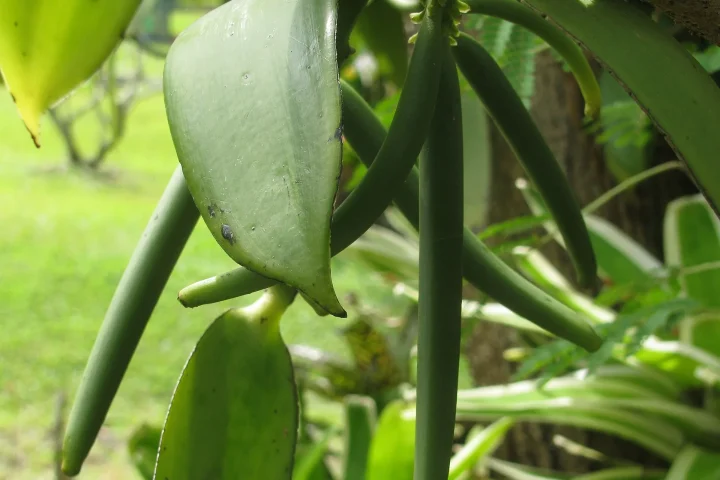
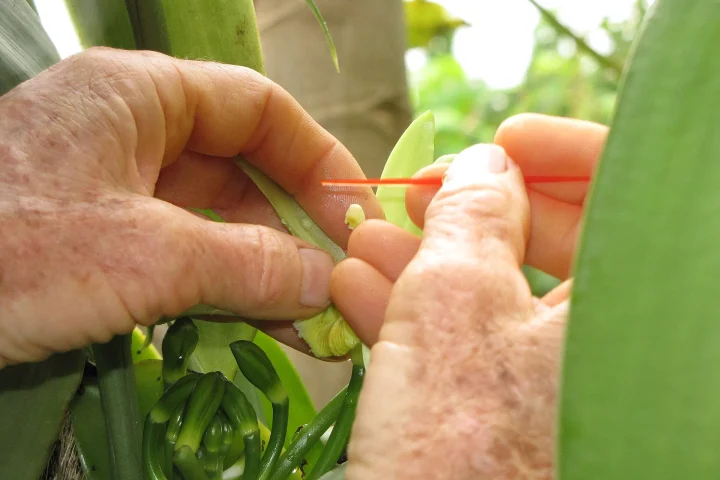
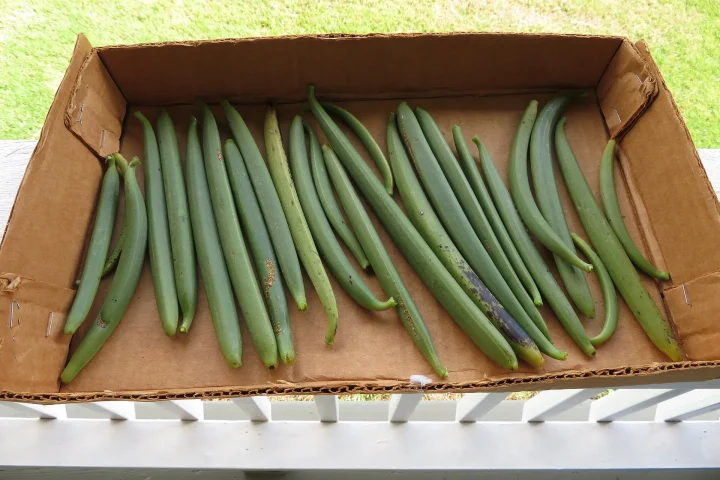
Agronomists guide partner farms on pollination timing, disease prevention and harvest maturity. Underripe or damaged green pods are rejected before curing.
Curing and processing control
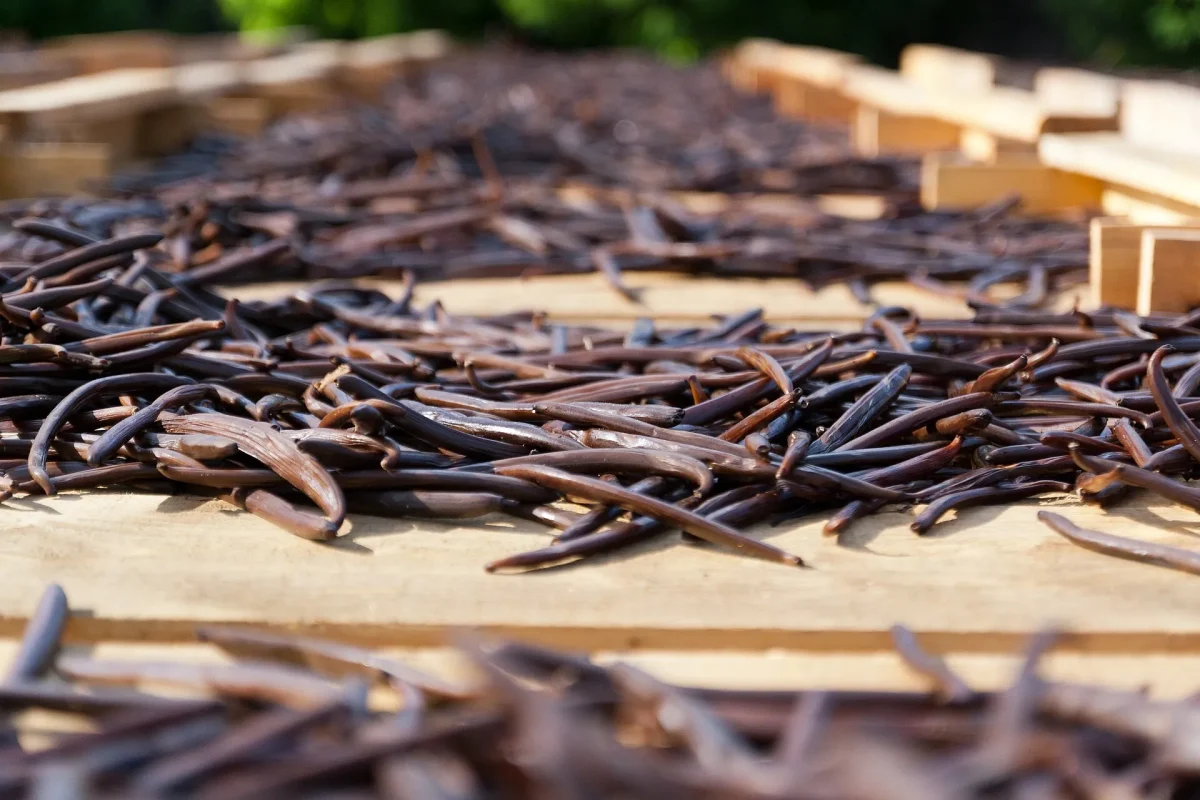
HACCP-aligned SOPs for killing, sweating, drying and conditioning, with temperature, humidity and duration recorded at every stage.
Grading and sorting
Trained sorters check length, colour, moisture feel, flexibility, aroma and defects, classifying beans as Grade A or Grade B. Anything below Grade B is excluded.
Laboratory testing
Moisture, vanillin, microbiological screening, plus heavy metals, pesticide residues and aflatoxins for markets that require them.
Pre-shipment verification
Final visual check, documentation matched to the physical product, vacuum-seal and label checks, and pre-shipment samples for wholesale clients.
Explore Quality & Origin
Quality assurance questions
Can I request pre-shipment samples for approval?
Yes. Wholesale and annual contract clients receive pre-shipment batch samples and COA documentation to approve before the full shipment is prepared. Sample approval typically adds 5–7 days to order processing.
What testing methods do you use for vanillin content?
UV spectrophotometry for routine testing. For premium lots or buyers needing higher precision, HPLC, which also breaks down individual aromatic compounds. The method is stated on the COA.
How do you prevent mould and contamination?
Careful moisture management during curing, inspection during conditioning, humidity-controlled storage, vacuum-sealed packaging and microbiological testing before export. Our documented rejection rate for mould-affected beans is consistently below 1% of total production volume.
What if a shipment does not meet the agreed specifications?
We work with the buyer to resolve it promptly. Options include a replacement shipment, credit toward future orders, or a price adjustment, depending on the nature and extent of the discrepancy.
Request a quote with full documentation
Tell us your grade, volume and destination market — we will include the COA and compliance documents your import requires.