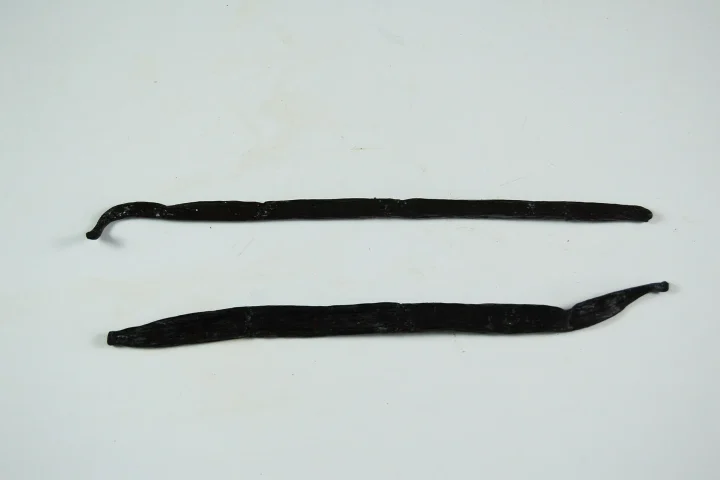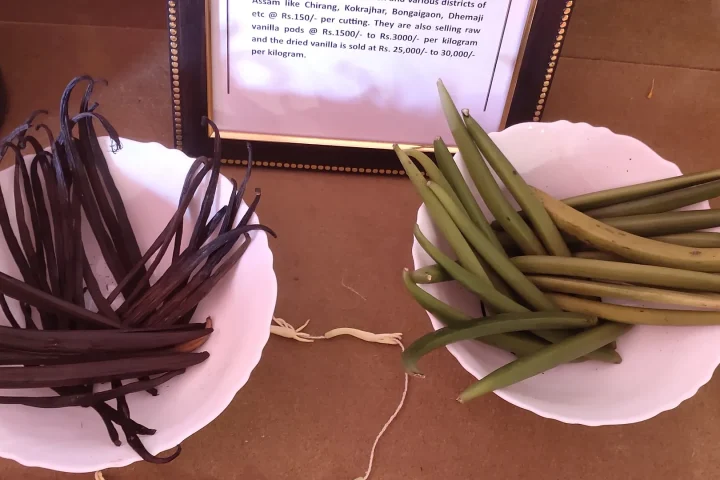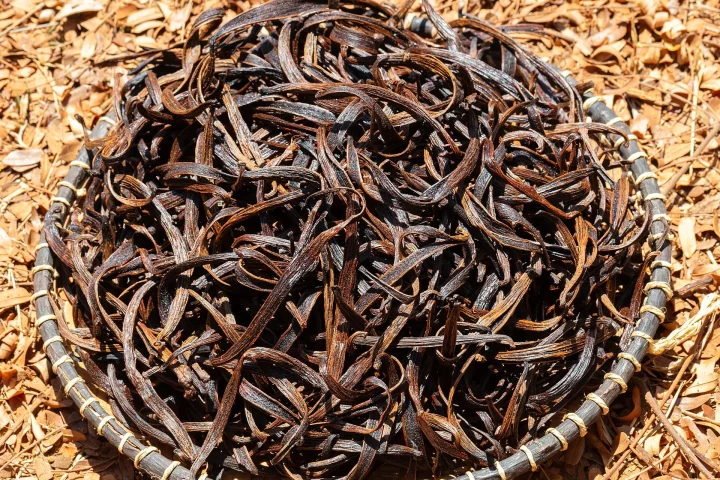
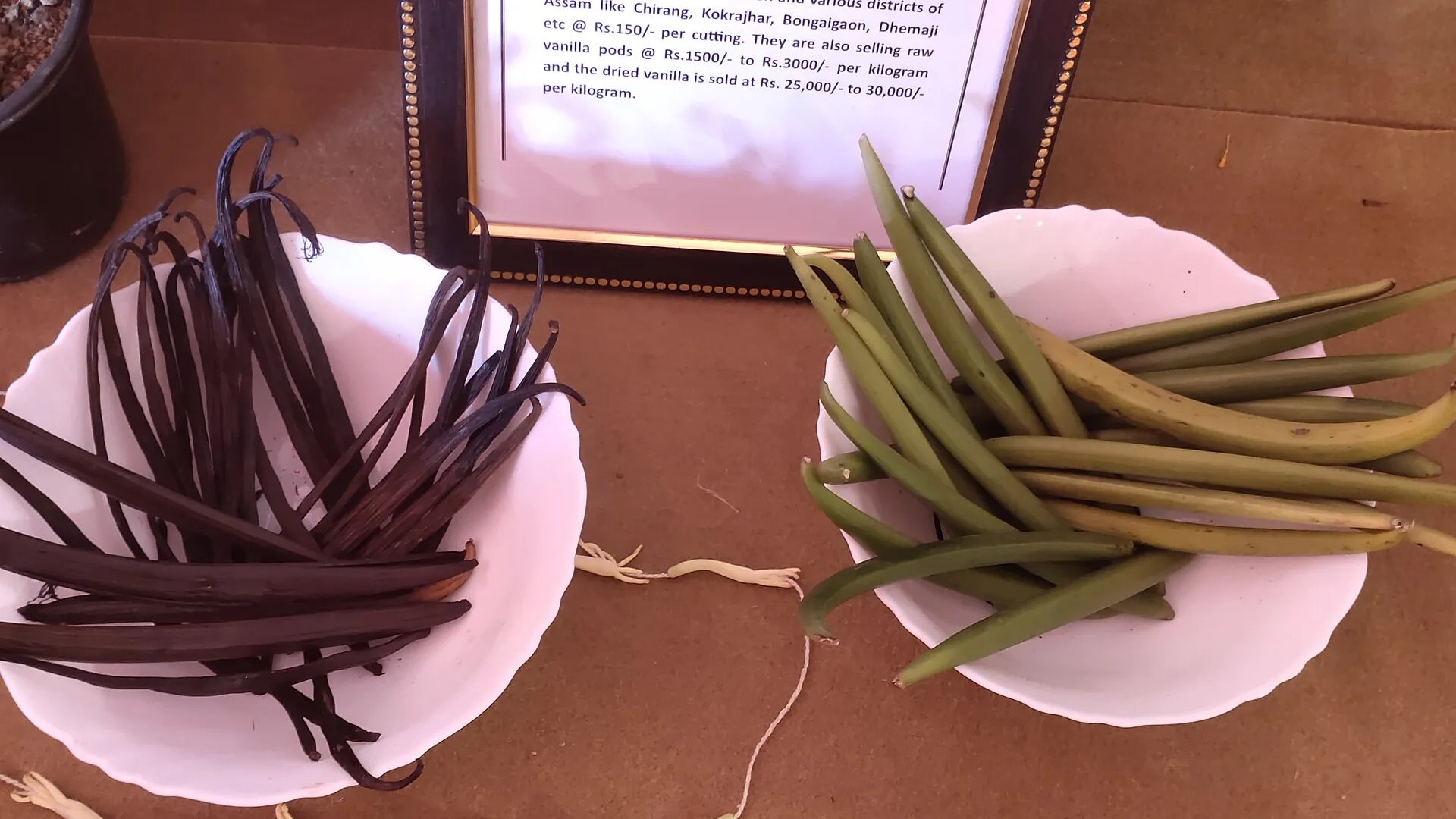
In 2027, Indonesia’s vanilla export sector is projected to sustain a growth trajectory, with market size potentially reaching $110-115 billion USD, building on a 6.50% CAGR from 2025. Export prices for Grade A Planifolia are anticipated to stabilise between $50-100 USD/kg, influenced by consistent global demand and improved supply chain efficiencies.
As 2027 approaches, the Indonesian vanilla export market continues its evolution, shaped by global demand shifts, supply chain resilience, and the consistent quality of its *Planifolia* and *Tahitensis* beans. Following a period of price volatility, the sector is now demonstrating signs of stabilisation, supported by strategic initiatives and a growing global appreciation for Indonesian vanilla’s distinct flavour profile. Bali Vanilla Export, a prominent player, remains at the forefront, adapting to market dynamics and ensuring a steady supply of premium beans.
The 2027 Price Outlook for Indonesian Vanilla Beans
Projecting into 2027, the export price for Indonesian Grade A vanilla beans is expected to find a more consistent range. Drawing from the 2025 export price of $30 – $80 USD/kg for Grade A *Planifolia* from exporters like Bali Vanilla Export, and considering the local market’s ~1.5 million IDR/kg (≈ $95 USD/kg) in 2025, 2027 prices are likely to stabilise. We anticipate Grade A *Planifolia* to command between $50 – $100 USD/kg, with high-vanillin content beans potentially reaching the upper end. This projection accounts for continued demand from the food and beverage industry, as well as cosmetic and pharmaceutical sectors, which value the high vanillin content inherent in Indonesian beans.
The temporary peaks observed in 2025, where prices briefly surged to 9 million IDR/kg (≈ $570 USD/kg) for special demand moments, illustrate the market’s sensitivity to supply disruptions or sudden increases in buyer interest. While such extreme fluctuations are unlikely to be a regular occurrence in 2027, they underscore the premium placed on high-quality, ethically sourced beans during periods of scarcity. Exporters are increasingly focusing on long-term contracts to mitigate price risks and ensure a steady income for farmers, fostering a more predictable market environment.
Market Growth Projections: Sustained Expansion into 2027 and Beyond
The Indonesian vanilla market is poised for significant growth. From an estimated $89.67 billion USD in 2024, the market is projected to reach $132.76 billion USD by 2032, exhibiting a Compound Annual Growth Rate (CAGR) of 6.50% from 2025 to 2032. This robust growth trajectory means that by 2027, the market size is likely to be well into the $100-115 billion USD range, driven by increasing applications across various industries.
An alternative projection places the global vanilla market at $1.20 billion USD by 2030, with a similar CAGR of 6.50% from 2026. While these figures represent different scopes (global vs. Indonesia-specific), they both point towards a healthy expansion. Indonesia, as a major producer, is set to capture a significant portion of this growth, especially with its focus on sustainable farming practices and quality control. The demand for natural vanilla remains strong, as consumers increasingly opt for authentic ingredients over synthetic alternatives.
Key Export Destinations and Trade Dynamics
The United States remains a crucial market for Indonesian vanilla. While exports to the US saw $9.78 million USD in 2023, with a slight decline to $8.25 million USD projected for 2025, this trend does not necessarily indicate a long-term downturn. Rather, it reflects market adjustments and diversification of export destinations. By 2027, we anticipate a stabilisation and potential rebound in US exports as supply chains become more efficient and demand for high-quality natural vanilla persists.
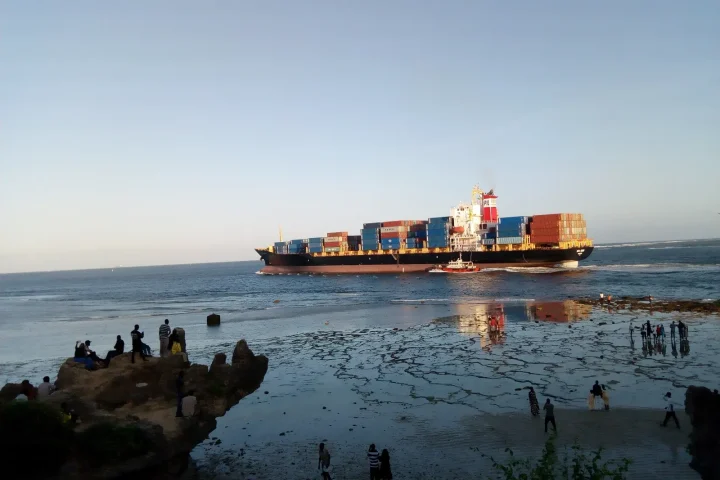
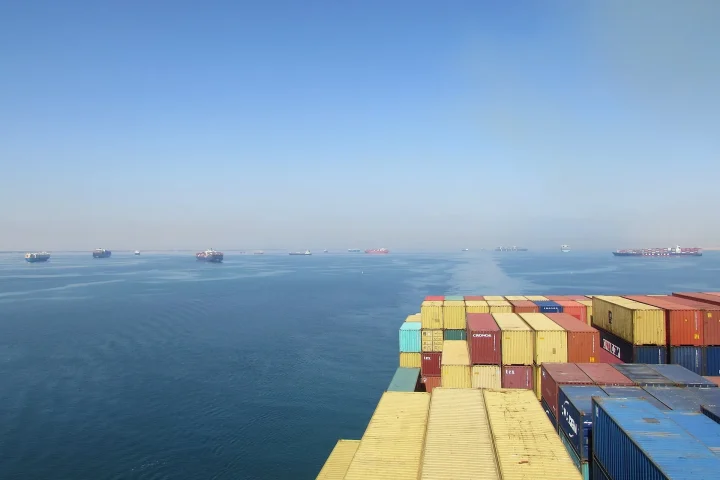
Other significant export markets for Indonesian vanilla include Europe, particularly France and Germany, and increasingly, emerging markets in Asia. The diversification of export partners reduces reliance on a single market, contributing to overall market stability. Efficient logistics and reliable bali customs clearance processes are paramount to maintaining strong trade relationships and ensuring timely delivery of sensitive agricultural products like vanilla beans.
The Role of Bali Vanilla Export in the 2027 Landscape
Bali Vanilla Export continues to play a pivotal role in shaping the Indonesian vanilla market. Their commitment to Grade A *Planifolia* and *Tahitensis* beans, coupled with transparent pricing and direct engagement with farmers, positions them strongly for 2027. The company’s focus on quality assurance, from cultivation to curing, ensures that Indonesia’s vanilla maintains its premium status in the global market. Furthermore, their adaptability to market changes, such as the fluctuating price environment, demonstrates resilience.
In 2027, exporters like Bali Vanilla Export will likely intensify efforts in:
- Sustainable Sourcing: Expanding partnerships with farmers employing eco-friendly cultivation methods.
- Quality Control: Investing in advanced curing and grading technologies to meet stringent international standards.
- Market Diversification: Exploring new markets and strengthening existing relationships beyond traditional buyers.
- Traceability: Implementing robust systems to provide end-to-end traceability, a growing requirement for discerning buyers.
Cultivation and Processing Innovations for 2027
Innovation in cultivation and processing will be central to meeting 2027 demand. Research into more resilient vanilla varieties, improved pollination techniques, and sustainable pest management will continue. Furthermore, advancements in curing processes, potentially involving controlled drying environments and fermentation methods, aim to enhance the flavour profile and extend the shelf life of the beans. These innovations are crucial for maintaining Indonesia’s competitive edge and ensuring a consistent supply of high-quality vanilla.
Market Trends and Consumer Preferences Impacting 2027
Several market trends will influence the Indonesian vanilla export sector in 2027:
| Trend | Impact on 2027 Exports |
|---|---|
| Clean Label Movement | Increased demand for natural vanilla extracts over artificial flavourings. |
| Ethical Sourcing & Sustainability | Greater preference for vanilla beans sourced from verified sustainable and fair-trade farms. |
| Premium Food & Beverage Market | Steady demand from high-end culinary applications, driving prices for superior quality beans. |
| Health & Wellness Sector | Growing use of vanilla in natural health products and nutraceuticals due to its antioxidant properties. |
These trends collectively reinforce the importance of Indonesia’s high-quality natural vanilla beans. As consumers become more informed and discerning, the value placed on authenticity, origin, and sustainable production will only intensify, benefiting producers like Bali Vanilla Export who adhere to these principles.
Q&A: What factors will most influence Indonesian vanilla prices in 2027?
In 2027, Indonesian vanilla prices will be primarily influenced by global supply-demand dynamics, particularly from Madagascar, the leading producer. Climatic conditions in vanilla-growing regions will affect crop yields. Furthermore, the strength of the Indonesian Rupiah against major currencies, logistics costs, and the effectiveness of quality control measures by exporters like Bali Vanilla Export will all play significant roles in determining final export prices.
Q&A: How is Indonesia addressing the challenge of price volatility in the vanilla market by 2027?
By 2027, Indonesia is addressing price volatility through several strategies. These include promoting direct trade relationships between farmers and exporters to reduce intermediaries, encouraging long-term contracts with international buyers to ensure price stability, and investing in farmer training to improve curing techniques and bean quality, which commands higher, more consistent prices. Additionally, government and industry collaborations are exploring market information systems to provide greater transparency and predictability.