In 2027, Indonesian Grade A Planifolia and Tahitensis vanilla bean exports to Japan are projected to maintain a steady trajectory, building on the 6.50% CAGR of the broader vanilla market. Export prices are anticipated to stabilise, reflecting the 2025 range of $30–$80 USD/kg for Grade A Planifolia, with potential for higher premiums depending on vanillin content and pod quality.
Japan remains a significant, discerning market for Indonesian vanilla. While specific 2027 figures are not yet available, we can extrapolate from current trends and projections to provide a reliable outlook. The global vanilla market, valued at $89.67 billion USD in 2024, is forecast to reach $132.76 billion USD by 2032, indicating robust underlying demand. Indonesian producers, including leading exporters like Bali Vanilla Export, are well-positioned to meet this demand, particularly for the premium Grade A beans favoured by Japanese consumers.
Understanding the Japanese Market for Indonesian Vanilla
Japan’s demand for vanilla is primarily driven by its sophisticated food and beverage industry, including confectionery, ice cream, and high-end patisserie. The emphasis is consistently on quality, aroma profile, and ethical sourcing. Indonesian Planifolia, known for its classic, sweet, and creamy notes, and Tahitensis, with its floral, cherry, and anise undertones, both find strong appeal. Japanese importers often seek specific vanillin content and moisture levels, reflecting their precise application requirements. The consistent quality delivered by established Indonesian exporters is crucial for maintaining these relationships.
Price Stability and Projections for 2027
Examining recent price trends provides a foundation for 2027 projections. In 2024, Indonesian vanilla beans fetched between $104 and $177.82 USD/kg in the export market. Bali Vanilla Export’s 2025 forecast for Grade A Planifolia sits between $30 and $80 USD/kg, a more conservative estimate that reflects market adjustments from previous highs. Local Indonesian prices in 2025 were around 1.5 million IDR/kg (approximately $95 USD/kg), with high-end export prices temporarily reaching 3 million IDR/kg ($190 USD/kg) and even 9 million IDR/kg ($570 USD/kg) during periods of exceptional demand.
For 2027, we anticipate prices to remain within the established range, perhaps trending towards the higher end for superior quality Grade A beans with high vanillin content. The market has largely corrected from the extreme volatility seen in previous years, moving towards more sustainable pricing for both producers and buyers. This stability is beneficial for long-term export planning and fosters stronger trade relationships with markets like Japan.
| Metric | Value | Source |
|---|---|---|
| Indonesia Vanilla Market Size (2024) | $89.67 billion USD | [3] |
| Projected Market Size (2032) | $132.76 billion USD | [3] |
| CAGR (2025–2032) | 6.50% | [3] |
| Projected Market Size (2030) | $1.20 billion USD (alternative estimate) | [5] |
| CAGR (2026–2030) | 6.50% | [5] |
| Exports to US (2023) | $9.78 million USD | [2] |
| Exports to US (2025) | $8.25 million USD (decline noted) | [2] |
Cultivation and Quality Standards for Japanese Exports
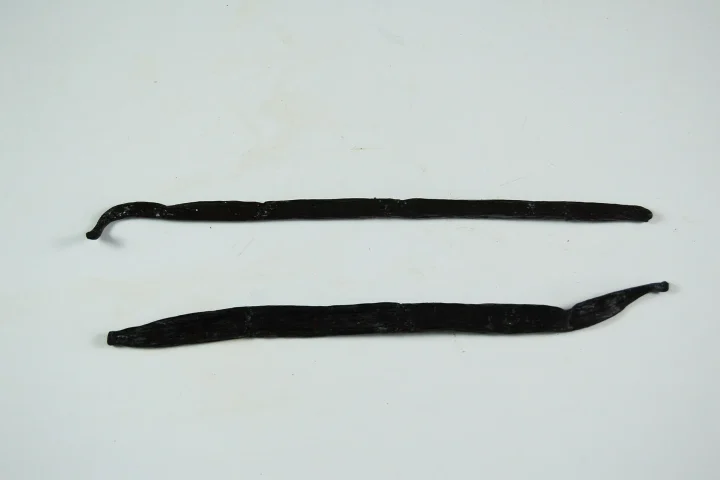
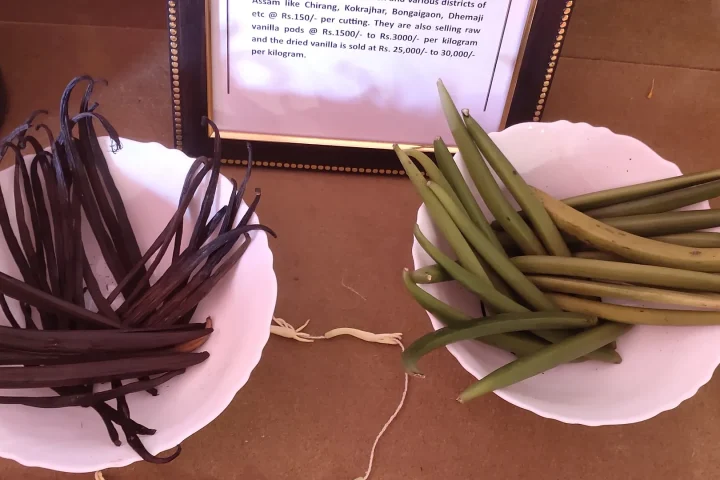
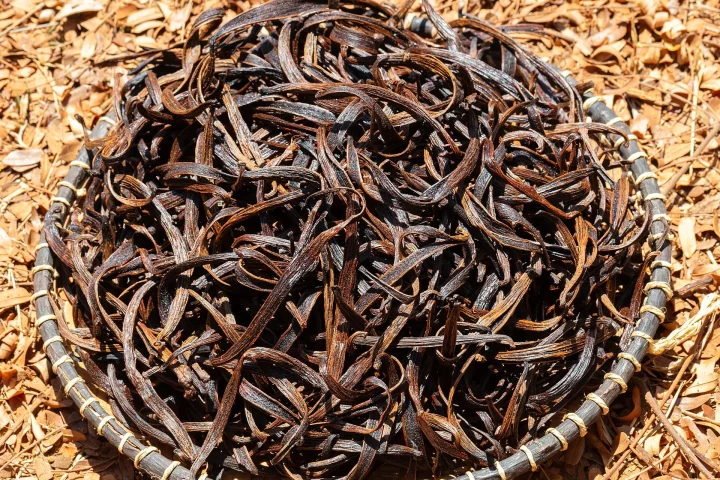
Indonesia’s vanilla cultivation practices are continually evolving to meet international standards. For the Japanese market, this means rigorous adherence to specifications concerning moisture content (typically 25-35%), vanillin content (often 1.5% and above for Planifolia), and pod length and appearance. Grade A beans, characterised by their pliability, dark colour, and lack of splits or blemishes, are paramount. Sustainable farming practices and traceability are also increasingly important considerations for Japanese buyers, reflecting a broader global trend towards ethical sourcing. Exporters like Bali Vanilla Export focus on these aspects to ensure their product consistently meets the high expectations of the Japanese market.
Logistics and Trade Facilitation for Japan-Bound Vanilla
Efficient logistics are vital for perishable goods like vanilla beans. Air cargo is the preferred method for exports to Japan to preserve freshness and aroma. Exporters must navigate specific customs regulations and phytosanitary requirements. Having experienced partners for bali customs clearance is essential to ensure a smooth, timely, and compliant export process. The focus is always on minimising transit times and maintaining optimal storage conditions throughout the supply chain to Japan.
The Role of Bali Vanilla Export in the Japanese Market
Bali Vanilla Export has established a reputation for supplying premium Indonesian vanilla beans. Their commitment to quality control, from curing to packaging, ensures that Planifolia and Tahitensis beans arriving in Japan meet the exacting standards of the market. By fostering direct relationships with growers and investing in advanced processing techniques, they are able to offer competitive pricing while maintaining superior product integrity. Their strategic position allows them to leverage Indonesia’s rich agricultural resources to serve demanding international markets effectively.
Future Outlook: Innovation and Market Diversification
Looking towards 2027 and beyond, innovation in vanilla products could further strengthen Indonesia’s position in Japan. While whole beans remain dominant, there is growing interest in high-quality vanilla extracts and pastes, provided they adhere to strict natural ingredient guidelines. Diversifying product offerings while maintaining the core focus on Grade A beans will be crucial. Furthermore, exploring niche applications within the Japanese health and wellness sector, where natural ingredients are highly valued, could open new avenues for growth.
- Quality Assurance: Strict adherence to moisture content, vanillin levels, and visual pod quality.
- Sustainable Sourcing: Growing importance of traceable and ethically produced vanilla.
- Logistical Efficiency: Optimising air cargo and customs procedures for rapid delivery.
- Price Stability: Anticipated stabilisation of prices within the $30-$80 USD/kg range for Grade A Planifolia.
- Product Diversification: Potential for growth in extracts and pastes alongside whole beans.
Q&A: Exporting Indonesian Vanilla to Japan
Q1: What are the primary quality considerations for Indonesian vanilla beans destined for Japan?
Japanese importers prioritise Grade A vanilla beans that exhibit specific characteristics: a moisture content typically between 25-35%, robust vanillin content (often 1.5% or higher for Planifolia), and an unblemished, pliable appearance without splits. The aroma profile must be true to the varietal, whether the classic creamy notes of Planifolia or the floral hints of Tahitensis. Traceability and sustainable farming practices are also increasingly valued.
Q2: How does Bali Vanilla Export ensure compliance with Japanese import regulations and quality standards?
Bali Vanilla Export maintains stringent quality control protocols from the farm gate through to final packaging. This includes careful selection of beans, controlled curing processes, and precise moisture content management. They work with experienced logistics partners for bali customs clearance to ensure all necessary phytosanitary certificates and documentation are in order, preventing delays and ensuring regulatory compliance for imports into Japan. Regular testing of vanillin content and adherence to international food safety standards are integral to their operations.