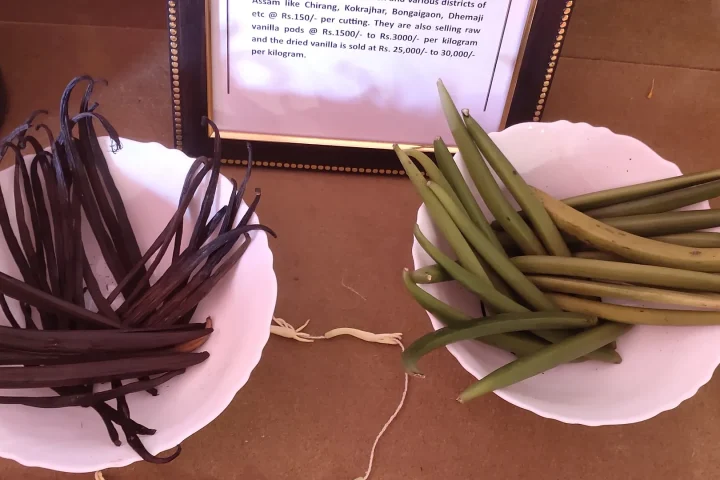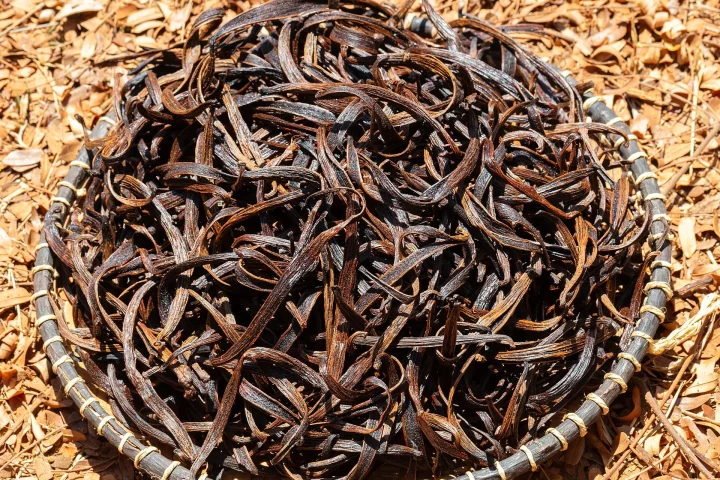
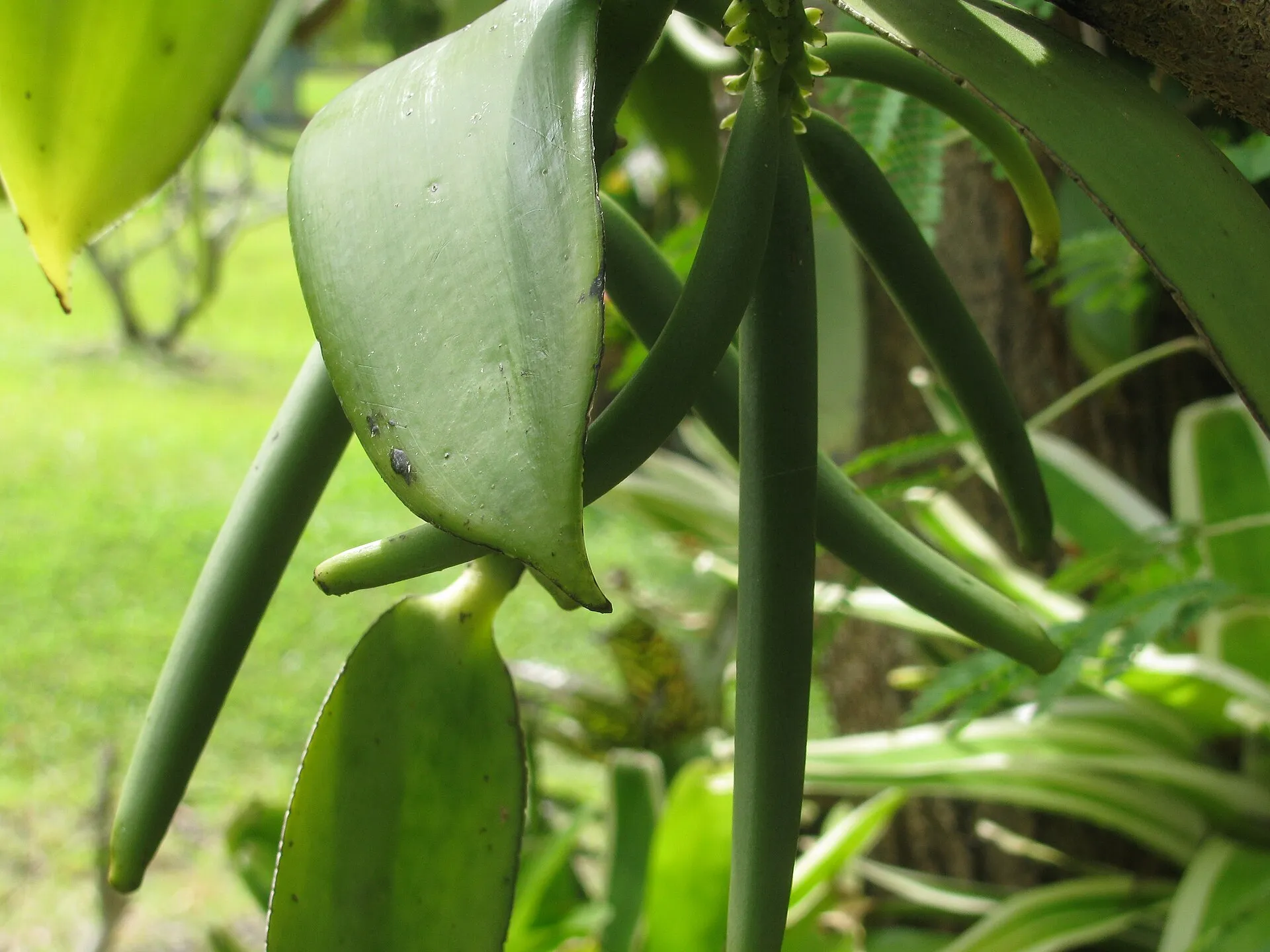
In 2027, the Indonesian vanilla bean export market is projected to continue its steady growth trajectory, influenced by robust global demand for natural vanilla and Indonesia’s increasing capacity as a primary supplier. Prices are anticipated to stabilise within the $80–$150 USD/kg range for Grade A Planifolia, reflecting sustained market expansion and improved supply chain efficiencies.
As we approach 2027, the Indonesian vanilla bean export sector, particularly for Grade A Planifolia and Tahitensis varieties, stands at a pivotal juncture. Following the fluctuations observed in recent years, the market is demonstrating signs of maturing, with a clearer trajectory for supply, demand, and pricing. Bali Vanilla Export remains a key player, contributing significantly to Indonesia’s position as a dominant force in the global natural vanilla market.
Understanding the 2027 Market Dynamics for Indonesian Vanilla
The global vanilla market, valued at approximately $89.67 billion USD in 2024, is projected to reach $132.76 billion USD by 2032, exhibiting a Compound Annual Growth Rate (CAGR) of 6.50% from 2025 to 2032. This substantial growth underscores a sustained demand for natural vanilla across various industries, including food and beverage, cosmetics, and pharmaceuticals. Indonesia, as a leading producer, is well-positioned to capitalise on this expansion.
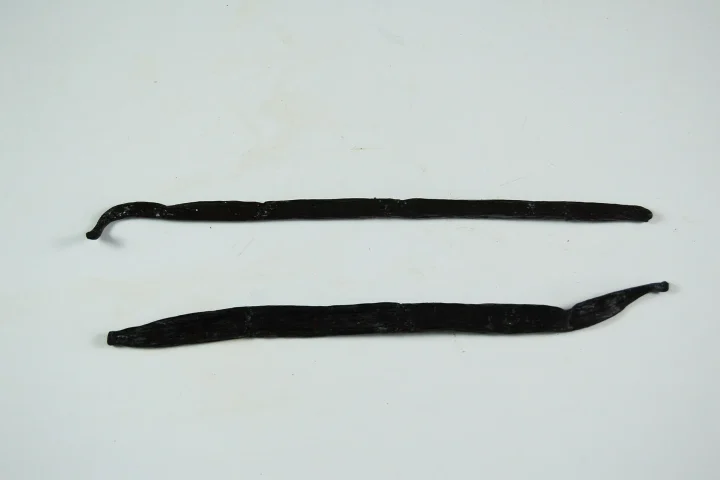
For 2027, we anticipate a continued emphasis on quality and sustainable sourcing. Buyers are increasingly discerning, seeking beans with specific vanillin content and moisture profiles. Bali Vanilla Export’s focus on Grade A beans, characterised by their rich aroma and high vanillin percentages, directly addresses these market requirements. The consistent quality assurance processes implemented by Indonesian exporters are crucial for maintaining market share against international competitors.
Price Projections and Stability in 2027
Analysing the price trends from 2024 and 2025 provides a solid basis for 2027 projections. In 2024, export prices for Indonesian vanilla beans ranged from $104 to $177.82 USD/kg. While 2025 saw some specific offerings from Bali Vanilla Export at $30–$80 USD/kg for Grade A Planifolia, this range reflects variations based on vanillin content, pod quality, and specific contract terms. Local market prices in Indonesia hovered around 1.5 million IDR/kg (approximately $95 USD/kg) in 2025, with high-end export prices temporarily reaching 3 million IDR/kg (around $190 USD/kg) during periods of heightened demand.
For 2027, it is reasonable to project a stabilisation of prices for Grade A Indonesian vanilla beans within the $80–$150 USD/kg range. This projection considers the overall market growth, the anticipated increase in supply from improved agricultural practices, and a more balanced demand landscape. While temporary spikes due to unforeseen supply chain disruptions or specific high-volume orders cannot be entirely ruled out, the general trend points towards more predictable pricing, which benefits both producers and international buyers.
Key Export Destinations and Market Shifts
The United States remains a primary destination for Indonesian vanilla beans. In 2023, exports to the US amounted to $9.78 million USD, though a slight decline to $8.25 million USD was noted for 2025. This fluctuation may indicate a diversification of export markets or a temporary adjustment in US inventory levels rather than a fundamental drop in demand. European markets, particularly Germany, France, and the Netherlands, also represent significant import regions, driven by their robust food and flavour industries.
We expect Bali Vanilla Export and other major Indonesian exporters to continue strengthening their relationships with buyers in these established markets, while also exploring emerging markets in Asia and the Middle East. The ability to navigate complex international trade regulations and efficient bali customs clearance processes will be paramount for securing and expanding market share in 2027.
Sustainability and Quality Control: Driving Factors for 2027 and Beyond
Sustainability is no longer a niche concern but a fundamental expectation in the global vanilla trade. Consumers and industrial buyers alike are demanding ethically sourced and environmentally responsible products. Indonesian vanilla farmers and exporters are increasingly adopting sustainable farming practices, including organic cultivation and fair trade principles. These initiatives not only enhance the reputation of Indonesian vanilla but also contribute to the long-term viability of the industry.
Quality control remains non-negotiable. For Grade A Planifolia and Tahitensis beans, strict adherence to specifications regarding moisture content (typically 25-35%), vanillin content (often 1.5-2.5% for *Planifolia*), and pod length is essential. Exporters like Bali Vanilla Export invest in rigorous drying, curing, and grading processes to ensure that every shipment meets international standards, thereby reinforcing buyer confidence and securing repeat business.
Technological Advancements and Supply Chain Efficiency
The vanilla export sector is increasingly leveraging technology to enhance efficiency and transparency. From blockchain-enabled traceability systems that allow buyers to track the origin of their beans to advanced drying technologies that optimise the curing process, innovation is playing a crucial role. In 2027, we anticipate a wider adoption of these technologies, leading to a more streamlined and responsive supply chain.
Improved logistics and cold chain management are also vital. Ensuring that vanilla beans maintain their quality during transit, especially over long distances, requires sophisticated packaging and transportation solutions. The commitment to these operational improvements will solidify Indonesia’s position as a reliable and efficient supplier of premium vanilla beans.
Outlook for Bali Vanilla Export in 2027
Bali Vanilla Export is poised for continued success in 2027 by maintaining its focus on high-quality Grade A Planifolia and Tahitensis beans. The company’s established relationships with local farmers, coupled with its adherence to international export standards, provide a strong foundation. The projected market growth and stabilisation of prices offer a favourable environment for expansion. By continuing to prioritise quality, sustainability, and efficient logistics, Bali Vanilla Export will undoubtedly reinforce its standing as a leading Indonesian vanilla exporter.
- Continued growth in global demand for natural vanilla.
- Price stabilisation for Grade A Indonesian vanilla beans within the $80–$150 USD/kg range.
- Strong export volumes to established markets like the US and Europe.
- Increased focus on sustainable and ethical sourcing practices.
- Adoption of technology for enhanced traceability and supply chain efficiency.
| Metric | Value (2024-2032) | Implication for 2027 |
|---|---|---|
| Indonesia Vanilla Market Size (2024) | $89.67 billion USD | Strong baseline for sustained growth. |
| Projected Market Size (2032) | $132.76 billion USD | Indicates robust long-term demand. |
| CAGR (2025–2032) | 6.50% | Steady annual growth expected. |
| Export Price Range (2024) | $104 – $177.82 USD/kg | Reference for price stability projections. |
| Projected Price (Grade A, 2027) | $80 – $150 USD/kg | Anticipated stable range for premium beans. |
What factors will primarily influence Indonesian vanilla bean prices in 2027?
In 2027, Indonesian vanilla bean prices will primarily be influenced by the balance between global demand for natural vanilla and the stability of supply from major producing regions, including Indonesia. Key factors include the success of agricultural yields, the effectiveness of curing processes, global economic conditions impacting buyer purchasing power, and the continued adoption of sustainable farming practices which can influence premium pricing.
How is Bali Vanilla Export preparing for the 2027 market?
Bali Vanilla Export is preparing for the 2027 market by strengthening its direct relationships with local farmers to ensure consistent supply and quality control. The company is focusing on meticulous processing of Grade A Planifolia and Tahitensis beans, adhering to international standards for moisture and vanillin content. Furthermore, they are optimising logistics and exploring sustainable certifications to meet evolving buyer expectations and maintain competitive pricing.