Vanilla Extract Manufacturing: Sourcing the Right Beans for Production Success
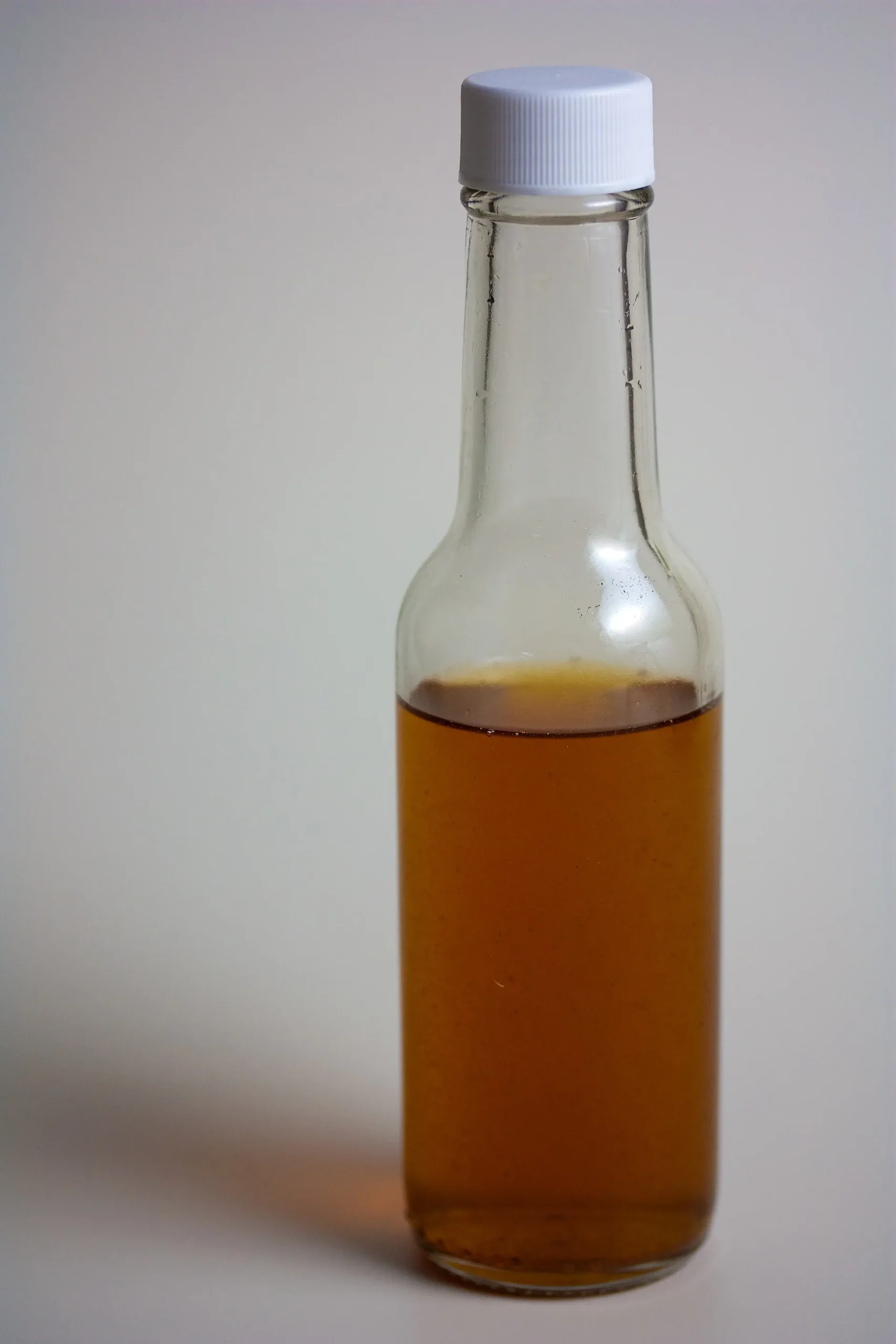
Vanilla extract manufacturing represents one of the largest consumption segments for vanilla beans globally, accounting for approximately 40-50% of total vanilla bean demand. Whether you operate a boutique extract company, manage flavoring operations for a food conglomerate, or are launching a new premium vanilla extract brand, sourcing the optimal raw vanilla beans is the single most important factor determining your end product quality and profitability.
Indonesia has become the preferred sourcing origin for many extract manufacturers due to the compelling combination of competitive Grade B pricing, rich flavor compound concentration, consistent year-round availability, and the distinctive deep flavor profile that Indonesian Planifolia vanilla contributes to finished extracts.
Understanding Vanilla Bean Requirements for Extract Production
Vanilla extract production standards are defined by regulatory frameworks in major markets. The US FDA (21 CFR 169) defines vanilla extract as containing a minimum of 13.35 ounces of vanilla beans (moisture content not exceeding 25%) per gallon of finished extract, with at least 35% alcohol (ethanol) content. European regulations and Codex Alimentarius standards establish similar requirements with slight variations in bean-to-extract ratios.
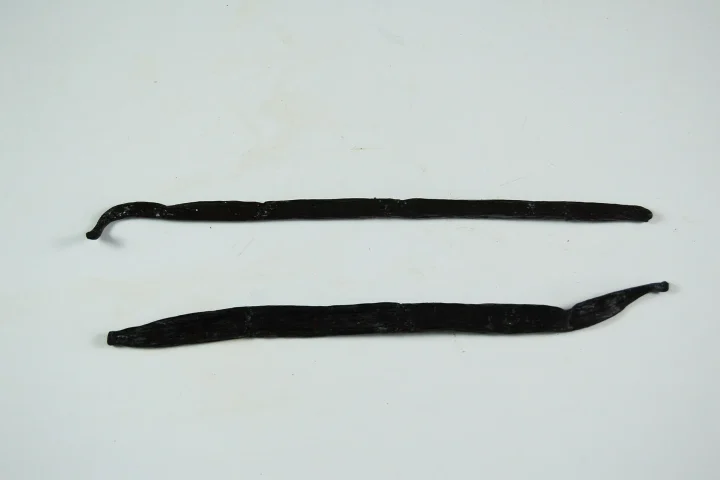
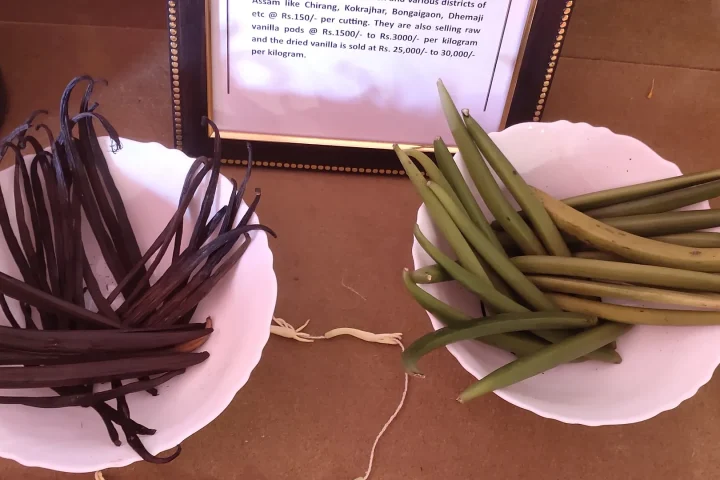
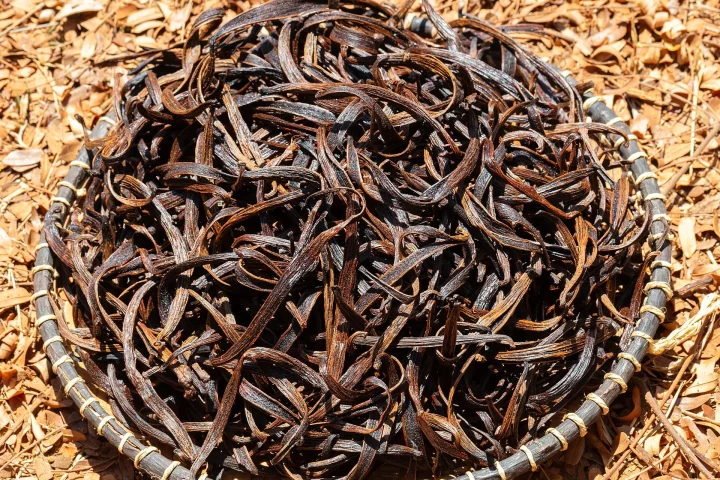
These regulatory specifications directly influence bean sourcing decisions. For extract manufacturing, Grade B vanilla beans (also called extraction-grade or cut beans) offer the optimal cost-to-quality ratio. Grade B beans feature 15-25% moisture content, may include splits, cosmetically imperfect beans, or beans shorter than Grade A specifications — none of which affect flavor compound extraction efficiency.
The key quality parameters for extract-grade vanilla beans are vanillin content (target: 1.6-2.0% minimum), total flavor compound profile (over 200 identified compounds contributing to complete vanilla flavor), moisture content consistency (critical for calculating extraction ratios), and absence of mold, off-odors, or contamination.
Why Indonesian Vanilla Beans Excel for Extract Manufacturing
Indonesian Planifolia vanilla beans deliver distinctive flavor advantages in extract production. The characteristic deep, smoky, chocolate notes and earthy complexity of Indonesian vanilla create extracts with exceptional depth of flavor that performs superbly in baked goods, chocolate products, ice cream bases, and savory applications where vanilla complexity enhances overall flavor perception.
From a manufacturing economics perspective, Indonesian Grade B vanilla beans offer 15-30% cost savings compared to Madagascar extract-grade beans while delivering comparable or superior vanillin content. For extract manufacturers processing 500-5,000kg of beans annually, this differential translates to significant raw material cost reduction without compromising extract quality.
Indonesian vanilla’s higher lipid content compared to other origins contributes additional flavor complexity through lipid-soluble compounds that extract efficiently in ethanol. These lipid-derived flavors provide the rich, full-bodied mouthfeel that consumers associate with premium vanilla extract — a quality marker that differentiates artisan extracts from commodity products.
Extraction Methods and Bean Selection
The two primary extraction methods — traditional maceration and modern percolation — each have specific bean preparation requirements. Traditional maceration involves soaking chopped or split vanilla beans in ethanol solution for 30-90 days with periodic agitation. This method benefits from Indonesian Grade B whole beans that can be split and chopped on-site, maximizing flavor extraction surface area.
Percolation extraction circulates ethanol solution through packed beds of vanilla bean material, typically achieving faster extraction times of 48-72 hours. This method works optimally with uniformly chopped bean pieces, and Grade B Indonesian beans with their slightly lower moisture content percolate more efficiently than high-moisture Grade A beans.
Some manufacturers are adopting hybrid approaches, combining an initial maceration phase for complex flavor development with percolation finishing for complete extraction efficiency. Indonesian vanilla’s robust flavor compound profile responds well to both methods, producing extracts with excellent flavor intensity and complexity.
Quality Control in Extract-Grade Vanilla Procurement
Extract manufacturers should establish incoming raw material quality specifications including vanillin content minimum (1.6% for standard, 1.8% for premium extract), moisture content range (target 18-25% for optimal extraction), microbiological limits (total plate count below 10,000 CFU/g, no pathogen detection), foreign material maximum (0.1%), and organoleptic evaluation (characteristic vanilla aroma, no off-notes).
Pre-shipment sampling and testing ensures incoming beans meet specifications before shipment authorization. Professional Indonesian exporters like Bali Vanilla Export provide pre-shipment samples with accompanying laboratory analysis for buyer approval, reducing the risk of receiving out-of-specification material that could compromise extract batch quality.
Supply Chain Planning for Extract Manufacturers
Consistent vanilla extract production requires proactive supply chain management. Indonesian vanilla harvest season runs from May to August, with cured beans typically available for export from September through the following year. Extract manufacturers should plan annual procurement calendars aligned with harvest cycles, placing forward orders 2-3 months before needed delivery dates.
Bean inventory management is critical — properly stored vanilla beans maintain quality for 18-24 months, allowing manufacturers to build strategic inventory during favorable pricing periods. A recommended approach involves maintaining 3-6 months of production inventory, with annual supply agreements providing price certainty and supply priority.
Frequently Asked Questions
What grade of vanilla beans is best for extract manufacturing?
Grade B (extraction-grade) vanilla beans offer the best value for extract production. They deliver equivalent flavor compound extraction as Grade A beans at 30-50% lower cost. Grade B beans have lower moisture content (15-25%), which actually improves extraction efficiency per kilogram of raw material.
How many kilograms of vanilla beans do I need per liter of extract?
US FDA standards require approximately 100 grams of vanilla beans (at 25% moisture or less) per liter of single-fold extract. For double-fold extract, approximately 200g/liter is required. Indonesian Grade B beans at 18-22% moisture provide slightly higher extraction yield per kilogram compared to higher-moisture beans.
What is the shelf life of vanilla beans for extract production?
Properly stored vanilla beans maintain extract-grade quality for 18-24 months. Store in airtight containers at 15-20°C, 60-70% relative humidity, away from light and odors. Vacuum-sealed beans can maintain quality up to 36 months. Older beans may require slightly longer extraction times but still produce quality extract.
Can I blend Indonesian and Madagascar vanilla for extract production?
Yes, many premium extract manufacturers blend Indonesian and Madagascar vanilla to create proprietary flavor profiles that combine the smoky depth of Indonesian beans with the creamy sweetness of Madagascar Bourbon vanilla. Common blend ratios range from 50/50 to 70/30 Indonesian-to-Madagascar, depending on target flavor profile.
What documentation do I need from my vanilla bean supplier for FDA compliance?
For FDA-compliant extract manufacturing, request Certificate of Analysis (moisture, vanillin content, microbiology), Certificate of Origin, food safety compliance documentation (HACCP, FSMA), allergen declaration, and lot traceability records. Organic extracts additionally require organic transaction certificates from the bean supplier.