Direct Farm Vanilla vs Broker Supply

Sourcing vanilla direct from farm-level partners versus through a broker changes three things most for a B2B buyer: traceability of the material, control over quality checks before shipment, and how pricing is negotiated and confirmed. Neither route is automatically superior — direct sourcing generally offers more transparency but requires more buyer-side coordination, while broker supply can be faster to access but often means less visibility into exactly which farms or curing processes produced the beans in your shipment.

What Does “Direct Farm” Sourcing Actually Mean in Bali?

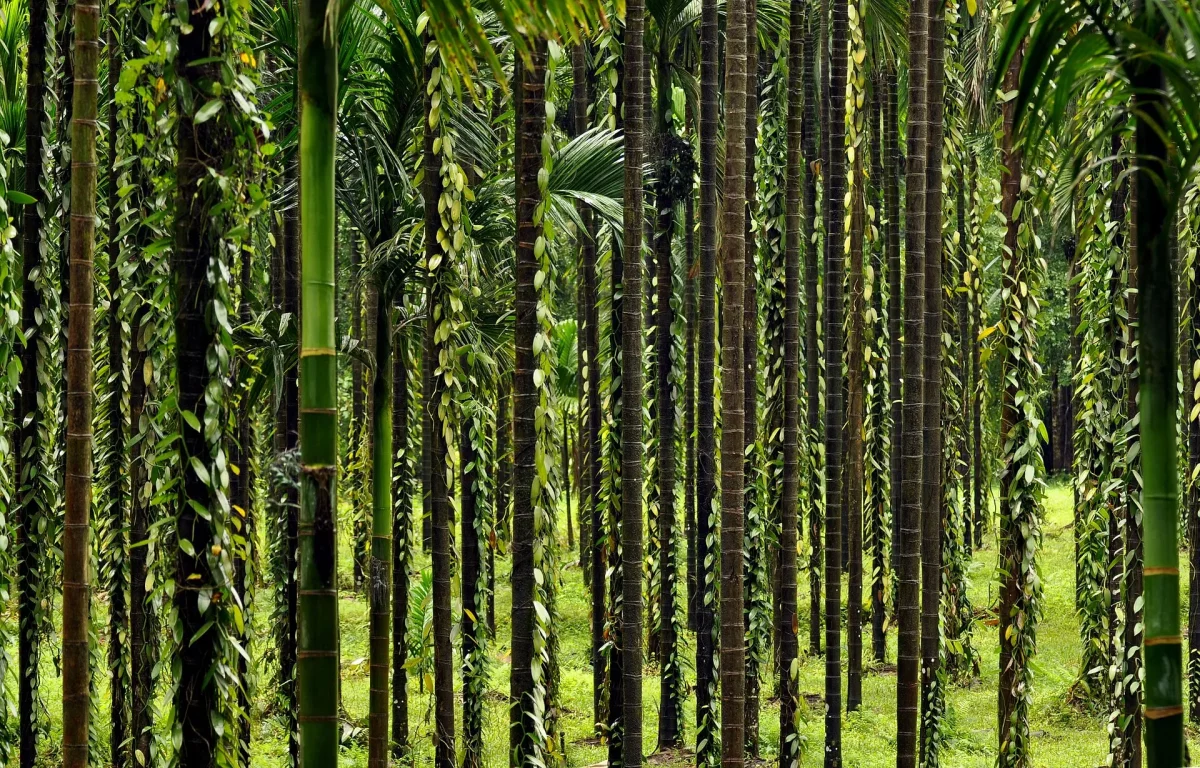
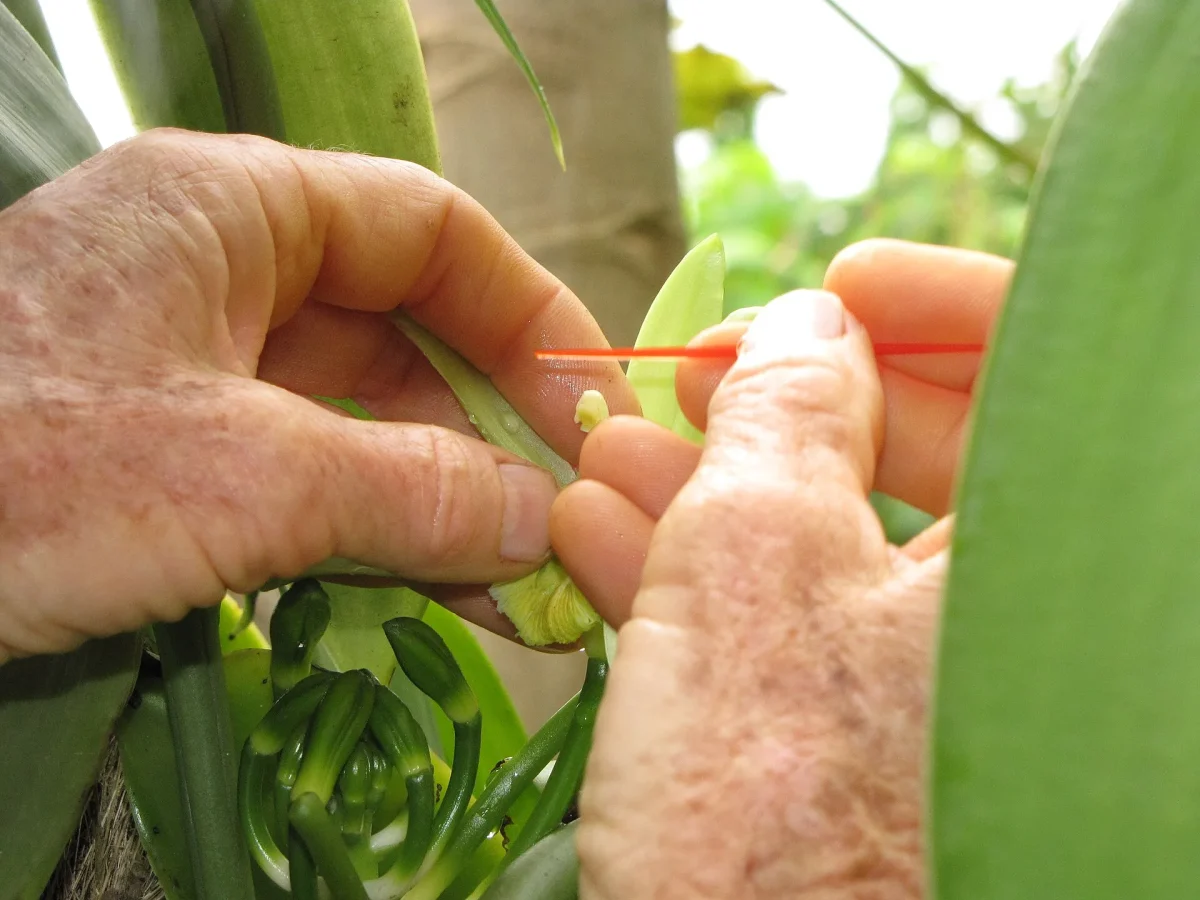
Direct farm sourcing means working with an exporter who maintains an ongoing relationship with specific growers or grower groups, tracks which farms or regions beans originate from, and can trace a shipment back through curing and handling. This does not mean every kilogram comes from a single named farm — vanili is typically aggregated from multiple smallholder growers working with the same curing partner — but it does mean the exporter can document origin at a meaningful level and apply consistent grading and moisture standards across the supply base they manage.

How Broker Supply Differs

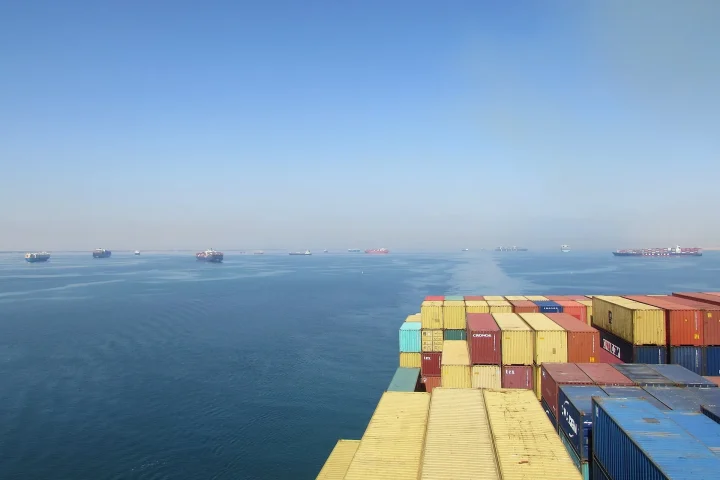
Brokers typically aggregate vanilla from multiple sources, sometimes across different regions or even different processing standards, and resell based on grade specification rather than origin story. This can be a practical option for buyers who need volume flexibility and are less concerned with farm-level traceability, but it does introduce more variability batch to batch, and less ability to trace a quality issue back to its source if one arises.

How Does This Affect Quality Control?

  • Direct sourcing: the exporter can apply a consistent internal grading and moisture-check process before beans are pooled for export, and can usually explain curing methodology in detail
  • Broker sourcing: QC typically happens at the point of aggregation or resale, which means the buyer is relying more heavily on the broker’s own testing and documentation rather than farm-level process knowledge
  • Either route: buyers should request a sample and, where needed, third-party lab verification before committing to a full order, regardless of sourcing model

Pricing and Risk Considerations

Direct sourcing can sometimes reduce intermediary markups, but it does not exempt buyers from vanilla’s underlying price volatility — global market conditions and harvest outcomes affect pricing regardless of how many parties sit between the farm and the buyer. Broker supply can offer faster access to volume during tight-supply periods, since brokers often hold aggregated stock, but that convenience should be weighed against reduced traceability. In both cases, we recommend buyers get pricing and specification confirmed in writing for the specific order rather than relying on informal market chatter.

FactorDirect Farm SourcingBroker Supply
TraceabilityHigher — origin and curing partner knownLower — often aggregated across sources
Volume flexibilityDepends on grower network capacityOften faster access to larger volumes
QC consistencyManaged directly by exporterRelies on broker’s own verification
Best suited forBuyers prioritizing traceability, ethical sourcing claimsBuyers prioritizing speed and volume flexibility

What Bali’s Grower Landscape Looks Like

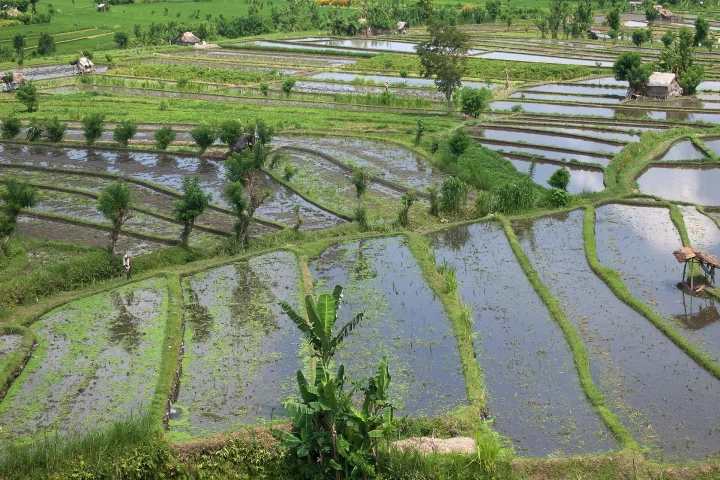
Bali’s vanilla production is largely smallholder-based, similar to much of Indonesia’s vanilla sector across Java, Sulawesi, and Papua. This makes true single-farm exclusivity uncommon at export scale — most credible “direct farm” claims in Bali actually describe a managed network of growers working under one exporter’s grading and curing oversight, rather than a single plantation. Buyers evaluating supplier claims should ask specifically how traceability is documented, rather than accepting the term “direct” at face value.

For buyers who want to understand how ethical and traceable sourcing is structured in more depth, see our page on ethical vanilla farmer partnerships in Bali for 2027, and our overview of vanilla traceability and QR-based technology as of 2027. You can also review feedback from other importers on our testimonials and importer reviews page.

Choosing the Right Model for Your Business

If traceability and farm-level relationships matter to your brand story or your compliance requirements, direct sourcing is worth the extra coordination. If your priority is consistent volume access with less operational overhead, a well-vetted broker relationship can work — provided you still verify documentation independently. We can walk you through how our own sourcing network is structured so you can decide which model fits your procurement needs.

Can a Buyer Combine Both Models?

Yes — many established B2B buyers use a hybrid approach: a core direct-sourced relationship for their primary volume and quality-critical applications, supplemented by broker-sourced volume during periods of unusually high demand or when a direct partner’s capacity is temporarily constrained. This hybrid model offers resilience against supply disruption while still maintaining a traceable primary supply chain for the bulk of a buyer’s needs.

What Questions Reveal Whether a “Direct” Claim Is Credible?

  • Can the supplier name the specific region or grower group the beans came from, beyond a general country or island name?
  • Can the supplier explain the curing method applied, including approximate timeline from harvest to export-ready?
  • Is the supplier willing to share documentation connecting a specific shipment back to its sourcing group?
  • Does pricing reflect a coherent story consistent with direct sourcing, or does it look more like aggregated market-rate pricing?

How This Plays Out for Buyers New to Indonesian Vanilla

Buyers new to sourcing from Indonesia sometimes assume “direct from farm” automatically means better quality, when in practice quality is determined more by curing skill and QC discipline than by the number of intermediaries involved. A well-managed broker relationship with strong QC can outperform a poorly managed direct relationship, and vice versa. We encourage buyers to evaluate documented process and sample quality first, and treat sourcing model as a secondary factor tied more to traceability preference than to guaranteed quality outcome.

To see how we document our own sourcing network, review our about page and our private label vanilla bean sourcing page, which outlines how we structure supply for buyers who need consistent, traceable volume over time.

Ready to Request a Written Quote?

Specifications, sampling terms, and pricing for your shipment are confirmed in writing by our desk once we understand your grade, volume, and destination port. Message our export desk on WhatsApp at +62 811-3941-4563 or email [email protected] to start a written enquiry.

Chat with us
Scroll to Top
Request Quote WhatsApp