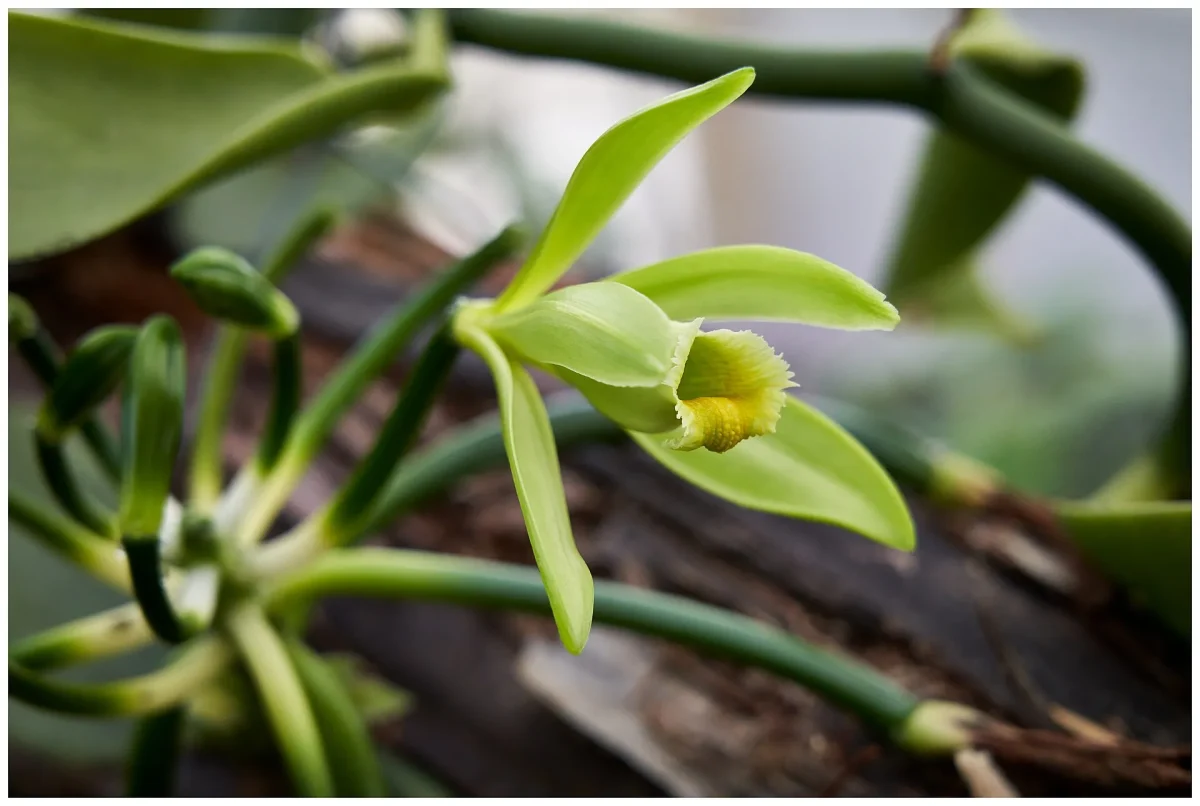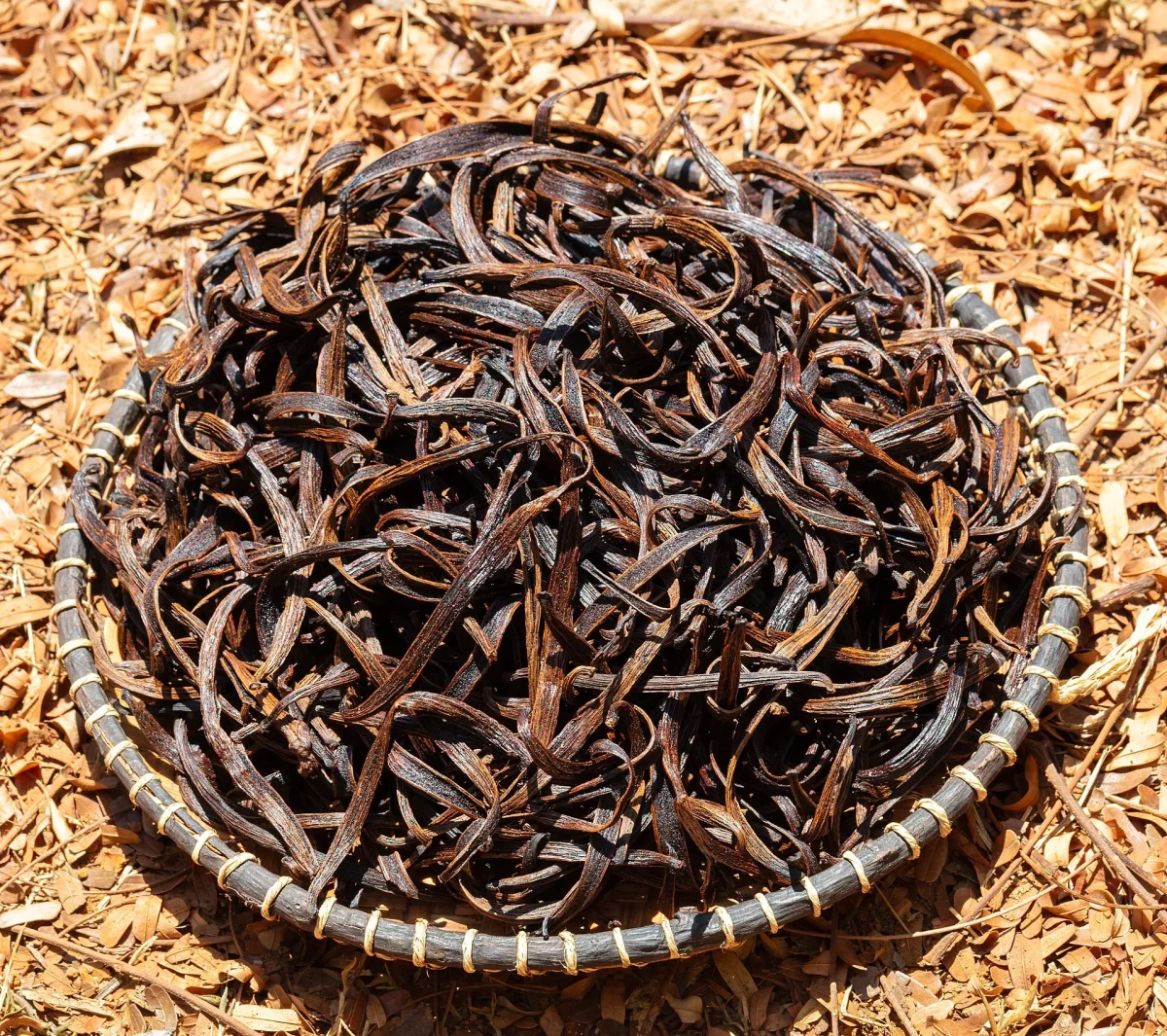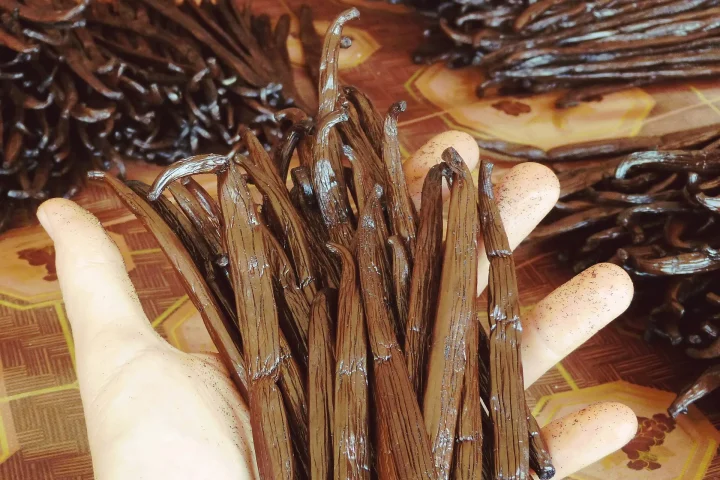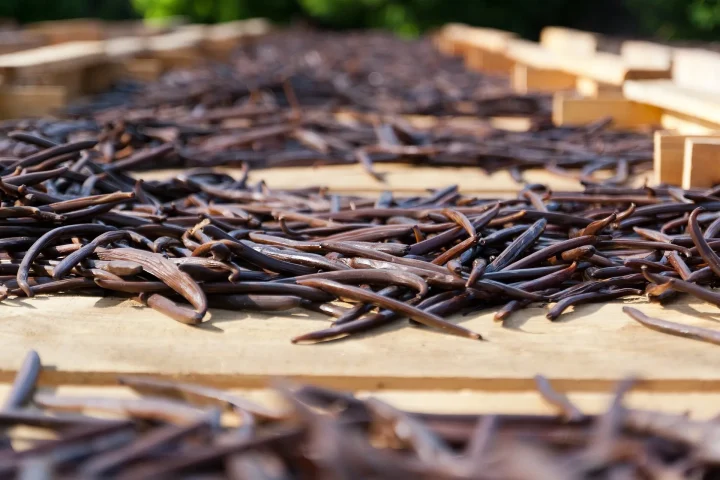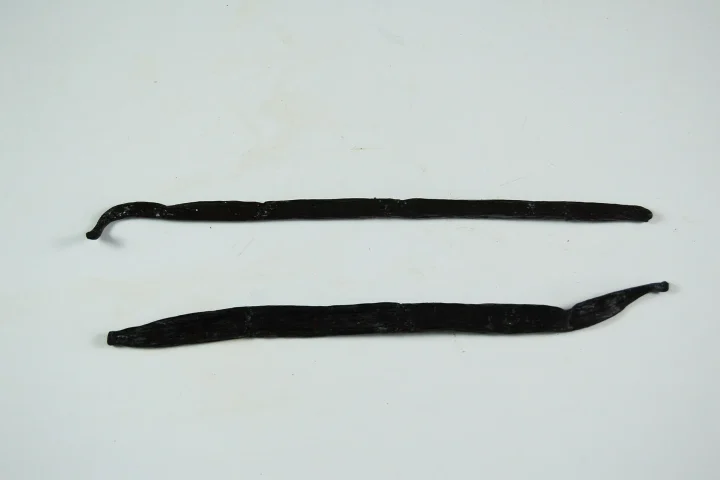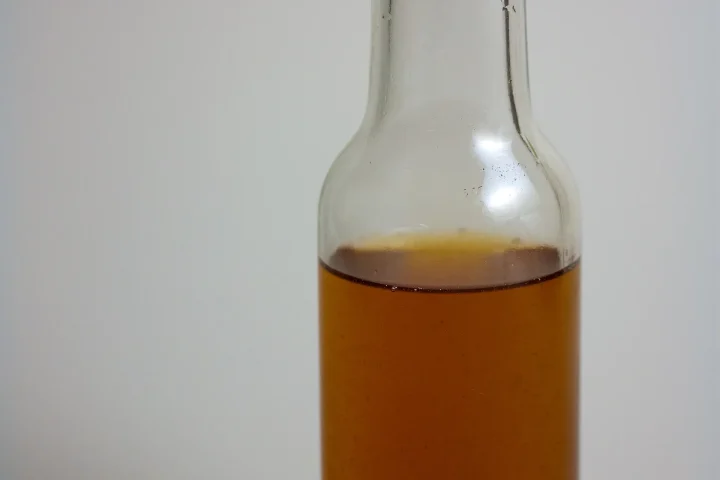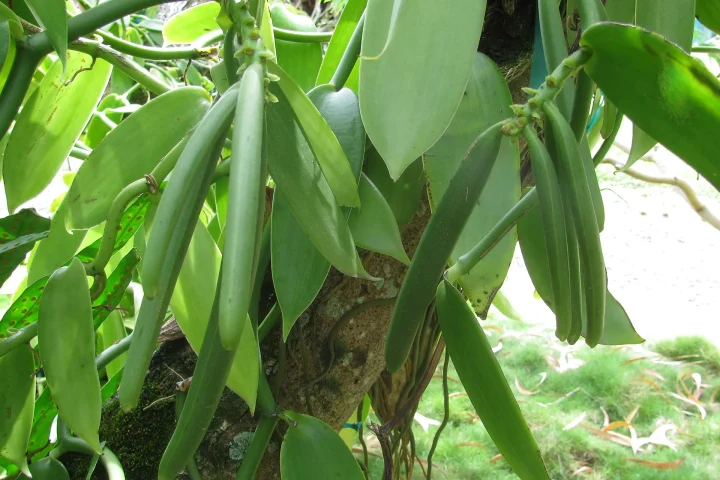
Natural vanilla and artificial (synthetic) vanilla differ in origin, chemistry, and how they can legally be labelled — and for industrial buyers, that difference shows up directly in sensory outcome, regulatory compliance, and supply risk. Natural vanilla is derived from cured Vanilla planifolia pods, while artificial vanilla is typically synthetic vanillin manufactured from petrochemical or lignin feedstocks. As of 2027, the gap between the two remains wide enough that most premium food, beverage, and fragrance brands treat the choice as a formulation decision, not just a cost line.
What Actually Separates Natural Vanilla from Artificial Vanillin?
Natural vanilla bean extract contains hundreds of aromatic compounds beyond vanillin itself — including p-hydroxybenzaldehyde and other trace phenolics that contribute roundness, warmth, and complexity. Synthetic vanillin isolates a single molecule, which can taste flatter and more one-dimensional in finished products, particularly in dairy, chocolate, and fine bakery applications where the flavor profile is a core differentiator. Manufacturers producing “natural flavor” or “made with real vanilla” claims are generally required to use extract or bean-derived material rather than synthetic vanillin to remain compliant with labelling regulations in most export markets.
Labelling and Regulatory Considerations
Regulatory definitions vary by destination market (EU, US, Japan, and others each apply their own standards for what qualifies as “natural”), so buyers formulating for multiple markets should confirm labelling requirements with their own regulatory or legal team before finalizing a sourcing decision. Our desk can share specification sheets and documentation to support that internal review, but final labelling compliance sits with the buyer’s regulatory function.
Why Do Buyers Still Choose Synthetic Vanillin?
Cost and supply consistency are the main drivers. Natural vanilla is an agricultural commodity subject to weather, pest pressure, and curing time, which makes pricing and availability inherently more volatile than a synthesized ingredient produced at industrial scale. For high-volume, price-sensitive applications — mass-market confectionery, for example — synthetic vanillin can offer a stable cost base that natural vanilla cannot always match season to season.
Where Natural Vanilla Retains a Clear Advantage
- Premium ice cream, gelato, and dairy where mouthfeel and aromatic complexity are marketed features
- Artisan bakery and chocolate where “natural” or clean-label claims support brand positioning
- Beverage categories (craft spirits, specialty coffee drinks, premium soft drinks) targeting quality-conscious consumers
- Fragrance and cosmetic applications seeking a fuller olfactory profile than isolated vanillin provides
How Does Indonesian Origin Fit Into This Decision?
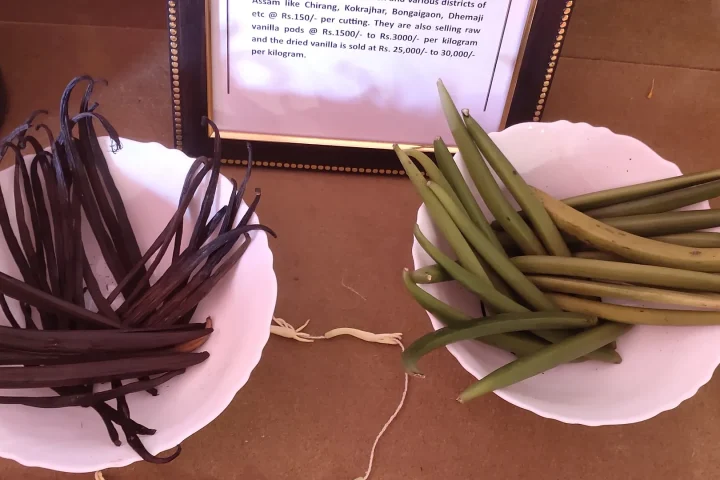
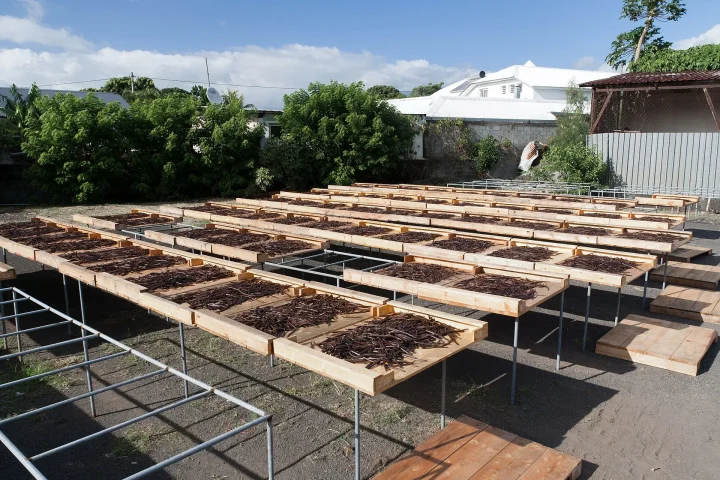
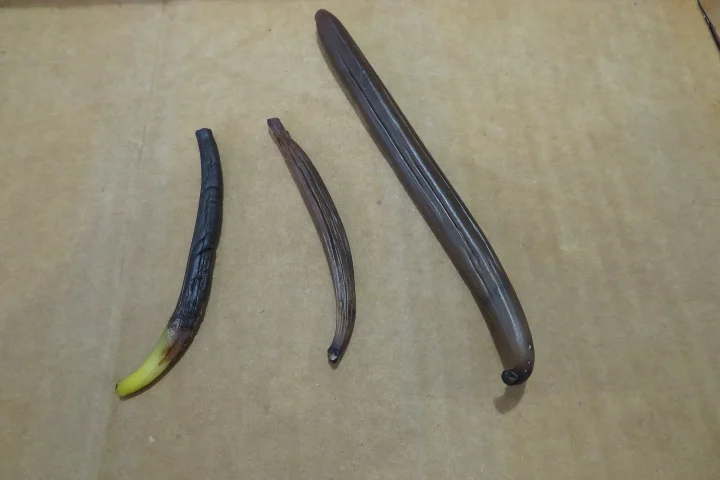
Indonesia is one of the world’s established vanilla origins, with production spread across Bali, Java, Sulawesi, and Papua. Curing method, bean handling, and post-harvest storage all influence the final aromatic profile that reaches a buyer’s production line, which is why we encourage buyers evaluating natural vanilla to request a documented sample rather than rely on origin name alone. Grading conventions differ from buyer to buyer — length, moisture content, and appearance are the common reference points, but the exact thresholds a buyer applies depend on their own internal specification, so our desk confirms grading terms in writing against each enquiry rather than assuming a single fixed standard.
| Factor | Natural Vanilla | Synthetic Vanillin |
|---|---|---|
| Aromatic complexity | Multi-compound, layered | Single-compound, direct |
| Labelling flexibility | Supports “natural” claims (subject to market rules) | Generally excluded from natural claims |
| Price stability | Variable, tied to harvest and global demand | Comparatively stable |
| Typical use case | Premium, clean-label, artisan | Mass-market, cost-sensitive |
What Should a Buyer Ask Before Committing to a Supplier?
Before signing a contract, industrial buyers should ask for a sample against their own specification, request documentation on grading and moisture testing methodology, and clarify how pricing will be confirmed at the point of order — since vanilla pricing moves with the season and global market conditions, any exporter quoting a fixed number without reference to current market status should be treated with caution. We recommend reviewing our notes on vanillin content and what it does and does not tell you about quality, and our guide to sourcing beans for extract manufacturing if extraction is part of your process.
For buyers exploring certified or traceable supply chains, our page on organic vanilla sourcing from Indonesia outlines what “organic” typically requires in terms of documentation, while our lab-tested beans and Certificate of Analysis page explains how we support buyers who require third-party or in-house QC data before shipment.
The Bottom Line for Industrial Buyers
Neither natural nor synthetic vanilla is universally “better” — the right choice depends on your product category, labelling requirements, and cost tolerance. What matters most for a B2B buyer is working with a supplier who can document grading, moisture, and handling clearly, and who will not promise fixed pricing or certification status that has not been verified for your specific order. We do not quote per-kilogram prices, harvest volumes, or vanillin percentages as guarantees in general content like this — those figures depend on current market conditions and your exact specification, and are confirmed in writing once we review your enquiry.
How Should a Formulation Team Budget for the Switch?
Teams evaluating a move from synthetic vanillin to natural vanilla extract or bean-derived flavoring typically need to budget for two things beyond raw material cost: reformulation testing (since natural extract behaves slightly differently in solution than isolated vanillin) and a review of shelf-life and stability data, since natural extracts can interact differently with other ingredients over a product’s shelf life. Neither cost is prohibitive for most manufacturers, but skipping this step and simply swapping ingredients 1:1 without testing is a common source of unexpected flavor drift in finished product.
What About Blends of Natural and Synthetic?
Some manufacturers use blended formulations — a natural vanilla extract base supplemented with a smaller proportion of synthetic vanillin to boost perceived sweetness or reduce cost — though whether this blend can still carry a “natural” label claim depends entirely on the destination market’s regulatory threshold for natural content. This is another area where we recommend confirming with your own regulatory team before finalizing a formulation, since we can advise on the raw material side but not on your specific label compliance.
We also recommend reviewing our page on Grade A gourmet vanilla beans if whole bean or bean-derived natural extract fits your production process better than a pre-made flavoring blend.
Ready to Request a Written Quote?
Specifications, sampling terms, and pricing for your shipment are confirmed in writing by our desk once we understand your grade, volume, and destination port. Message our export desk on WhatsApp at +62 811-3941-4563 or email [email protected] to start a written enquiry.