
Vanilla harvest season in Bali and Indonesia
Vanilla is generally harvested once a year, then cured over weeks to months before it is export-ready. The window shifts by region and year, so confirm current-season timing with your supplier rather than a fixed date.
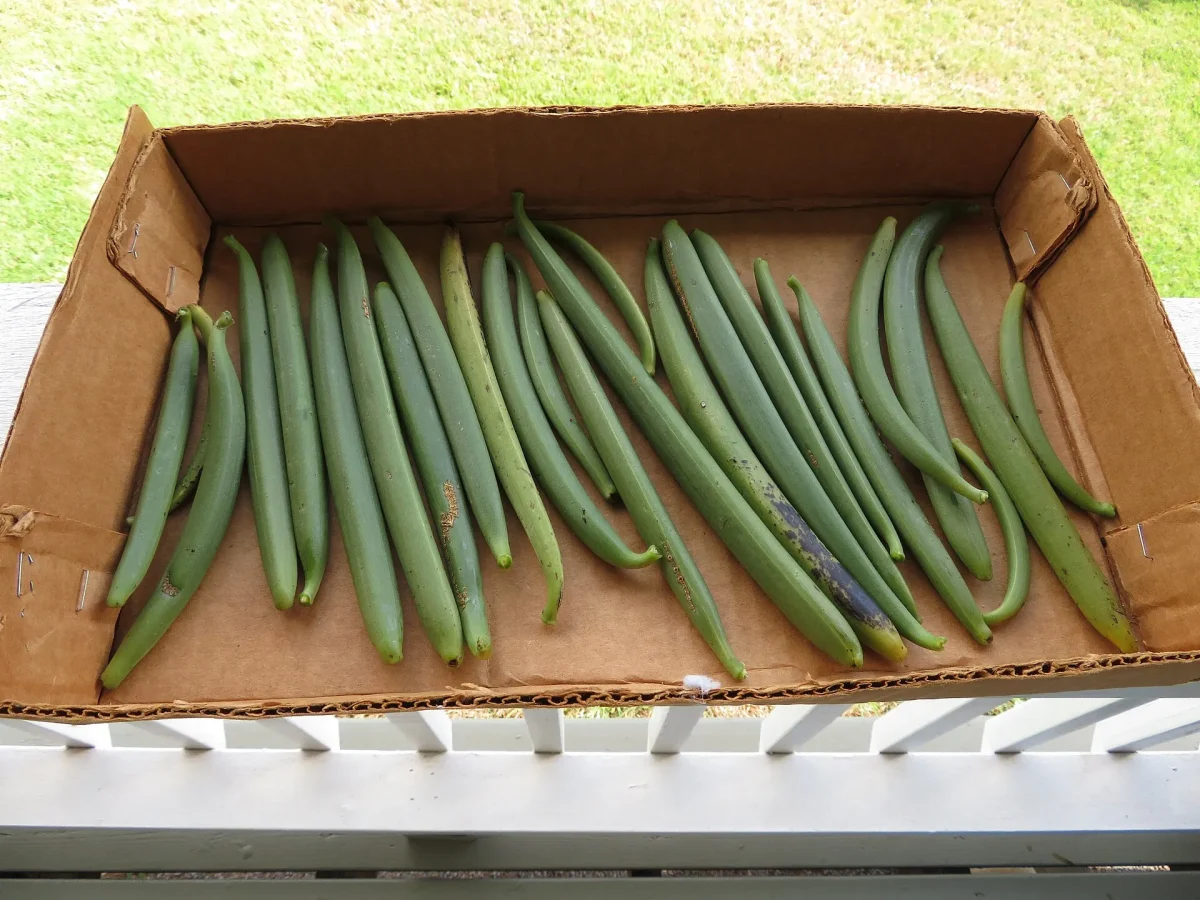
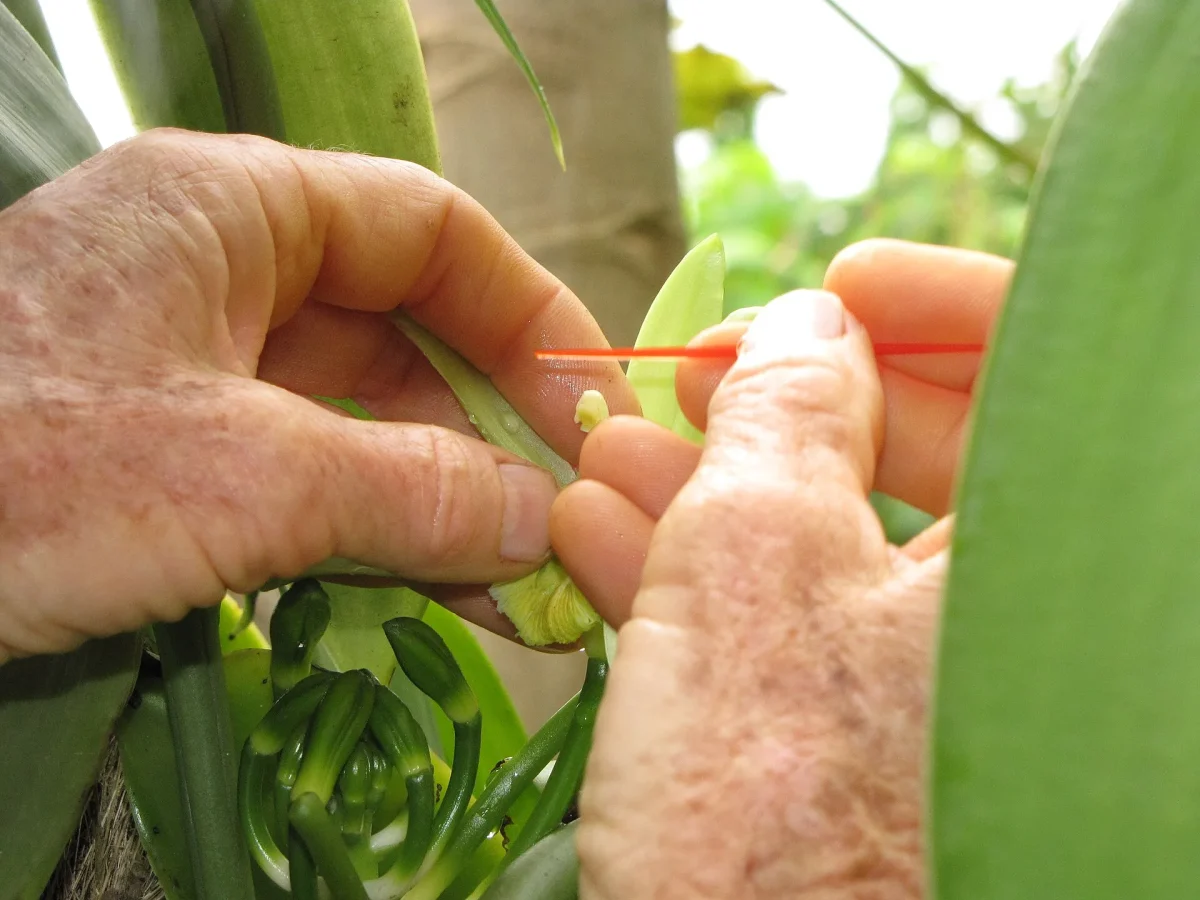
Supply follows the harvest cycle
Vanilla is an agricultural commodity: price and availability move with the harvest, like coffee, cacao or spices. Supply of freshly processed beans tends to peak after harvest and curing, while the months before the next harvest can see tighter availability of certain grades.
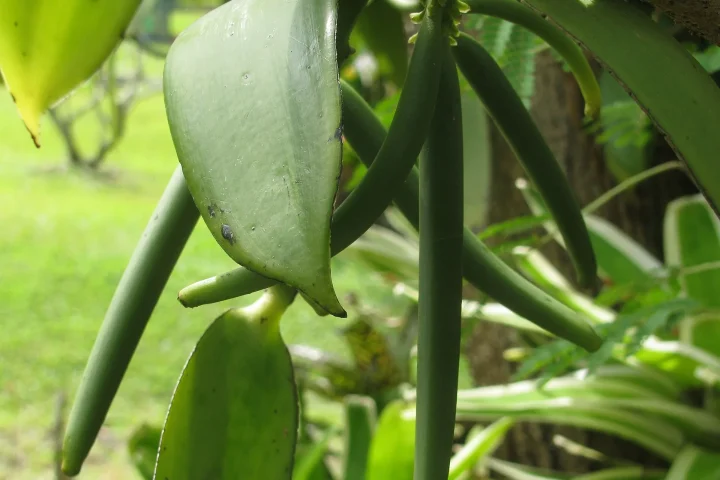
Green pods have almost no flavour — aroma develops during curing, which cannot be meaningfully shortened without compromising quality.
- Time purchase orders to the supply rhythm
- Negotiate contract volumes early
- Avoid last-minute sourcing in the lean part of the cycle
From flower to export-ready bean
How each stage affects your purchase planning.
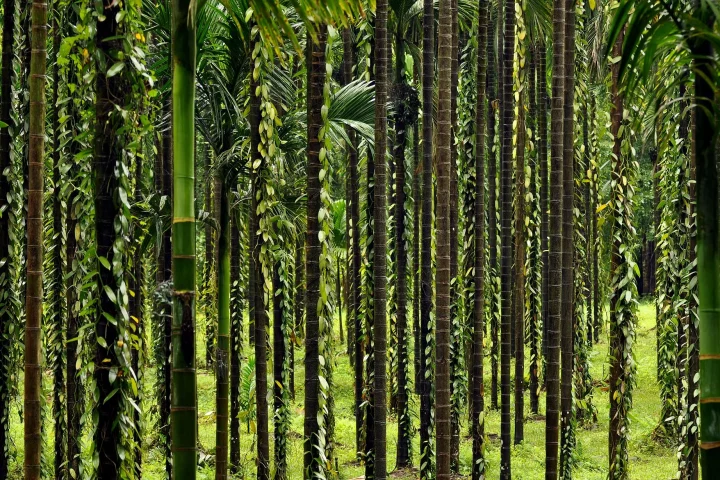
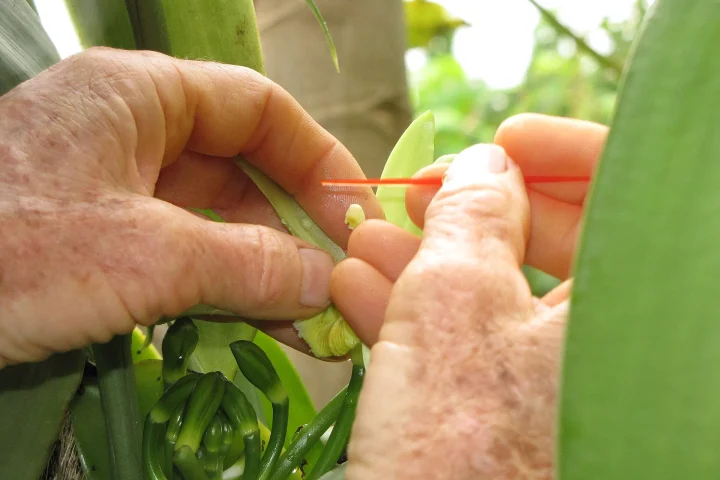
| Flowering & pollination | Vines flower once yearly; short pollination window · sets the season’s harvest timeline |
|---|---|
| Green pod harvest | Pods picked at optimal maturity · timing affects final bean quality |
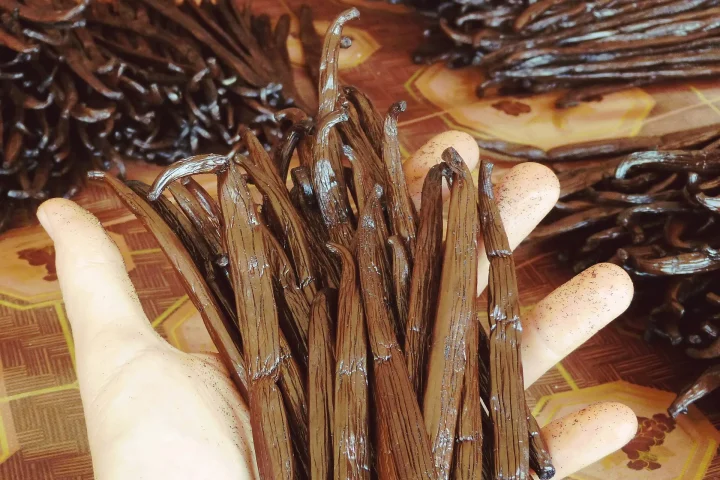
| Curing | Blanching, sweating, drying, conditioning over weeks to months · determines when beans are export-ready |
| Grading & export prep | Sorting by length, moisture, appearance · grade availability may shift through the season |
We do not publish fixed harvest dates or guaranteed volumes — both vary by season and are confirmed for each enquiry.
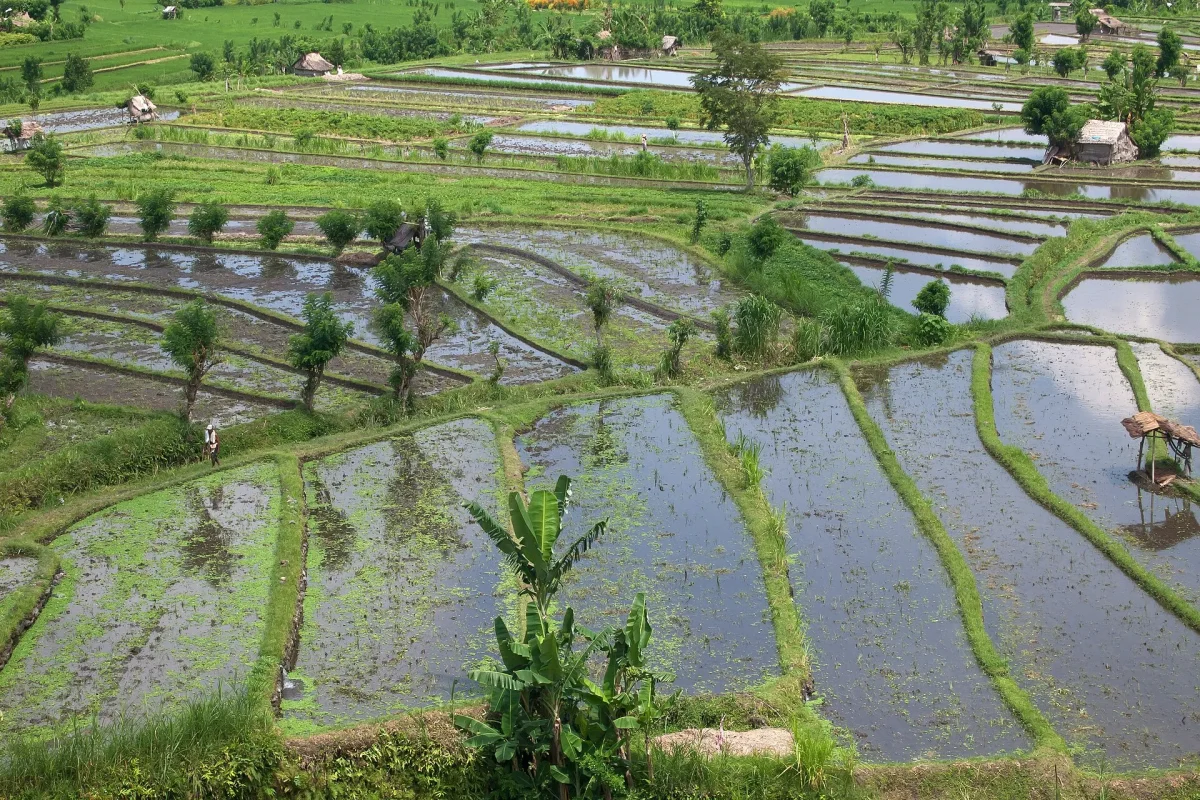
Bali is one origin among several
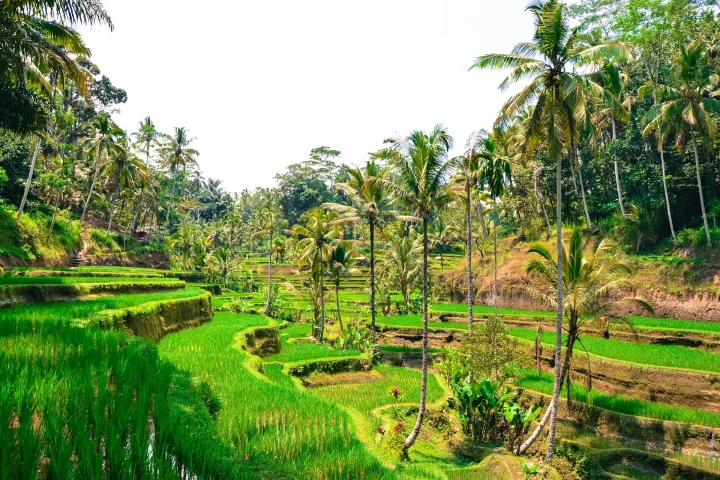
Bali sits alongside vanilla-producing areas of Java, Sulawesi and Papua. Growing conditions, altitude and local curing practices differ across these origins and can influence bean characteristics even within the same broad harvest season.
If you need a specific origin, or are comparing origins for an application, request origin-specific documentation.
How to plan contracts around the harvest
Seasonality is not a barrier to reliable sourcing — it simply requires planning.
Confirm the timeline
Check the current season’s harvest and curing timeline with the supplier before setting delivery dates.
Consider forward contracts
Use forward contracts or standing orders if your production depends on predictable supply.
Ask about availability
Confirm which grades and volumes are available at the point in the season you plan to order.
Build in buffer time
Allow for documentation, phytosanitary certification and freight scheduling on top of curing time.
More in Quality & Origin
Harvest season questions
How does curing time affect delivery lead time?
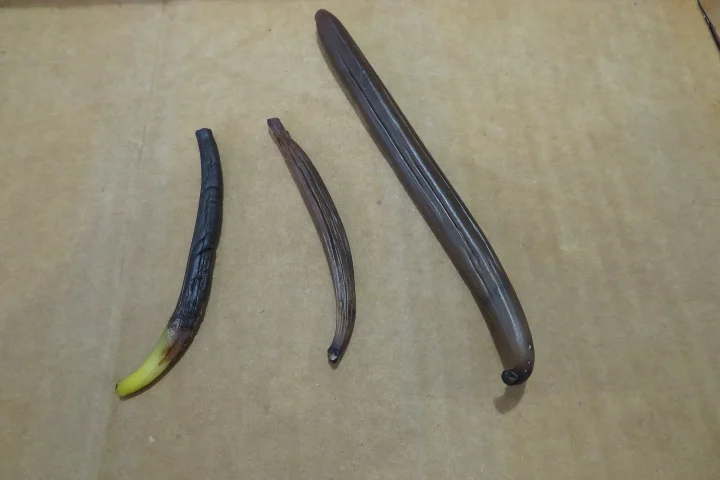
Curing — blanching, sweating, sun-drying and conditioning — takes real time and cannot be shortened without compromising quality. Buyers ordering shortly after harvest should not expect fully cured, export-ready beans instantly.
What happens to availability right before the next harvest?
Certain grades, particularly gourmet whole beans in specific length ranges, can become tighter as prior-season stock is allocated to standing buyers. Vanilla does not become unavailable, but urgent orders may face more limited grade selection.
Should buyers stockpile ahead of tight periods?
Stockpiling reduces exposure to seasonal tightness but adds storage risk and ties up working capital. For most buyers, a standing order or forward agreement that lets the supplier plan curing and allocation around known volumes works better.
When should I contact you about a seasonal order?
Early. Buyers who share volume needs and target delivery windows early in the season generally have the most flexibility in grade selection and pricing discussions.
Plan your next season’s supply
Share your grade, annual volume and destination port — we confirm realistic timelines, specifications and pricing in writing.