Bulk Vanilla Beans for Food Manufacturers — Direct Indonesia Supply

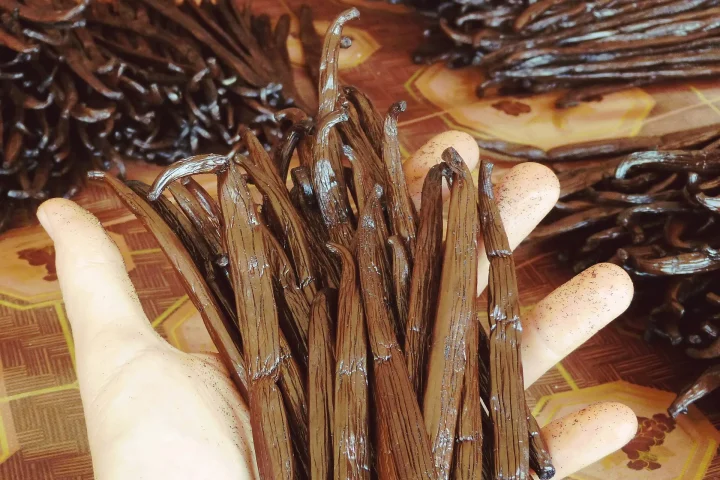
If your business buys vanilla by the carton or the container rather than the pouch, this page is written for you. Bali Vanilla Export supplies bulk Vanilla planifolia and tahitensis beans as a bulk vanilla beans supplier from Indonesia, working directly with extract houses, flavor houses, and food and beverage manufacturers that need contracted volume, lot-to-lot grade consistency, and export documentation handled from origin. Below you will find how our volume contracts work, indicative pricing benchmarks, minimum order tiers from sample to container, and the packaging standard we use to protect beans through weeks of sea freight.
Built for Industrial Buyers, Not Retail Shoppers

Most vanilla pages online are written for home bakers. Bulk procurement is a different discipline: you are buying against a specification, a delivery calendar, and a cost-per-kilogram model, and the supplier’s job is to make every lot behave like the last one. Indonesia’s strongest 2026 export opportunity sits in premium Planifolia whole beans from Bali, Alor, and Papua, and that is exactly the raw material base we curate for three buyer profiles.

Extract houses

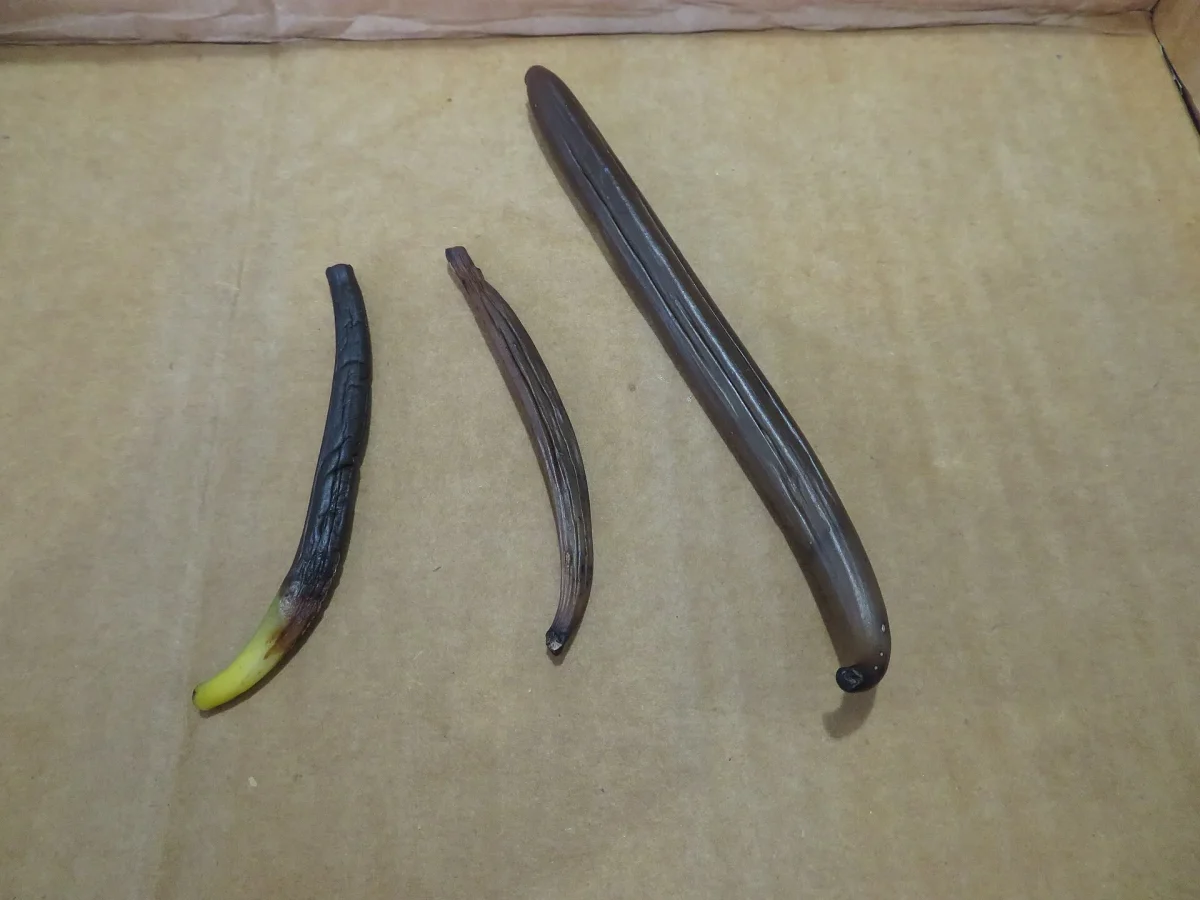
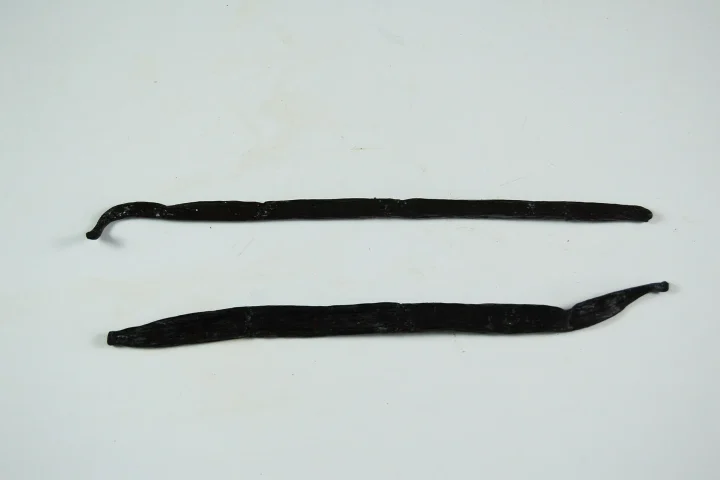
For extraction, pod cosmetics matter far less than measurable chemistry. Our Grade B extract-grade beans are fully cured and conditioned, with moisture controlled through the drying and conditioning stages and a measured vanillin range published per lot from laboratory analysis rather than a generic origin claim. That per-lot approach exists because there is no single official Indonesian export standard for vanillin percentage — so we put lab numbers on paper instead of adjectives.

Flavor and fragrance houses

Flavor formulation depends on aroma consistency and origin traceability. We supply both planifolia and tahitensis varieties with farm-of-origin visibility and lot traceability, so your R&D and QA teams can tie every drum of beans back to a documented origin and curing record. Buyers in this segment typically vet suppliers on traceability, grade consistency, lab tests, moisture, vanillin content, and packaging integrity — all of which are covered in our standard lot file.

Food and beverage manufacturers

Bakeries, ice cream producers, beverage brands, and dessert manufacturers usually split their requirement: Grade A gourmet beans for visible-bean and premium applications, and Grade B for in-house extraction or flavor bases. We structure supply so both grades arrive on one schedule, under one document set, from one accountable counterparty.

Volume Contracts and Lot-to-Lot Grade Consistency

The core of our manufacturer program is a written grade window agreed before the first container moves. That window defines origin, curing method, moisture target, pod length band, defect tolerance, and the vanillin range your lots must fall within — verified by certificate of analysis on every lot, not once a year. The full specification format is documented on our lab-tested COA and specification page, which shows exactly which parameters we measure and report.

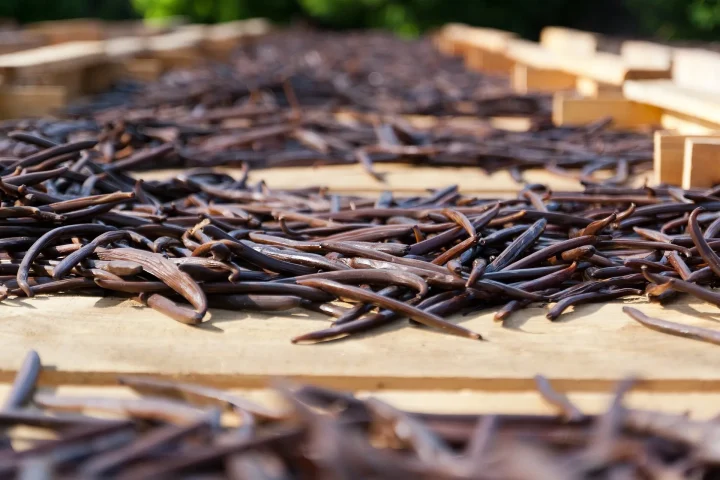
Consistency starts long before testing. High-quality Indonesian vanilla is built through a long sequence of pollination, harvesting, sweating, drying, and conditioning, and the lengthy curing and drying process is where moisture content — and therefore shelf stability and extraction behavior — is actually won or lost. We only ship fully cured, conditioned beans, because that is what industrial buyers expect and what survives sea transit. For added assurance, lots can carry QR-linked traceability so any drum on your receiving dock resolves to its farm and curing data.

Contract buyers can schedule quarterly, semi-annual, or annual call-offs. Fixing a grade window and a delivery calendar in advance is the single most effective way to smooth the price volatility that spot buyers absorb.

Indicative Bulk Pricing Benchmarks

Vanilla is a volatile agricultural commodity, so treat every figure below as indicative and season-dependent. Final contract pricing is quoted per lot, per grade, and per volume tier — always on request and always against a current COA.

Reference pointIndicative range (USD/kg)Notes
Indonesia wholesale benchmark (2026)US$14.76–36.90Broad market benchmark; quality at this level varies widely
Grade B extract-grade Planifoliafrom US$20, up to ~US$50Indicative; priced on measured vanillin content and pod quality
Grade A gourmet Planifoliafrom US$30, up to ~US$80Indicative; long pods, low defect rate, strong aroma command the top of the range
Average Indonesian export value (2025)≈US$46Derived from trade data: US$11.62M over 257,777 kg of total vanilla exports
Annual contract pricingOn requestQuoted per grade window, volume tier, and delivery schedule

The gap between the low end of the wholesale benchmark and the roughly US$46/kg average export value tells the real story: value in Indonesian vanilla concentrates in Grade A material with long pods, low defect rates, strong aroma, and higher vanillin. Manufacturers who specify tightly and contract early capture that quality without paying spot-market premiums mid-season.

MOQ Tiers: Sample, Trial Order, Container

We deliberately publish a three-tier structure instead of hiding behind a vague minimum, because procurement teams need numbers they can plan against.

  • Sample tier. Air-couriered evaluation lots for your lab and sensory panel, arranged through our vanilla bean sample order program. This is where your QA team confirms the COA matches what lands on the bench.
  • Trial order tier. Air-carton quantities sized for a production trial — enough to run your line, validate extraction yield or bake performance, and test our documentation flow end to end.
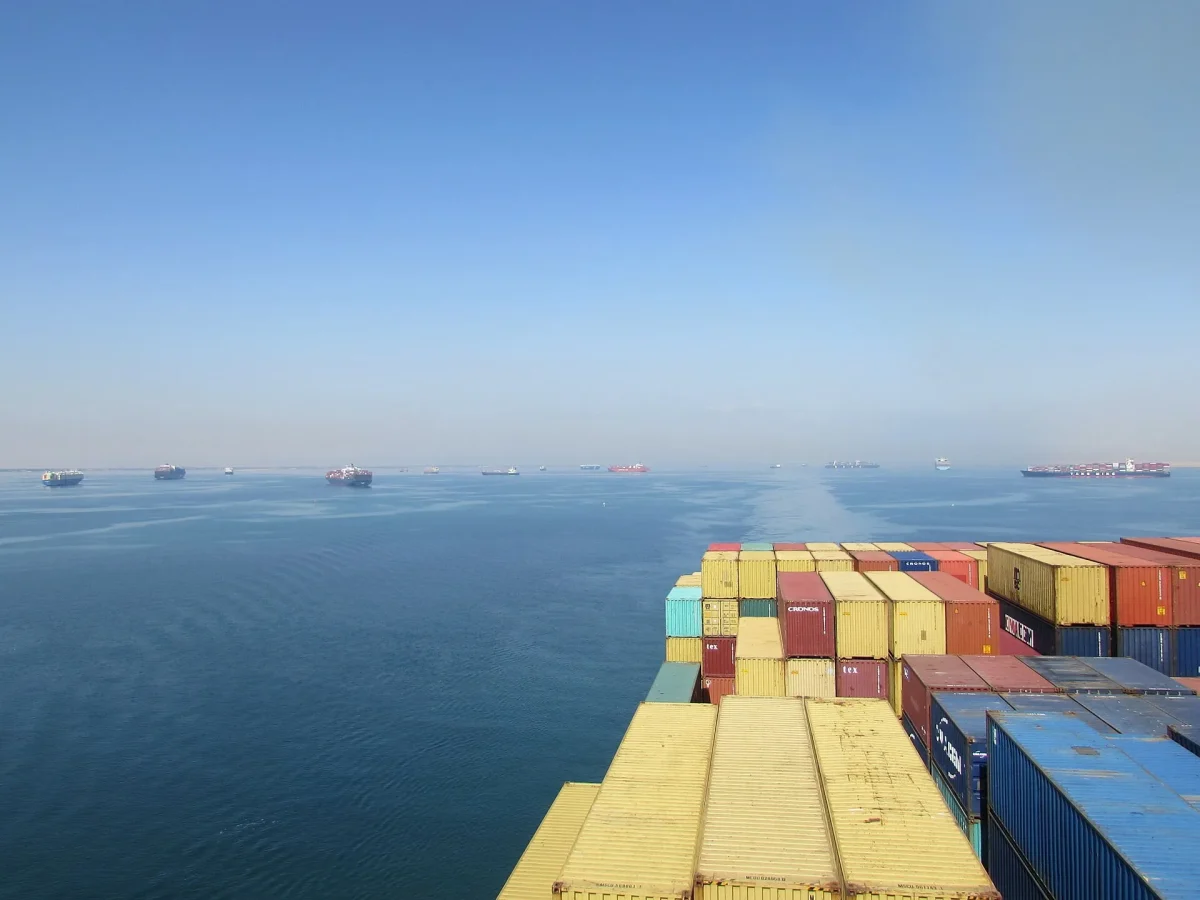
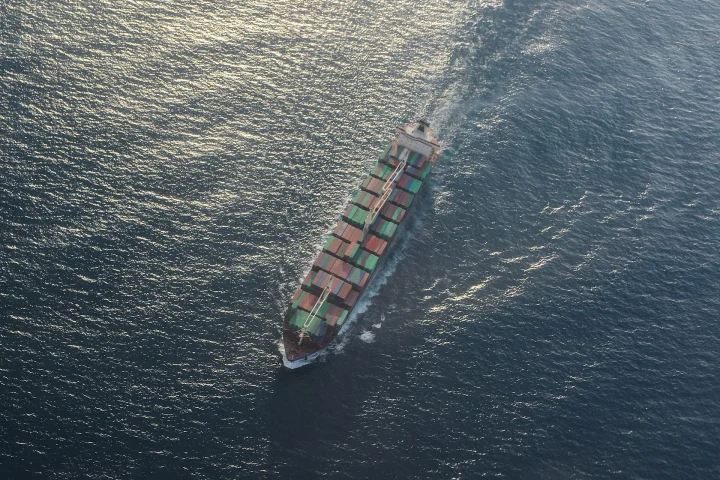
  • Container and sea-freight tier. Contract volumes moved by sea under the packaging standard described below, scheduled against your production calendar.

Exact kilogram thresholds, current lead times, and how tiers map to pricing are maintained on our minimum order quantity details for 2027 page, which we keep updated as harvest and freight conditions change.

Packaging Engineered for Sea Freight

Sea freight is the economical mode for contract volumes, but it only works if the beans are protected for the duration. Every bulk lot we ship by sea is packed in vacuum-sealed, food-grade packaging with oxygen absorbers — the combination that keeps fully cured, conditioned beans stable through multi-week transits and port handling. Air freight remains available for urgent samples and smaller premium lots where speed matters more than freight cost.

Packing method, carton and container configurations, transit expectations by destination, and how we hand over to your freight forwarder or arrange shipment ourselves are covered on our shipping and export logistics page. If your inbound QA has packaging-integrity requirements, send them with your inquiry and we will confirm compliance before the first trial order.

Export Documentation and Compliance

Vanilla trades under HS code 0905, and Indonesian export shipments commonly require phytosanitary documentation along with compliant packing and traceability records; certified exports move through official quarantine channels. Because customs and destination-country paperwork vary by shipment and market, we prepare a country-specific document set for each destination rather than a one-size-fits-all folder.

For EU-bound shipments, buyers typically ask for documentation proving organic status where applicable and compliance with food-product import rules, alongside standard food-safety and phytosanitary paperwork. Tell us your destination market at the quotation stage and the document checklist is agreed before goods move — not discovered at the port.

Please note that the export and import information on this page is provided for general orientation only and does not constitute legal, customs, or regulatory advice. Documentation requirements change by destination, product classification, and season, so always verify current rules with your licensed customs broker, freight forwarder, or the relevant authorities before contracting or shipping.

Why Manufacturers Buy Direct from Indonesian Origin

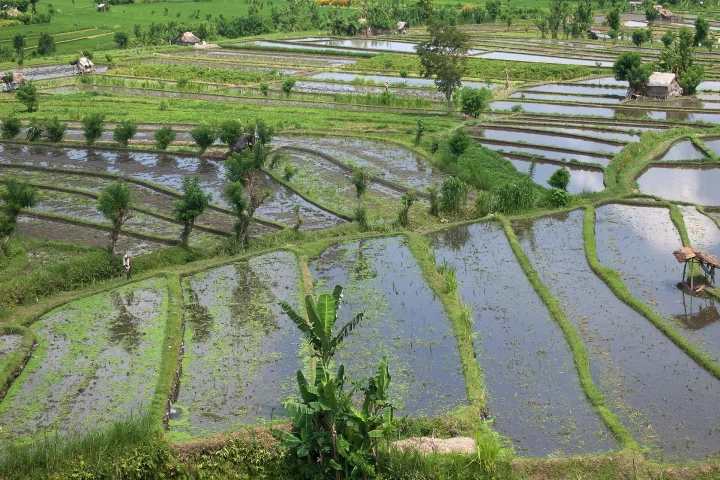
The demand picture supports origin diversification. The United States was the largest market for Indonesian vanilla in 2025 at US$8.25 million, followed by France (US$616k), Germany (US$521k), the Netherlands (US$330k), and China (US$289k). Manufacturers in those markets increasingly qualify Indonesia as a second origin alongside Madagascar — for supply security as much as for the distinct profile of Indonesian Planifolia from Bali, Alor, and Papua.

Buying direct from origin removes intermediary margin stacking and, more importantly, shortens the accountability chain: the party that signed your grade window is the same party that packed the container. Bali Vanilla Export operates within Juara Holding Group, an Indonesian group whose track record and recognitions are publicly documented — relevant when your procurement policy requires counterparty due diligence before an annual contract.

Frequently Asked Questions

What is the minimum order for bulk vanilla beans from Indonesia?

We operate three published tiers: air-couriered samples, air-carton trial orders, and sea-freight container volumes. Current kilogram thresholds and lead times are listed on our MOQ details page, and the sample program lets you validate quality before committing to any volume tier.

Can you guarantee the same vanillin content on every lot?

We guarantee a measured, agreed range — not a marketing number. Since there is no single official Indonesian export standard for vanillin percentage, each lot ships with a laboratory COA stating its measured vanillin range, and your contract defines the window every lot must fall within. Lots outside the window do not ship against your contract.

How are bulk vanilla beans packed for sea shipment?

Fully cured, conditioned beans are packed in vacuum-sealed, food-grade packaging with oxygen absorbers. This protects moisture content and aroma through multi-week sea transits. Urgent samples and small premium lots can move by air instead.

Which documents accompany an export shipment?

Shipments are declared under HS code 0905 and travel with phytosanitary documentation, the lot COA, and origin and traceability records. On top of that baseline, we prepare a country-specific set for your destination market — EU buyers, for example, typically require additional food-product import documentation and organic proof where applicable.

Do you supply both planifolia and tahitensis in bulk?

Yes. Planifolia from Bali, Alor, and Papua is our core volume in both Grade A gourmet and Grade B extract-grade, and tahitensis is available for flavor houses that formulate with its distinct profile. Both varieties can be included under one contract and one document flow.

Discuss Your Annual Vanilla Requirement

The fastest way to a workable quote is a short conversation about your grade window, annual volume, and destination market. Send your specification or simply describe your application — extraction, flavor formulation, or finished food production — and our business development desk will respond with indicative pricing, tier recommendations, and a sample plan.

Message us on WhatsApp at +62 811-3941-4563 or email [email protected]. Share your annual requirement once, and we will structure the sample, trial, and contract path around your production calendar.

Chat with us
Scroll to Top
Request Quote WhatsApp