Every lot of vanilla beans we export ships with a lab-issued Certificate of Analysis (COA) stating the measured vanillin content, moisture level, pod length distribution and defect rate for that specific lot — not a generic brochure claim. Because Indonesia has no single official vanillin standard for export vanilla, the only trustworthy number a buyer can act on is a measured value from a laboratory test of the actual lot you are buying, and that is exactly what we publish and hand over before you commit to an order.
This page shows what our per-lot spec sheets contain, how to read a vanilla COA, how our QC flow produces those numbers, and how to request the COA before you place an order.
Why We Publish Measured Lab Data Instead of Generic Claims
If you have sourced Indonesian vanilla before, you have seen supplier listings that promise “2% vanillin guaranteed” on every shipment, with no lot number, no lab reference and no test date. Here is the uncomfortable truth of the trade: there is no single official Indonesian export standard that fixes a mandatory vanillin percentage for vanilla beans. Vanillin varies by farm, harvest window and curing execution, and industry pricing reflects this — Grade A beans are priced on their actual vanillin content and pod quality, not on a label.
Because no universal standard exists, the safest practice for a B2B exporter is to publish the measured vanillin range from a lab COA for each individual lot. A supplier who quotes one flat number for every shipment, year-round, is either not testing or not telling. We took the opposite path: every export lot is sampled, lab-tested and documented before it is offered, and buyers receive the same document our own QC team uses internally — the full process lives on our quality assurance page.
What a Real Per-Lot Spec Sheet Looks Like
Below is the format of the spec sheet that accompanies each lot. The figures shown are indicative of the typical ranges we test against for cured Planifolia beans; the COA you receive for a specific lot states the exact measured values, the lot code, the sampling date and the laboratory reference.
| Parameter | Grade A Gourmet (indicative range) | Grade B Extract (indicative range) | How It Is Reported on the COA |
|---|---|---|---|
| Vanillin content | Measured per lot; premium gourmet lots typically test toward the upper end of the market range | Measured per lot; extract-grade lots are priced on the tested value | Exact % from lab analysis, with method and test date |
| Moisture content | Higher moisture, supple pods (gourmet handling) | Lower moisture, drier pods suited to extraction | Exact % measured at sampling |
| Pod length | Sorted and declared per lot (commonly 15–20 cm classes) | Mixed lengths accepted, declared per lot | Length class distribution per carton |
| Defect rate | Split, scarred or under-cured pods counted and declared | Higher tolerance, still counted and declared | % of pods outside spec per sampled carton |
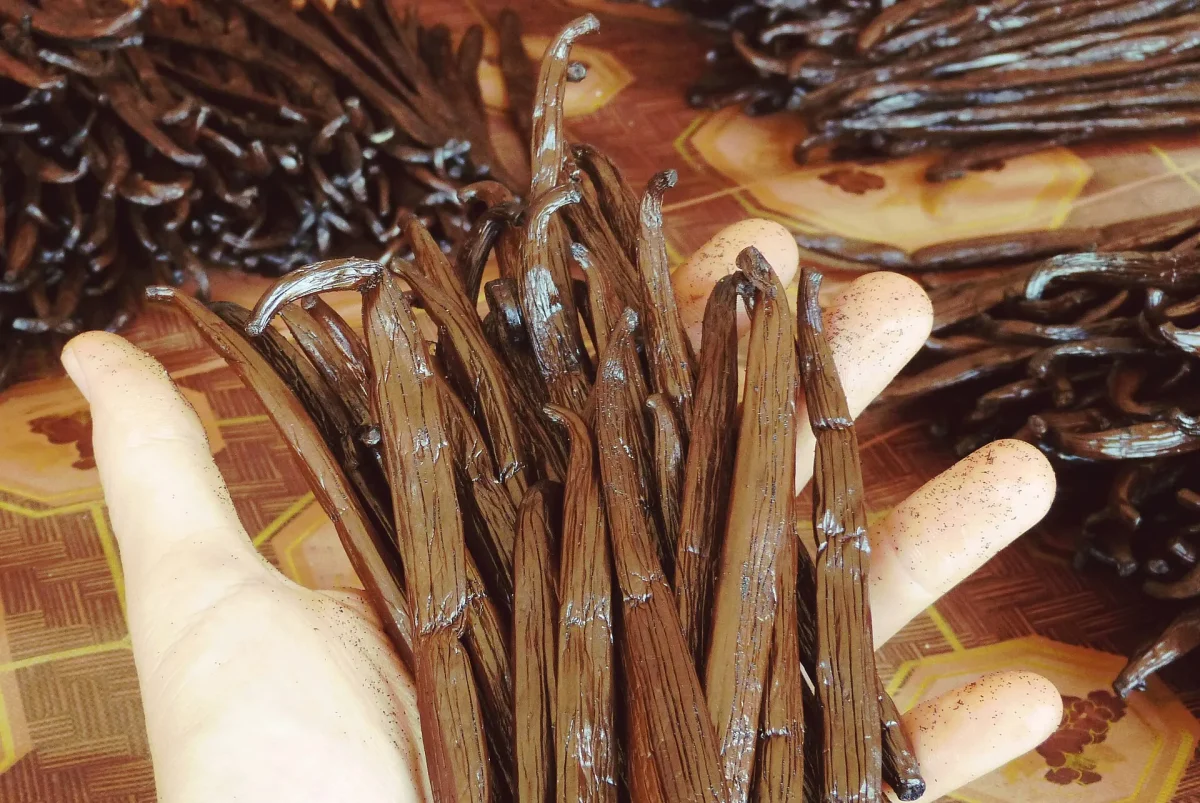
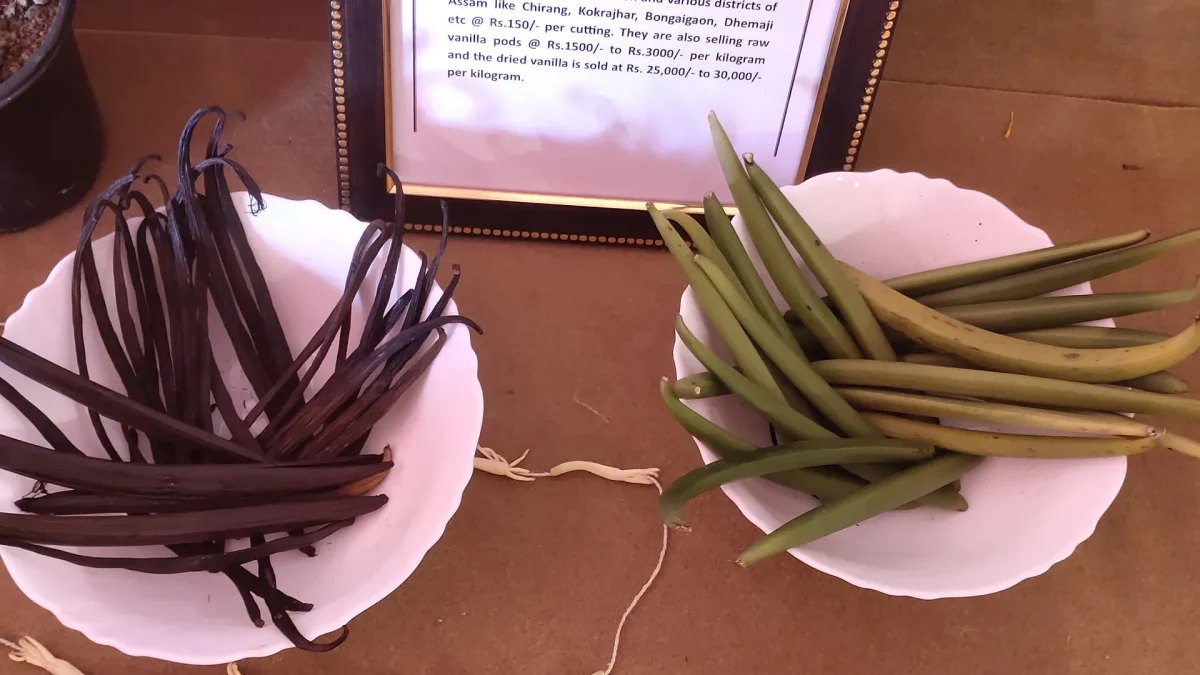
| Curing status | Fully cured and conditioned — sweating, drying and conditioning completed before export; never green beans | Stated with curing completion window | |
| Packaging | Vacuum-sealed, food-grade packaging with oxygen absorbers for sea freight | Packing spec listed per shipment | |
Two things matter more than any single number: every parameter is measured, not assumed, and every parameter is tied to a lot code, so the beans you receive trace back to the exact batch that was tested. Comparing suppliers? Ask each one for this same table with a lot number on it — that request alone filters out most generic claims.
How to Read a Vanilla COA, Parameter by Parameter
A COA is only useful if you know what each line implies for your application. Here is how experienced buyers read ours.
Vanillin content (%)
The headline number for extract manufacturers, because extraction yield and flavor intensity scale with it. Read it together with the test method and date — a vanillin figure without a method and lot reference is a marketing number, not a spec. Since vanillin varies lot to lot, identical numbers on every COA are a red flag.
Moisture content (%)
Moisture separates gourmet use from extract use. Gourmet buyers want supple, oily pods with higher moisture; extract producers prefer drier beans that store predictably and macerate efficiently. Moisture also drives shelf stability: pods shipped too wet risk mold in transit, which is why our sea-freight lots move in vacuum-sealed, food-grade packaging with oxygen absorbers, moisture verified before sealing.
Pod length and appearance
Length classes affect presentation and per-pod weight. For gourmet retail, longer sorted pods command the premium; for extraction, length matters less than vanillin and moisture. Our COA states the length class distribution per carton — see the Grade A gourmet vanilla beans page for the full specification of our top length-sorted line.
Defect rate (%)
Splits, scarring and under-cured pods are counted during sorting and declared per sampled carton. No agricultural lot is defect-free; a supplier claiming zero defects has simply not counted. Look for a declared, consistent rate and a clear rule for grading defective pods out of the premium line.
Lot code and traceability
The lot code links the COA to farm origin, curing batch and packing date. This is the line that turns a certificate into accountability: if a future shipment ever deviates, the lot code is how both sides trace exactly where the deviation happened.
Our Internal QC Flow: From Curing Barn to COA
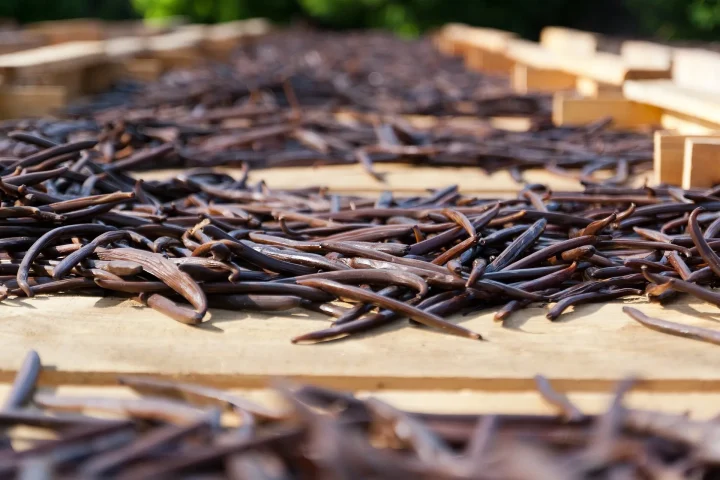
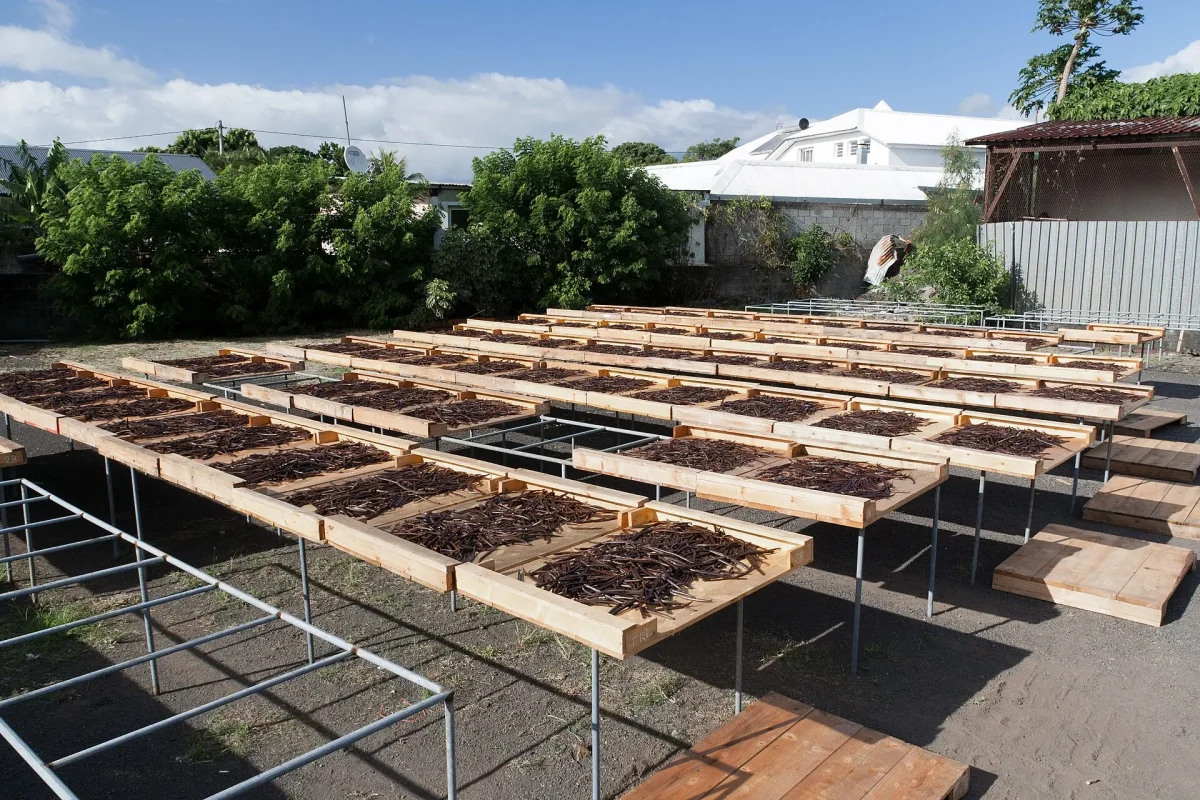
The numbers on the certificate are only as good as the process behind them. High-quality Indonesian vanilla is built through a long sequence — pollination, harvesting at maturity, sweating, controlled drying and slow conditioning — and the lengthy curing and drying stage is where vanillin develops and moisture is brought under control. Our QC flow wraps measurement around that sequence:
- Intake control. Green beans are accepted only from partner farms in our traceability program, logged against farm and harvest date.
- Curing supervision. Sweating, drying and conditioning are monitored batch by batch; beans that stall or over-dry are pulled from the premium stream.
- Sorting and grading. Cured beans are sorted by length, appearance and suppleness into Grade A gourmet and Grade B extract streams, with defects counted and recorded.
- Lot sampling. Each export lot is sampled and sent for laboratory analysis of vanillin and moisture.
- COA issue and packing. Only after results return does the lot get its COA, vacuum packing with oxygen absorbers, and release for export documentation under HS code 0905 with phytosanitary certification prepared for the destination market.
Buyers in the United States and Europe — the largest destinations for Indonesian vanilla — vet suppliers on exactly these points: traceability, grade consistency, lab tests and stable export paperwork. Our process is built so every one of those questions has a documented answer.
Indicative Pricing by Grade and Tested Spec
Because pricing follows the tested spec, we quote per lot rather than from a flat price list. The ranges below are indicative for cured Bali Planifolia and are consistent with current market benchmarks for Indonesian export vanilla; final pricing depends on the lot’s measured vanillin, moisture, length class and order volume.
| Product Line | Primary Use | Indicative Price (per kg, FOB Bali) | Documentation Included |
|---|---|---|---|
| Grade A Gourmet Planifolia | Gourmet retail, pastry, premium extract | Indicative US$30–80 depending on tested vanillin and pod quality | Per-lot COA, spec sheet, traceability record |
| Grade B Extract Planifolia | Extract and flavor manufacturing | Indicative US$20–50 depending on tested vanillin | Per-lot COA, spec sheet, traceability record |
| Sample sets (multi-lot) | Pre-order lab verification by buyer | On request | COA copies for each sampled lot |
All figures are indicative and subject to lot availability and current harvest conditions; a firm quotation is issued per lot with its COA attached. You can start that process on our request a quote page.
How to Request a COA Before You Order
We release COAs before purchase, not after. The standard flow takes three steps:
- Tell us your application and volume. Message us on WhatsApp or email with your intended use (gourmet, extraction, retail packing), target volume and destination country, so we shortlist lots whose tested specs fit.
- Receive lot options with COA copies. We send the spec sheets and laboratory certificates for the shortlisted lots, including vanillin, moisture, length distribution and defect rate.
- Verify with physical samples. Through our vanilla bean sample order program you can receive beans from the exact lots quoted and run your own lab verification before committing to a trial order or container booking.
Independent re-testing is welcome. If your lab result on our sample materially disagrees with the COA, we investigate the lot before shipping.
Why Lab-Verified Specs Are the Strongest Filter Against Generic Suppliers
The vanilla trade rewards trust that can be audited. A buyer comparing two Bali suppliers at similar prices should ask three questions: Can you show a COA for the specific lot I am buying? Can I trace that lot to its origin? Will you let me re-test it? Suppliers who answer yes to all three are rare — and that is the entire basis of our positioning.
That documentation-first culture comes from our parent organization. Bali Vanilla Export operates within Juara Holding Group, whose track record and group achievements are publicly documented — the same standard of receipts-over-claims applies to how we grade, test and ship vanilla.
Commercial information only. Pricing, tariff codes, phytosanitary rules and import requirements change between seasons and destination markets — confirm current figures and documentation with your customs broker, freight forwarder and the competent authority in your import country before contracting. This page is not legal, tax or trade advice.
Frequently Asked Questions
Is there an official Indonesian standard for vanillin content in export vanilla beans?
No single official vanillin percentage standard governs Indonesian vanilla exports. Vanillin content is a quality and pricing variable, not a fixed regulatory threshold, which is why professional buyers rely on per-lot laboratory COAs rather than generic supplier claims. Our practice is to publish the measured vanillin range for each lot and attach the lab certificate to the quotation.
What exactly is included in your COA and spec sheet?
Each lot’s documentation states measured vanillin content, moisture content, pod length class distribution, defect rate, curing status, packing specification, lot code, sampling date and laboratory reference. Export paperwork — commercial documents under HS code 0905 and phytosanitary certification for your destination — is prepared alongside it.
Can I get the COA before paying for an order?
Yes. COA copies for shortlisted lots are shared during quotation, before any payment. You can also order physical samples from the same lots and run independent lab verification before deciding on a trial order.
Do Grade A and Grade B beans come with the same testing?
Yes. Both grades are sampled and lab-tested per lot. The difference is the spec itself — Grade A gourmet beans are length-sorted, supple, higher-moisture pods for premium use; Grade B extract beans are drier pods priced on tested vanillin. Both ship with full documentation.
How do I know the beans I receive match the tested lot?
Every carton is packed under the lot code stated on the COA, which links back to farm origin and curing batch in our traceability records. If you re-test on arrival and find a material deviation, the lot code lets both sides audit the chain.
Request a COA for Current Lots
If you are evaluating Indonesian vanilla for extraction, gourmet retail or food manufacturing, start with the documents, not the adjectives. Message our export desk on WhatsApp (+62 811-3941-4563) or email [email protected] with your application and target volume, and we will send current lot spec sheets with COA copies, indicative pricing and sample options — usually within one business day.