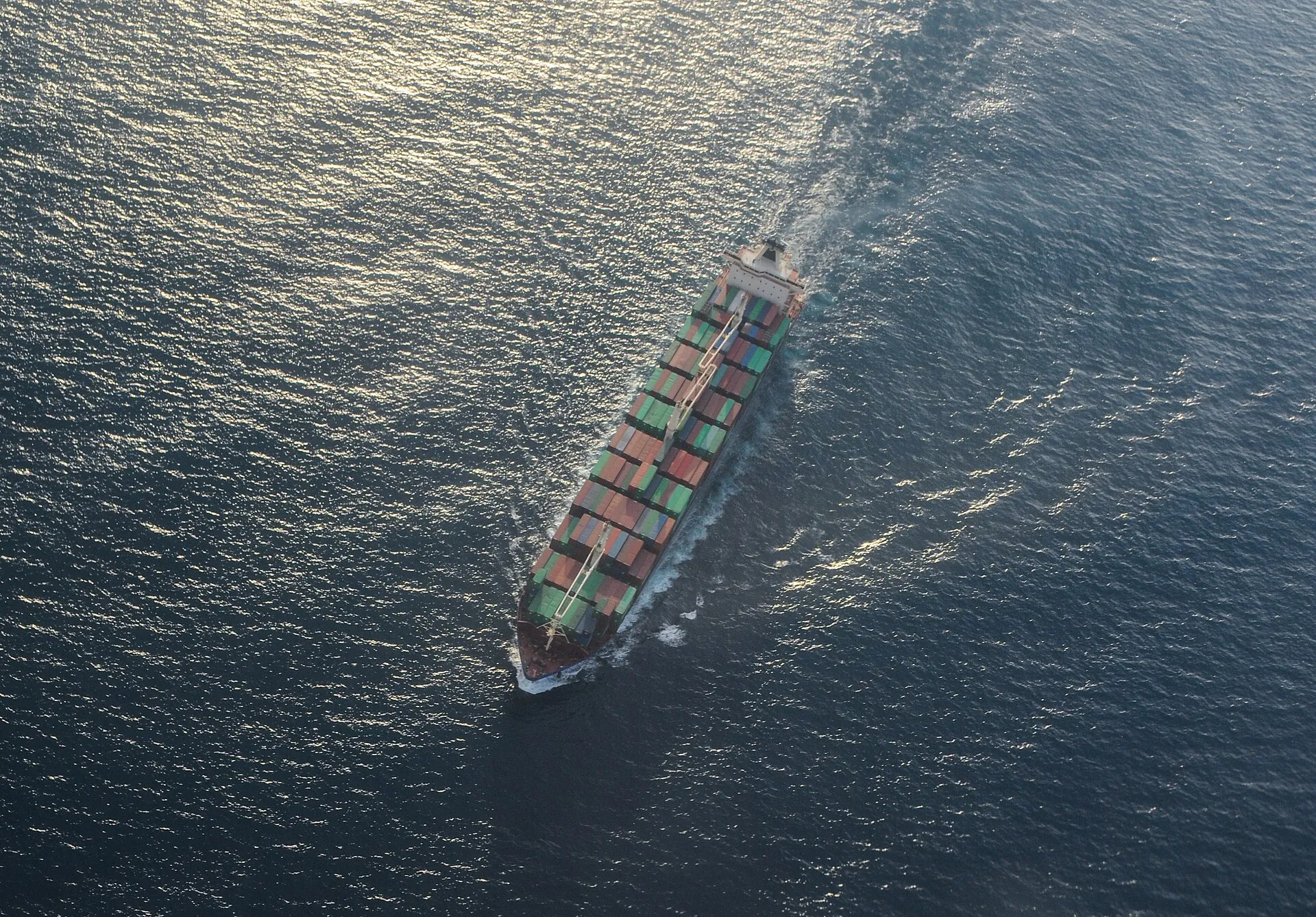
Vanilla shipping costs to overseas markets in 2027 are made up of several components — sea or air freight charges, documentation and customs fees, insurance, and handling charges at both the origin and destination ports — so they can’t be reduced to a single figure per kg without accounting for mode, volume, and destination all at once. Buyers who want to estimate total procurement cost need to understand this structure in full, not just the product price at the point of origin.
What Are the Components of Vanilla Shipping Costs to Overseas Markets?
The main components include freight charges (sea or air) from the origin port to the destination port, cargo insurance, Indonesian export documentation and duty, and handling and import duties on the destination side — which fall to the buyer depending on the Incoterm agreed between both parties. This cost structure is also shaped by shipment volume and weight: a full container load (FCL) has a different per-kg cost structure than a consolidated (LCL) shipment for smaller volumes.
How Do Air and Sea Freight Costs Compare?
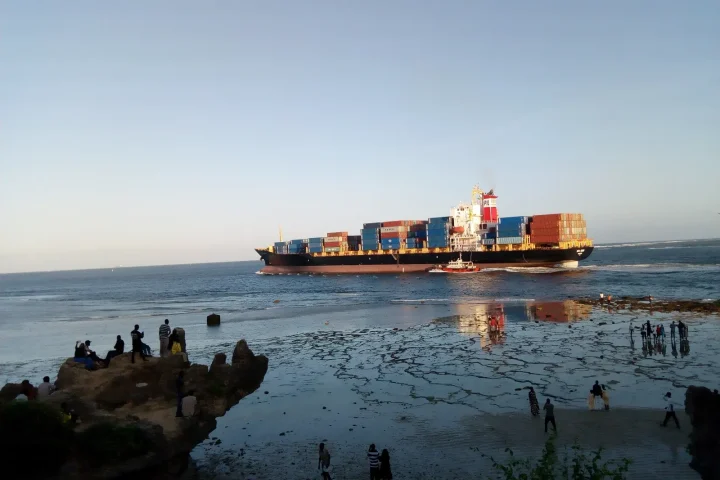
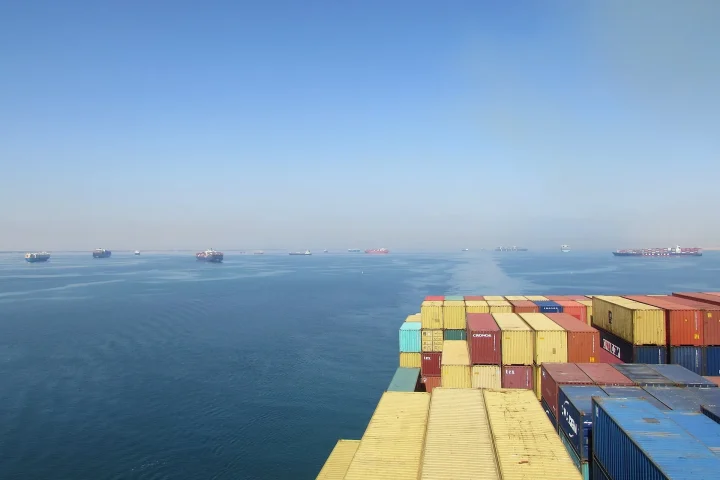
Sea freight is generally far more economical per kg for large volumes, but requires a longer transit time than air freight. Air freight offers significantly higher speed but at a much higher cost per kg, making it better suited to sample orders, small-volume replenishment, or situations that need urgent delivery. A full comparison of both modes — including when each one pays off — is covered on our sea freight vs air freight for vanilla export 2027 page.
How Does the Destination Affect Total Shipping Cost?
The route and distance to the destination country — Europe, the United States, or Japan — directly affects freight cost, since each route has its own vessel availability, sailing frequency, and rates. Destination markets with direct shipping lanes and higher sailing frequency from Indonesian ports generally offer more competitive per-kg costs than destinations that require transshipment at an intermediate port, which adds both transit time and extra handling charges.
Does the Incoterm Determine Who Bears the Cost?
Yes — the choice of Incoterm determines how shipping cost responsibility is split between the exporter and the buyer. Under FOB, the buyer covers freight and insurance from the moment the goods are loaded at the origin port; under CIF, the exporter covers those costs through to the destination port and builds them into the quoted price. Buyers need to make sure they’re comparing the same Incoterm basis when comparing shipping quotes from different exporters, so the comparison is genuinely apples-to-apples — submit a quote request to get a written breakdown per Incoterm.
How Can You Cut Shipping Costs Without Sacrificing Quality?
One of the most effective ways is to consolidate orders into full container volumes instead of several separate small shipments, since the per-kg cost for FCL is usually more efficient than repeated LCL shipments. Planning your shipping schedule well in advance also helps secure vessel space at more stable rates, compared with last-minute bookings that often carry a premium due to limited vessel space during busy periods. Discussing your annual production and shipping schedule with our desk can help you build the most efficient consolidation strategy for your volume needs over the course of the contract period.
What Hidden Costs Should Buyers Watch Out For?
Buyers often account only for the main freight charge without including extra costs such as documentation fees, quarantine inspection fees, terminal handling charges, or demurrage if container pickup at the destination port is delayed. A credible shipping quote from our desk always includes a written breakdown of these components, so buyers can estimate total procurement cost accurately from the start, rather than discovering unexpected extra charges once the shipment is already underway and harder to correct.
How Do Shipping Costs to Europe, the US, and Japan Differ?
Each destination region has its own shipping lane characteristics from Indonesian ports, so cost and transit time estimates can’t be generalized across the board. Shipments to major ports in Europe and the United States generally require longer sea transit times than Asian destinations like Japan, which is closer and usually has more frequent direct sailings from Indonesian ports. Buyers who need region-specific estimates should provide their exact destination port, since costs can vary significantly even within the same region depending on the specific port.
Does the Season Affect Freight Rates?
Yes, freight rates — both sea and air — can fluctuate with global peak-demand seasons, such as the run-up to the year-end holidays in Western markets, when demand for cargo capacity rises sharply worldwide. Buyers planning shipments during peak-demand periods should book space early to avoid premium rates or even limited availability of vessel or cargo-plane space during that period.
How Do You Compare Freight Quotes from Different Forwarders?
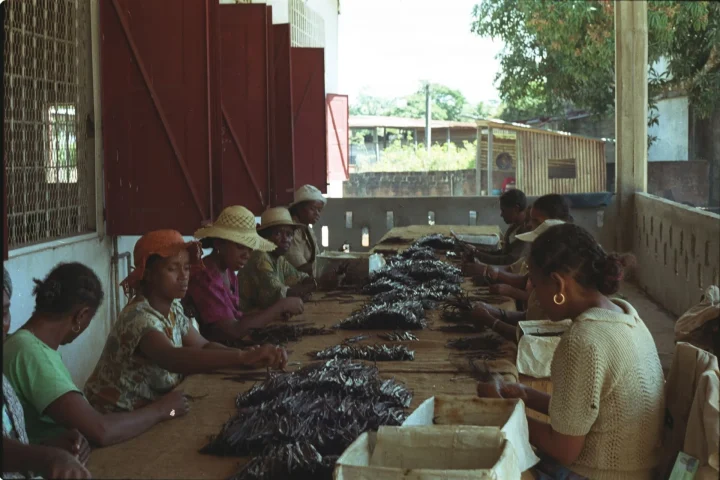
Buyers managing their own shipping under an FOB arrangement need to compare quotes from several freight forwarders based on the same route, transit time, and scope of service — not just the lowest number, without regard for the forwarder’s reputation and reliability. Forwarders experienced with food commodities like vanilla typically understand the special humidity and temperature handling requirements that matter for preserving product quality in transit.
Does Product Format Affect Shipping Cost?
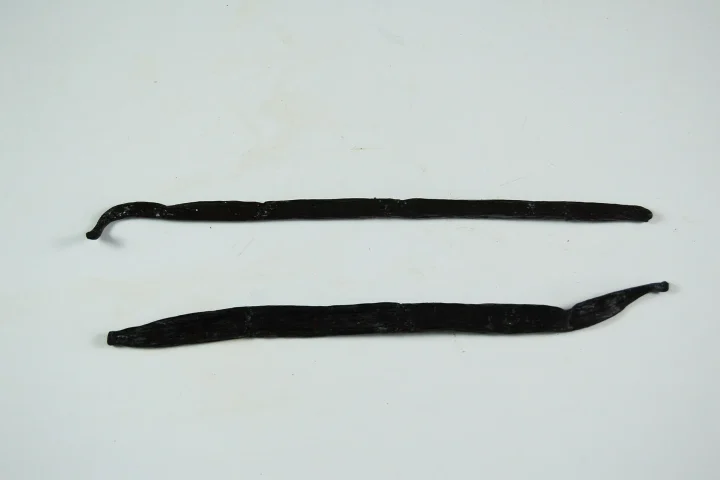
Yes — whole beans, powder, and vanilla caviar/paste each have different packaging and handling needs in transit, which in turn affects the shipping cost structure. Vanilla caviar or paste, for example, often needs more controlled handling than dried beans, which are more stable for long transit, so buyers ordering a mix of formats should confirm whether the shipment needs to be split by each format’s handling requirements or can be combined into one shipment with special packaging.
How Do You Build a Realistic Annual Logistics Budget?
Buyers with recurring shipments throughout the year should build their logistics budget around several scenarios — including possible seasonal rate increases and potential route changes — rather than basing it only on current rates, which may change by the time of the next shipment. An annual discussion with our desk about logistics cost projections can help buyers build a more realistic budget for medium-term production planning, while also identifying the best periods to consolidate orders for cost efficiency.
What Role Does Cargo Insurance Play in Total Cost?
Cargo insurance adds a small cost to the total shipment but provides financial protection in case of damage or loss in transit — a risk that shouldn’t be overlooked, given that long-haul sea freight involves many handling points. Buyers should confirm the insurance coverage included in a CIF quote, or arrange additional insurance themselves under an FOB arrangement, so the coverage amount matches the actual value of their shipment.
Get a Written Shipping Cost Estimate
The specific shipping cost structure for your order depends on the mode, volume, product format, and destination chosen, so the best estimate is always a written quote from our desk. See also our shipping and export page for an overview of the logistics process we handle end to end.
To get an accurate vanilla shipping cost estimate for your destination, contact the Bali Vanilla Export desk via WhatsApp at +62 811-3941-4563 or email [email protected].