The most important questions to ask an Indonesian vanilla supplier in 2027 cover grading criteria, documentation, sample availability, and payment structure — asked before volume is committed, not after. Procurement teams new to sourcing from Indonesia reduce risk substantially by treating supplier vetting as a structured checklist rather than a single conversation, since gaps in any one of these areas can create costly delays later in the relationship.
What Should You Ask About Grading and Specifications?
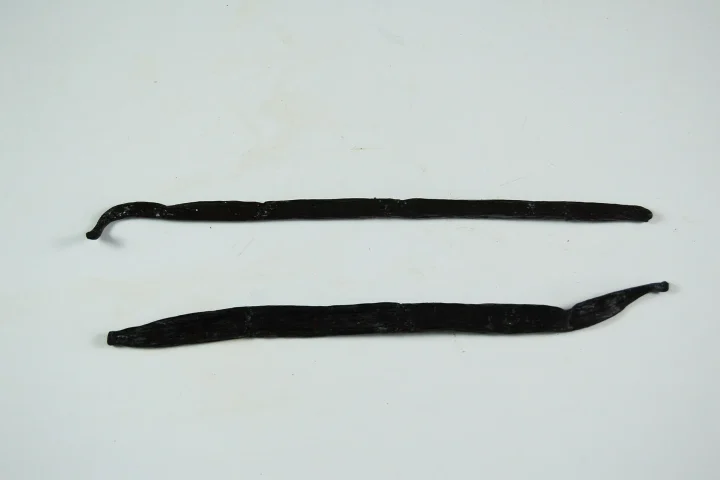
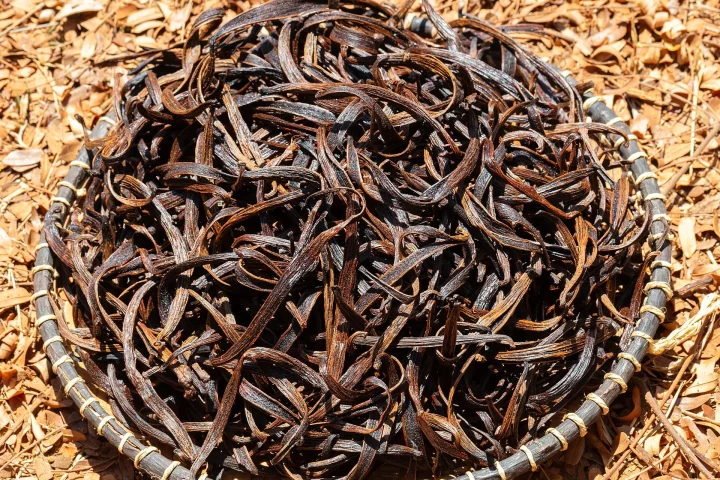
Start by asking exactly how the supplier defines Grade A versus Grade B (or other grade labels they use), since grading terminology is not standardized across exporters. Request a written specification sheet covering length, moisture range, and appearance criteria for each grade, and ask whether they can provide lab-tested certificates of analysis for shipments on request. A supplier who can answer these questions specifically and in writing — rather than describing grades in vague marketing language — is generally lower risk than one who cannot.
What Should You Ask About Documentation and Compliance?
Confirm which export documents the supplier will provide as standard — phytosanitary certificate, HS 0905-classified invoice and packing list, and certificate of origin — and ask about their track record with your destination market’s specific requirements, whether that’s the EU, US, or Japan. It is reasonable to ask how they handle a documentation discrepancy or delayed inspection, since suppliers with a clear contingency process tend to have handled the issue before and know how to resolve it without leaving your shipment stranded at port.
What Should You Ask About Samples and Verification?
Ask whether the supplier offers a structured sample order program before committing to full volume, and what the transition process looks like from sample approval to production contract. This is also the point to ask how a buyer can independently verify claims about origin, grading, or quality — whether through third-party lab testing, sample cross-checks, or reference conversations with existing buyers. Our own importer reviews and testimonials page gives new buyers a starting point for understanding how other importers have evaluated working with our desk.
What Should You Ask About Pricing and Payment Terms?
Ask how the supplier structures written quotations — do they include grade, format, volume, Incoterm, and validity period, or just a bare number? Because vanilla pricing fluctuates with harvest and global market conditions, a credible supplier should never quote a fixed number without these details attached. Also ask about accepted payment structures — letter of credit, telegraphic transfer, or other terms — and how counterparty risk is managed on both sides, particularly for a first-time transaction between new trading partners.
What Should You Ask About Origin and Traceability?
Ask which growing regions the supplier sources from — Bali, Java, Sulawesi, or Papua — and whether they can provide origin information at the batch or shipment level rather than a general country-of-origin claim. Buyers running sustainability or ethical-sourcing programs should also ask how the supplier structures relationships with farmers or farmer groups, since this information may be relevant to internal supply-chain reporting requirements even when it does not affect price directly.
How Do You Mitigate Risk When Importing for the First Time?
A structured vetting checklist reduces first-time-importer risk substantially, and our importer checklist for vetting vanilla suppliers 2027 walks through the full evaluation process step by step, from initial inquiry through first shipment. Beyond documentation and grading, it is worth asking how responsive a supplier is during the inquiry stage itself — response time, clarity of written communication, and willingness to put quotations and specifications in writing are early indicators of how the relationship will function once a contract is in place.
What Red Flags Should Buyers Watch For?
Be cautious of suppliers who refuse to provide written specifications, decline to discuss documentation processes in detail, or quote prices significantly below the range other suppliers are offering without a clear explanation. Reluctance to offer a sample order, vague answers about certificate of analysis availability, or an unwillingness to name the specific growing region of origin are all reasonable grounds to ask more questions before committing to volume.
What Should You Ask About Logistics and Shipping?
Ask which Incoterms the supplier typically works under, whether they coordinate freight directly or leave booking entirely to the buyer, and how they handle the interval between certificate issuance and vessel or flight departure. Buyers should also ask about typical lead time from order confirmation to shipment-ready product, since vanilla curing and drying are time-bound processes that cannot be compressed on demand — a supplier who gives a vague or unrealistically short lead time is worth questioning further before committing volume.
What Should You Ask About Format and Product Range?
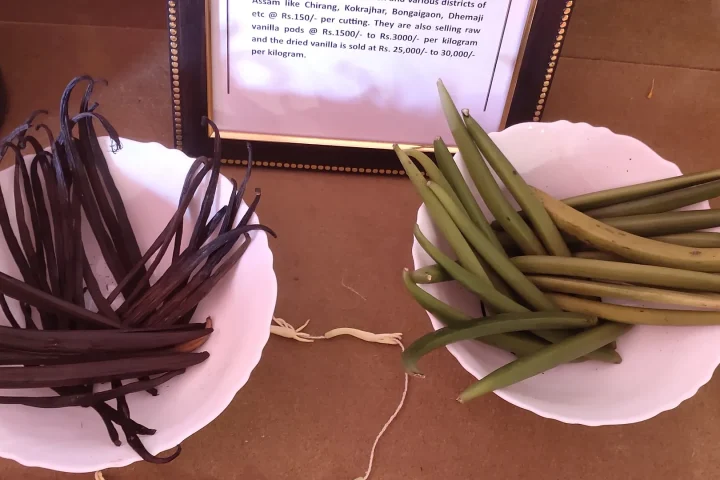
Confirm whether the supplier can provide whole pods, ground vanilla, and caviar/seed formats, or specializes in only one — a supplier limited to a single format may still be a good fit if that matches your production line, but buyers with mixed needs should confirm capability across formats before assuming a single supplier can cover everything. It is also worth asking whether pricing and lead time differ meaningfully between formats, since processing requirements are not identical across whole beans, ground powder, and seed paste.
How Should You Structure the First Conversation?
A productive first conversation with a new supplier typically covers target grade and format, estimated annual volume range, destination market, and preferred Incoterm — providing this information upfront allows the supplier to respond with a relevant, specific written quotation rather than a generic reply. Buyers who withhold this information often receive vague first responses simply because the supplier has nothing concrete to quote against; being specific from the first message tends to produce faster, more useful answers.
How Long Should Supplier Vetting Take Before the First Order?
There is no fixed timeline, but a realistic vetting process for a first-time relationship typically spans initial inquiry, receipt of written specifications and quotation, sample order and evaluation, and only then a production-scale contract discussion. Rushing this sequence to save a few weeks rarely pays off if it results in a mismatched specification or a documentation gap discovered only after a shipment is already in transit.
Bring Your Questions to Our Desk
If you are evaluating vanilla suppliers in Indonesia for the first time, our desk is available to answer grading, documentation, sampling, and pricing questions directly — in writing, with specifics rather than general claims, and without pressure to commit before you are ready. Certifications relevant to your market are available on request, subject to verification.
To ask your supplier vetting questions directly, contact the Bali Vanilla Export desk on WhatsApp at +62 811-3941-4563 or email [email protected].