The fastest way to vet a vanilla bean supplier is to demand verifiable evidence in twelve specific areas — origin traceability, grade consistency, laboratory testing, moisture, vanillin content, certification, curing, packaging, export documentation, sampling terms, payment protection, and repeat-supply capability — before any deposit changes hands. This article is that exact standard, published in full, because it is the same scorecard we invite importers to run against Bali Vanilla Export before they run it against anyone else.
Most vetting guides are written to make the author look good. Ours is written so you can disqualify people, including us if we fail it. Every point names the evidence to ask for, and where we hold that evidence, we link to it directly.
Why We Publish the Standard We Are Judged By
Indonesia shipped roughly 257,777 kg of vanilla in 2025, with the United States the largest buyer at about US$8.25 million, followed by France, Germany, the Netherlands, and China. That volume attracts serious exporters and, inevitably, brokers with no farm access, no lab data, and no ability to repeat a shipment. The gap between the two only becomes visible when you ask for documents.
We operate under Juara Holding Group, whose public track record and achievements exist outside the vanilla trade and can be checked independently. A supplier with a verifiable parent organisation has far more to lose from one bad container than a trading name registered last quarter. Weigh that as one input, not a substitute for the checklist below.
How to Use This Checklist
Score each of the twelve points as pass, partial, or fail. A serious supplier should pass at least ten outright, and two or more fails on documentation points — laboratory results, phytosanitary paperwork, or traceability — should end the conversation regardless of price. A cheap kilogram that arrives mouldy or cannot be reordered is the most expensive kilogram you will ever buy.
Points 1–4: Origin and Product Truth
1. Origin traceability to a named region and farm group
Ask the supplier to name the growing region and describe the farm network behind each lot. Indonesia’s premium Planifolia comes principally from Bali, Alor, and Papua, and each origin carries different pod character and harvest timing — we document ours on our Indonesian vanilla origins page covering Bali, Alor, and Papua. A supplier who cannot say where the beans grew cannot honestly say what they are.
2. Farm-of-origin visibility, not just a claim
Traceability should be demonstrable: lot codes, harvest windows, farm-group identifiers, and ideally QR-linked lot records that connect a carton back to its source. “Directly from farmers” is a slogan; a lot code you can query is evidence.
3. Grade consistency across the whole lot
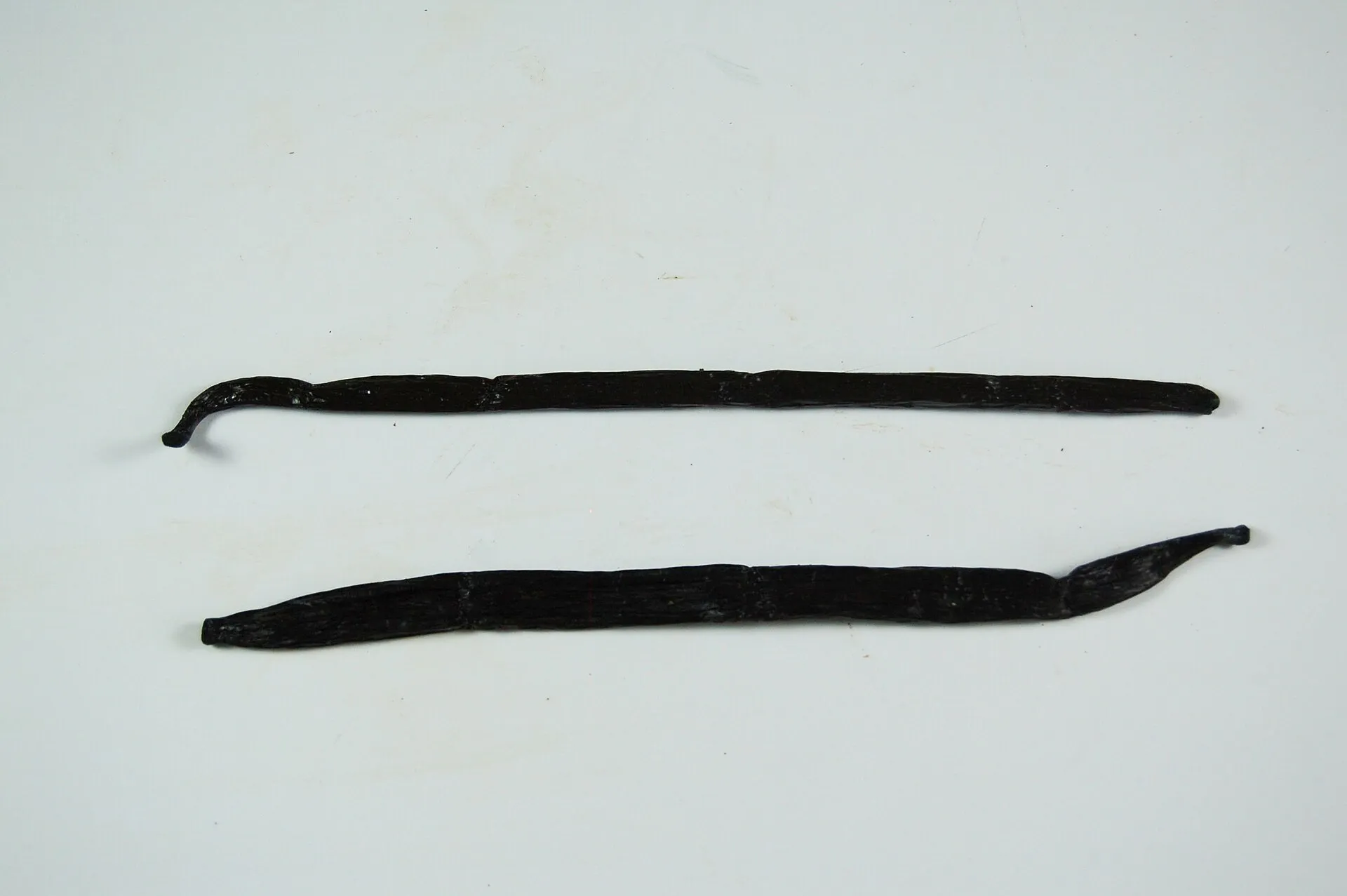
Grade A gourmet and Grade B extract-grade beans serve different buyers and different price bands — indicative Grade A Planifolia offers run from roughly US$30–80/kg and Grade B from US$20–50/kg, depending on vanillin and pod quality, against a broader indicative Indonesian wholesale band of US$14.76–36.90/kg. The vetting question is not the number; it is whether the top of the carton matches the bottom. Ask how the supplier defines each grade by length, appearance, and defect rate, and whether they will accept inspection against that definition.
4. A written specification sheet per lot
Origin, grade, pod length range, moisture band, vanillin range, curing method, and packaging format belong on one page, issued per lot, before you pay. If the specification only exists in chat messages, it does not exist.
Points 5–8: Laboratory Proof and Process
5. Lab testing with a Certificate of Analysis
Every serious shipment should be backed by a COA from lab testing of the actual lot, not a template from a previous season. We publish our approach, parameters, and sample documents on our lab-tested vanilla beans COA and specifications page so buyers can see the format before they ever request a quote.
6. Moisture content, stated and measured
Moisture drives both aroma delivery and mould risk in transit. Gourmet beans naturally carry more moisture than extract-grade beans; what you are vetting is whether the supplier states a moisture band for the specific grade and backs it with measurement on the lot you are buying. A supplier who avoids naming a number is asking you to absorb the transit risk.
7. Vanillin content measured per lot, not quoted generically
Vanillin percentage is where marketing claims most often outrun reality. The defensible practice — and the one we follow — is to publish a measured vanillin range from the lab COA for each lot rather than a generic sitewide figure. Treat any supplier quoting one fixed vanillin number for every shipment, all year, with suspicion.
8. A curing process they can walk you through
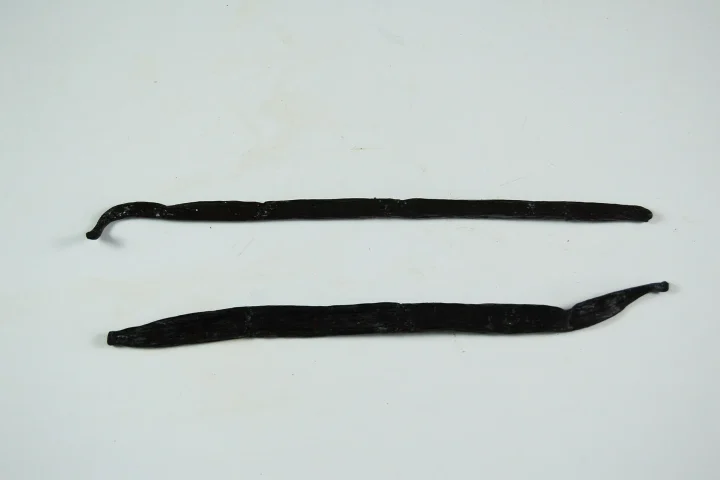
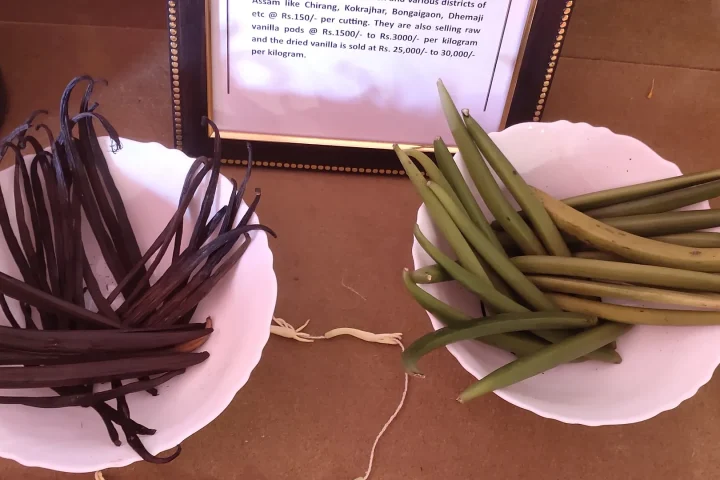
Quality Indonesian vanilla is built through pollination, harvest timing, sweating, drying, and conditioning over a long curing cycle. Export buyers should receive fully cured, conditioned beans — never green pods dried in a hurry to meet a deadline. Ask the supplier to describe their curing stages and timelines; our process controls are documented on our quality assurance page. Hesitation or vagueness here usually means they are buying from an aggregator and have never seen the curing floor.
Points 9–12: Compliance, Logistics, and Staying Power
9. Organic and compliance certification, honestly scoped
Organic certification is a genuine premium signal, particularly for EU-bound shipments where buyers will request documentation proving organic status alongside standard food-safety paperwork. The vetting point is honesty of scope: certification should name the certifier and the certified entity. An uncertified supplier who says so plainly is safer than one waving an unverifiable logo.
10. Packaging integrity built for sea freight
Vanilla trades under HS code 0905 and mostly moves by sea for volume orders, which means weeks in a container. Vacuum-sealed food-grade packaging with oxygen absorbers, inside protective cartons, is the accepted standard; air freight suits urgent samples and small premium lots. Ask exactly how your order will be packed and request photos of a previous packed shipment.
11. Stable export documentation, shipment after shipment
Indonesian vanilla exports move through official quarantine channels with phytosanitary documentation, and destination-country requirements vary by market. Ask which documents the supplier prepared on their last three shipments and for which countries. One clean documentation set can be luck; three in a row is a system. Note that customs and import requirements differ by destination and change over time — confirm the current document set for your market with your customs broker.
12. Repeat-supply capability and transparent MOQs
The final test is the least glamorous: can this supplier do it again next quarter, at the same grade? Ask for stated sample terms, trial-order MOQ, and container or air-carton options in writing, and ask how allocation works in a tight harvest year. A supplier structured for repeat supply will answer in specifics; a one-container opportunist will answer in reassurances.
Get the Downloadable Scorecard
We keep this checklist as a one-page importer scorecard — twelve points with pass/partial/fail boxes and the evidence to request for each. Message us on WhatsApp or email [email protected] with the subject “Vetting Scorecard” and we will send it over, no registration wall.
Frequently Asked Questions
What documents should a vanilla supplier provide before I pay a deposit?
At minimum: a per-lot specification sheet, a lab COA covering moisture and vanillin, evidence of origin traceability, phytosanitary and export documentation from prior shipments, and written MOQ and packing terms. If these arrive only after payment, walk away.
What vanillin content should I expect from Indonesian Grade A beans?
There is no single official Indonesian export standard for vanillin percentage, and honest suppliers reflect that. Expect a measured vanillin range on the lot’s COA rather than one universal number, with Grade A pricing varying by vanillin content and pod quality.
Is a supplier without organic certification automatically disqualified?
No. Certification is a strong premium signal, especially for European buyers, but an uncertified supplier who is transparent about it and passes the laboratory and traceability points can still be a sound partner. The disqualifier is claiming certification that cannot be verified.
How can I verify origin claims from overseas?
Ask for lot codes tied to named regions, harvest-window records, and farm-group details, then request a video call from the curing facility. Suppliers with real Bali, Alor, or Papua sourcing can show you; brokers reselling mixed stock cannot.
What is a red flag that should end negotiation immediately?
Refusal to provide a lot-specific COA is the clearest one. Close behind: a fixed vanillin figure quoted all year, pressure to wire funds before documents, and inability to name the documents used on their last shipment.
Put Us Through the Checklist
We built this standard to be used against us. Send your specification requirements, ask for our lot documents, and score Bali Vanilla Export point by point before you commit. Start on WhatsApp at +62 811-3941-4563 or email [email protected], and request a formal offer through our quote request page when you are ready to compare us against your shortlist.
Disclaimer: This checklist is general commercial guidance for importers and does not constitute legal, customs, or financial advice. Import regulations, documentation requirements, certification rules, and payment protections vary by destination country and change over time — verify the current requirements for your market with a licensed customs broker, trade attorney, or the relevant authority before committing funds to any supplier, including us.