Vanilla Bean Price Per Kg in 2026: What Buyers Need to Know
Understanding vanilla bean price per kg is critical for any business relying on this precious spice as a raw material. As the world’s second most expensive spice after saffron, vanilla pricing is influenced by a complex web of agricultural, climate, economic, and geopolitical factors that create significant year-to-year volatility. This comprehensive guide breaks down current 2026 pricing, regional variations, grade-based cost structures, and strategic approaches to managing vanilla procurement costs.
The global vanilla market, valued at approximately $14.3 billion in 2026, continues its trajectory toward $23 billion by 2036. This growth is fueled by consumer preference shifts toward natural flavoring, clean-label food products, and premium ingredient sourcing across food, beverage, cosmetics, and pharmaceutical industries.
Current Vanilla Bean Prices Per Kg by Origin and Grade (2026)
Indonesian Vanilla (Bali / Papua / Sulawesi) commands competitive pricing that offers excellent value for quality. Grade A Gourmet Indonesian Planifolia beans currently trade at $80-$150 per kilogram for wholesale quantities. Grade B Extract Quality beans range from $40-$90 per kilogram. Indonesian Tahitensis varieties command $90-$170 per kilogram due to limited production volumes.
Madagascar Bourbon Vanilla remains the global benchmark, with Grade A beans priced at $120-$250 per kilogram and Grade B at $60-$150 per kilogram. Madagascar accounts for approximately 40% of world vanilla production but faces recurring supply disruptions from cyclones, political instability, and infrastructure challenges that contribute to price volatility.
Tahitian Vanilla (French Polynesia) represents the ultra-premium segment at $200-$400 per kilogram for Grade A beans. Limited production of approximately 50 metric tons annually creates natural scarcity, while the distinctive floral-fruity flavor profile commands premium pricing from luxury food and fragrance manufacturers.
Uganda and Other African Origins have emerged as significant suppliers with Grade A pricing of $100-$180 per kilogram, offering flavor profiles that blend characteristics of both Indonesian and Madagascar vanilla. East African vanilla production has grown substantially, providing additional supply diversification for global buyers.
Factors Driving Vanilla Bean Price Per Kg in 2026
Several key factors influence vanilla bean pricing in the current market. Climate events including cyclones in Madagascar, El Nino/La Nina patterns affecting Southeast Asian rainfall, and localized drought or flooding can reduce crop yields by 20-40%, creating sharp price increases within 6-12 months. The 2024-2025 growing season in Indonesia benefited from favorable weather conditions, contributing to relative price stability for Indonesian-origin beans entering 2026.
Global demand growth continues to outpace production expansion. The natural vanilla segment grows at approximately 4-6% annually, while new vanilla plantations require 3-5 years before first harvest. This structural supply-demand imbalance creates a long-term upward price floor even in abundant harvest years.
Currency exchange rates significantly impact vanilla bean price per kg for international buyers. The Indonesian Rupiah, Madagascar Ariary, and other producer-country currencies fluctuate against the US Dollar, creating pricing variations that sophisticated buyers monitor and leverage for procurement timing.
Strategic Approaches to Managing Vanilla Procurement Costs
Forward contracting offers the most effective protection against vanilla price volatility. Locking in prices for 6-12 month periods through supply agreements with established exporters provides budget certainty and insulates against spot market price spikes. Indonesian exporters like Bali Vanilla Export offer flexible forward contracting with quarterly delivery schedules.
Origin diversification across Indonesia, Madagascar, and Uganda reduces dependency on any single supply chain. When Madagascar prices spike due to cyclone damage, Indonesian vanilla availability often provides a cost-effective alternative. Maintaining relationships with suppliers across multiple origins creates natural price hedging.
Grade optimization ensures you are paying for exactly the quality your application requires. If your end product involves vanilla extract production, Grade B beans at $40-$90/kg deliver equivalent flavor extraction results compared to Grade A beans at twice the price. Conversely, premium artisan applications that showcase whole bean visual appeal justify Grade A investment.
Volume commitment is perhaps the simplest path to better vanilla bean price per kg. Consolidating purchases with a single trusted supplier and committing to annual volumes of 500kg or more typically unlocks 10-25% savings compared to spot purchasing smaller quantities throughout the year.
Vanilla Price Forecast: What to Expect Through 2027
Industry analysts project relatively stable Indonesian vanilla pricing through 2027, with Grade A prices expected to trade within the $75-$160/kg range barring major weather disruptions. Madagascar prices face more uncertainty due to ongoing political and climate challenges, with Grade A potentially ranging from $100-$300/kg depending on the 2026 harvest outcome.
The broader trend toward natural ingredients in food and personal care products provides structural demand support for vanilla, suggesting prices are unlikely to return to the historically low levels seen in the synthetic vanillin era. Strategic buyers are advised to establish reliable supply partnerships now while Indonesian vanilla offers some of the most competitive pricing in the global market.
Frequently Asked Questions
What is the current price of vanilla beans per kg in 2026?
As of 2026, Indonesian Grade A vanilla beans range from $80-$150/kg wholesale, Grade B from $40-$90/kg. Madagascar Grade A ranges from $120-$250/kg. Prices vary based on volume, grade specifications, certifications, and market conditions at time of purchase.
Why are vanilla beans so expensive per kilogram?
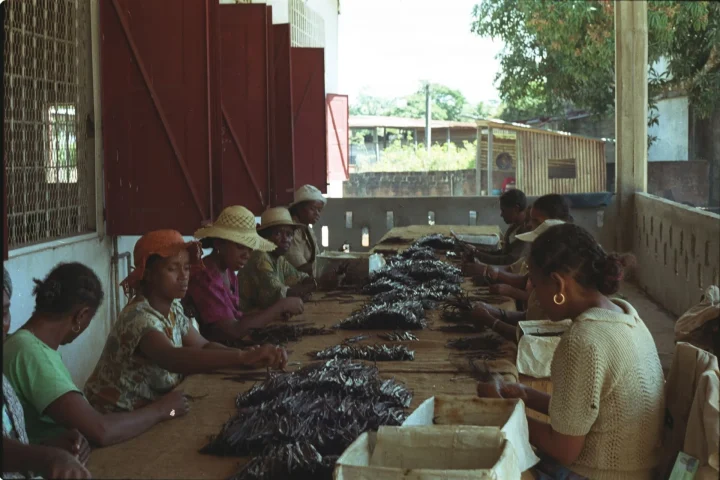
Vanilla requires 3-5 years before first harvest, manual hand-pollination within a 12-hour window, and 6-9 months of labor-intensive curing. Each vanilla orchid produces only 1-3 beans, and approximately 600 hand-pollinated flowers are needed to produce 1kg of cured beans. This intensive process makes vanilla the world’s second most expensive spice.
Is Indonesian vanilla cheaper than Madagascar vanilla?
Yes, Indonesian vanilla typically costs 15-30% less than equivalent Madagascar Bourbon vanilla grades. This price advantage reflects lower production costs in Indonesia, favorable exchange rates, and established processing infrastructure in Bali, while maintaining comparable vanillin content and flavor quality.
How can I get the best price on wholesale vanilla beans?
To achieve optimal vanilla bean pricing: commit to larger volumes (100kg+), establish annual supply agreements, source directly from exporters rather than brokers, consider Grade B beans for extract applications, and time purchases during post-harvest periods (typically July-November for Indonesian vanilla) when supply is most abundant.
Do vanilla bean prices fluctuate seasonally?
Yes, vanilla prices typically follow seasonal patterns. Indonesian vanilla harvest season runs from May to August, with cured beans available for export from September onwards. Post-harvest months (September-January) often offer the most competitive pricing as fresh supply enters the market. Pre-harvest months (February-May) may see tighter supply and higher prices.