Projected vanilla bean prices for Bali exporters in 2027 are expected to be influenced by global supply dynamics, particularly from Madagascar, and evolving demand for natural vanilla. While specific figures are difficult to predict, a moderate increase from current levels is plausible, contingent on stable political climates and consistent quality from Indonesian producers. Bali vanilla export profitability forecast 2027 suggests a focus on value-added products and direct trade for sustained returns.
Understanding Projected Vanilla Bean Prices: Bali Exporters 2027 Outlook
The global vanilla market is inherently dynamic, with prices often fluctuating significantly based on a confluence of factors. For Bali exporters, understanding these dynamics is crucial for strategic planning and maintaining profitability. As we look towards 2027, several key elements will likely shape the pricing landscape for Indonesian vanilla beans, particularly those originating from Bali.
One of the primary drivers of global vanilla bean market growth impact on Bali exporters 2027 will be the supply situation in Madagascar. Historically, Madagascar has dominated the global vanilla supply, and its harvest yields, curing practices, and political stability directly influence international prices. Any significant disruption or surplus from Madagascar tends to send ripples through the entire market. For Bali, this means that while its vanilla typically commands a premium due to its distinct flavour profile and curing methods, it is not entirely insulated from broader market movements.
Demand-side factors are also critical. The clean label movement and consumer preference for natural ingredients continue to support the demand for genuine vanilla. However, the rise of synthetic vanillin and other vanilla substitutes in cost-sensitive applications can cap price increases for lower-grade beans. Bali exporters focusing on high-quality gourmet vanilla beans and those destined for extract production may find more stable demand and better pricing.
Key Influencers on Bali Vanilla Pricing in 2027
- Madagascar’s Harvest and Stability: The volume and quality of Madagascar’s vanilla harvest will remain a pivotal factor. A strong harvest there could exert downward pressure on prices, while crop failures or political instability could drive them up.
- Indonesian Production Volume: The overall vanilla production volume across Indonesia, including Bali, will also play a role. Consistent yields and reliable supply chains from Indonesia can help stabilise local prices and strengthen Bali’s market position.
- Global Demand for Natural Vanilla: Continued consumer preference for natural ingredients in food, beverage, and cosmetic industries will sustain demand. Any shift towards synthetic alternatives, perhaps driven by economic downturns, could soften demand for premium beans.
- Currency Exchange Rates: Fluctuations in the Indonesian Rupiah against major trading currencies (USD, EUR) will directly impact the revenue received by exporters. A weaker Rupiah generally makes exports more competitive but can also increase the cost of imported inputs.
- Logistics and Shipping Costs: Global shipping costs, influenced by fuel prices and geopolitical events, directly affect the final landed cost of vanilla beans. Efficient logistics will be crucial for maintaining competitive pricing.
Bali Vanilla Export Profitability Forecast 2027: Strategies for Success
For Bali vanilla export profitability forecast 2027 to remain robust, exporters should consider several strategic approaches. Diversification of product offerings, such as focusing on Bali Grade A vanilla beans for extract production alongside whole gourmet beans, can open up new markets and revenue streams. Building direct relationships with international buyers, rather than relying solely on intermediaries, can also lead to better price realisation and greater control over the supply chain.
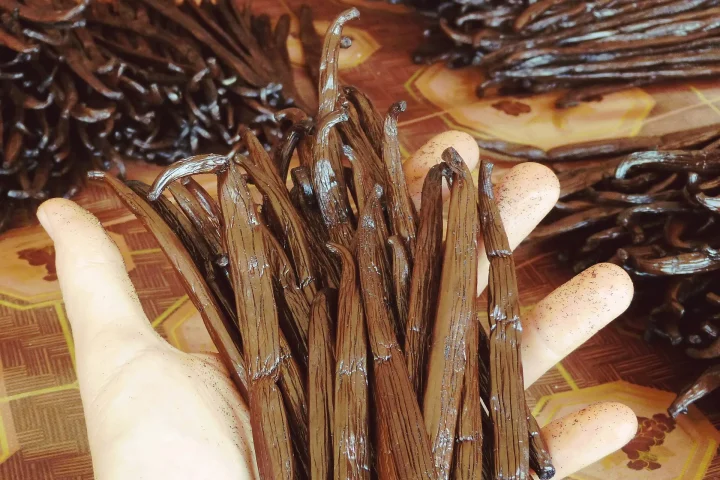
Investing in advanced curing techniques and quality control measures will be paramount. Bali vanilla is renowned for its distinctive aroma and flavour, and maintaining these characteristics through meticulous processing is essential for commanding premium prices. Certification for organic or fair trade practices could also add value and appeal to ethically conscious consumers, offering a competitive edge in a crowded market.
Furthermore, understanding the specific needs of different market segments – for instance, the extract industry versus high-end culinary applications – allows exporters to tailor their products and pricing strategies accordingly. This nuanced approach helps in optimising returns across various buyer types.
Global Vanilla Bean Market Growth Impact on Bali Exporters 2027
The global vanilla bean market growth impact on Bali exporters 2027 is multifaceted. While overall market growth driven by demand for natural products is positive, it also attracts new producers, potentially increasing competition. Bali exporters must therefore differentiate themselves through consistent quality, reliable supply, and potentially unique flavour profiles that are characteristic of the region. Focusing on niche markets that appreciate Bali’s specific vanilla varieties can help maintain pricing power even amidst broader market fluctuations.
Innovation in packaging and presentation can also add value, particularly for gourmet markets. Presenting vanilla beans in attractive, air-tight packaging that preserves their aroma and moisture content can enhance their appeal and justify a higher price point. Exploring new processing methods, such as vanilla powder or paste, could also open up additional avenues for growth and revenue.
The year 2027 note: While specific figures remain speculative, the underlying trends suggest a cautious optimism for Bali vanilla exporters. Proactive engagement with market intelligence, stringent quality control, and strategic market positioning will be crucial for projected vanilla bean prices for Bali exporters in 2027 effectively.
FAQ
What factors are expected to influence the projected vanilla bean prices for Bali exporters in 2027, and how can businesses mitigate price volatility?
Projected vanilla bean prices for Bali exporters in 2027 will be primarily influenced by Madagascar’s harvest volume and political stability, global demand for natural vanilla, Indonesian production levels, currency exchange rates, and international shipping costs. Businesses can mitigate price volatility by focusing on consistent quality and curing practices to command premium prices, diversifying product offerings (e.g., whole beans and extract-grade), establishing direct trade relationships with buyers, and exploring value-added products like vanilla powder or paste. Building robust supply chain resilience and monitoring global market trends closely are also essential strategies.
What is the Bali vanilla export profitability forecast for 2027?
The Bali vanilla export profitability forecast for 2027 is cautiously optimistic. Profitability is expected to be sustained for exporters who prioritise high-quality beans, implement efficient curing processes, and focus on direct sales channels or niche markets. Exporters who can differentiate their product through sustainable practices or unique flavour profiles are likely to achieve better margins, despite potential global market fluctuations.
How will global vanilla bean market growth impact Bali exporters in 2027?
Global vanilla bean market growth in 2027, driven by increasing consumer preference for natural ingredients, will generally benefit Bali exporters by expanding overall demand. However, this growth may also attract new producers, intensifying competition. Bali exporters can leverage this by focusing on their unique selling propositions, such as Bali’s distinct flavour profile and meticulous curing methods, to maintain a competitive edge and secure stable pricing within the growing market.