The Bali vanilla export market forecast 2027 suggests steady growth, driven by increasing global demand for natural flavourings and a renewed focus on sustainable sourcing. Opportunities lie in expanding into premium culinary and extract markets, particularly in North America and Europe, as these regions prioritise high-quality, traceable Indonesian Bali natural vanilla.
As we approach 2027, the global vanilla market continues to evolve, with specific origins like Bali gaining prominence. The unique flavour profile and sustainable cultivation practices associated with Balinese vanilla are increasingly appealing to international buyers. This forecast examines the key trends shaping the Bali vanilla export market towards 2027, identifying significant opportunities for growers and exporters.
Bali Vanilla Export Market Forecast 2027: Demand Drivers
Several factors underpin the positive outlook for Bali vanilla. Consumer preferences are shifting decisively towards natural ingredients, moving away from artificial alternatives. This trend is particularly strong in the food and beverage industry, where natural vanilla is indispensable for confectionery, dairy, and baking. Furthermore, the cosmetics and fragrance sectors are also expanding their use of natural vanilla extracts, contributing to the overall bali vanilla beans export demand 2027. The growing awareness of vanilla’s health benefits, including its antioxidant properties, further fuels this demand.
Geographical Opportunities for Bali Vanilla
While traditional markets in Europe and North America remain crucial, emerging economies are also showing increased interest in high-quality vanilla. Countries in Asia, particularly Japan and South Korea, are demonstrating a growing appreciation for gourmet ingredients, including premium vanilla from Indonesia. Exporters should consider diversifying their market reach to capitalise on these burgeoning opportunities. Focusing on direct relationships with manufacturers and high-end retailers in these regions could prove particularly lucrative.
Sustainability and Traceability: A Core Trend for 2027
Sustainability is no longer a niche concern; it is a fundamental expectation for consumers and businesses alike. Buyers are increasingly scrutinising the origins and production methods of their ingredients. For Bali vanilla, this translates into a significant advantage. The smaller scale of many Balinese farms often allows for more direct oversight of ethical labour practices and environmentally sound cultivation. Marketing efforts should highlight these aspects, ensuring transparency from farm to final product. Certification schemes, such as organic or fair trade, will become even more vital in meeting the stringent requirements of international markets. This emphasis on provenance strengthens the appeal of Indonesian Bali natural vanilla export outlook 2027.
Technological Adoption and Value Addition
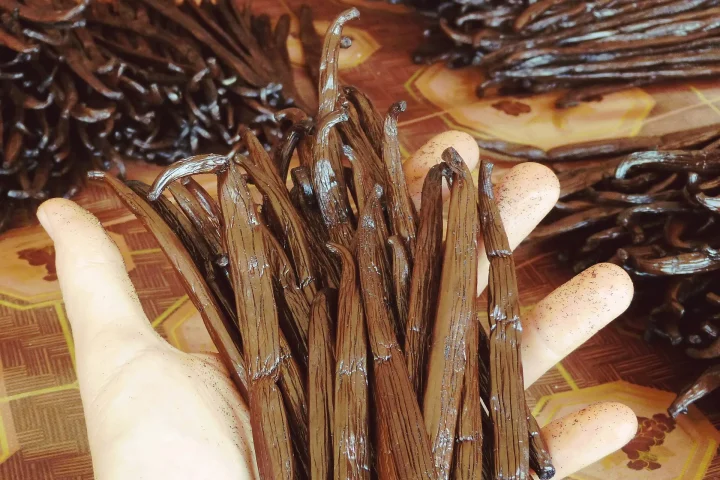
The vanilla industry, including Bali’s segment, can benefit significantly from technological advancements. Improved curing techniques, for instance, can enhance the quality and shelf life of vanilla beans, commanding higher prices. Furthermore, exploring value-added products, such as vanilla extract or vanilla powder, can open new revenue streams. Investing in modern processing facilities and quality control measures will be crucial for meeting international standards and expanding market reach. Online platforms and digital marketing will also play an increasingly important role in connecting Balinese vanilla producers with global buyers, streamlining the export process and enhancing the visibility of their products. For those seeking premium Bali vanilla, understanding these technological shifts is key.
Challenges and Mitigation Strategies
Despite the positive forecast, challenges remain. Price volatility, often influenced by global supply from Madagascar, can impact profitability. Climate change also poses a threat, with extreme weather events potentially affecting crop yields. To mitigate these risks, Balinese vanilla growers and exporters should focus on:
- Diversifying cultivation methods to enhance resilience.
- Forming long-term contracts with buyers to ensure stable pricing.
- Investing in research and development for disease-resistant vanilla varieties.
- Collaborating with local government and international organisations for support in sustainable practices.
Maintaining a consistent supply of high-grade vanilla beans suitable for extract production will be paramount.
Market Segmentation and Product Diversification
Understanding the different market segments is crucial for maximising export potential. The demand for whole vanilla beans, vanilla extract, and even vanilla paste varies across industries and regions. Exporters should consider offering a range of products tailored to specific buyer needs. For example, gourmet chefs may prefer whole beans for their intense flavour, while large-scale food manufacturers might opt for high-quality extracts. Packaging and branding also play a significant role, with aesthetically pleasing and informative packaging attracting premium buyers. The Indonesian Bali natural vanilla export outlook 2027 is strongly tied to this strategic diversification.
2027 Note: The global vanilla market is dynamic, and while this forecast provides a robust outlook based on current trends, continuous monitoring of market shifts, consumer behaviour, and global economic indicators will be essential for sustained success in the Bali vanilla export sector.
FAQ
What are the primary drivers for the projected growth in the Bali vanilla export market towards 2027, and which regions show the most promise?
The primary drivers for projected growth in the Bali vanilla export market towards 2027 include increasing global consumer demand for natural ingredients, a growing preference for sustainably sourced products, and the unique flavour profile of Balinese vanilla. Regions showing the most promise are North America and Europe for premium culinary and extract markets, alongside emerging markets in Asia, particularly Japan and South Korea, which are developing a taste for high-quality gourmet ingredients.
How does sustainability influence the Bali vanilla export market forecast 2027?
Sustainability is a critical factor influencing the Bali vanilla export market forecast 2027. International buyers and consumers are increasingly prioritising ethically sourced and environmentally responsible products. For Bali, this means highlighting transparent supply chains, fair labour practices, and eco-friendly cultivation methods. Adherence to sustainability standards and potential certifications will significantly enhance market access and premium pricing for Indonesian Bali natural vanilla in the coming years.
What role will technology and value-added products play in the bali vanilla beans export demand 2027?
Technology and value-added products will play a crucial role in shaping bali vanilla beans export demand 2027. Advanced curing techniques can improve bean quality and shelf life, making Balinese vanilla more competitive. Developing value-added products like natural vanilla extract, paste, or powder can diversify revenue streams and cater to different industry needs. Digital marketing and e-commerce platforms will also be vital for connecting producers with global buyers, enhancing market reach and efficiency.