In 2027, Bali vanilla export faces a dynamic global market, competing with Madagascar primarily through distinct flavour profiles and sustainable practices. While Madagascar maintains volume dominance, Bali differentiates itself with unique aromatic notes and a focus on ethical sourcing, appealing to a discerning market segment seeking premium, traceable vanilla. Strategic positioning and quality control are essential for Bali’s continued growth.
Bali Vanilla’s Position in the 2027 Global Market
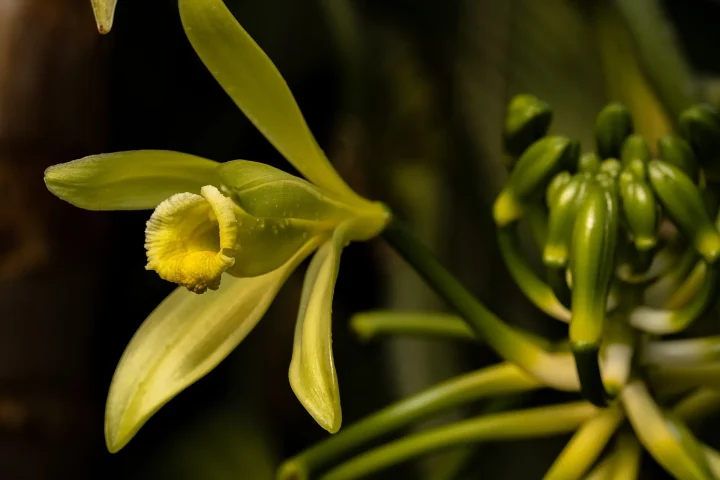
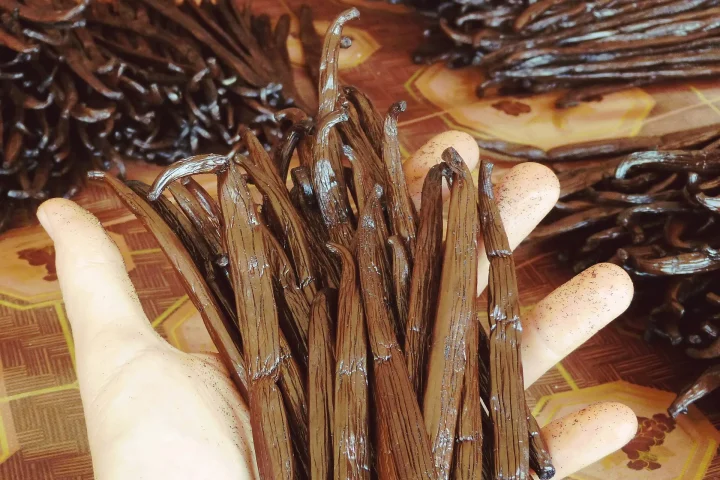
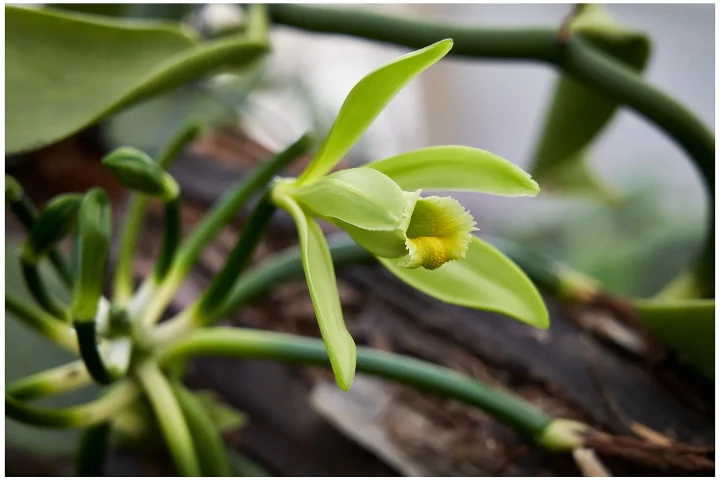
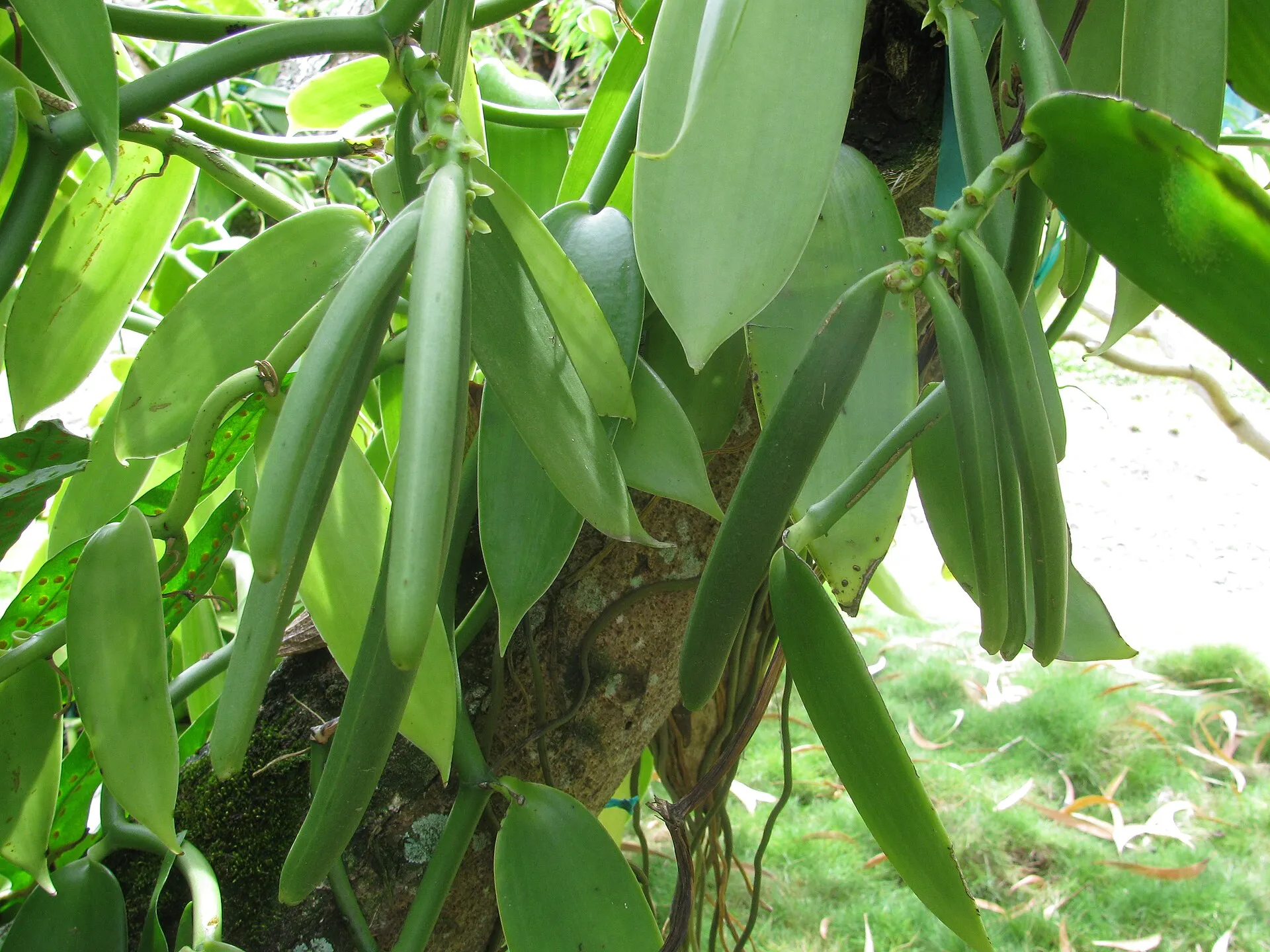
The global vanilla market in 2027 continues to be shaped by Madagascar’s substantial output, yet niche producers like Bali are carving out significant spaces. Bali vanilla, primarily Vanilla planifolia, offers a flavour profile often described as sweet, creamy, and subtly woody, distinct from the bolder, often smoky notes associated with some Madagascan beans. This differentiation is crucial for Bali vanilla exporters aiming to capture market share. As consumer preferences evolve, there’s an increasing demand for transparent supply chains and unique flavour experiences, areas where Bali can excel.
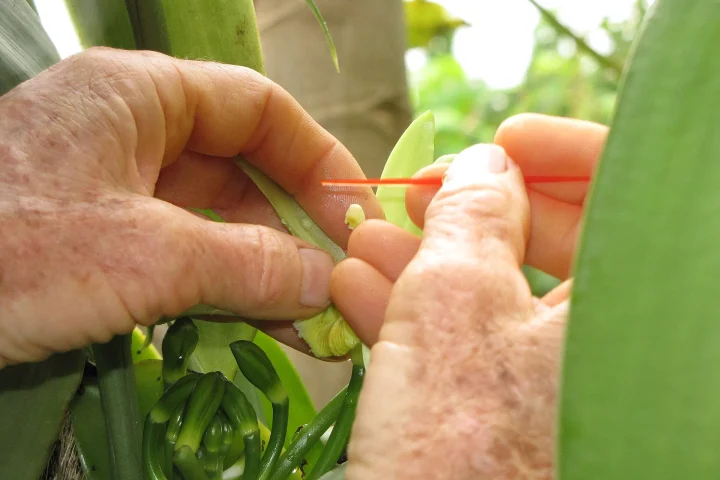
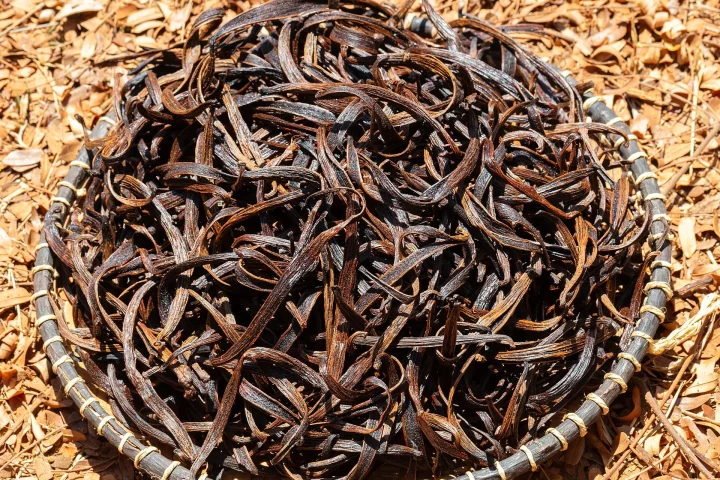
Indonesia, as a whole, is the second-largest vanilla producer globally, and Bali contributes to this reputation with its high-quality cultivation methods. The island’s specific microclimates and traditional curing processes impart characteristics that set its vanilla apart. For 2027, the focus for Bali’s vanilla industry must remain on consistency in quality and leveraging its distinct identity.
Differentiating Bali Vanilla in Global Markets
Successfully differentiating Bali vanilla in global markets against the established dominance of Madagascar requires a multi-faceted approach. Beyond flavour, provenance plays a vital role. Buyers in 2027 are increasingly interested in the origin story, the cultivation practices, and the socio-economic impact of their purchases. Bali’s smaller-scale farming communities often employ traditional, sustainable methods, which can be a powerful marketing tool.
- Flavour Profile: Emphasising the sweet, nuanced notes of Bali vanilla compared to the more traditional Madagascan profiles.
- Sustainability: Highlighting eco-friendly farming and curing practices that align with global ethical sourcing trends.
- Traceability: Providing clear information on the origin of beans, from farm to export, building buyer trust.
- Direct Trade Opportunities: Fostering relationships with international buyers seeking direct access to producers.
Another area of differentiation is in product application. While Madagascan vanilla is a staple for many industrial applications, Bali vanilla can target high-end culinary markets, artisanal food producers, and gourmet chefs who appreciate its specific characteristics. This strategic targeting allows Bali to compete on quality and uniqueness rather than solely on price or volume.
Bali Vanilla Export Risk Analysis 2027
A comprehensive bali vanilla export risk analysis 2027 reveals several factors that could impact market stability and growth. Climate change remains a primary concern, with unpredictable weather patterns potentially affecting crop yields and quality. Investing in resilient farming practices and crop diversification is essential to mitigate these risks.
Market volatility, driven by fluctuations in Madagascan supply or global economic shifts, also presents a challenge. Over-reliance on a single export market or buyer can be risky. Diversifying customer bases and exploring new geographical markets will be key for Bali exporters in 2027. Furthermore, ensuring compliance with international food safety standards and export regulations is paramount to maintaining access to lucrative markets.
Political stability and local infrastructure development within Indonesia also influence the export landscape. Efficient logistics, from farm to port, are critical for timely delivery and maintaining product integrity. Exporters should monitor these factors closely to adapt their strategies as needed.
Madagascar’s Enduring Market Influence
Madagascar’s position as the world’s leading vanilla producer is unlikely to be significantly challenged by 2027. Its sheer volume of production, particularly of Vanilla planifolia, sets the global benchmark for supply. Madagascan vanilla often benefits from established trade routes and a long-standing reputation in the industry. However, Madagascar has also faced challenges, including quality control issues, price instability, and concerns over unethical labour practices in certain regions. These vulnerabilities present opportunities for smaller, more agile producers like Bali to gain an advantage by focusing on quality and ethical sourcing.
The Madagascan vanilla industry is also making efforts to address these concerns, with initiatives aimed at improving curing standards and promoting fair trade. This means Bali exporters cannot solely rely on Madagascan shortcomings but must proactively build their own strong brand identity and supply chain integrity. For instance, offering Bali Grade A vanilla beans for extract production with transparent sourcing can directly compete with premium Madagascan offerings.
2027 Note
By 2027, the global vanilla market is anticipated to show increased segmentation, with a growing emphasis on origin, sustainability, and unique flavour profiles. While bulk commodity vanilla will likely remain Madagascar’s domain, Bali is poised to expand its market share in the premium, specialty vanilla segment. Exporters who invest in quality control, transparent supply chains, and targeted marketing will be best positioned for success in this evolving landscape.
FAQ
What are the competitive advantages and challenges for Bali vanilla exporters when compared to Madagascar in the 2027 global market?
In 2027, Bali vanilla’s competitive advantages include its distinct, often sweeter flavour profile, strong potential for sustainable and traceable sourcing, and the ability to target niche, high-value markets. Challenges involve overcoming Madagascar’s established market dominance and volume, managing price volatility, and ensuring consistent quality and supply amidst environmental and logistical constraints.
How can Bali vanilla producers enhance their market competitiveness against larger vanilla-producing regions?
Bali vanilla producers can enhance competitiveness by focusing on quality assurance, obtaining certifications for organic or fair trade practices, investing in advanced curing techniques, and actively promoting the unique flavour characteristics and provenance of Bali vanilla through targeted marketing campaigns and direct buyer relationships. Developing value-added products like vanilla paste or extracts can also expand market reach.
What role will sustainability and ethical sourcing play in the 2027 vanilla export market?
Sustainability and ethical sourcing will play an increasingly critical role in the 2027 vanilla export market. Consumers and industrial buyers are prioritising products with transparent supply chains, fair labour practices, and minimal environmental impact. Exporters demonstrating strong commitments to these principles will gain a significant competitive edge, attract premium pricing, and secure long-term partnerships with socially conscious brands.