Investment in Bali vanilla farming for export offers promising returns by 2027, driven by sustained global demand for premium vanilla. Early projections indicate a strong return on investment within five years, contingent on efficient farm management, strategic market entry, and securing favourable export contracts for high-grade beans.
The global demand for high-quality vanilla continues its steady ascent, making investment in Bali vanilla farming for export an increasingly attractive proposition. As we approach 2027, the market is set to further stabilise, moving beyond the price volatility seen in previous years. This stability provides a more predictable landscape for investors looking to capitalise on Indonesia’s ideal climate and fertile soil, particularly on the island of Bali, renowned for its agricultural prowess.
Understanding the Market Landscape for Bali Vanilla Export by 2027
The vanilla market is complex, influenced by harvest cycles in Madagascar, Indonesia, and Papua New Guinea. Bali, with its specific microclimates, produces vanilla beans with distinct flavour profiles highly sought after by gourmet food manufacturers, perfumeries, and extract producers. By 2027, the focus for buyers will increasingly be on consistent supply chains and ethically sourced products, areas where Bali’s smaller, more manageable farms can excel.
Forecasting returns for Bali vanilla export requires a close examination of several factors. The long cultivation period for vanilla, typically three to five years before the first significant harvest, means that investments made today are specifically geared towards profitability in the 2026-2027 harvest seasons and beyond. This long-term perspective is crucial for understanding the potential for sustained income streams.
Startup Costs and ROI by 2027 for Bali Vanilla Farming
Assessing bali vanilla export startup costs and roi by 2027 involves considering land acquisition or lease, initial plant stock, irrigation systems, labour for planting and maintenance, and processing facilities. A typical vanilla farm requires significant upfront capital. However, the high value of cured vanilla beans can lead to substantial returns once production is established.
- Land preparation and initial planting materials.
- Development of trellising and shade structures.
- Labour for hand-pollination and curing.
- Processing equipment for drying and curing vanilla beans.
- Certification costs (e.g., organic, fair trade) to access premium markets.
Return on investment (ROI) by 2027 will largely depend on yield per plant, the quality of the harvested beans, and prevailing market prices. While exact figures fluctuate, high-grade, cured vanilla beans can command prices upwards of $250-$350 per kilogramme, making the investment highly lucrative over time. Early engagement in the market allows for strategic positioning to capture these premium prices.
Securing Long Term Vanilla Export Contracts Bali 2027
A critical component of a successful Bali vanilla export venture is securing long term vanilla export contracts Bali 2027. These contracts provide stability and guaranteed buyers for future harvests, mitigating market price fluctuations. Establishing relationships with international buyers, flavour houses, and extract producers is paramount. Many buyers are eager to secure direct relationships with growers to ensure traceability and quality control.
Our experience at Bali Vanilla Export indicates that buyers are increasingly seeking transparent supply chains. We assist growers in connecting with reputable international partners, facilitating agreements that benefit both parties. For those looking to understand the specific characteristics of our produce, information on our Bali vanilla beans is readily available.
Focusing on producing Bali Grade A vanilla beans for extract production is a strategic move, as this segment of the market offers consistent demand and higher price points. By 2027, the demand for natural vanilla extract in the food and beverage industry is projected to remain robust, securing a strong market for premium beans.
Operational Efficiencies and Quality Control for 2027 Harvests
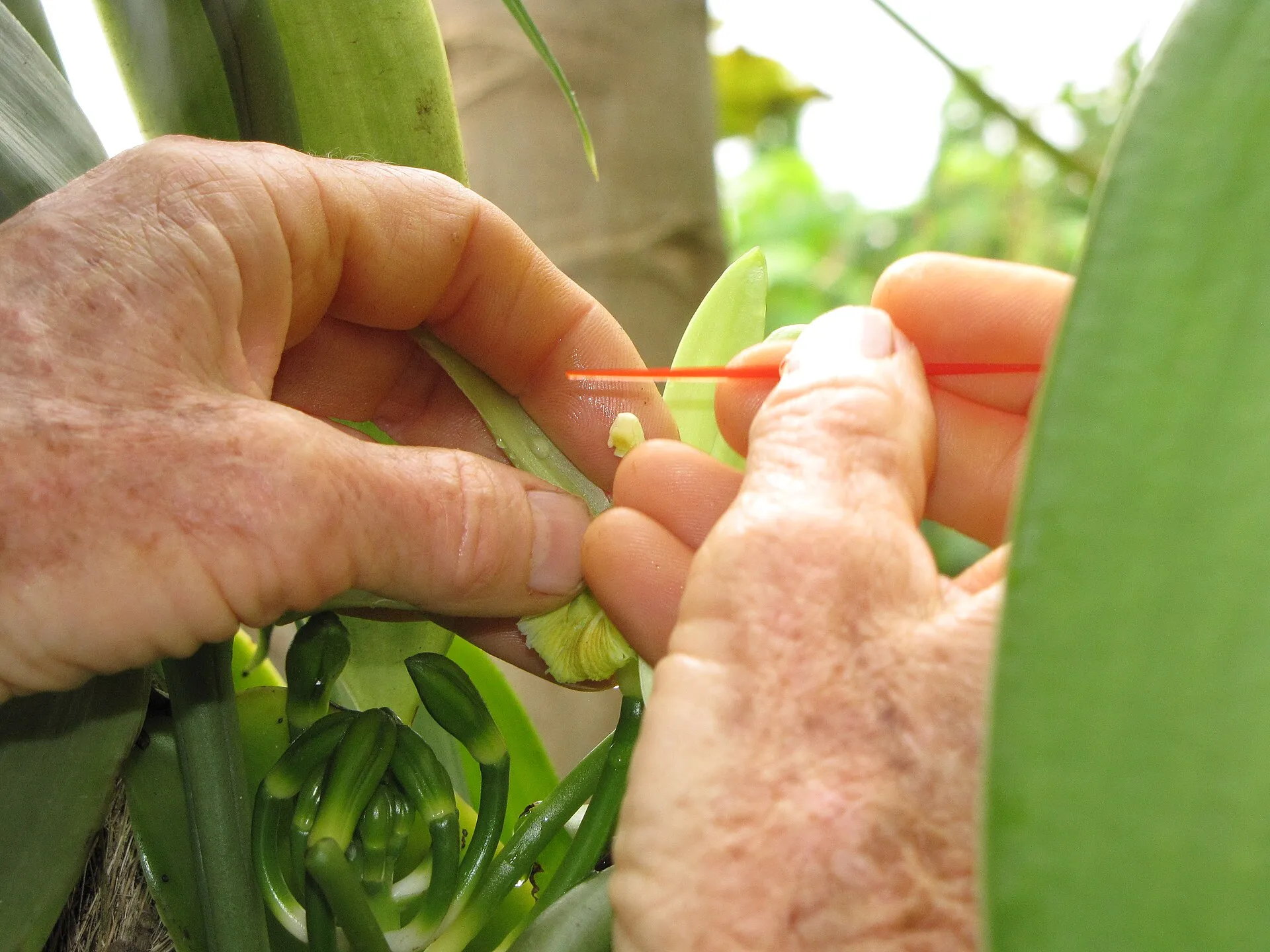
Achieving optimal returns by 2027 necessitates stringent operational efficiencies and uncompromising quality control. Vanilla cultivation is labour-intensive, requiring meticulous care from planting to curing. Effective farm management, including pest control, nutrient management, and precise hand-pollination, directly impacts yield and bean quality.
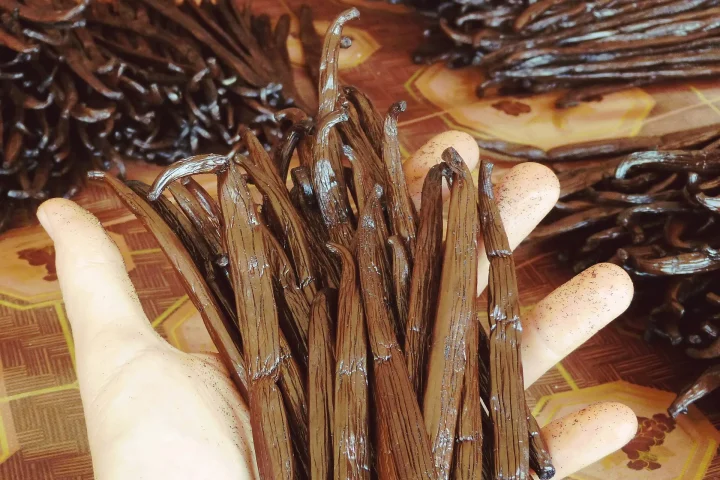
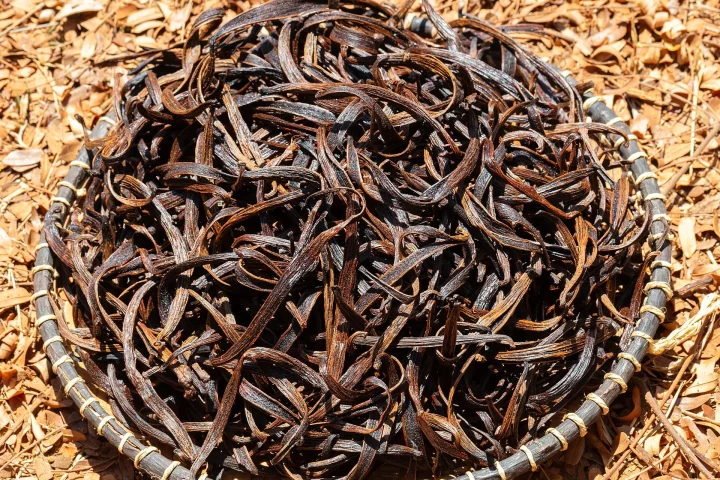
The curing process is perhaps the most crucial stage for determining the final value of the vanilla bean. Proper drying, sweating, and conditioning are essential to develop the characteristic aroma and flavour. Investment in skilled labour and appropriate curing facilities ensures that the vanilla meets international export standards, allowing for access to premium buyers who pay more for exceptional quality.
By 2027, adherence to international agricultural standards and potentially organic or fair-trade certifications will significantly enhance marketability. These certifications not only justify higher prices but also open doors to niche markets that prioritise ethical and sustainable sourcing.
2027 Note
As we advance towards 2027, the trajectory for Bali vanilla export remains positive. The emphasis will be on sustainable practices, consistent quality, and robust supply chain management. Investors entering this space now are well-positioned to reap the benefits of a maturing market with stable demand and premium pricing for high-grade Indonesian vanilla.
FAQ
What are the projected returns on investment for individuals or companies considering investing in Bali vanilla farming specifically for export by 2027?
Projected returns on investment for Bali vanilla farming by 2027 are favourable, with high-quality cured vanilla beans fetching premium prices. While initial capital outlay is significant due to the multi-year growth cycle, well-managed farms can anticipate substantial profitability within five years, often achieving an annualised return of 15-25% or more, depending on market prices and yield efficiency. Returns are further enhanced by securing long-term export contracts.
What are the primary startup costs for a new Bali vanilla export operation?
Primary startup costs for a new Bali vanilla export operation typically include land acquisition or long-term lease, purchase of vanilla plant cuttings, establishment of trellising and shade infrastructure, irrigation systems, initial labour for planting and ongoing cultivation, and investment in curing facilities. Certification costs for organic or fair-trade status should also be factored in, as these enhance market value.
How can a new vanilla farm secure long-term export contracts for Bali vanilla by 2027?
New vanilla farms can secure long-term export contracts by 2027 through consistent production of high-quality beans, building direct relationships with international buyers and flavour houses, attending trade shows, and engaging with reputable export facilitators. Demonstrating adherence to international quality standards and sustainable farming practices significantly increases appeal to discerning buyers seeking reliable and ethically sourced vanilla.