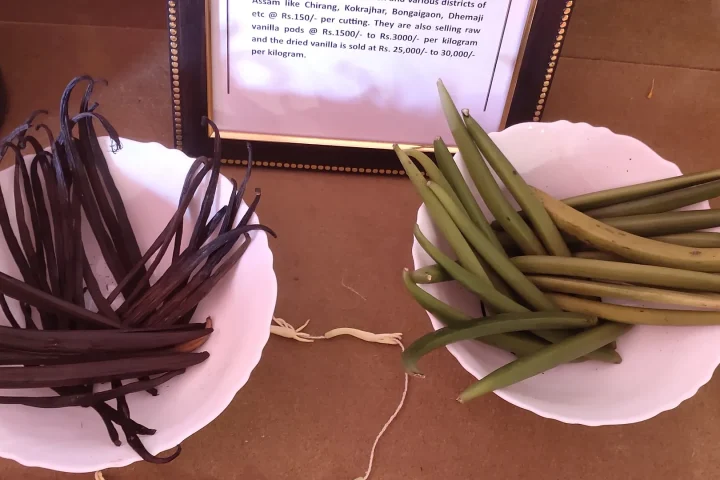
The price of wet (green) vanilla at the farm level in Bali in 2027 moves with the harvest season and world market demand, and it doesn’t stand on its own — this figure correlates directly with the dried vanilla price on the export side, since the wet-to-dry conversion ratio is the basis for pricing all along the supply chain. B2B buyers who want to understand the price structure from upstream to downstream need to look at both figures together, not separately.
How Is the Wet Vanilla Price Set at the Farm Level?
The wet vanilla price farmers receive is determined by a combination of seasonal harvest yield, the quality of the wet beans at harvest, and demand from collectors or exporters at that time. Because wet vanilla has to be processed quickly — steamed, fermented, and dried within a certain window after harvest — the price at this point is heavily influenced by the processing capacity available around the growing center at harvest time. Bali’s vanilla-growing centers are generally in highland areas with a climate suited to vanilla cultivation — see an overview of other production centers in Indonesia on our Indonesian vanilla origins: Bali, Alor, and Papua page — and local processing capacity is a key determinant alongside the quality of the beans themselves.
How Does the Wet Price Relate to the Dried Export Price?
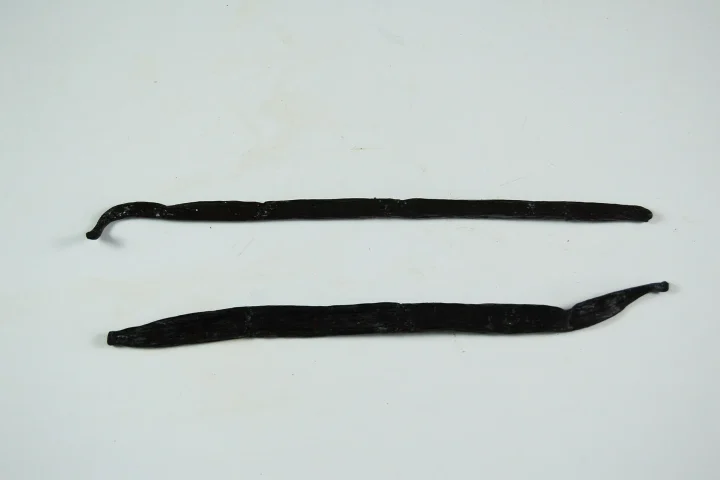
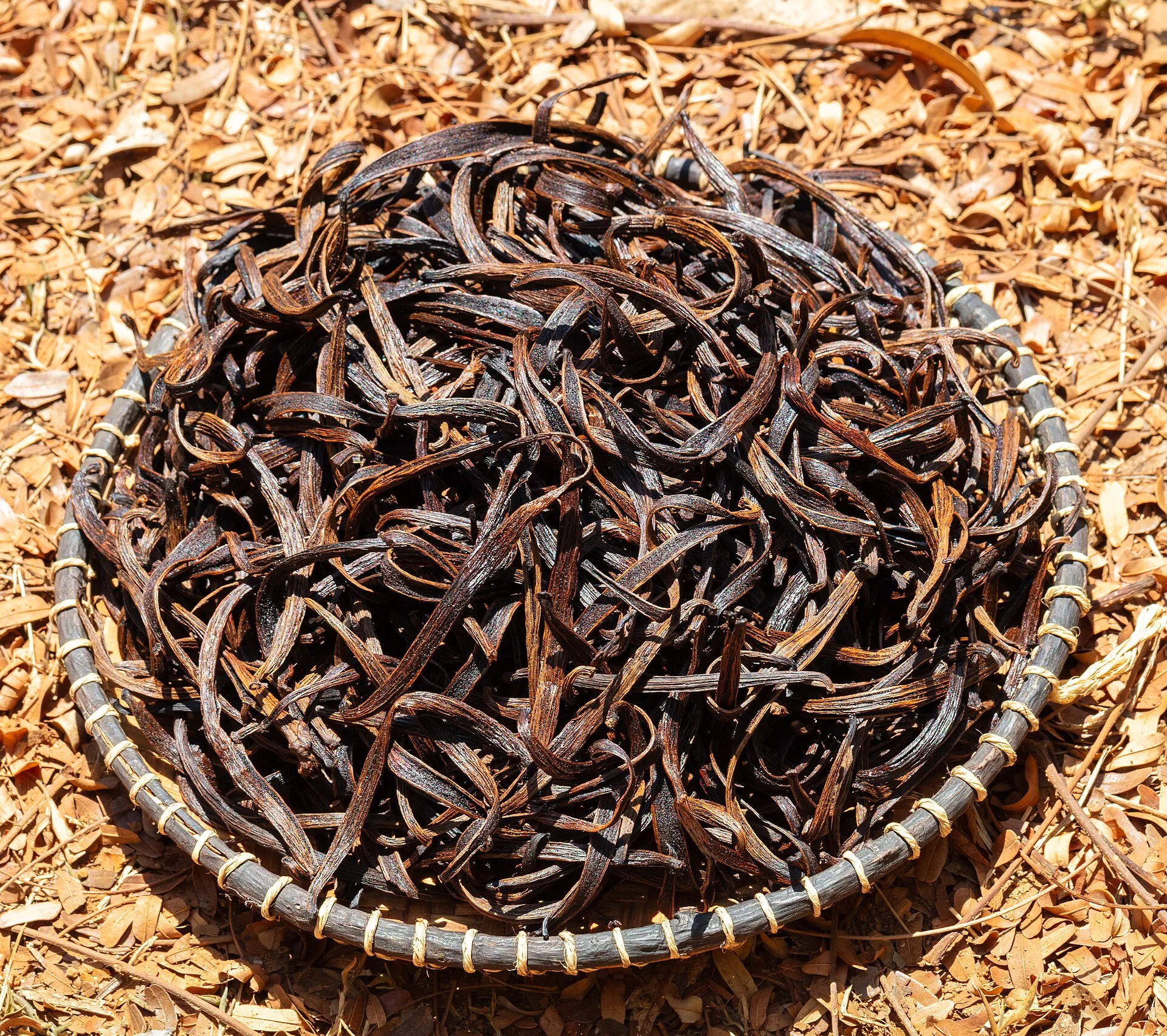
In general, the conversion ratio from wet vanilla to export-ready dried vanilla is significant — a large share of the wet weight shrinks away during curing — so the per-kg wet price at the farm level can’t be compared directly with the per-kg dried price on the export side without accounting for this shrinkage ratio. Post-harvest processing — steaming, fermentation, drying, and conditioning — also adds cost that ultimately shows up in the final dried price international buyers pay. Understanding this ratio matters for buyers who want to assess whether an export price is reasonable relative to upstream costs.
Who Is Involved in Bali’s Vanilla Supply Chain?
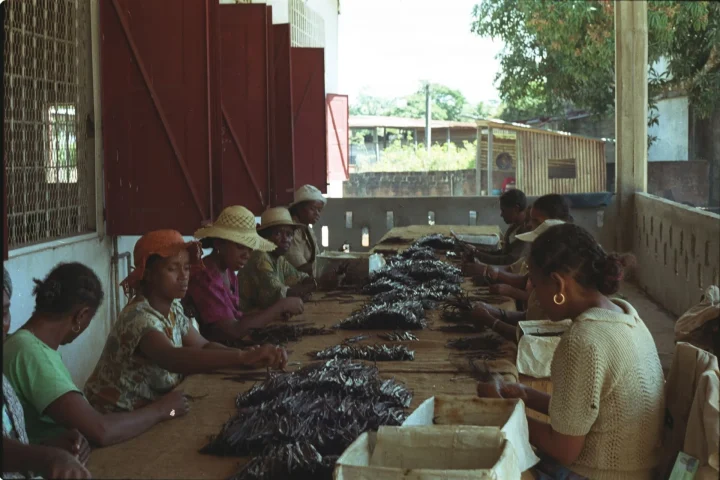
The supply chain generally involves farmers who produce the wet beans, collectors or farmer groups who gather the harvest from several farmers, processing units that handle curing and drying, and exporters who sort, grade, and prepare documents for international shipment. Ethical partnership models with farmers — including price transparency and fair payment at every stage — are a growing concern for international buyers who prioritize responsible supply chains. The farmer partnership approach we run is explained in more detail on our ethical vanilla farmer partnerships in Bali 2027 page.
Could Wet Vanilla Prices Rise in 2027?
There’s no certainty about price direction for a volatile commodity like vanilla, since the outcome is shaped by the actual harvest, world market demand, and macroeconomic conditions that change over time. What buyers and businesses can do is monitor market developments periodically through credible sources, rather than relying on old projections that may no longer be relevant to current conditions. Medium-term investment opportunities in the Bali vanilla sector — including risk and return considerations — are discussed on our investing in Bali vanilla farming for export returns by 2027 page for anyone considering upstream involvement.
Why Does Farm-Level Price Transparency Matter to Buyers?
International buyers running sustainability or responsible-sourcing programs increasingly ask for information on how prices form along the supply chain, not just the final price they pay. This transparency helps buyers meet their own internal sustainability reporting requirements, while also making sure a partnership with an exporter doesn’t create reputational risk tied to unfair pricing practices at the farmer level. We can provide an overview of our farmer partnership structure to buyers who need this information for internal audits or supply-chain reporting.
How Does the Season Affect Wet Vanilla Availability?
Bali’s vanilla harvest generally occurs during a specific period each year, and outside that window wet vanilla availability is very limited because the plant needs time to flower again and produce beans ready for harvest. This seasonal fluctuation is one of the main reasons vanilla prices — both wet and dried — can’t be fixed year-round, and why buyers are advised to plan contracts well ahead of the next harvest period if they need supply certainty in large volumes for their annual production.
What Are the Main Challenges Facing Bali’s Vanilla Farmers?
Vanilla farmers face fairly specific challenges compared with other commodities — vanilla orchids require hand-pollination, since they lack an effective natural pollinator across most growing regions, so yield depends heavily on the farmer’s care and timing during the flowering period. Beyond that, correct post-harvest processing — steaming, staged fermentation, and controlled drying — determines whether wet beans can produce dried vanilla with the aroma and appearance that meet export standards. This combination of technical factors makes quality heavily dependent on farmer skill and consistency, not just the area under cultivation.
How Does a Long-Term Partnership Help Price Stability?
A long-term partnership between an exporter and a farmer group tends to deliver better stability than a one-off spot transaction, since both parties have an incentive to maintain quality and volume consistently season after season. Farmers who have certainty about a long-term buyer are more motivated to invest in better cultivation and post-harvest practices, which in turn gradually improves harvest quality. For international buyers, supporting this kind of partnership model is also part of the sustainability narrative increasingly valued by end consumers in the European, American, and Japanese markets.
Can Buyers Visit the Harvest Centers Directly?
Some buyers, particularly those running supply-chain audit or sustainability due-diligence programs, ask about the possibility of visiting harvest centers or processing facilities directly. Such visits can be arranged around the harvest schedule and field-team availability, and typically give a more concrete picture of cultivation practices, post-harvest processing, and working conditions than a written report alone. Buyers interested in arranging a visit should contact our desk well before harvest season so the field schedule can be arranged properly and efficiently.
How Does Bali’s Price Compare with Other Centers in Indonesia?
Although grading standards are broadly similar across Indonesia, farm-level wet vanilla prices can differ slightly between growing centers depending on local processing capacity, distance to curing facilities, and the level of competition among collectors in each region. Bali, as one of the centers with relatively well-established processing infrastructure, generally has a more structured supply chain than some more remote centers in Sulawesi or Papua, though this doesn’t necessarily mean farm-level prices are automatically higher or lower. Buyers who need a specific picture per center can discuss it directly with our desk based on the planned period and volume.
Discuss Your Sourcing Needs with Our Desk
For buyers who want to understand the price structure from farm to export in more depth, or who are considering a long-term partnership with Bali’s vanilla-growing centers, our desk can provide an overview of the supply chain and a written dried-price quote matched to the grade, format, and volume you need.
To discuss the vanilla price structure from farm to dried export in more detail, contact the Bali Vanilla Export desk via WhatsApp at +62 811-3941-4563 or email [email protected].