The vanilla export price per kg in 2027 can’t be set as a single figure for every buyer — a proper comparison has to account for grade, harvest origin, and the Incoterm chosen, since all three shape the final price a food manufacturer receives. B2B buyers comparing offers between exporters need to make sure the basis for comparison is equivalent before concluding which one is more competitive.
Why Does a Per-Kg Price Comparison Need to Account for Grade?
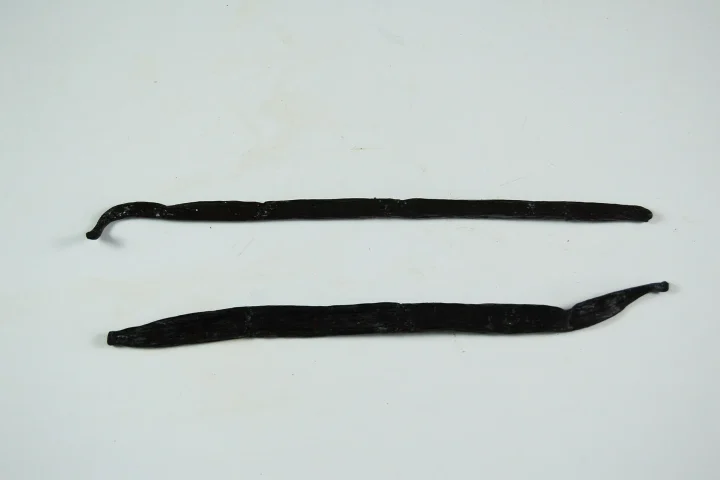
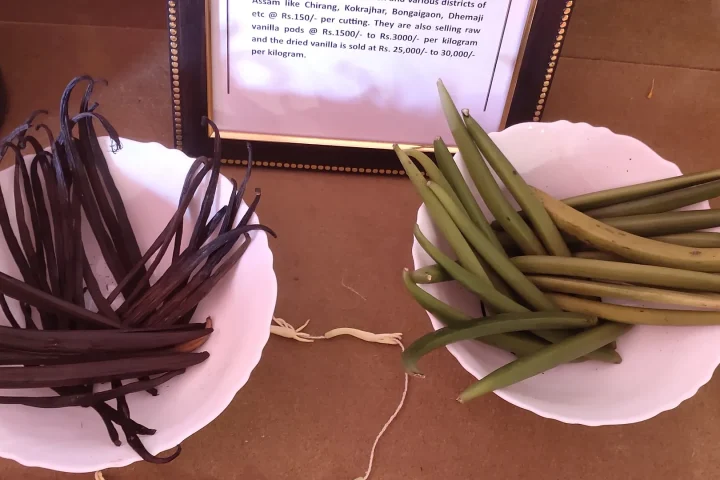
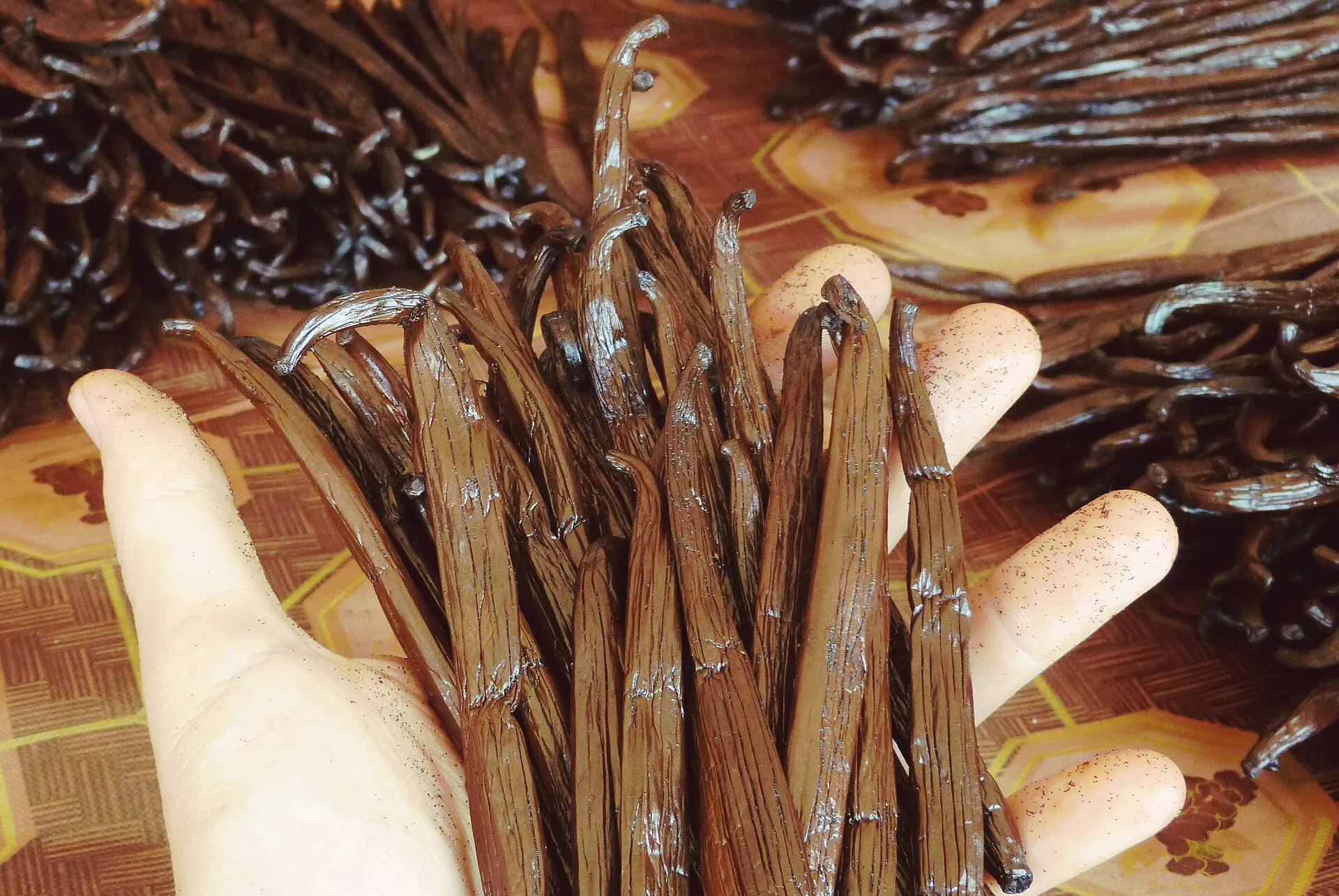
Vanilla grade — generally assessed by bean length, moisture content, and appearance — significantly affects price position, so comparing per-kg prices without equalizing grade is really comparing two different products. Food manufacturers buying for extraction purposes usually don’t need as high a grade as gourmet retail buyers, so it’s natural for their per-kg price to differ even when the vanilla comes from the same origin. Buyers are advised to always request a written grade specification alongside a price quote — see the comparison criteria on our grade A gourmet vanilla beans and grade B vanilla beans for extraction pages — rather than relying on a single figure without quality context.
How Does Harvest Origin Affect the Export Price?
Indonesian vanilla comes from several production centers — Bali, Java, Sulawesi, and Papua — and while grading standards are essentially the same, harvest characteristics from each region can differ slightly depending on local soil conditions and growing season. These origin differences sometimes affect volume availability in a given period, which in turn affects price when high demand meets limited supply from one region. Our desk monitors availability across regions so buyers can get an alternative harvest origin if one center is experiencing a seasonal stock shortage.
How Does the Incoterm Change the Price Comparison?
The Incoterm chosen — FOB, CIF, or another form — determines which cost components are included in the quoted per-kg figure. An FOB-based contract generally covers costs only up to the point the goods are loaded at the origin port, while a CIF basis already includes shipping and insurance to the buyer’s destination port. A detailed comparison of both schemes, including the division of risk and documentation responsibility, is explained on our vanilla purchase contracts and Incoterms 2027 page, which is relevant for buyers drafting their first contract.
Does the 2027 Export Price Show a Stable Trend?
A more detailed analysis of the stability and growth of Indonesia’s vanilla export market for 2027 is available on our Indonesia vanilla export 2027: price stability and market growth page, which covers the seasonal patterns and macro factors affecting price throughout the year. Although a general trend can be observed, the final figure still needs to be confirmed through a written quote, since market conditions can change between the time an article is written and the time a buyer places an order.
How Do You Compare Quotes from Several Exporters?
The fairest way to compare quotes is to equalize four variables at once: grade, product format, Incoterm, and order volume. If any one of these variables differs, a price gap that looks large may simply reflect a difference in specification, not a difference in the exporter’s cost efficiency. Buyers serious about comparing suppliers are advised to request a written quote in the same format from each candidate, then compare the numbers apples-to-apples before deciding.
What Makes a Price Quote Credible?
A credible price quote typically states the grade specifically, the product format, the Incoterm basis, estimated production and shipping time, and the offer’s validity period — not just a single figure with no context. An exporter who refuses to put these details in writing, or who only gives a verbal figure with no supporting document, should be treated as an additional red flag before a buyer moves forward to the contract stage. Our desk always includes this detail in every written quote sent to buyers.
Does Order Volume Affect the Per-Kg Price?
Yes, order volume generally affects the price structure because fixed costs — packaging, documentation, and shipping coordination — are distributed differently between a small order and a large-volume contract. Buyers who order under a regular contract volume typically get a more efficient price structure than a one-off small order, though the gap still depends on market conditions at the time the quote is given. For buyers just starting out, it’s advisable to share an estimated annual volume early in the discussion — even though the first order still starts at sample scale — so our desk can build a price structure that accounts for the potential long-term volume.
How Does the Harvest Season Affect the Best Time to Buy?
Vanilla availability and price correlate with the harvest season at Indonesia’s production centers — the period right after the main harvest generally offers greater supply, while the period leading up to the next harvest tends to have more limited stock. Buyers with flexible production schedules can consider timing their orders to align with these harvest cycles to access a wider range of grades, though this isn’t a guarantee of a lower price, since world market demand also affects price regardless of the local harvest season alone. Discussing seasonal availability projections with our desk can help buyers plan a medium-term contract schedule and avoid stock shortages when needed.
What’s the Price Difference Between Spot and Fixed Contracts?
Buyers can choose between a spot transaction — price locked per shipment based on market conditions at that time — or a fixed-price contract for an agreed period set in advance. A fixed-price contract gives the buyer budget certainty, but the exporter generally factors market-fluctuation risk into that contract’s price structure, so it isn’t always cheaper than the average spot price over the long run. Buyers who prioritize cost certainty for production planning usually choose a fixed contract, while more flexible buyers who want to take advantage of potentially lower prices in certain periods choose a per-shipment spot scheme.
How Do You Calculate Total Procurement Cost, Not Just the Per-Kg Price?
The per-kg price is only one component of total procurement cost — buyers also need to factor in export duty, export documentation fees, shipping cost under the chosen Incoterm, and potential import duty in the destination country. Comparing offers based only on the per-kg figure, without accounting for these other components, risks giving a misleading picture of which exporter is actually more competitive overall. Our desk can help build a comprehensive cost estimate based on the Incoterm and destination country the buyer chooses, rather than an isolated FOB or CIF figure without the full procurement context.
What Price Quote Red Flags Should You Watch For?
Buyers should be wary of a price quote far below the reasonable market range with no clear explanation of grade or format, since this is often a sign the product doesn’t match the expected specification or that export documentation is incomplete. A credible quote can always explain its cost components — why that price is reasonable for the grade and volume requested — rather than just an attractive number with no basis that can be put in writing.
Can New Buyers Start with a Small Volume?
Yes. Our desk runs a sample order program for buyers who haven’t yet transacted with an Indonesian exporter, so quality and grade consistency can be verified first before committing to a large-volume contract. Once the sample is approved, buyers can move on to a contract discussion with a price structure, shipping schedule, and payment terms agreed in writing, so the transition from sample to production volume happens with managed risk from the start.
Submit a Quote Request With Full Specifications
To get a figure that can genuinely be compared against other offers, state the grade, format, volume, and Incoterm you want from the start of your request. Our desk will respond with a written quote reflecting current market conditions, complete with production and shipping time estimates and sample options before a full-volume contract is agreed.
To get a vanilla export price quote per kg matched to the grade and Incoterm you need, contact the Bali Vanilla Export desk via WhatsApp at +62 811-3941-4563 or email [email protected].