Grade B Vanilla Beans — Extract Grade Indonesian Vanilla for Manufacturing
Grade B vanilla beans are the workhorse of the global vanilla industry — the extract-grade product that powers vanilla extract production, industrial flavoring, food manufacturing, and pharmaceutical applications worldwide. Bali Vanilla Export’s Grade B Planifolia beans deliver exceptional vanillin concentration at competitive pricing, making them the preferred choice for high-volume B2B buyers who prioritize flavor intensity over visual presentation.
Grade B Specifications
Grade B beans undergo the same careful curing process as Grade A but are dried to a lower moisture level, resulting in a firmer, drier bean that is ideal for extraction processes.
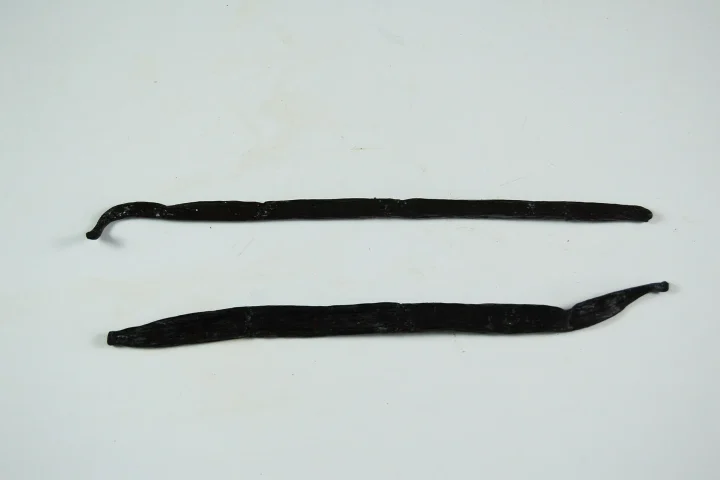
Bean Length: Minimum 12 cm (5 inches), average 13-17 cm
Moisture Content: 15-25%, drier than Grade A for efficient extraction
Vanillin Content: 1.6-2.0%, often higher per kilogram than Grade A due to less water weight
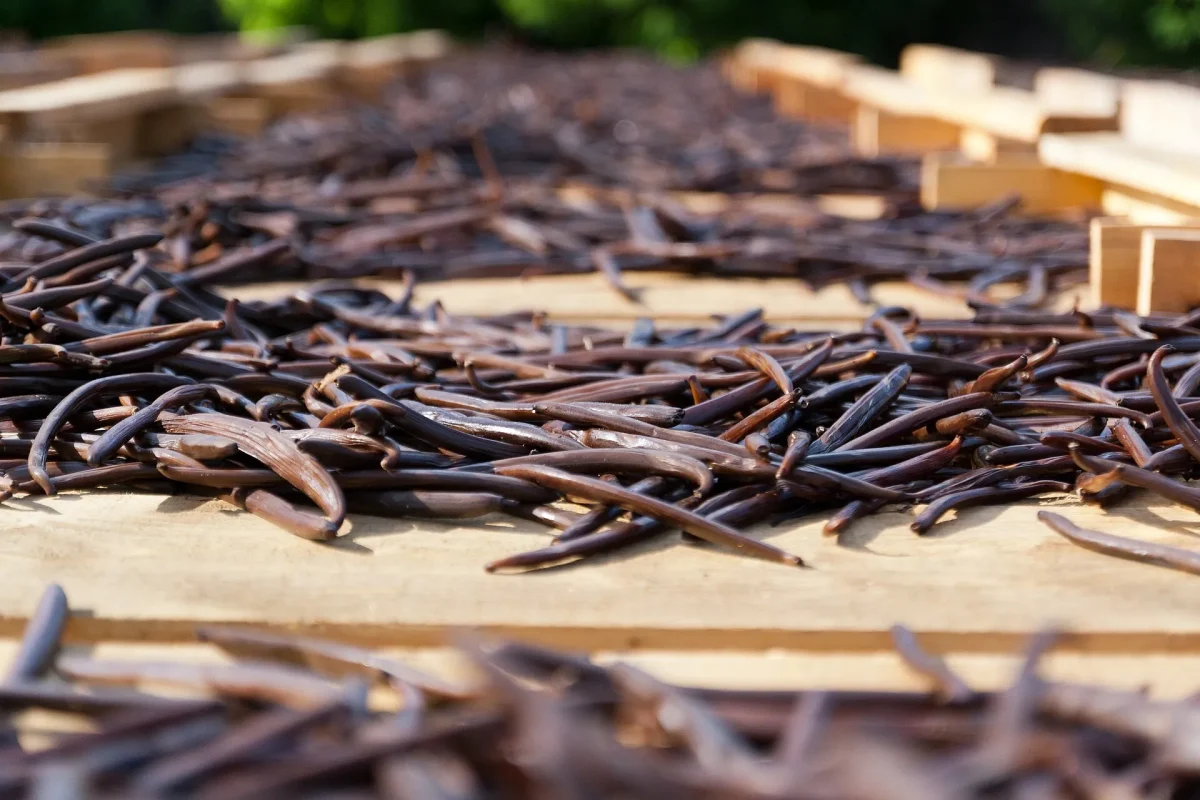
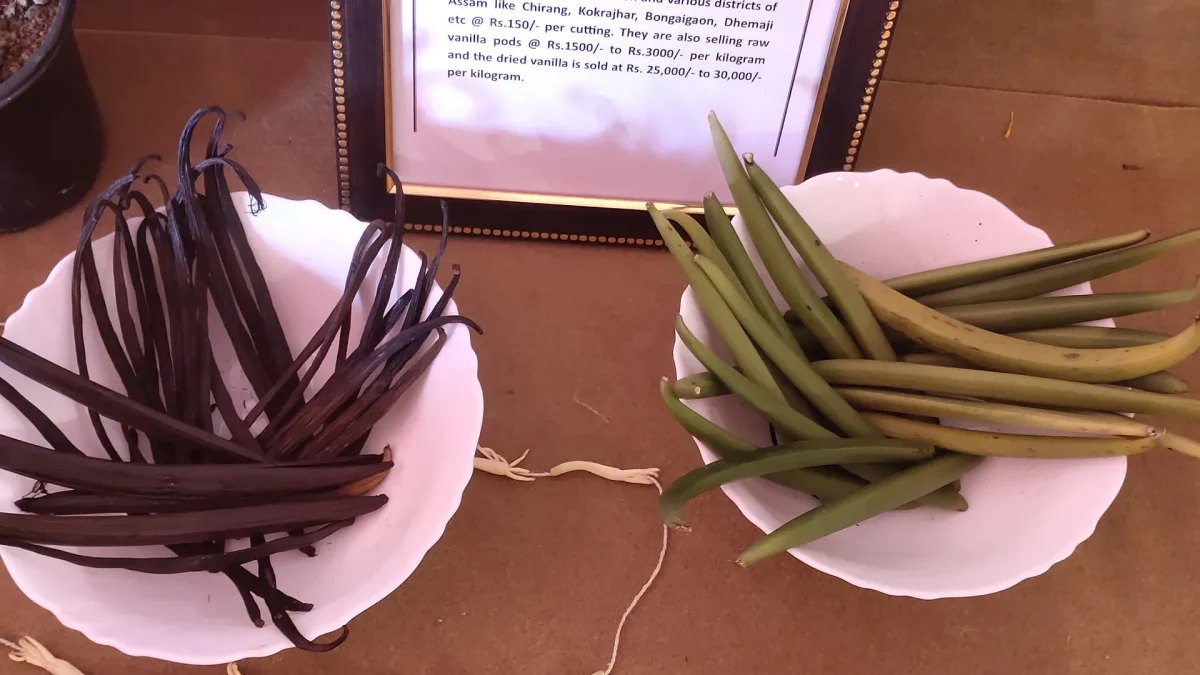
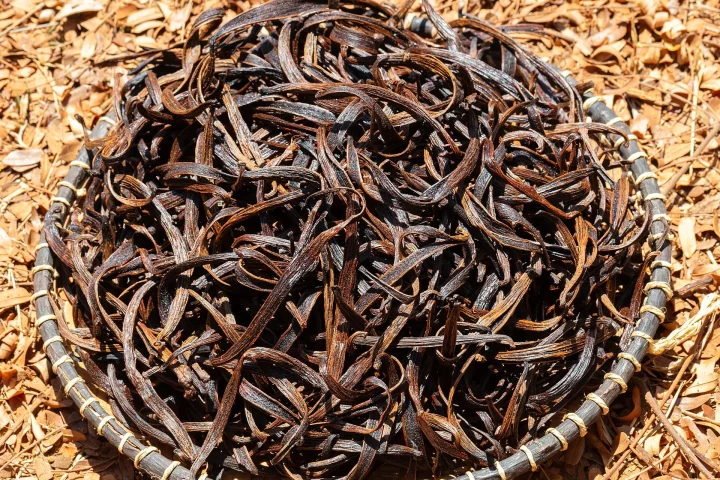
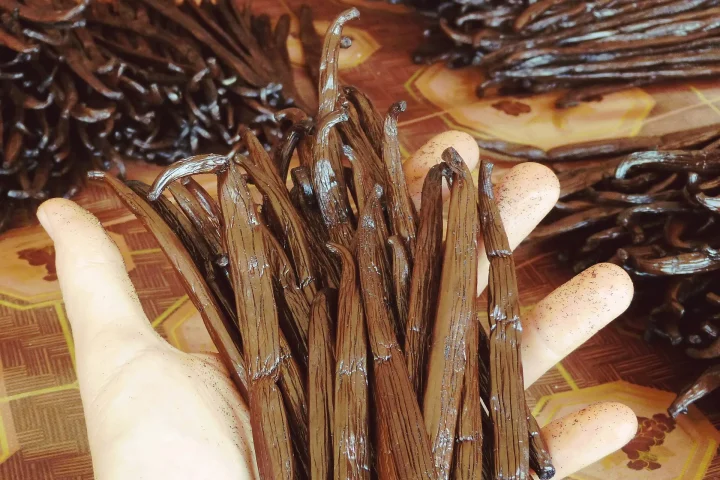
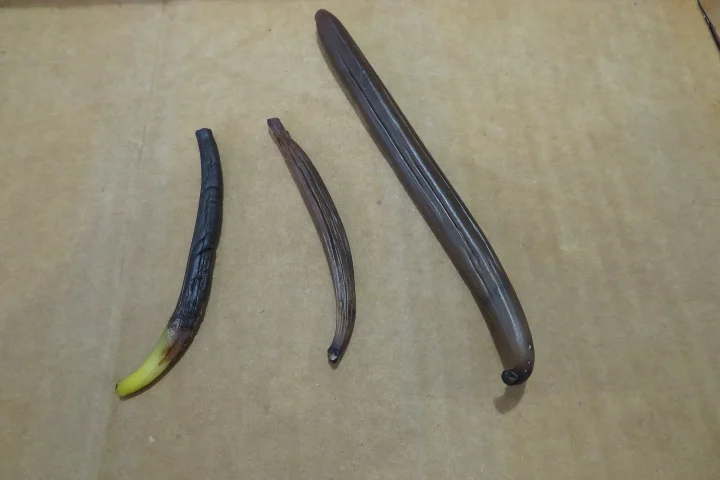
Color: Dark brown to reddish-brown, may show minor surface dryness
Texture: Firm but not brittle — should bend without snapping
Aroma: Strong, concentrated vanilla with smoky undertones
Classification: Also known as “extraction grade” or “manufacturing grade”
The Economics of Grade B — More Vanillin Per Dollar
A common misconception in the vanilla market is that Grade B represents inferior quality. In reality, Grade B beans contain the same vanillin compounds and aromatic complexity as Grade A — the only difference is moisture content and visual appearance. For extraction and manufacturing applications, this lower moisture actually represents an advantage.
Because Grade B beans contain less water per kilogram, buyers receive more vanillin-bearing bean material per unit weight. Combined with Grade B’s lower price point (typically 30-50% below Grade A), this translates into significantly better economics for extract producers and food manufacturers. A vanilla extract maker processing 100 kg of Grade B will typically yield 15-25% more extract than the same weight of Grade A beans — making Grade B the clear choice for any application where the whole bean is not presented to the end consumer.
Primary Applications for Grade B Vanilla
Grade B Indonesian vanilla beans serve as the raw material for a wide range of industrial and commercial applications. Pure vanilla extract production for retail and food service markets accounts for the largest share of Grade B demand. Ice cream and frozen dessert manufacturing, where extract and paste are used rather than whole beans. Bakery and confectionery production at commercial scale. Beverage flavoring for dairy, non-dairy, and alcoholic beverages. Pharmaceutical flavoring for medications, syrups, and supplements. Fragrance compounding for perfumes, candles, and personal care products. Vanilla paste and vanilla sugar manufacturing. Industrial food flavoring for snack foods, cereals, and processed foods.
Sourcing and Processing
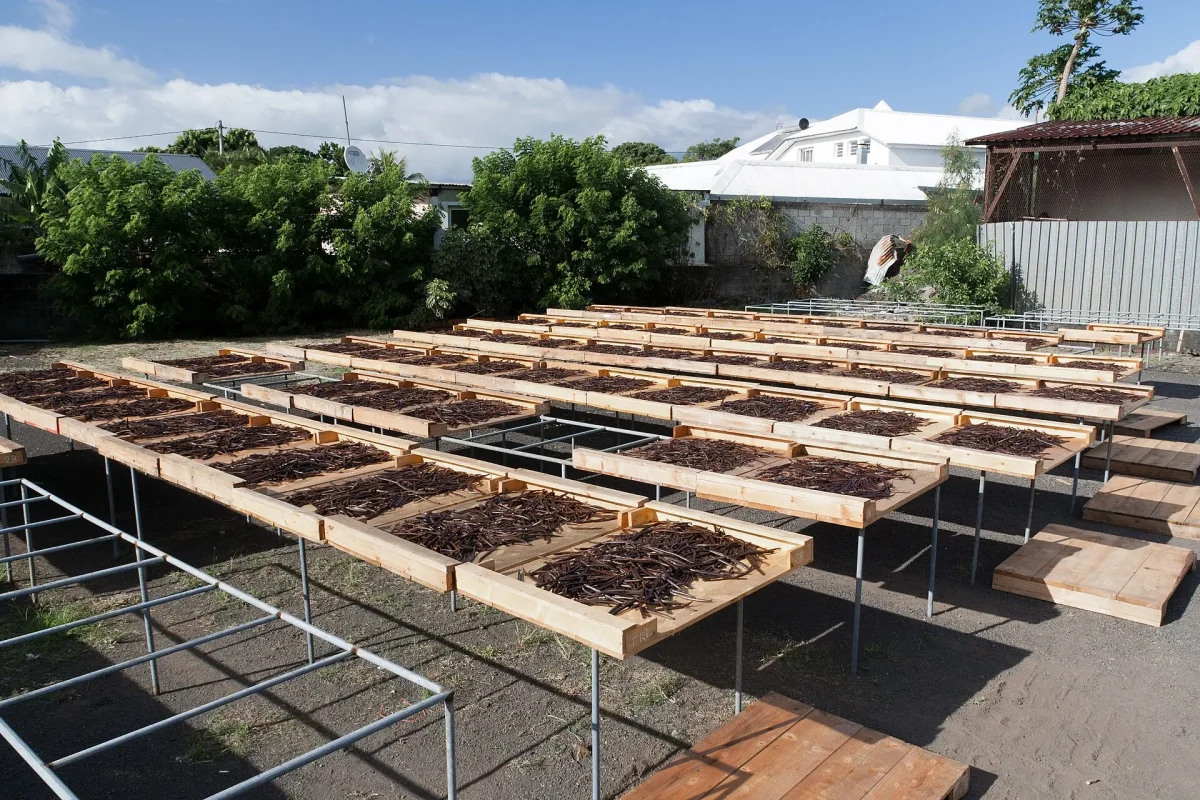
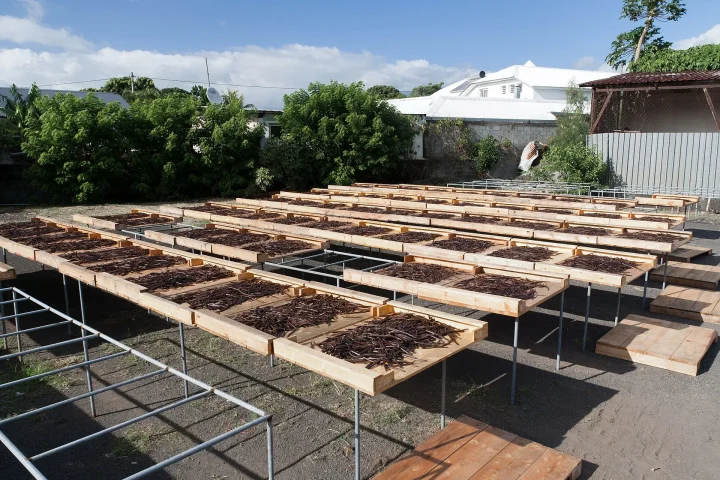
Our Grade B beans are sourced from the same farming communities and undergo the same killing, sweating, and conditioning processes as our Grade A product. The differentiation happens during the drying phase, where beans destined for Grade B classification are dried for a longer period to achieve the 15-25% moisture target. Some Grade B inventory also comes from beans that meet all flavor and vanillin criteria but fall slightly short on visual Grade A standards — for example, beans with minor cosmetic imperfections, split tips, or lengths between 12-14 cm.
This means Grade B buyers receive beans with the same genetic origin, the same curing expertise, and the same vanillin development as our premium Grade A — at a substantially lower price point. Our multi-region sourcing (Bali, East Java, Papua, Sulawesi) ensures year-round availability in volumes ranging from sample lots to multi-ton annual contracts.
Quality Control and Documentation
Every Grade B shipment undergoes the same comprehensive quality testing as our premium products. Moisture content is verified using calibrated meters to ensure beans fall within the 15-25% specification. Vanillin concentration is tested via HPLC or UV spectrophotometry. Microbiological screening confirms compliance with food safety standards. Visual inspection confirms no mold, insect damage, or contamination.
Each shipment includes a Certificate of Analysis (COA), phytosanitary certificate, Certificate of Origin, and full export documentation. For buyers with specific testing requirements (pesticide residue, heavy metals, allergen cross-contamination), we can arrange additional third-party laboratory analysis through SGS, Sucofindo, or other accredited testing bodies.
Packaging and Volume Pricing
Grade B beans are vacuum-sealed in food-grade bags, typically in 5 kg and 10 kg units consolidated into export cartons. For high-volume buyers (500 kg+), we offer bulk packaging options that reduce per-unit packaging costs. Custom packaging for private-label products is available upon request.
Grade B pricing follows a volume-tiered structure — larger orders receive progressively better per-kilogram rates. We also offer annual supply contracts with locked pricing for buyers requiring consistent, predictable supply. Request a quote with your estimated annual volume for the most competitive pricing.
Frequently Asked Questions — Grade B Vanilla Beans
Is Grade B vanilla lower quality than Grade A?
No. Grade B vanilla contains the same vanillin compounds and undergoes the same curing process as Grade A. The only differences are moisture content (lower in Grade B) and visual appearance (drier, may have minor cosmetic imperfections). For extraction, manufacturing, and any application where the whole bean is not presented visually, Grade B delivers equal or superior value compared to Grade A.
What is the minimum order quantity for Grade B?
Commercial minimum is 50 kg for Grade B beans. Sample orders starting at 1 kg are available for quality evaluation. For extract producers and food manufacturers with consistent needs, we recommend annual contracts of 200 kg or more to secure the best pricing and guaranteed supply allocation.
How much vanilla extract can be produced from 1 kg of Grade B beans?
Using the standard FDA specification for pure vanilla extract (13.35 oz of vanilla beans per gallon of 35% alcohol), approximately 1 kg of Grade B beans produces 7-8 liters of single-fold (1x) vanilla extract. Actual yield depends on the specific extraction method, bean moisture content, and target vanillin concentration. Our Grade B beans’ lower moisture content means you get more extractable material per kilogram compared to higher-moisture Grade A beans.
Can Grade B beans be used for direct culinary applications?
While Grade B beans are optimized for extraction, they can certainly be used in cooking and baking where visual presentation is not critical — for example, infusing into custards, sauces, or syrups where the bean is removed before serving. However, if you need beans for visible garnish, plating, or retail display, we recommend our Grade A beans which offer the plump, oily appearance consumers expect.