Vanilla planifolia and Vanilla tahitensis are two botanically distinct vanilla species, with flavor profiles, aromatic compound content, and industry applications that aren’t fully interchangeable — planifolia is known for the classic creamy flavor common across the global food industry, while tahitensis has a distinctive floral and fruity character used in perfumery and certain premium culinary segments worldwide. Buyers who choose the wrong species for a given application risk ending up with a final product that doesn’t match market expectations, even though both are equally genuine, high-quality vanilla in terms of price positioning.
What Is the Botanical Difference Between Planifolia and Tahitensis?
Vanilla planifolia is the most widely cultivated vanilla species globally and forms the basis of most of the world’s commercial vanilla products, including the bulk of Indonesian production. Vanilla tahitensis, on the other hand, is the result of natural hybridization and has different genetic characteristics and aromatic compound content, producing a more floral flavor profile compared with planifolia’s tendency toward creamy and woody notes. This botanical difference is the root of the flavor, aroma, and industry-application differences that show up between the two throughout the supply chain.
How Do Their Flavor Profiles Differ for Culinary Applications?
Planifolia produces the classic vanilla flavor familiar to most consumers — creamy, sweet, with woody notes that suit almost any common culinary application such as bakery, ice cream, and beverages. Tahitensis produces a more complex profile with more pronounced floral and fruity notes, often chosen by chefs or premium producers who want to give their products a distinctive flavor character, though it isn’t always suited to applications that call for the classic “neutral” vanilla flavor. Full product specifications for our planifolia beans are available on our Indonesian planifolia vanilla beans from our exporter page, while tahitensis specifications are available on our tahitensis vanilla beans page.
Which Industries Are Better Suited to Using Tahitensis?
Besides premium culinary use, tahitensis is in strong demand from the perfume and cosmetics industries because of its complex aromatic profile that differs from standard vanilla, making it a sought-after raw material for certain fragrance formulations. High-end culinary segments — premium pastry, fine-dining desserts, and limited-run gourmet products — also frequently choose tahitensis to differentiate their flavor from competitors using standard planifolia vanilla.
Is the Availability of Both Species the Same in Indonesia?
Planifolia is grown far more widely in Indonesia than tahitensis, since most vanilla-growing centers in Bali, Java, Sulawesi, and Papua have historically focused on planifolia, which is in more common demand worldwide. The availability of tahitensis from Indonesia is comparatively limited and usually needs to be confirmed per harvest period, so buyers who need tahitensis in large volumes are advised to get in touch with our desk much earlier than buyers ordering standard planifolia.
How Do Prices Compare Between the Two Species?
Because tahitensis availability is more limited and its demand more niche than planifolia’s, its price position often differs — but as with any vanilla commodity, an exact figure can only be given through a written quote based on current supply and demand conditions. Buyers shouldn’t assume that one species is automatically always more expensive than the other without checking current market conditions, since price position can shift depending on the harvest season and industry demand trends.
How Can You Make Sure the Species You Receive Matches Your Order?
Buyers are advised to request a written specification that explicitly states the species — not just a generic “vanilla” label — and, where possible, to request a sample to verify aroma and flavor characteristics before agreeing to a large-volume contract. A mismatch between the species ordered and the species received is a real risk for buyers who rely on a specific flavor character for their product formulations, so verifying this upfront is far cheaper than discovering the problem after production is already underway.
How Does Post-Harvest Processing Differ Between the Two Species?
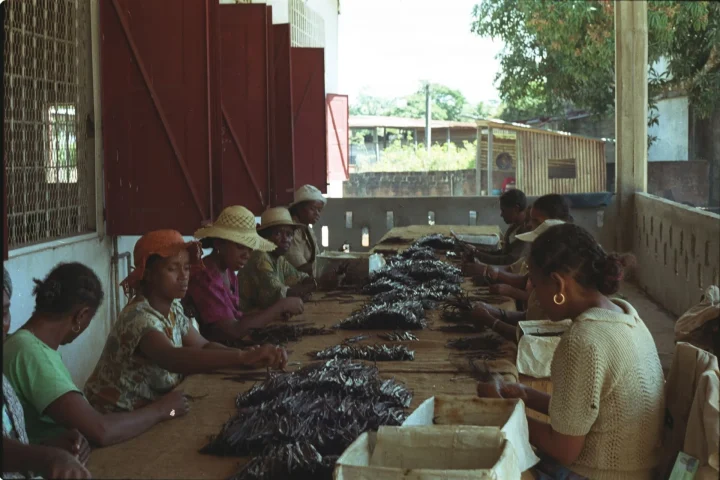
Post-harvest processing — blanching, fermentation, and drying — follows broadly similar principles for both species, but the duration and intensity of each stage can be adjusted to bring out each species’ specific aromatic character. Processors experienced with tahitensis typically adjust the curing process to preserve the floral and fruity notes that define this species, rather than applying the same process used for planifolia, which targets the classic creamy character.
Does Exporting Tahitensis Require Different Documentation?
In terms of export documentation, both species essentially use the same document categories — phytosanitary certificate, invoice under HS 0905 classification, and certificate of origin — since both fall under the vanilla commodity category for customs and quarantine purposes. The only difference is the product description on the invoice and packing list, which needs to state the species specifically so there’s no confusion for either the buyer or the destination country’s customs authority.
How Do Buyers Decide Which Species Is Right for Their Product?
This decision should ideally start from the target flavor profile of the finished product — if the goal is the familiar classic vanilla flavor consistent with general market expectations, planifolia is the safer choice. If the goal is to create a distinctive flavor or aroma for a premium or niche segment, tahitensis is worth considering, albeit with the trade-off of more limited availability and a potentially longer order lead time.
Can Both Species Be Ordered Under One Contract?
Yes, though buyers should be aware that tahitensis’ more limited availability means a combined-volume order often requires more careful planning than a planifolia-only order. Some buyers with a premium product line separate from their mass-market line do deliberately order both species within the same contract cycle, with different volume allocations to match each product line’s needs.
What Common Mistakes Do Buyers Make With These Two Species?
The most common mistake is treating “vanilla” as a single category without distinguishing species, so buyers order based on a generic flavor assumption and are surprised to receive a product with a different aroma character than expected. The second mistake is assuming tahitensis is always available in the same volumes as planifolia, when in fact production capacity for the two in Indonesia is very different and needs to be confirmed separately before building a long-term production plan.
How Do You Test Species Suitability for a New Formulation?
For buyers developing a new product who aren’t yet sure which species is the best fit, the most practical approach is to order small samples of both species and test them directly in the target product formulation before making a final decision. This approach is far cheaper and faster than ordering a large volume of one species only to find its flavor character doesn’t suit the application once production is already underway — see the sample route through our sample order program.
Can Sample Prices for Both Species Be Compared Side by Side?
Yes, our desk can prepare a sample package that includes both planifolia and tahitensis, complete with written specifications for each, so buyers can compare aroma, flavor, and cost side by side before deciding which species to order in production volume.
Discuss Your Species Needs with Our Desk
Whether you need planifolia for general culinary applications or tahitensis for a more specific premium formulation, our desk can help confirm availability and prepare a written quote matched to the species, grade, and volume you need.
To make sure you choose the right vanilla species for your production needs going forward, contact the Bali Vanilla Export desk via WhatsApp at +62 811-3941-4563 or email [email protected].