Exporting vanilla from Indonesia to the United States in 2027 requires a combination of Indonesian export documents — phytosanitary certificate, HS 0905 invoice, and certificate of origin — together with compliance with FDA food import requirements on the US side. Buyers and exporters handling this route for the first time need to understand that both sides of the process run in parallel, not in sequence, so preparation has to happen from both directions from the start.
What Documents Are Needed on the Indonesian Export Side?
On the Indonesian side, the standard documents required include a phytosanitary certificate from the quarantine authority, an invoice and packing list under HS 0905 classification, and a certificate of origin. For buyers who request additional quality verification, a laboratory certificate of analysis (COA) can also be included as agreed in the contract. Full details on this export documentation are explained on our vanilla export documentation, phytosanitary certificates, and HS 0905 page.
What Are the FDA Requirements for Importing Vanilla into the US?
On the US side, imported food products including vanilla are subject to FDA requirements, which include facility registration for foreign exporters/producers, prior notice for each shipment before it arrives at a US port, and compliance with applicable food safety standards. The importer on the US side is generally responsible for ensuring this compliance, though the exporter needs to provide relevant supporting information and documents so the importer’s registration and notification process goes smoothly. A full guide to importing vanilla from Indonesia to the US, including the registration and notification steps the importer needs to prepare, is available on our importing vanilla beans from Indonesia to the USA 2027 page.
What Does the Customs Process Look Like at US Ports?
On arrival at a US port, a vanilla shipment goes through customs inspection and, in many cases, additional FDA inspection as part of import food safety oversight. The completeness and consistency of documents — matching invoice, packing list, and phytosanitary certificate — is the main factor determining whether a shipment clears smoothly or gets held for additional inspection that costs time. Small inconsistencies, such as differing quantities or package descriptions across documents, are a common cause of delays that can actually be avoided by verifying documents before the shipment departs.
Are There Regulatory Differences Compared with Exporting to Europe or the UK?
Yes, each destination region has its own food import regulatory framework — the EU and the UK have requirements that differ from US FDA rules, although the basic document categories (phytosanitary certificate, invoice, certificate of origin) tend to be broadly similar. A comparison of vanilla export regulations for the EU versus the UK is covered on our vanilla export to the EU vs UK regulations 2027 page, which is relevant for buyers managing procurement across several destination regions at once.
How Long Does It Take from Order to Arrival in the US?
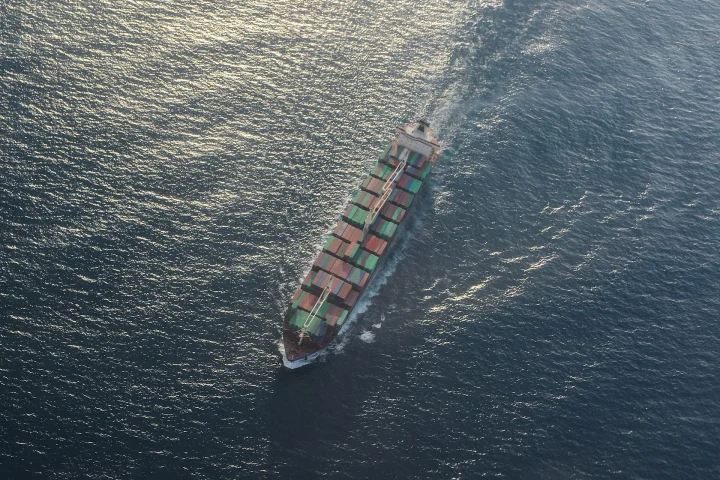
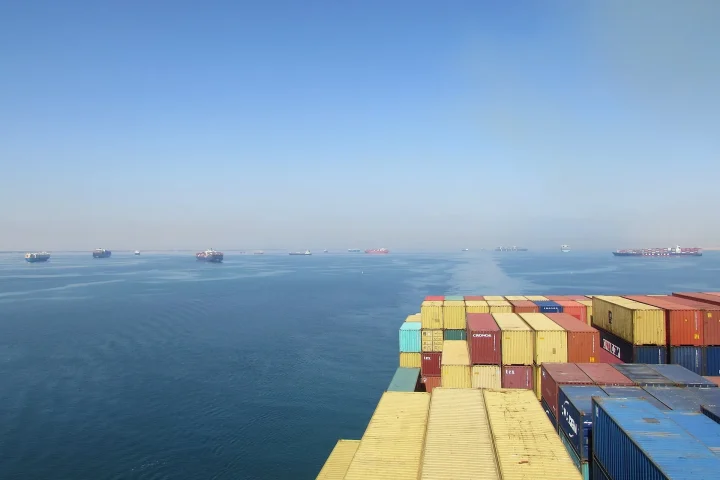
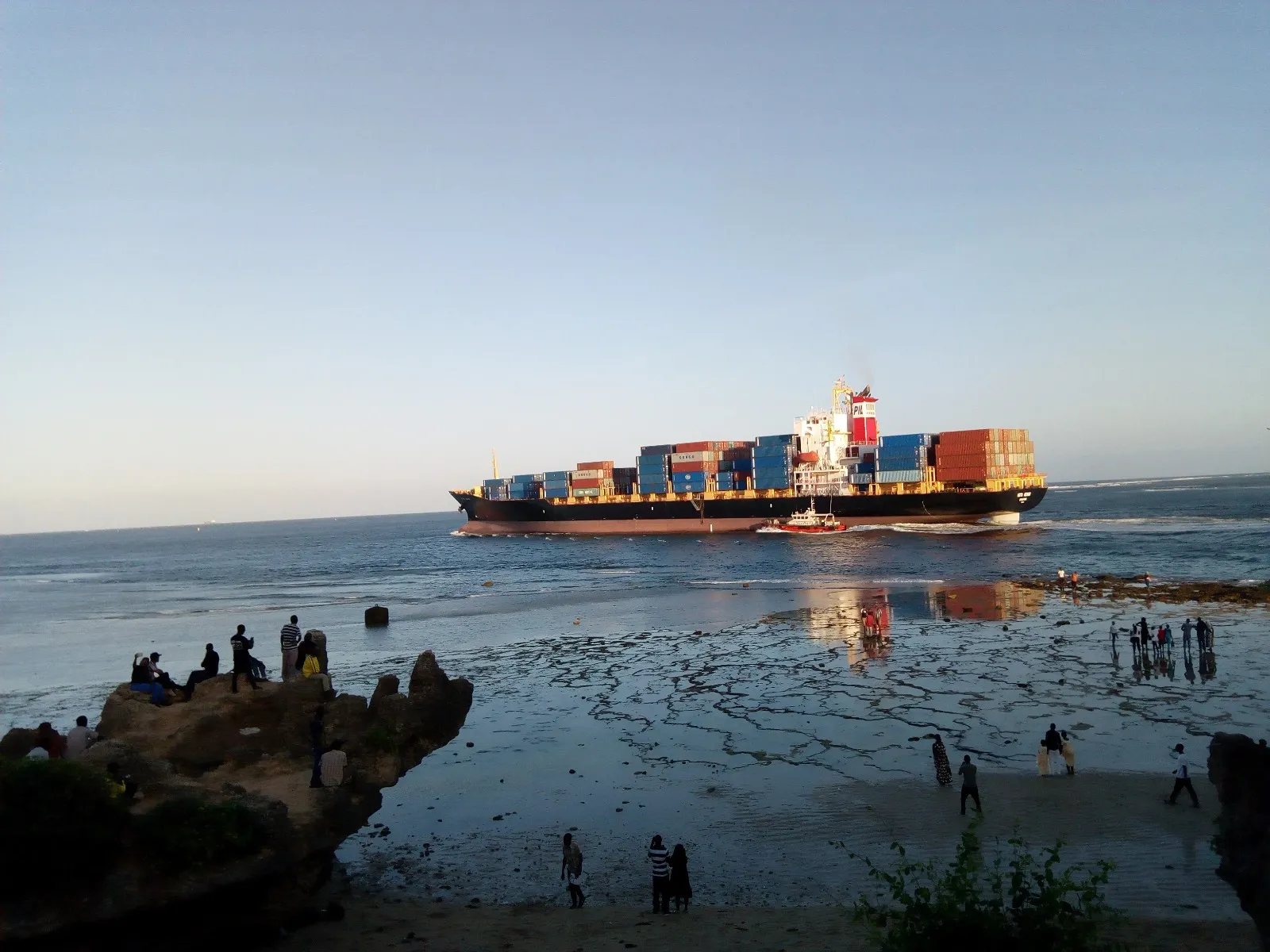
Total time depends on the shipping mode — sea or air — as well as document preparation time and the customs process on both sides. Sea freight generally takes longer in transit but is more economical for large volumes, while air freight is faster but at a higher cost, suiting samples or small-volume orders that need speed. A specific time estimate will be given alongside the written quote, since it depends on the sailing or flight schedules available during the order period.
What Common Mistakes Delay Exports to the US?
The most common mistakes include documents that are inconsistent with one another, FDA facility registration that hasn’t been renewed or is incomplete on the exporter’s side, and prior notice that isn’t filed in time before the shipment arrives at a US port. Clear coordination between the exporter and the US importer from the outset — including who’s responsible for prior notice and registration — can prevent most of the delays that typically occur on a first shipment to a new market.
Who Is Responsible for FDA Prior Notice?
Prior notice for food shipments to the United States is generally the responsibility of the importer or their designated agent on the US side, though the exporter needs to provide accurate, timely shipment data so prior notice can be filed in line with the arrival schedule. Clear agreement on who handles which part — and the deadline each document needs to meet — should be set out in writing in the purchase contract, rather than assumed by either party.
Does Shipment Volume Affect Process Complexity?
Document requirements and FDA compliance essentially apply the same way whether for a small sample shipment or a full container contract, though in practice large-volume shipments usually involve more complex logistics coordination — booking container slots, scheduling sailings, and possibly consolidating with other commodities if using the same freight forwarder. Buyers planning regular large-volume shipments are advised to build a consistent working relationship with the same freight forwarder and customs broker on the US side, so the process becomes more efficient over time and with experience.
What Should Buyers Prepare Before Their First Order?
Before placing a first order into the US market, buyers are advised to make sure their own facility registration or food importer permit is active and meets FDA requirements, to appoint an agent or broker to handle prior notice, and to confirm with the exporter which documents will be included in the shipment package. This preparation on the buyer’s side matters just as much as document completeness on the exporter’s side, since importing food into the US requires compliance from both directions before a shipment can clear smoothly at the port of arrival.
How Do You Handle Language Barriers and Cross-Time-Zone Communication?
Coordination with US counterparts often involves a significant time difference from Indonesia, so document responses or schedule confirmations can take longer than coordinating with buyers in Asia. Setting up a clear communication channel from the start — including a designated contact on each side and expected response times — helps reduce delays caused by the time difference, especially at critical stages like confirming documents before the vessel departs or when the shipment arrives at a US port.
Is There Different Treatment for Vanilla Derivative Products?
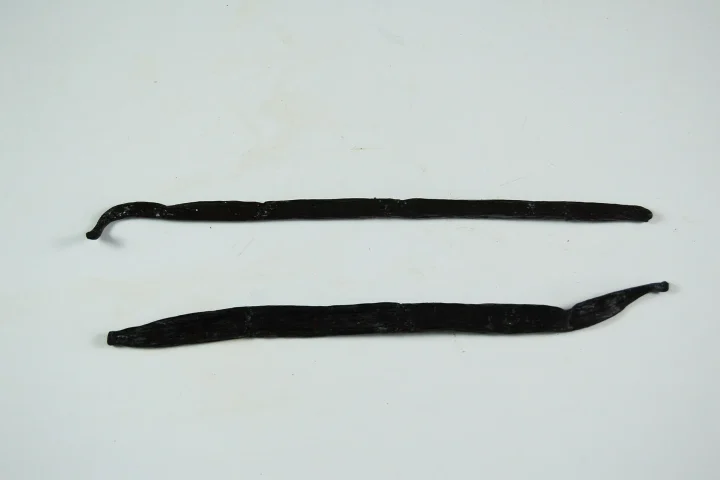
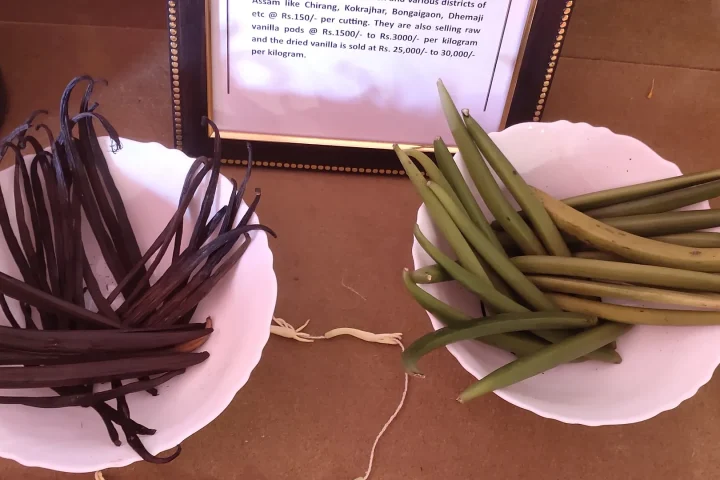
Derivative products such as liquid vanilla extract can have additional FDA import requirements compared with plain dried beans, since they’re classified as a processed product with a different manufacturing process. Buyers planning to import a mix of formats — dried beans and extract — should confirm with our desk whether documents and compliance need to be adjusted per format, to avoid a classification error that could delay part of the shipment at a US port.
How Do You Handle FDA Regulatory Changes Mid-Contract?
FDA food import regulations can be updated from time to time, so buyers with long-term contracts are advised to monitor regulatory updates periodically through official sources or their own customs broker. Exporters experienced with the US market generally also track these changes and can serve as an additional information source, though final compliance responsibility still rests with the importer under US regulations.
Talk to Our Desk About Your Export Route to the US
For buyers or importers handling the Indonesia-to-US route for the first time, our desk can help build a document timeline and coordinate with the logistics team so the process matches your production schedule, including lead-time estimates from both sides.
For consultation on exporting vanilla to the United States and the documents required, contact the Bali Vanilla Export desk via WhatsApp at +62 811-3941-4563 or email [email protected].