Vanilla processing for export as of 2027 follows a well-established industry flow: harvesting green pods at optimal maturity, blanching to stop the vegetative process, sweating (controlled fermentation), staged sun-drying, conditioning to stabilize aroma, and finally grading before the goods are ready for export. Each stage affects the final quality international buyers see, so understanding this flow matters for both exporters and buyers assessing a supplier’s credibility.
Stage 1: Harvesting Green Pods at the Right Time
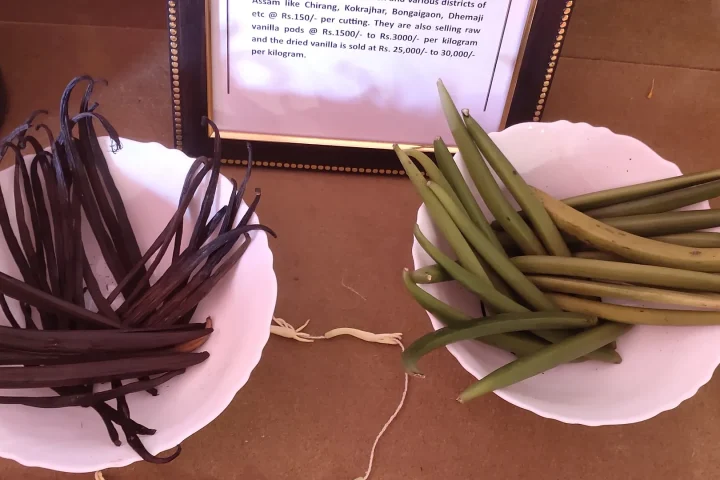
Vanilla pods are harvested once they reach optimal maturity — harvesting too early produces underdeveloped aroma, while harvesting too late risks the pods splitting in the field before they can be processed. Experienced farmers typically recognize ripeness from the color change at the pod tip, though variation can occur between gardens and seasons.
Stage 2: Blanching to Stop the Vegetative Process
After harvest, the green pods are briefly dipped in hot water (blanching) to stop the natural biological process within the pod and trigger the enzymatic reaction that later produces vanilla’s characteristic aroma. This step has to be done at the right duration and temperature — too long or too hot can damage the pod’s structure, while too brief doesn’t effectively stop the vegetative process.
Stage 3: Sweating (Controlled Fermentation)
Once blanched, the pods are wrapped and kept in warm, humid conditions for several days — a process known as sweating. This is the stage where most of the enzymatic reactions that form vanilla’s aromatic compounds take place, turning the odorless green pod into a brown pod with the vanilla aroma beginning to develop.
Stage 4: Staged Drying
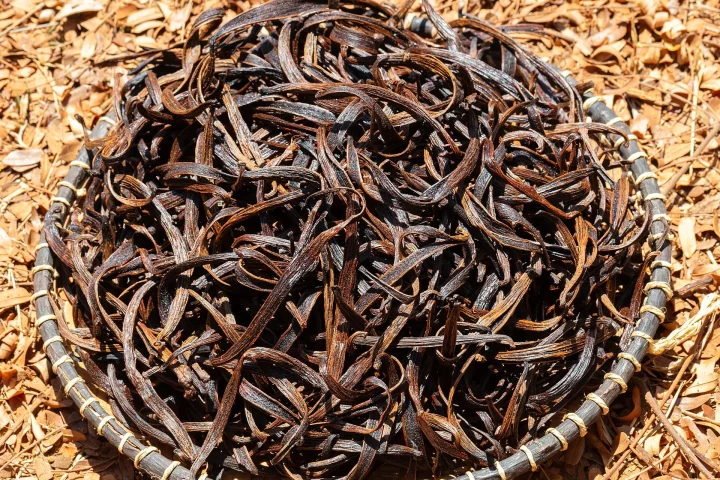
After sweating, the pods are dried in stages — a combination of sun-drying and shade-drying — to gradually lower moisture content without damaging the pod’s structure and aroma. This process typically takes several weeks and requires careful monitoring of weather conditions and pod moisture content.
Stage 5: Conditioning to Stabilize Quality
Once dried, the pods are stored in closed boxes for a period (conditioning) so moisture and aroma distribute evenly throughout the pod. This stage is important for ensuring consistent quality before the pods move into grading and export packaging.
| Stage | Main Purpose |
|---|---|
| Harvest | Ensure pods are picked at optimal maturity |
| Blanching | Stop the vegetative process, trigger the enzymatic reaction |
| Sweating | Form most of the vanilla’s aromatic compounds |
| Drying | Lower moisture content gradually and in a controlled way |
| Conditioning | Stabilize aroma and moisture before grading |
Stage 6: Grading to International Buyer Standards
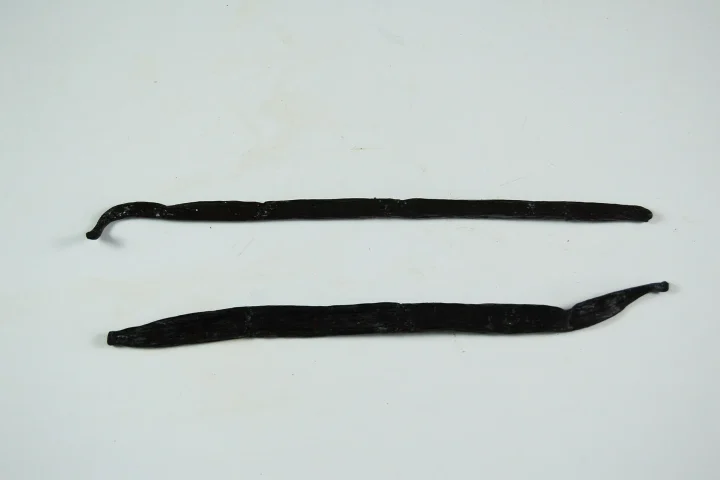
After conditioning, the pods are sorted by length, moisture content, and visual appearance — though the detailed grading standard differs between buyers, so an experienced exporter usually adjusts the sorting process to the specification a given buyer requests, rather than applying one single standard to every order. International buyers generally request written grading documentation as part of the verification process before shipment.
Why Can’t This Process Be Rushed?
Every stage of vanilla processing — especially sweating, drying, and conditioning — needs its natural amount of time that can’t be shortened without sacrificing final quality. An exporter offering “export-ready” vanilla in a very short time after harvest is worth investigating further, since vanilla’s aroma quality depends heavily on the duration and care taken at each processing stage.
To understand the curing process from green pod to export-ready bean in more detail, read our vanilla curing process: from green pod to export page, and learn about our quality standards on our quality assurance page.
Conclusion for Buyers Evaluating a Processing Method
Export vanilla quality is determined largely by the care taken at every processing stage, not just the garden’s origin. Buyers seriously evaluating a supplier should ask about the specific curing process applied, rather than relying only on origin or on-paper grade claims.
How Long Does the Whole Process Take, From Harvest to Export-Ready?
In general, the complete process from harvest to pods that are truly ready for grading and export packaging takes several months, since each stage — blanching, sweating, drying, and conditioning — requires its own duration that can’t be shortened without sacrificing quality. We don’t state an exact number of months on this page because the actual duration can vary depending on weather conditions during drying and the specific practices applied by each farmer group or curing facility.
What’s the Difference Between Traditional Curing and Curing in a Controlled Facility?
Traditional curing generally relies on direct sunlight and natural environmental conditions for the drying stage, while some larger facilities use drying rooms with more precise temperature and humidity control. Both approaches can produce high-quality vanilla provided they’re run with discipline and careful monitoring — it isn’t that one particular method is automatically superior, but rather the consistency of how the process is applied that determines the final result.
How Can You Confirm a Supplier’s Curing Process Meets Your Standard?
Buyers who want to confirm a supplier’s curing process matches their needs can request process documentation (including an estimated duration for each stage), request samples from several different batches to test consistency, and, if needed, request lab test results for moisture content and aromatic compound levels. This combination of documentation and sample verification gives a far more accurate picture than relying on a general process description alone.
To see the range of products from our processing by grade, visit our vanilla powder and extract page and our tahitensis vanilla beans page, available for buyers with specific needs beyond standard planifolia.
What’s the Quality Difference Between Well-Processed and Carelessly Processed Vanilla?
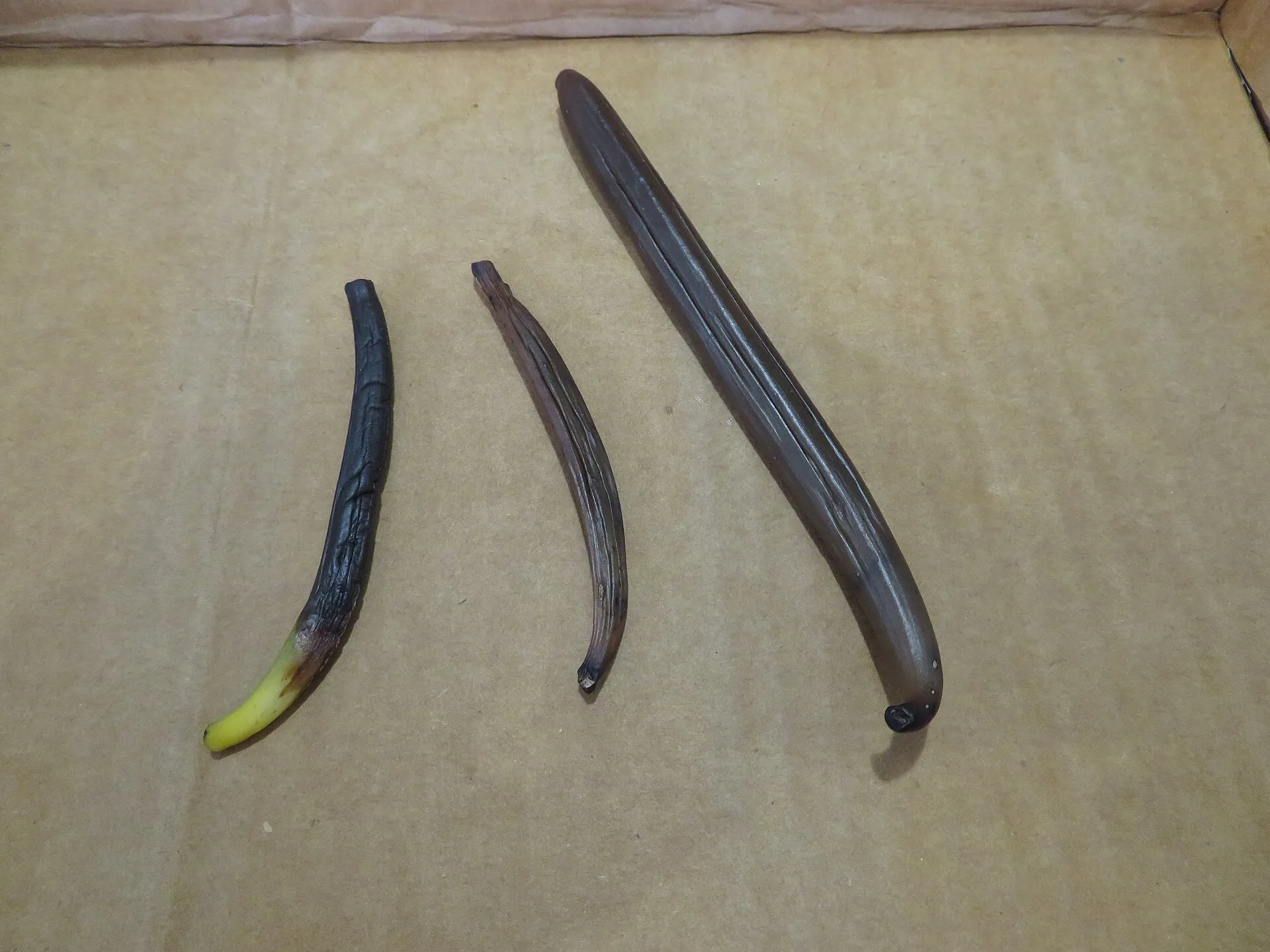
Vanilla processed with discipline at every stage — from harvesting at the right time through to sufficiently long conditioning — generally produces pods with richer aroma, better texture (moist but not wet), and more consistent color than vanilla processed in a rush. Signs of poor processing that buyers can recognize include a sharp or underdeveloped aroma, an overly dry and brittle texture, or uneven color between pods in the same batch.
How Can a New Business Learn the Right Curing Standards?
Businesses wanting to understand curing standards in depth are advised to visit an experienced curing facility directly, observe the process firsthand, and, where possible, intern or partner with a farmer group/collector that already has an export track record. Direct hands-on learning is far more effective than studying theory alone from literature, given that vanilla curing involves many experience-based decisions that are difficult to fully standardize in writing.
What Common Mistakes During Sweating Can Ruin the Aroma?
Common mistakes during the sweating stage include unstable storage temperature, too short a duration so the enzymatic reaction isn’t complete, or loose wrapping that lets moisture escape too quickly. All three mistakes can result in pods with underdeveloped aroma even if the harvest and blanching stages were done correctly, so consistent oversight is still needed at every stage from start to finish.
Ready to Request a Written Quote?
Specifications, sample terms, and pricing for your shipment are confirmed in writing by our desk once we understand your grade, volume, and destination port. Contact our export desk via WhatsApp at +62 811-3941-4563 or email [email protected] to start a written request.