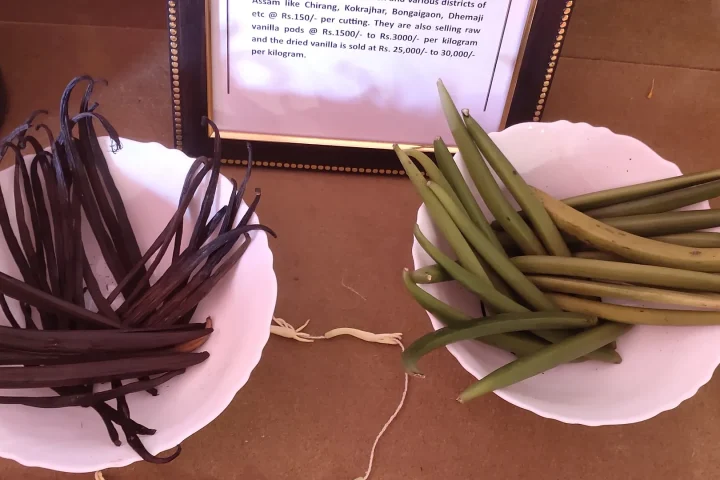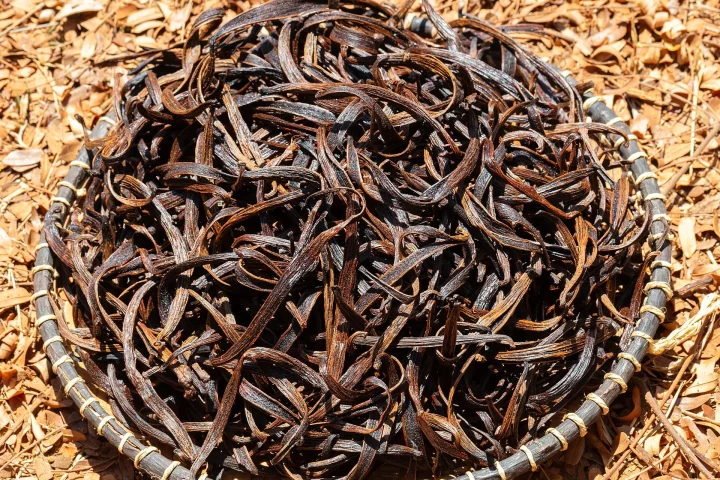
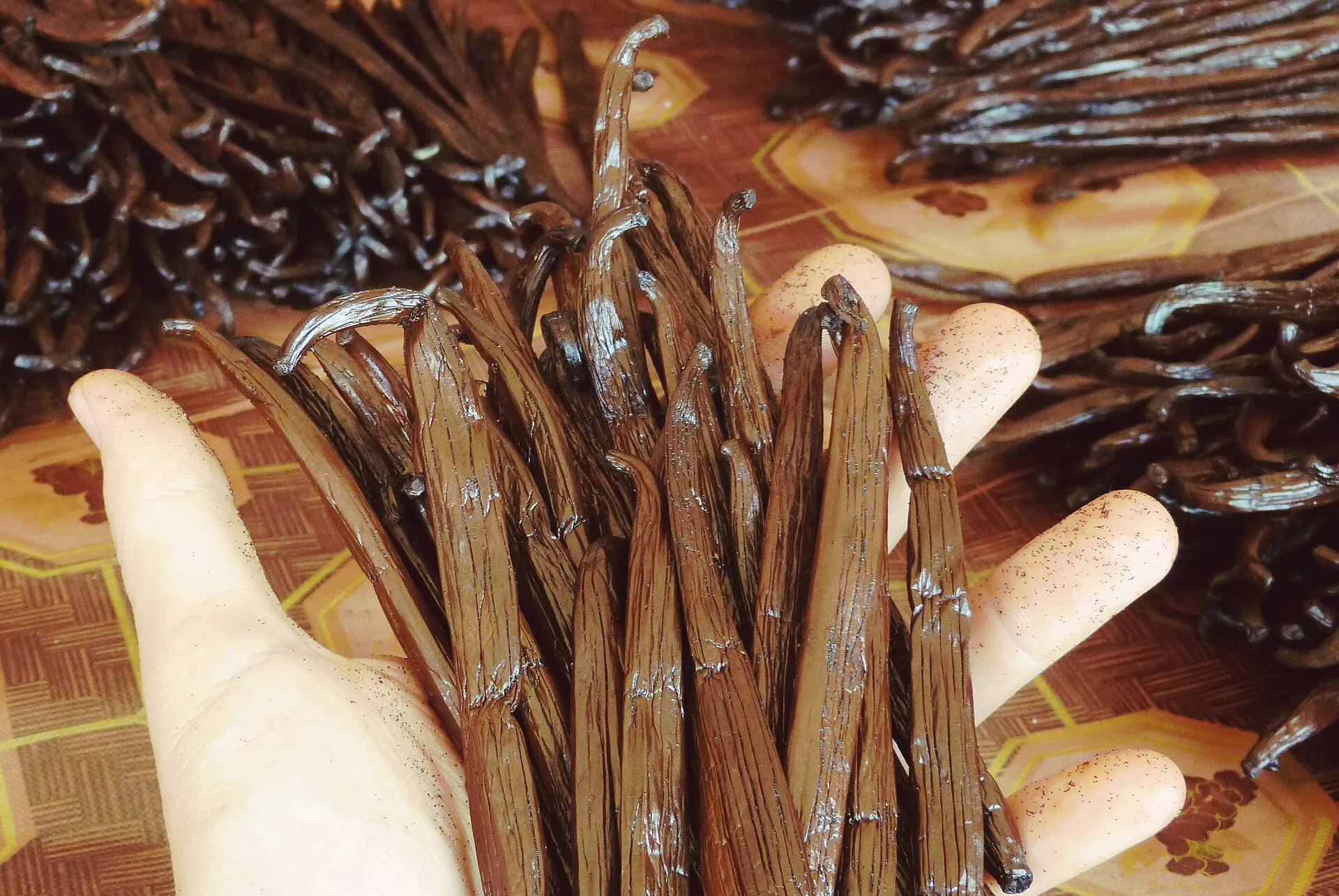
The price of dried Bali vanilla per kg in 2027 is determined by a combination of grade, global market conditions, harvest season, and order volume — not a single figure that applies the same way to every transaction. This article deliberately doesn’t quote a specific price, because vanilla is one of the most volatile commodities in the world spice market, and buyers — local or international — should be wary of any exporter who promises a fixed figure with no context for the specific order.
What Factors Affect the Price of Dried Vanilla?
Several key factors consistently affect the price of dried vanilla from Bali, and Indonesia in general:
- Grade and quality — gourmet-grade pods with length and appearance matching premium buyer standards generally command a higher value than extraction grade
- Moisture content — vanilla with moisture content suited to long-term storage standards is usually preferred by industrial buyers
- Harvest season — fresh post-harvest and post-curing supply affects the availability of certain grades at a given point in the year
- Global market conditions — price movements at other world vanilla origins (such as Madagascar) also affect demand for Indonesian vanilla as an alternative source
- Order volume — large-volume purchases under an ongoing contract generally have a different price structure than sample or small-volume purchases
Why Don’t We List a Fixed Price on This Site?
Vanilla is a commodity with high price volatility — far more volatile than many other agricultural commodities — so a price published today may no longer be relevant a few weeks later. We choose to provide a written offer per order, once we understand the grade, volume, and shipping destination you need, rather than posting a fixed price list that risks misleading buyers.
How Does the Price Difference Between Grades Work?
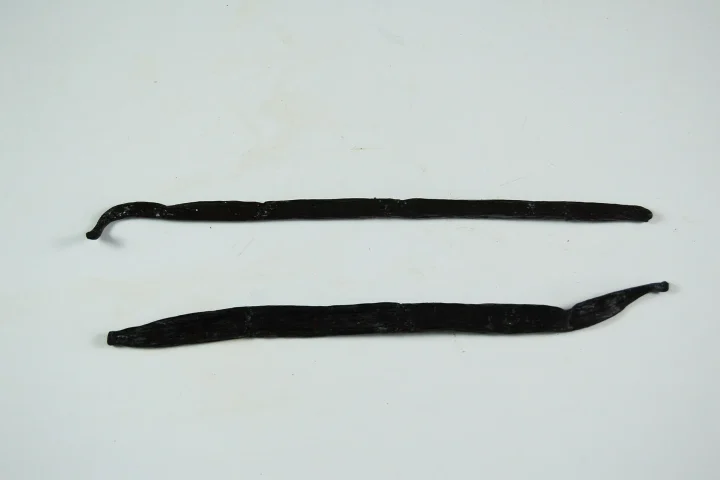
In general, gourmet grade (typically for direct use such as whole beans in premium culinary applications) has a higher sale value than grade B, which is more suited to extraction, since its physical characteristics (such as shorter or split pods) don’t significantly affect the final extract’s result. This price gap between grades is a consistent market pattern, though the exact figure still depends on market conditions at the time of the transaction.
| Grade | General Characteristics | Common Applications |
|---|---|---|
| Grade A (Gourmet) | Long, whole pods, premium appearance | Premium culinary use, whole-bean retail/HORECA |
| Grade B (Extraction) | Shorter/split pods, variable moisture content | Extract production, flavor industry |
Note that grading standards can differ between buyers — some buyers have their own internal specifications around minimum length, maximum moisture content, or tolerance for visual defects. For that reason, grade specifications should be agreed in writing at the start of negotiations, rather than assumed from a general standard.
How Do You Get an Accurate Price Quote?
The most accurate way to find out the current price of dried Bali vanilla is to submit a written quote request to our desk, including the grade you need, estimated volume, and shipping destination (domestic or export to a specific country). We’ll respond with an offer that reflects current market conditions, not an old figure that’s no longer relevant.
To learn more about our gourmet-grade products, visit our wholesale Bali gourmet vanilla beans direct from farm page, and see our grade A specifications at Bali grade A vanilla beans for extract production.
Conclusion: Prices Move, Specifications Are What You Can Rely On
Rather than chasing a fixed price figure that will never be fully accurate for a commodity as volatile as vanilla, buyers — local or international — should focus on clear specifications — grade, moisture content, volume, and delivery schedule — then request a written quote based on those specifications. This approach protects both parties from price misunderstandings down the line.
Is There a Price Difference Between Domestic and Export Purchases?
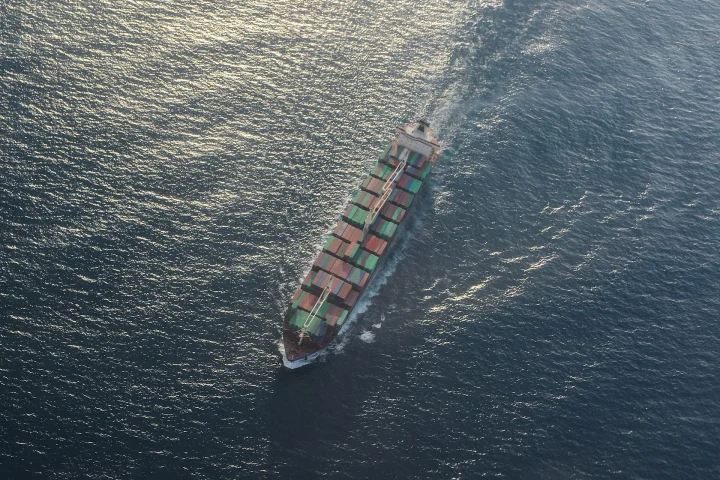
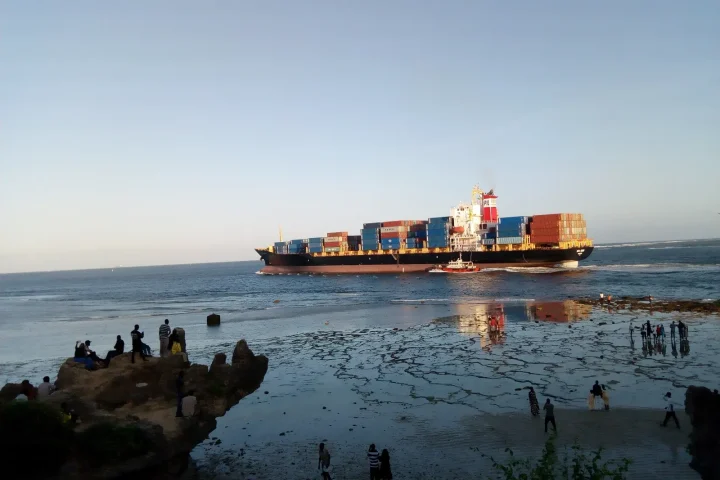
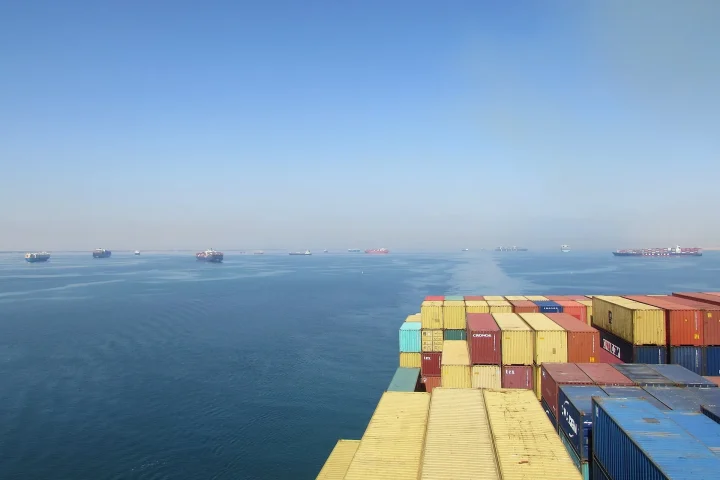
Yes, there’s generally a difference, because purchases for export typically involve additional costs such as phytosanitary documents, packaging suited to long-distance shipping standards, and sometimes stricter quality requirements than domestic purchases for the local market. In addition, export purchase volumes are generally larger and often involve an ongoing contract, which can affect the price structure compared with small domestic transactions.
How Does Seasonal Fluctuation Affect Price Throughout the Year?
Dried vanilla prices tend to follow a seasonal pattern tied to the annual harvest cycle — fresh post-harvest and post-curing supply usually makes certain grades more widely available in a given period, while availability of certain grades can be more limited approaching the next harvest season. This pattern is consistent as a market tendency, though the actual size of any price change still depends on conditions in a given year and can’t be predicted with certainty from one year to the next.
How Do You Compare Quotes from Several Suppliers?
When receiving several price quotes from different suppliers, it’s important to make sure the comparison is on equivalent specifications — the same grade, the same moisture-content range, and the same document coverage (whether it includes a phytosanitary certificate, COA, and so on). A lower-priced quote with no clear specification risks reflecting different quality, not simply a more efficient price from that supplier.
Why the Per-Kg Price Doesn’t Always Reflect the Real Value
The real value of a vanilla purchase is also affected by yield (the extraction result, or the proportion of pods that actually meet the standard after re-sorting at the buyer’s warehouse), not just the price per kilogram at the point of purchase. Experienced buyers typically calculate the total effective cost — including potential quality loss, additional storage costs, and claim risk — rather than just comparing the initial price figures from several suppliers.
To learn more about our grade B specifications suited to extraction needs, please visit our grade B vanilla beans for extraction page, and learn about our sample ordering options at our vanilla sample order program before committing to a large volume.
How Do You Read General Global Vanilla Price Trends?
Although we don’t publish a fixed price, buyers — local or international — can still monitor general global vanilla price trends through international commodity reports and spice-industry publications, which typically cover price movements at major origins like Madagascar as a world-market reference. Price movements at these major origins often affect demand for Indonesian vanilla as an alternative source, though the relationship between the two isn’t always linear or instant.
What Can Buyers Do to Protect Themselves From Price Volatility?
Some strategies commonly used by B2B buyers to manage vanilla price volatility risk include agreeing to a fixed-duration contract that locks in a price for that period, buying in stages rather than all at once in a large volume to average out price risk, and building a long-term relationship with a supplier that gives priority stock allocation when supply is tight. No strategy eliminates the risk entirely, but combining these approaches helps buyers manage fluctuation more predictably.
What Happens If a Buyer Receives an Offer Far Below the Market Range?
An offer significantly below the general market range should be treated with caution, since it can indicate a different grade than claimed, moisture content that isn’t yet suited to long-term storage standards, or even a risk of fraud in the transaction. Buyers are advised to always request a sample and documentation before making full payment, regardless of how attractive the offered figure looks.
Ready to Request a Written Quote?
Specifications, sample terms, and pricing for your shipment are confirmed in writing by our desk once we understand your grade, volume, and destination port. Contact our export desk via WhatsApp at +62 811-3941-4563 or email [email protected] to start a written request.