Bali is one of Indonesia’s active vanilla-growing centers supplying the export market, alongside other producing regions such as Java, Sulawesi, and Papua, and as of 2027 this position remains relevant for B2B buyers seeking gourmet or extraction-grade vanilla from Indonesia. This article covers the real opportunities and challenges in exporting vanilla from Bali, without promising a specific price or harvest volume figure, since both are fluctuating and are confirmed in writing per order by our desk.
Why Does Bali Remain Relevant for Vanilla Export?
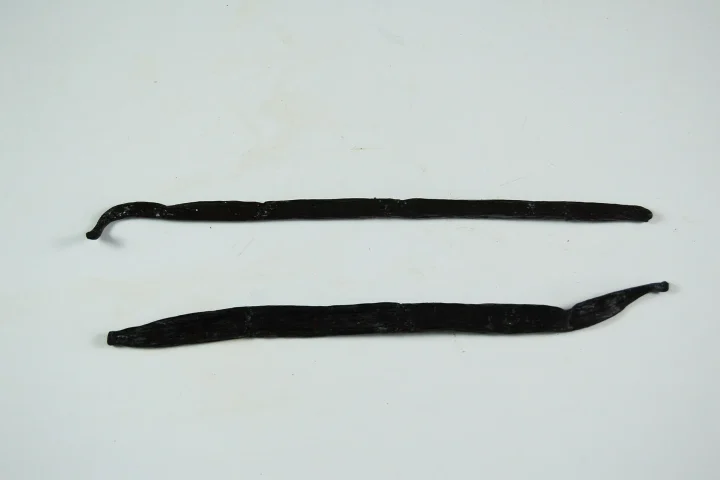
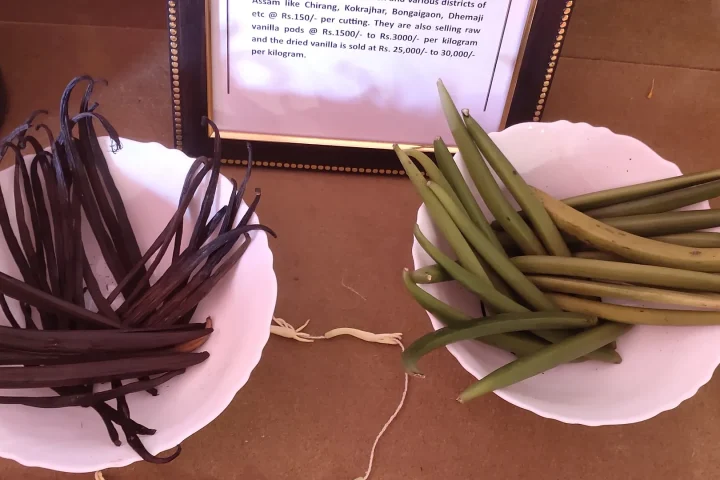
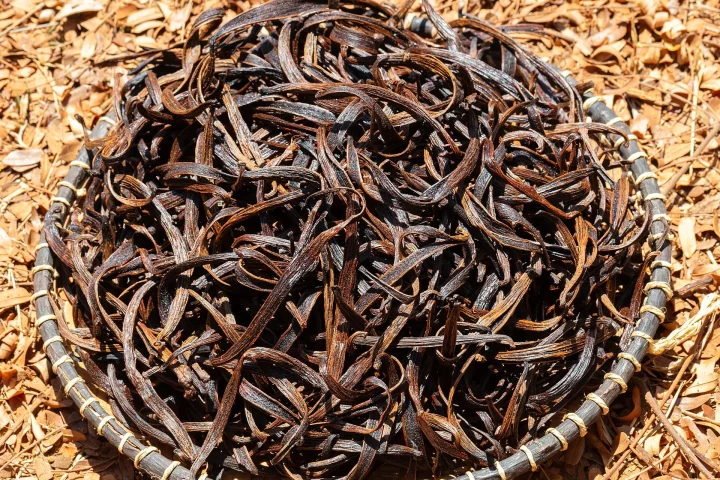
Vanilla is a high-value agricultural commodity that needs careful post-harvest handling — from blanching and fermentation (sweating) to drying and conditioning before it’s export-ready. Bali has an ecosystem of farmers and businesses already familiar with this process, plus relatively good logistics access to major export ports. That said, vanilla characteristics can vary from one garden to another — even within the same region — depending on curing and storage methods, so buyers should still request documentation and samples before committing to a large-volume contract.
Main Challenges Facing Exporters and Buyers
Some challenges that consistently come up in vanilla export from Bali, and Indonesia generally, as of 2027 include:
- Global price fluctuation following the harvest season and world market demand — there’s no fixed price that can be promised outside a written quote for a specific order
- Grading standards that differ between buyers — some emphasize pod length, others moisture content or visual appearance, so the specification has to be agreed in writing upfront
- Availability of certain grades that can change across the season, especially leading up to the period before the next harvest
- The need for complete export documents — including a phytosanitary certificate and the correct HS code — so shipments aren’t held up at the destination port
How Can Buyers Build a Long-Term Contract?
A long-term contract with a Bali vanilla exporter is most effectively built in stages: starting with a sample order to verify specifications, followed by a small-to-medium trial order, before finally moving into an ongoing contract with an agreed delivery schedule. This approach gives both parties room to verify quality consistency before committing to a large volume, and helps buyers plan production without depending on a single untested shipment.
Documents and Compliance to Prepare
Exporting vanilla from Indonesia generally requires documents such as a phytosanitary certificate, an invoice and packing list matching HS code 0905, and any additional documents the destination country may require (for example, the EU, the US, or Japan) related to food import requirements. Rules can change in every country, so buyers are advised to confirm their own import requirements, while our desk helps prepare the export-side documents to match the order’s needs.
| Partnership Stage | Purpose |
|---|---|
| Sample request | Verify specification fit and aroma quality |
| Trial order | Test quality consistency and the shipping process |
| Ongoing contract | Volume and schedule certainty for the buyer’s production needs |
Opportunities Open to International Buyers
Global demand for natural vanilla from Indonesia remains in place, especially from food, beverage, and pharmaceutical/cosmetics manufacturers looking for an alternative to traditional vanilla origins like Madagascar. For buyers seeking supply diversification, Bali and other Indonesian regions can be a worthwhile additional option — with the caveat that quality verification and price negotiation still need to happen individually per order, not based on a general market-price assumption.
To understand Bali’s vanilla market outlook further, see our Bali vanilla export market forecast 2027: key trends and opportunities. You can also get to know our specialist team through our Bali Vanilla Export specialist profiles page, which handles technical communication with international buyers.
Next Steps for Serious Buyers
If your company is evaluating Indonesia as a vanilla source for 2027 production needs and beyond, the most efficient step is to start with an official sample request and written specification, rather than relying on price estimates from third-party sources. Our desk is ready to help put together a specification matching your internal standards, including grade, moisture content, and the supporting documents your destination country requires.
How Does Bali Compare with Other Vanilla Centers in Indonesia?
Besides Bali, Indonesia’s other main vanilla-producing regions include Java, Sulawesi, and Papua, each with slightly different agronomic characteristics and curing traditions. Buyers comparing origins often ask about aroma differences between these regions — but it’s worth noting that variation within a single origin (due to differing curing and storage methods between businesses) can be larger than the average variation between geographic regions. That’s why we always recommend buyers evaluate based on samples and process documentation, rather than on the name of the region of origin alone.
The Role of the Export Desk in Bridging Farmers and International Buyers
One of the structural challenges in exporting vanilla from Bali is the gap between the scale of farmer operations (generally small-to-medium) and the documentation and quality-consistency needs demanded by industrial-scale international buyers. An experienced export desk bridges this gap — consolidating harvests from several farmers, applying a consistent grading standard, and handling the entire export documentation process — so buyers don’t need to deal directly with the complexity of the farm-level supply chain.
What Sets a Credible Exporter Apart From a Risky One?
A credible exporter is typically willing to provide a sample with clear documentation, explains the curing process in detail when asked, and doesn’t hesitate to give a price estimate that explicitly states it applies to current market conditions — not a fixed long-term promise. Conversely, warning signs buyers should watch for include refusing to provide a sample before full payment, vagueness around phytosanitary documents, or a price that feels far below the market range with no reasonable explanation.
Buyers wanting to verify an exporter’s track record can ask for references from previous clients or review a history of past export shipments. We encourage prospective partners to carry out this kind of due diligence as a standard part of the supplier evaluation process, not as an unnecessary extra step.
For buyers who want to compare grade specifications before contacting our desk, our Indonesian vanilla bean supplier page summarizes the grades and product formats commonly available for the export market.
What Role Does Certification Play in Boosting Bali’s Export Competitiveness?
Some international buyers, especially in the premium segment, place added value on organic- or fair-trade-certified vanilla over conventional, uncertified vanilla. But certification isn’t an absolute requirement to export — many Bali vanilla transactions happen without formal certification, with trust built through quality documentation and a consistent transaction track record. For exporters wanting to target the certified premium segment, the certification process takes time and audit cost that needs to be planned well ahead of the export season, not decided on suddenly once buyer demand appears.
How Does Bali’s Logistics Infrastructure Support Vanilla Export?
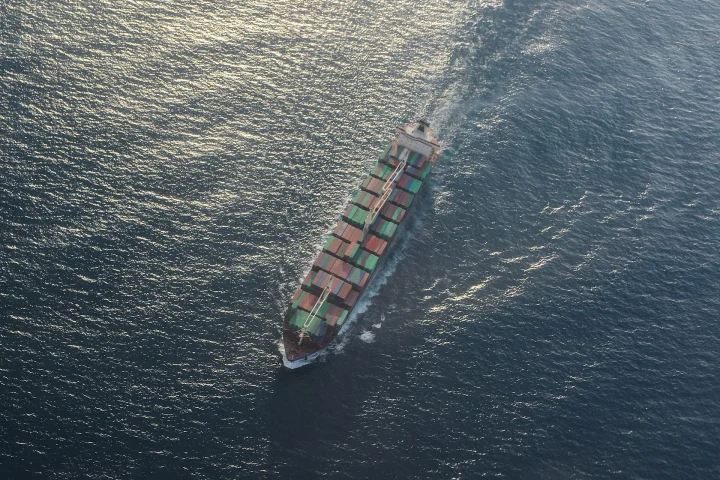
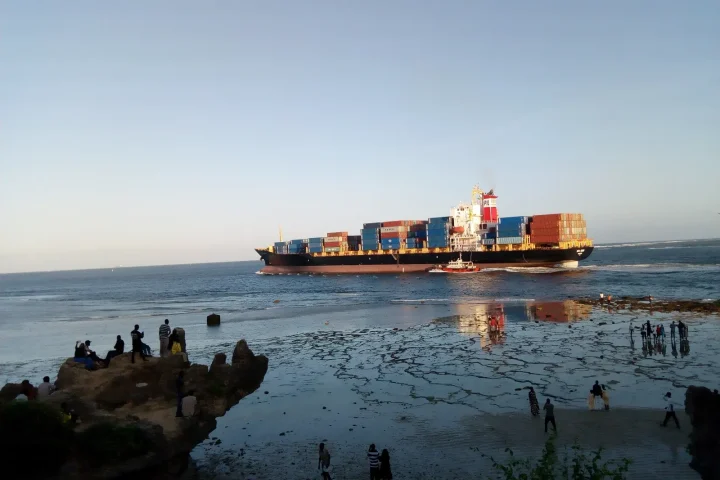
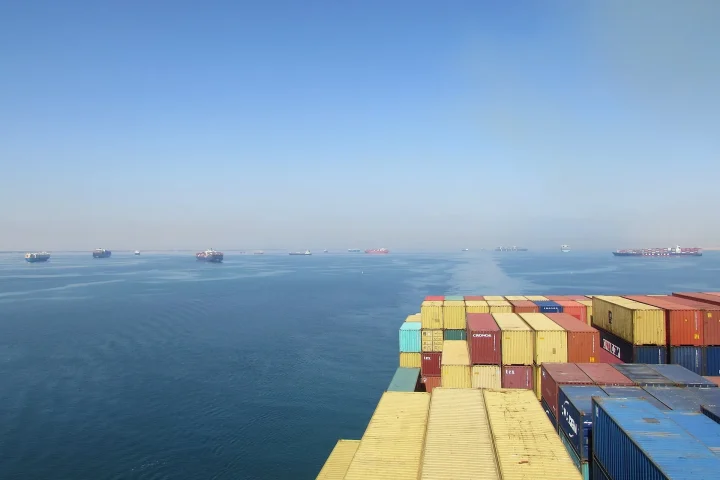
Bali has access to ports and logistics facilities connected to Indonesia’s main export routes, though some vanilla shipments from Bali still need to be consolidated through major ports such as Surabaya or Jakarta depending on volume and final destination. Understanding this logistics route matters for buyers who want a realistic transit-time estimate, since actual shipping time can be longer than the geographic distance alone would suggest if cargo consolidation at an intermediate port is involved.
Ready to Request a Written Quote?
Specifications, sample terms, and pricing for your shipment are confirmed in writing by our desk once we understand your grade, volume, and destination port. Contact our export desk via WhatsApp at +62 811-3941-4563 or email [email protected] to start a written request.