If you are brewing a vanilla stout, resting a spiced rum, or building an artisanal liqueur, extract-grade Indonesian vanilla is almost always the smartest starting point: Grade B beans at an indicative US$20–50 per kilogram deliver the vanillin you need for barrel maceration at a fraction of gourmet-bean cost. This guide explains when Grade B is the right call, when Grade A earns its premium as a finishing bean, how to think about dosing per barrel, and how a small repeat-contract model with samples keeps your recipe consistent through 2027.
Why Distilleries and Breweries Source Vanilla Differently from Bakeries
A pastry chef scrapes a pod in front of the customer, so pod length, gloss, and suppleness matter. A brewer or distiller macerates split beans in beer, spirit, or neutral alcohol for days or weeks, then filters them out. Nobody ever sees the pod. What matters in a beverage program is extractable flavor — vanillin content, aromatic depth from proper curing, and consistency from lot to lot — not cosmetic perfection.
That single difference changes the economics of sourcing. Beans with shorter pods, minor surface blemishes, or lower moisture are penalized heavily in the gourmet market yet perform beautifully in alcohol extraction. Indonesian Planifolia from Bali, Alor, and Papua goes through the full curing sequence — pollination, harvest, sweating, drying, and conditioning — before export, so even extract-grade lots carry the developed aroma that maceration is designed to pull out.
Grade B Extract-Grade: The Workhorse for Barrel Maceration
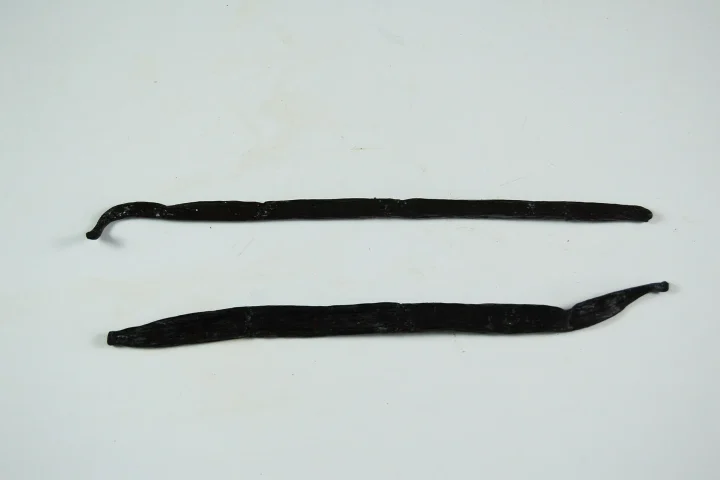
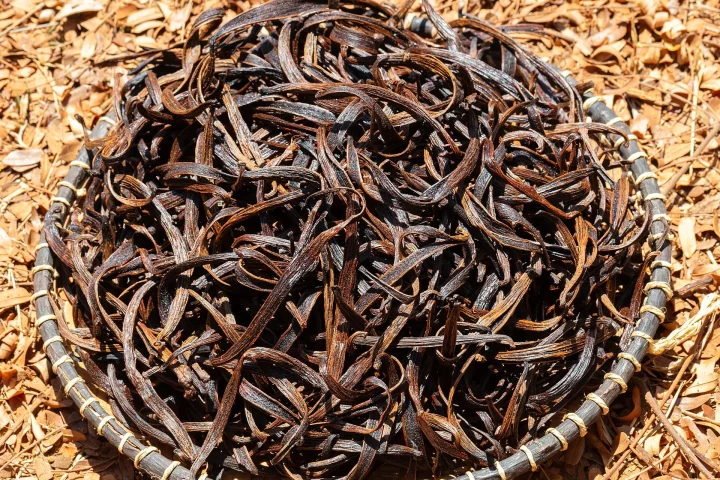
For vanilla stouts, porters, cream liqueurs, and rum infusions, Grade B extract-grade vanilla beans are the economical backbone. Indicative pricing runs US$20–50 per kilogram depending on vanillin content and pod quality, confirmed on request per lot. Because these beans are drier than gourmet grade, you also get more beans per kilogram — useful when your recipe is written in beans per barrel rather than grams.
Grade B is the right choice when:
- The beans will be split, chopped, or ground before maceration, so appearance is irrelevant.
- You are dosing an entire fermenter or barrel run and cost per batch drives margin.
- You want to standardize on measured vanillin content from a Certificate of Analysis rather than visual grading.
- Your production calendar calls for steady monthly or quarterly volumes, not one showpiece batch.
We publish measured specifications — origin, curing method, moisture, length range, and lab-verified vanillin — for each lot instead of generic claims, so your brewhouse or still team can compare lots on numbers, not adjectives.
When Grade A Gourmet Beans Earn Their Premium
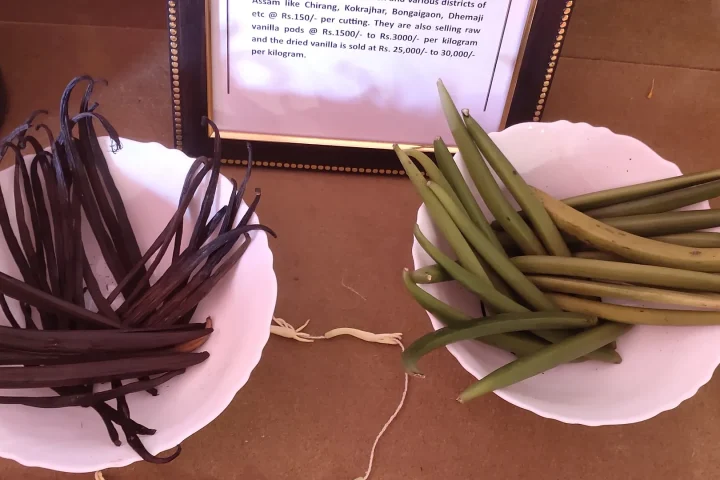
Grade A Planifolia, at an indicative US$30–80 per kilogram, still has a place in a beverage program — just a narrower one. Higher-moisture gourmet beans carry rounder, more floral top notes that show best in short, gentle contact rather than long aggressive maceration. Consider Grade A for:
- Premium finishes: a brief post-maturation rest for a limited-release rum or barrel-aged imperial stout, where a softer vanilla profile justifies the spend.
- Flagship liqueurs: products where vanilla is the headline flavor and the label commands a premium price.
- Whole-bean presentation: bottles or barrel-aging programs where a visible pod is part of the story.
A practical pattern many craft producers adopt: Grade B for the base extraction that builds the core vanilla character, then a small Grade A addition late in the process to lift the aromatics. You spend gourmet money only where the palate can actually detect it.
Dosing Per Barrel: Practical Starting Points
Vanilla intensity varies by lot, alcohol strength, contact time, and temperature, so treat dosing as a bench-trial exercise rather than a fixed formula. Sensible starting points we suggest to beverage clients:
- Vanilla stout or porter: begin trials at the lower end with split Grade B beans in the fermenter or brite tank, taste at intervals of a few days, and scale the winning ratio to full volume. Over-extraction in beer reads as woody bitterness, so shorter contact with more frequent tasting beats a long set-and-forget soak.
- Spiced rum: higher-proof spirit extracts faster and more completely than beer. Start conservative, sample weekly, and remember the vanilla will continue to integrate after the beans are removed.
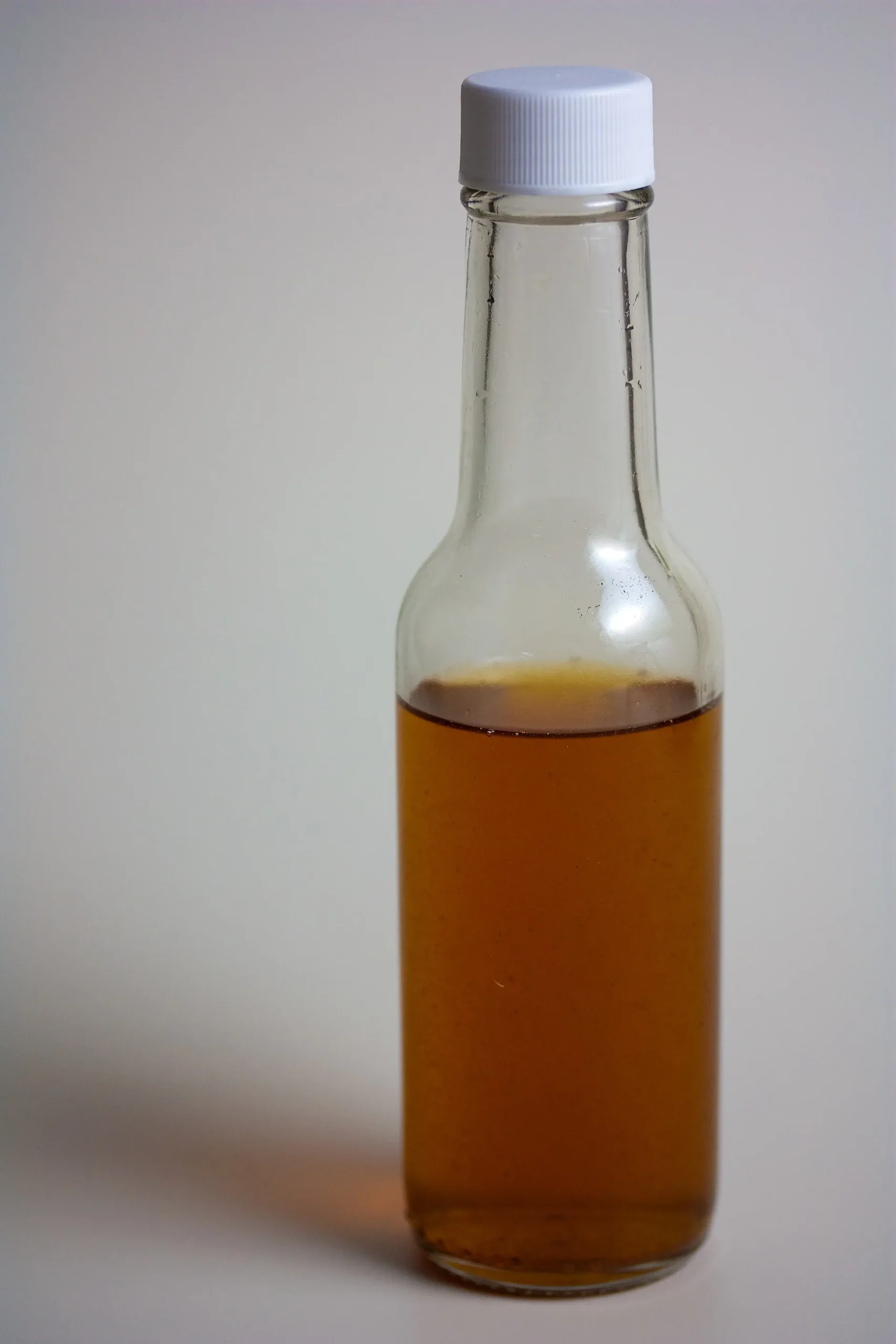
- Liqueurs and cream products: extraction in a neutral base is the most controllable route — build a concentrated in-house extract from Grade B beans, then dose the finished product by volume for batch-to-batch consistency.
Whatever ratio your trials land on, lock it against a measured vanillin specification. If your recipe was developed on a lot testing at a given vanillin level, ordering the next lot against a COA in the same range keeps the flavor stable even as harvests change.
The Sourcing Model: Small Repeat Contracts Beat One Big Buy
Craft producers rarely need a container. What they need is the same bean, at the same spec, arriving on a predictable rhythm. That is exactly the structure we run for bulk vanilla bean supply to food and beverage manufacturers: a fixed specification sheet, a recurring shipment size matched to your brew or distillation calendar, and pricing agreed per cycle rather than gambled on a single large position.
Small repeat contracts protect you three ways. First, cash flow — you are not warehousing a year of inventory in a product that is sensitive to storage conditions. Second, freshness — each delivery arrives vacuum-sealed in food-grade packaging with oxygen absorbers, straight from conditioned stock. Third, flexibility — if a seasonal release takes off, scaling the next cycle up is a WhatsApp message, not a renegotiation.
Prove the Recipe First: Samples Before Contracts
No serious distiller commits a barrel program to an untested ingredient. Our vanilla bean sample order program exists precisely for recipe development: small air-freighted quantities of the specific lots you are evaluating, each with its specification sheet, so your team can run bench maceration trials before any volume commitment. Test Grade B and Grade A side by side in your actual base spirit or wort, pick the profile that wins, then contract against that lot’s specification.
The sequence that works: sample, bench trial, pilot batch, then a standing order. Every step de-risks the next.
Export Logistics: What Your Import Side Should Expect
Vanilla ships under HS code 0905, and Indonesian export shipments move with phytosanitary documentation through official quarantine channels. The United States was the largest buyer of Indonesian vanilla in 2025 at US$8.25 million, with France, Germany, and the Netherlands following — meaning customs brokers in the main craft-beverage markets already handle this product routinely.
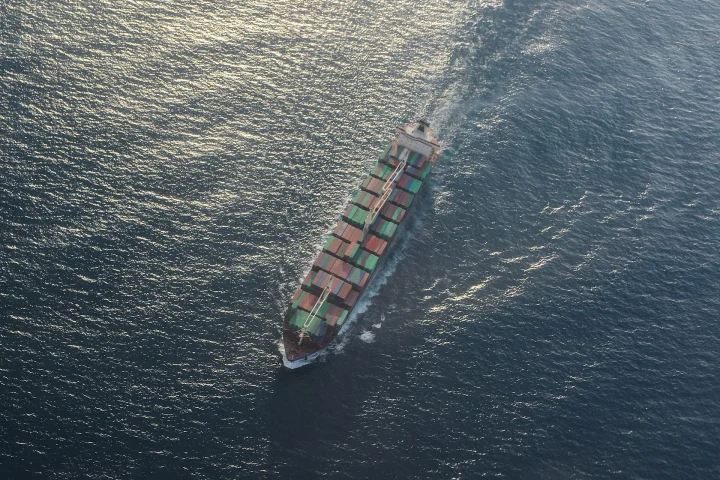
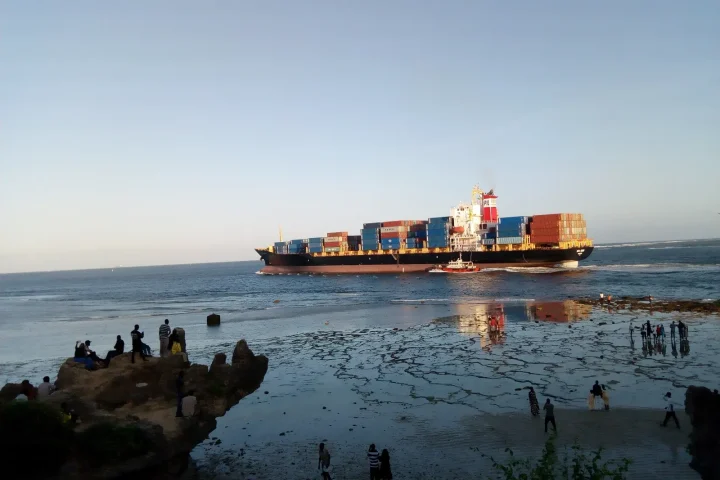
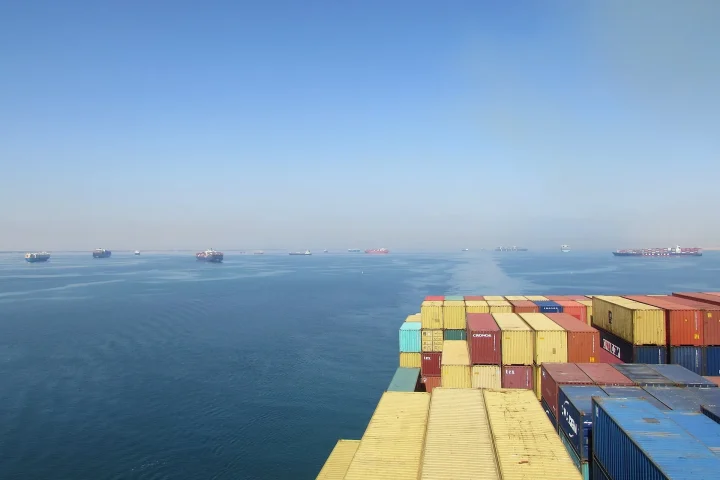
For beverage-scale orders, air freight suits samples and smaller premium lots, while sea freight becomes economical as recurring volumes grow; vacuum-sealed packing with oxygen absorbers protects quality on the water. We prepare a destination-specific document set for each shipment, and our export desk operates within the Juara Holding Group, whose group profile covers the trading and logistics infrastructure behind our shipments. Documentation requirements vary by destination and buyer, so confirm the paperwork list for your country when you request a quote.
Commercial information only. Pricing, tariff codes, phytosanitary rules and import requirements change between seasons and destination markets — confirm current figures and documentation with your customs broker, freight forwarder and the competent authority in your import country before contracting. This page is not legal, tax or trade advice.
Frequently Asked Questions
What grade of vanilla beans is best for a vanilla stout?
Grade B extract-grade beans are the standard choice. They are macerated and filtered out, so appearance does not matter, and their indicative US$20–50 per kg pricing keeps cost per barrel manageable. Reserve Grade A for a finishing addition on premium releases where a softer aromatic lift is worth the spend.
How many vanilla beans do I need per barrel?
There is no universal number — extraction depends on the lot’s vanillin content, alcohol strength, temperature, and contact time. Run small bench trials with sample beans, taste at short intervals, and scale the ratio that wins. We supply lot-specific spec sheets so you can repeat the same dose against the same measured vanillin level in future orders.
Can I get a Certificate of Analysis showing vanillin content?
Yes. We publish measured vanillin from lab COA per lot, alongside origin, moisture, and length range, rather than making generic claims. This is the document your production team should anchor recipes to.
Is there a minimum order for distilleries and breweries?
Sample quantities ship first through the sample program, followed by trial orders sized to a pilot batch, then recurring shipments matched to your production calendar. Exact minimums depend on grade and destination and are confirmed on request — craft-scale volumes are precisely what our repeat-contract model is built for.
How are the beans packed for shipping?
Fully cured and conditioned beans are vacuum-sealed in food-grade packaging with oxygen absorbers, which protects aroma and moisture on both air and sea routes. Shipments travel under HS code 0905 with phytosanitary documentation.
Start Your Bench Trials for 2027 Production
Tell us what you are making — stout, rum, liqueur, or something stranger — and we will recommend lots, send specification sheets, and arrange samples for your trial bench. Message our export desk on WhatsApp at +62 811-3941-4563 or email [email protected] for current lot availability, indicative pricing, and a shipping quote to your market.