Exporting vanilla from Indonesia in 2027 generally follows a documented sequence: specification and sample approval, contract confirmation, quality inspection and grading, phytosanitary certification, customs documentation under HS code 0905, and finally shipping and destination-country clearance. This article walks through that sequence step by step so importers evaluating an Indonesian supplier know what to expect and what documentation to request at each stage.
Step 1: Specification and Sample Approval
Before any commercial order, most importers request a sample against their internal specification — grade, moisture content range, and appearance criteria. This step exists precisely because grading standards vary between buyers; there is no single universal grading scale that applies across every export market, so agreeing on written specification here prevents disputes later in the process.
Step 2: Contract and Pricing Confirmation
Once the sample is approved, pricing and volume are confirmed in writing for that specific order. Because vanilla pricing moves with harvest cycles and global market conditions, this figure is set at the time of the order rather than published as a fixed rate — any exporter offering a long-standing fixed price regardless of market movement should be evaluated carefully.
Step 3: Quality Inspection and Grading Before Shipment
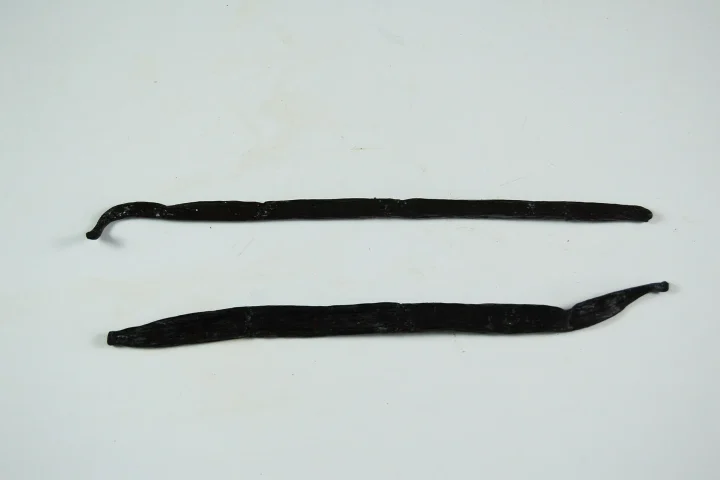
Before packing, beans are inspected against the agreed specification, including checks on moisture, length distribution, and visual defects. Buyers who require third-party or lab verification can request this as part of the pre-shipment process — our page on lab-tested vanilla beans and Certificate of Analysis explains what documentation is available to support this step.
Step 4: Phytosanitary Certification
Indonesian plant-based export commodities, including vanilla, require phytosanitary certification issued by the relevant quarantine authority confirming the shipment is free of regulated pests and meets plant health requirements for export. This certificate is typically requested by customs authorities in the destination country and is a standard, non-negotiable step in the export process.
Step 5: HS Code Classification and Customs Documentation
Vanilla is generally classified under HS code 0905 for customs purposes, though exact subheadings can vary depending on whether the product is whole bean, crushed, or extract, and destination-country tariff schedules may apply additional local codes. Supporting documents at this stage typically include a commercial invoice, packing list, certificate of origin, and the phytosanitary certificate. For a deeper look at this documentation set, see our page on vanilla export documentation, phytosanitary certification, and HS code 0905.
| Step | Purpose | Typical Document |
|---|---|---|
| Sample approval | Confirm quality against buyer spec | Sample + spec sheet |
| Contract confirmation | Fix price and volume for the order | Written quote / contract |
| Pre-shipment inspection | Verify grading, moisture, defects | QC report / COA (optional) |
| Phytosanitary certification | Confirm plant health compliance | Phytosanitary certificate |
| Customs clearance | Enable legal export/import | Invoice, packing list, HS 0905 filing |
Step 6: Shipping and Destination-Country Requirements
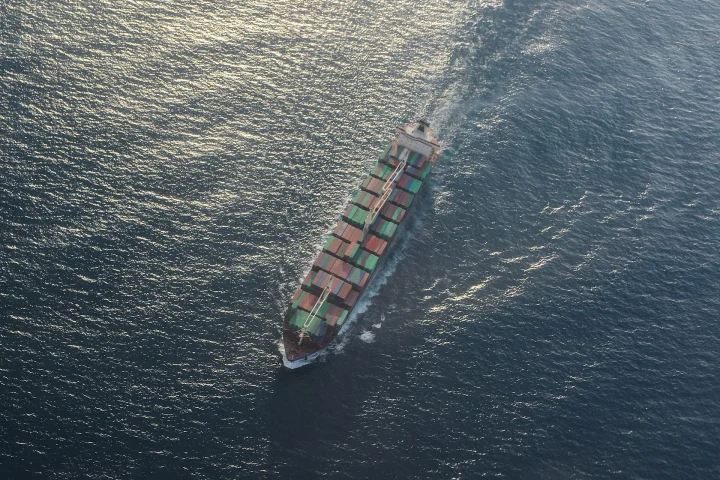
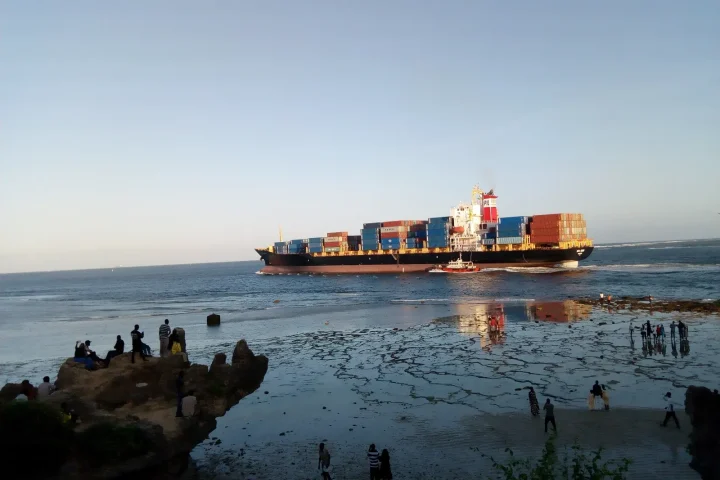
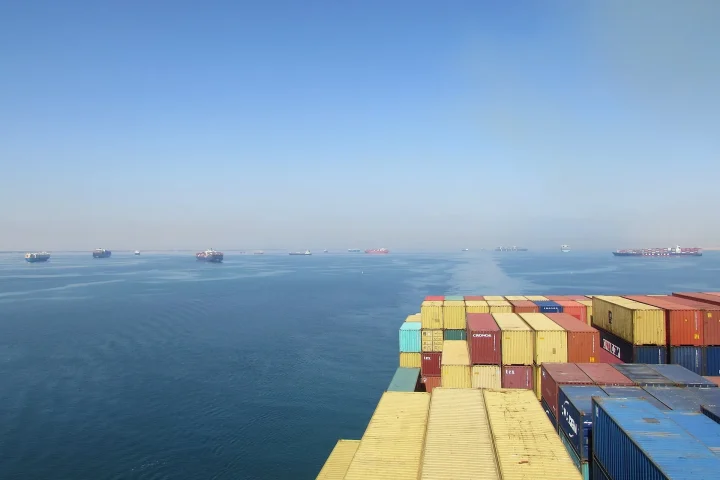
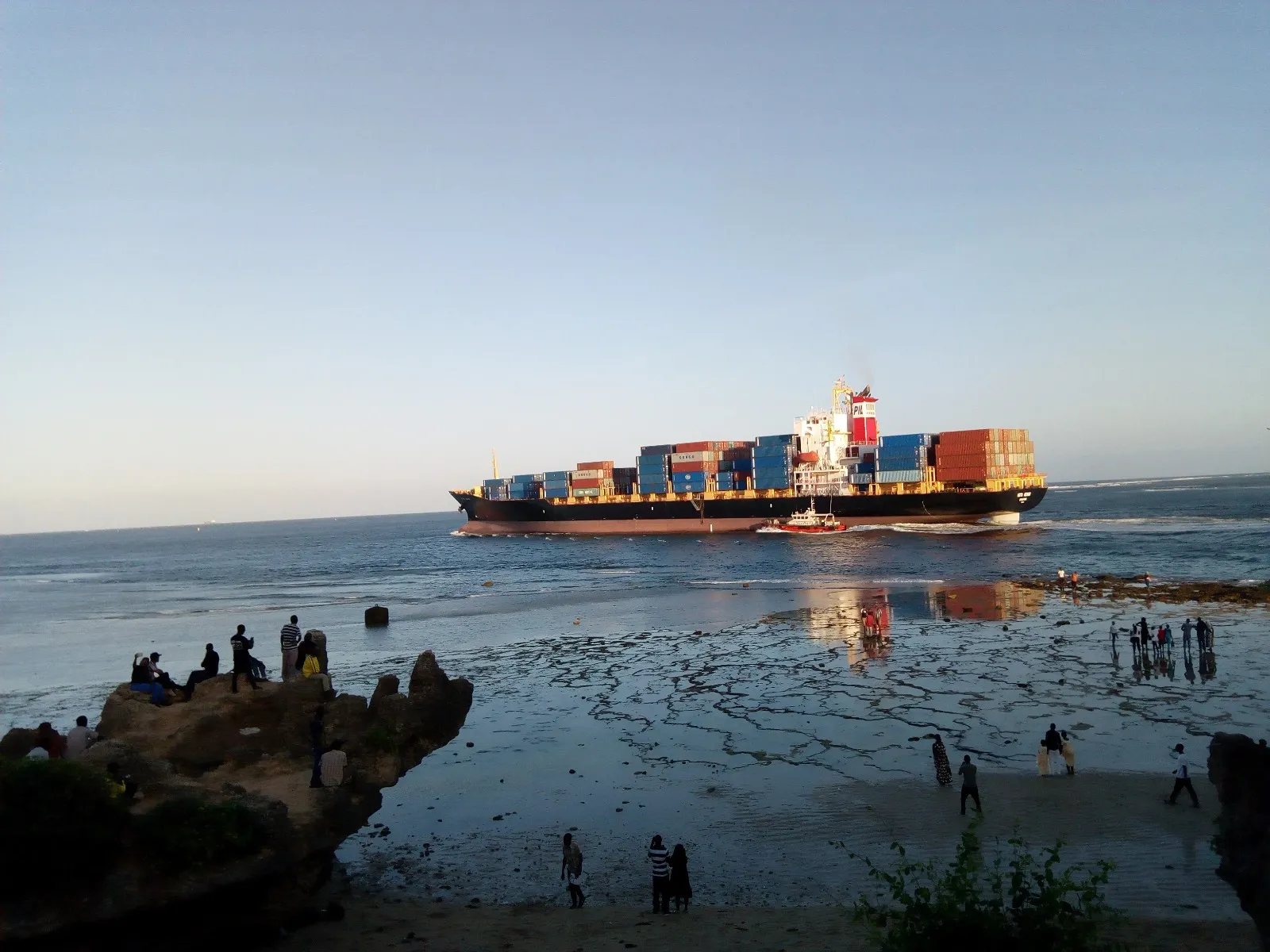
Once export documentation is in order, shipment proceeds by sea or air freight depending on volume and buyer timeline. Destination countries — including the EU, US, and Japan — may apply additional food-import requirements on top of standard customs procedures, such as import registration for the receiving company or additional testing on arrival. Since these requirements can change and differ by country, importers should confirm current rules with their own customs broker or regulatory contact rather than relying solely on the exporter’s side of the process.
What Importers Should Confirm Before Placing an Order
- Which HS subheading applies to your specific product form (whole bean, cut, or extract)
- Current phytosanitary and any additional certification requirements for your country
- Whether your business needs to be registered as an importer of food commodities in your jurisdiction
- Realistic lead times combining curing, inspection, documentation, and freight — not just freight time alone
For general questions on documentation, minimum order quantities, and shipping timelines, our export FAQ covers the questions we receive most often from new importers, and our shipping and export page outlines freight options we typically coordinate for EU, US, and Japan-bound shipments.
Working With a Supplier Who Handles This Correctly
A supplier who cannot clearly walk through this documentation sequence — or who treats phytosanitary certification as optional — represents real compliance risk for an importer. We manage this process directly for every export order and can confirm exact document requirements once we know your destination country and product form.
How Long Does the Full Export Process Typically Take?
Total timeline from confirmed order to shipment departure varies depending on whether beans are already cured and in stock or need to complete curing before export, plus the time needed for phytosanitary inspection and documentation processing. As a general pattern, importers should plan for the curing and QC stages to take meaningfully longer than the documentation and freight stages combined, particularly if the order is placed close to harvest season when beans may still be completing their curing cycle. We provide a realistic timeline estimate as part of every written quote, based on current stock status and your specific order.
What Happens If Documentation Is Incomplete at the Destination Port?
Incomplete or inconsistent documentation is one of the most common causes of delay or additional cost at destination customs — mismatched invoice values, missing phytosanitary certificates, or incorrect HS code declarations can all trigger holds, inspections, or penalties depending on the destination country’s customs enforcement practices. This is why we recommend importers review documentation drafts before shipment departs, rather than only checking paperwork after the shipment has already left origin.
Who Is Responsible for What in the Export-Import Chain?
| Party | Typical Responsibility |
|---|---|
| Exporter (our desk) | Grading, phytosanitary certification, export customs documentation, freight booking (per agreed Incoterm) |
| Importer | Import registration compliance, destination customs clearance, any additional local food-safety testing |
| Freight forwarder / carrier | Physical transport, container handling, transit documentation |
Incoterms Commonly Used for Vanilla Shipments
Vanilla export orders are typically structured under standard Incoterms such as FOB (Free on Board) or CIF (Cost, Insurance, and Freight), which determine at what point responsibility and cost transfer from exporter to importer. The right Incoterm for your order depends on your own freight arrangements and risk preference — we confirm this as part of the written quote process rather than defaulting to a single term for every buyer.
What Common Mistakes Delay First-Time Importers?
First-time importers sourcing from Indonesia sometimes underestimate the combined timeline of curing, QC, and documentation, assuming freight time alone determines delivery date — leading to production planning that does not account for realistic lead times. Others delay confirming their own import registration or destination-country compliance requirements until the shipment is already in transit, which can create last-minute complications at the receiving port. Building a realistic combined timeline with your supplier before placing the order, and confirming your own import-side requirements in parallel, avoids most of these common delays.
What Support Should Buyers Expect from a Reliable Exporter?
A reliable exporter should proactively communicate realistic timelines rather than overpromising speed, provide documentation drafts for buyer review before shipment departs, and be responsive to questions about grading, packaging, or compliance throughout the process — not only at the point of initial quote. We treat this level of communication as standard practice for every order, regardless of order size, since first-time relationships depend heavily on this kind of transparency to build toward a longer-term partnership.
Ready to Request a Written Quote?
Specifications, sampling terms, and pricing for your shipment are confirmed in writing by our desk once we understand your grade, volume, and destination port. Message our export desk on WhatsApp at +62 811-3941-4563 or email [email protected] to start a written enquiry.