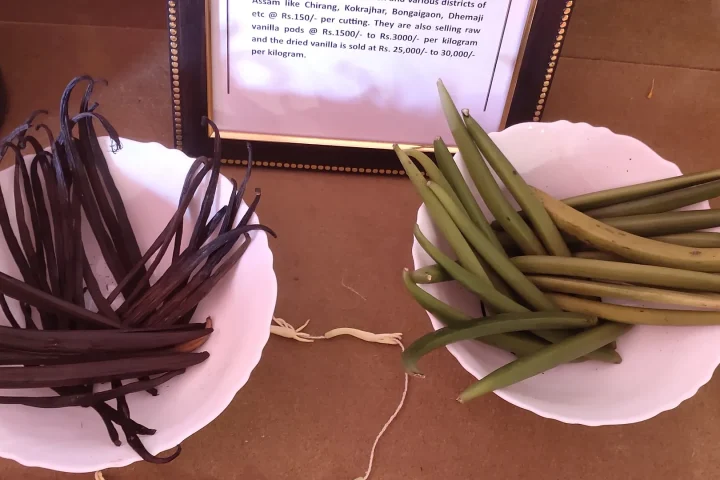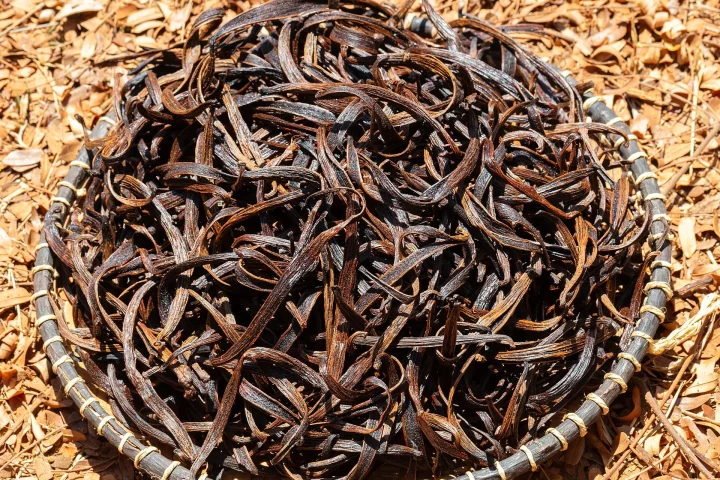
Indonesia’s vanilla export as of 2027 involves a clear sequence of stages — from specification and sample verification, contract confirmation, and quality inspection, to phytosanitary certification and customs documentation under HS code 0905 — carried out toward major destination markets such as the European Union, the United States, and Japan. This guide answers common questions about market opportunities and export stages for buyers and businesses evaluating Indonesia as a vanilla source.
How Big Is the Opportunity in Indonesia’s Vanilla Export Market?
Global demand for natural vanilla continues from the food, beverage, pharmaceutical, and cosmetics industries, with Indonesia — including Bali, Java, Sulawesi, and Papua — serving as one of the alternative origins alongside traditional producers like Madagascar. International buyers looking to diversify their supply chain, especially following supply instability from other origins in recent years, often view Indonesia as a worthwhile additional sourcing option to evaluate.
Main Destination Markets for Indonesian Vanilla
The three most common destination regions for Indonesian vanilla exports are the European Union, the United States, and Japan, each with its own food import requirements and labeling standards. Buyers in each of these regions typically request different documentation around certification, moisture content, and sometimes additional lab testing per their domestic regulations — so exporters need to tailor the document package per destination country, rather than using one generic document package for every market.
What Are the Main Stages in the Vanilla Export Process?
- Specification and sample verification — the buyer sets the required grade, moisture content, and appearance standard, then tests a sample before committing to volume
- Contract confirmation and written pricing — the price is set based on market conditions at the time the order is agreed, not a fixed figure published in advance
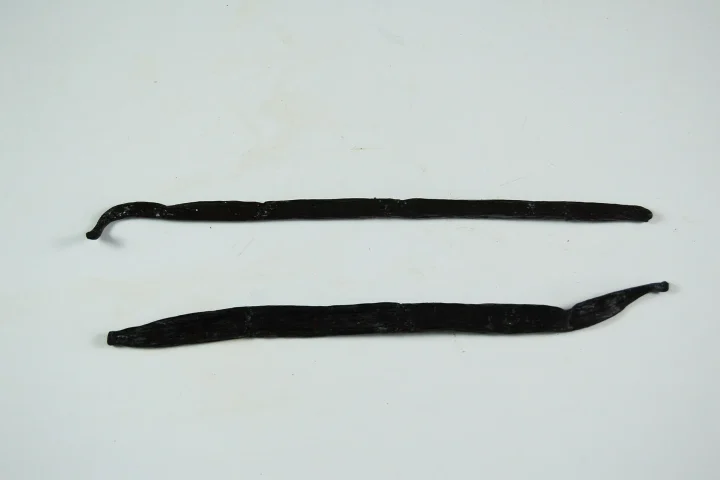
- Pre-shipment quality inspection — checking moisture content, length, and visual defects against the agreed specification
- Phytosanitary certification — a mandatory document from the quarantine authority confirming the goods are pest-free and meet plant health requirements for export
- Customs documentation (HS 0905) — invoice, packing list, and certificate of origin matching the customs classification
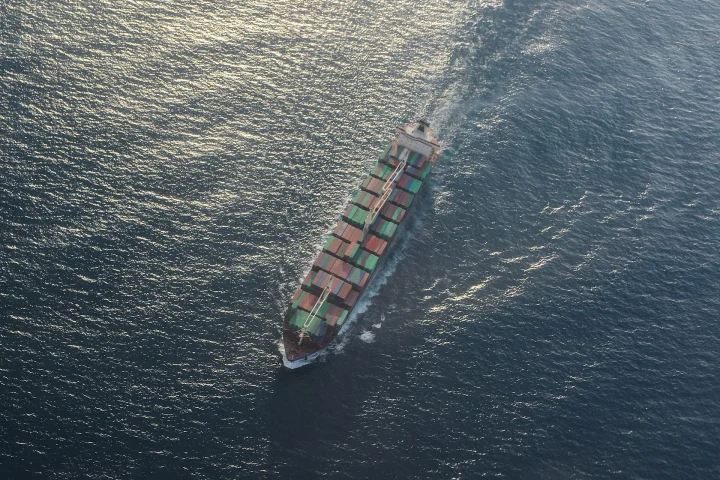
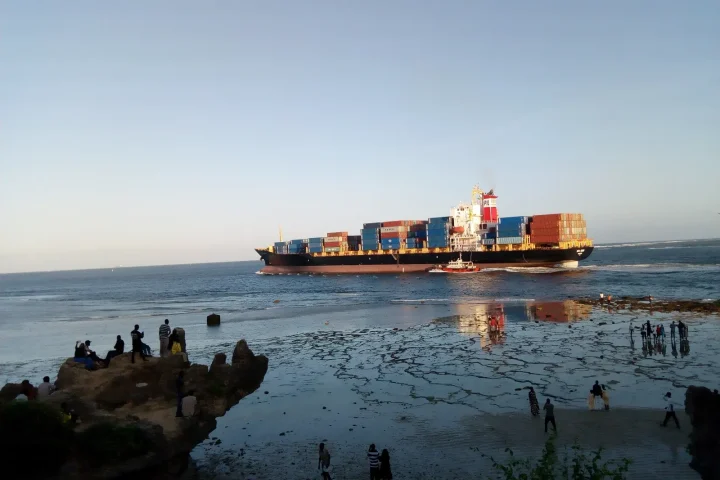
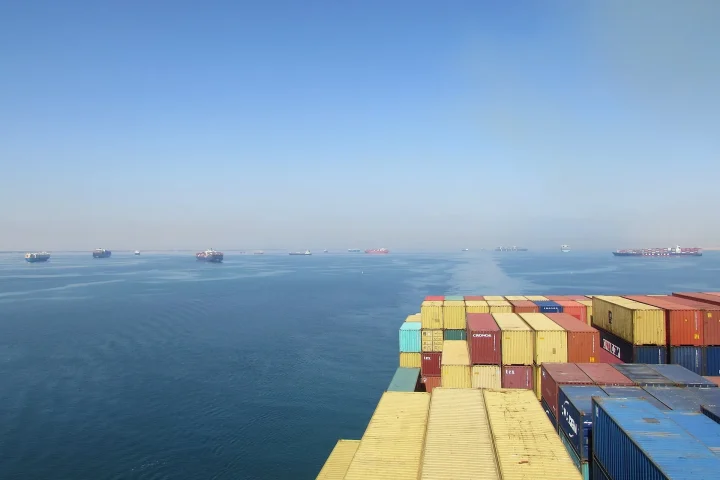
- Shipping and destination-country compliance — sea or air transport, along with additional compliance per the destination country’s food import regulations
| Stage | Main Focus |
|---|---|
| Sample & specification | Matching grade and quality to the buyer’s needs |
| Contract & pricing | Written offer reflecting current market conditions |
| Certification & documents | Phytosanitary certificate, HS 0905, invoice, packing list |
| Shipping | Sea or air, based on the buyer’s volume and urgency |
Challenges Buyers and Exporters Need to Watch For
The most common challenges in Indonesian vanilla export include differing grading standards between buyers, significant price fluctuation following the season and global market, and document requirements that vary by destination country. Experienced exporters typically already have a standard process for handling all three challenges, but buyers are still advised to confirm every specification and document in writing before an order is processed, rather than relying on general assumptions about the vanilla market.
How Do You Start Working with an Indonesian Exporter?
The most efficient first step for a new buyer is to start with a sample request and written specification, followed by a small-volume trial order to test quality consistency and the shipping process, before moving into a large or ongoing-volume contract. This gradual approach reduces risk for both parties and builds trust based on actual results rather than promises on paper alone.
For a more specific look at the export market, see Indonesia’s vanilla export market outlook and key trends 2027, and read our comprehensive guide at Bali vanilla export guide.
Conclusion for Buyers Evaluating Indonesia as a Source
Indonesian vanilla export offers a real opportunity for buyers seeking supply diversification, with a structured process as long as every stage — from sampling through to customs documentation — is carried out correctly. We’re ready to help guide this process step by step to match the specific needs of your order.
What Role Does the Indonesian Government Play in Supporting Vanilla Export?
Export of agricultural commodities like vanilla in Indonesia falls under the oversight of relevant authorities, including the agricultural quarantine agency that issues phytosanitary certificates, and the customs authority that manages export documents. Policies and requirements from these authorities can change over time, so exporters who are regularly active are typically better prepared to keep up with regulatory changes than businesses that export only occasionally.
What Are the Main Differences Between the EU, US, and Japan Markets for Vanilla Buyers?
The European Union generally has strict requirements around pesticide residue and natural-ingredient labeling, the United States applies FDA standards of identity specific to “pure vanilla extract” claims, while Japan tends to emphasize quality consistency and tidy documentation as part of its food import process. All three markets are worthwhile export destinations for Indonesian vanilla, but each requires a slightly different documentation and communication approach.
How Do You Build Long-Term Relationships with Buyers in These Markets?
Long-term relationships with international buyers are generally built through consistency — on-time delivery, accurate documents, and responsive communication when questions or issues arise. Buyers in markets like the EU and Japan tend to place a high value on transparency, including a supplier’s willingness to acknowledge limitations (for example, around price fluctuation or the availability of a certain grade) rather than giving unrealistic guarantees.
For buyers in the United States looking for an Indonesian vanilla supplier, please review our Indonesian vanilla beans for USA importers page, and for large-volume buyers from the food manufacturing sector, see our bulk vanilla beans for food manufacturers page.
How Do Global Vanilla Demand Trends Affect Indonesia’s Opportunity?
World vanilla demand is shaped by consumer trends toward natural and clean-label products in the food and beverage industry, which consistently drives demand for natural vanilla over synthetic vanillin in premium product categories. This trend favors origins like Indonesia that offer a natural supply alternative, though Indonesia still has to compete with other major origins on quality consistency and production scale.
What Concrete Steps Can Buyers Take to Start Diversifying Sourcing to Indonesia?
The most efficient step for a buyer who already has a main supplier from another origin but wants to diversify risk is to start with a small-volume trial order from Indonesia, run in parallel with the existing main supplier relationship, before deciding on a volume allocation between sources. This gradual approach lets buyers verify Indonesia’s quality consistency without taking a large risk on their main supply chain.
What Sets Quality-Focused Indonesian Exporters Apart from Volume-Focused Ones?
Quality-focused exporters are typically willing to turn down a large-volume order if the available stock doesn’t yet meet an adequate curing standard, while volume-focused exporters tend to chase shipment targets even when quality isn’t yet consistent. Long-term buyers generally benefit more from working with an exporter that prioritizes quality consistency, even if that means the volume available at any one time is more limited.
Ready to Request a Written Quote?
Specifications, sample terms, and pricing for your shipment are confirmed in writing by our desk once we understand your grade, volume, and destination port. Contact our export desk via WhatsApp at +62 811-3941-4563 or email [email protected] to start a written request.