The ice cream vanilla sourcing trends that will define 2027 are clean-label reformulation, verifiable real-vanilla claims, and single-origin storytelling — and all three are changing what procurement teams ask for before they sign a supply contract. Manufacturers are no longer buying vanilla as an anonymous flavour input; they are buying documentation, batch-to-batch consistency, and a story the marketing team can print on the tub.
This piece walks through each trend, then gets practical: how to hold lot consistency at production scale, how to map bean grades to premium and mass product lines, what United States import data signals about demand, and how to lock annual supply from Indonesia before the 2027 season is contracted out.
Clean Label Pressure Is Rewriting Ice Cream Formulations
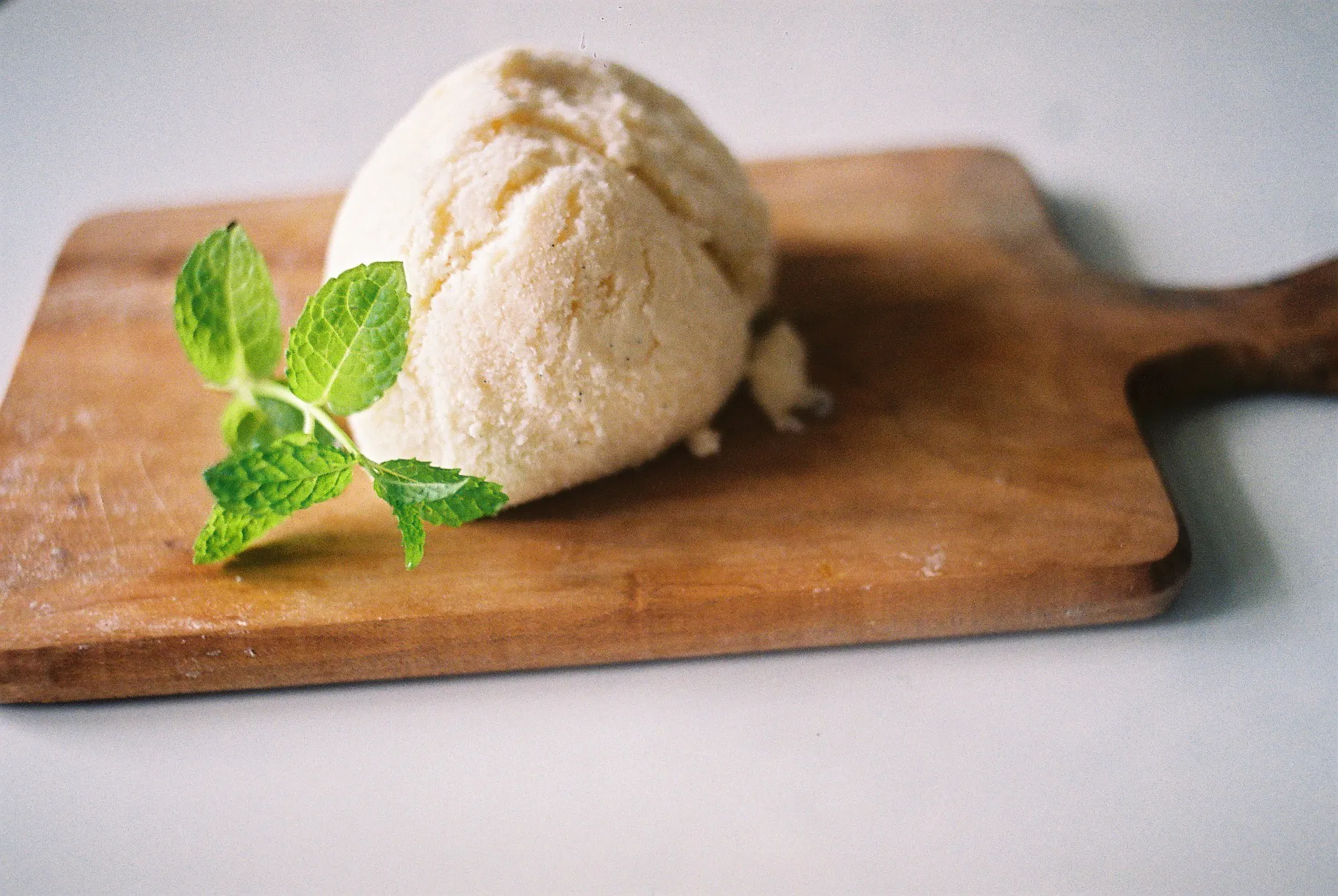
Shoppers in premium freezer aisles read ingredient panels, and “natural flavour” no longer carries the weight that “vanilla bean extract” or visible vanilla seed specks do. That shift pushes formulation teams away from vanillin-only flavour systems and toward whole beans, ground pods, and bean-derived extracts — which means procurement now owns a raw-material problem that used to belong to a flavour house.
The sourcing consequence is specific: a clean-label recipe stands or falls on the bean’s measured quality. Rather than accepting a generic vanillin claim, buyers increasingly require a lab certificate of analysis (COA) showing the measured vanillin range and moisture content of each lot. Suppliers who publish real lot data per shipment, instead of a single brochure number, are the ones who survive a clean-label audit.
“Real Vanilla” Claims Now Come With Homework
Printing “made with real vanilla” on a pint invites scrutiny — from retailers, regulators, and competitors. The ice cream brands preparing for 2027 are building claim files before launch: origin traceability records, lot codes, COAs covering vanillin and moisture, organic certificates where relevant, and proof of intact food-grade packaging on arrival.
This is exactly how serious buyers vet suppliers today. The trust signals that matter are farm-of-origin visibility, grade consistency across repeat orders, and stable export documentation shipment after shipment. QR-linked traceability — where a lot code on the carton resolves to farm and curing data — is moving from novelty to expectation, because it lets a brand answer a “prove it” question in seconds.
Single-Origin Storytelling Goes Mainstream
Craft gelato shops told origin stories first; now mainstream premium tubs name the island on the lid. Indonesia is well positioned for this trend because it offers distinct, nameable origins rather than one generic source. Our guide to Indonesian vanilla origins across Bali, Alor, and Papua breaks down what each growing region contributes, and why an origin-labelled Planifolia bean gives an ice cream brand something Madagascar-dominated shelves rarely show.
The catch: the story has to be verifiable. A named origin on packaging should trace back through lot codes to actual farm data. Brands that treat single-origin as a marketing sticker, without the paper trail, are exposed the moment a buyer or journalist asks for evidence.
Lot Consistency: The Non-Negotiable for Large-Scale Production
A production line filling tubs year-round cannot tolerate flavour drift between vanilla lots. When lot 14 tastes noticeably different from lot 13, the result is rework, sensory-panel disputes, and consumer complaints on a flagship SKU. Consistency, not peak quality, is what industrial buyers actually pay for.
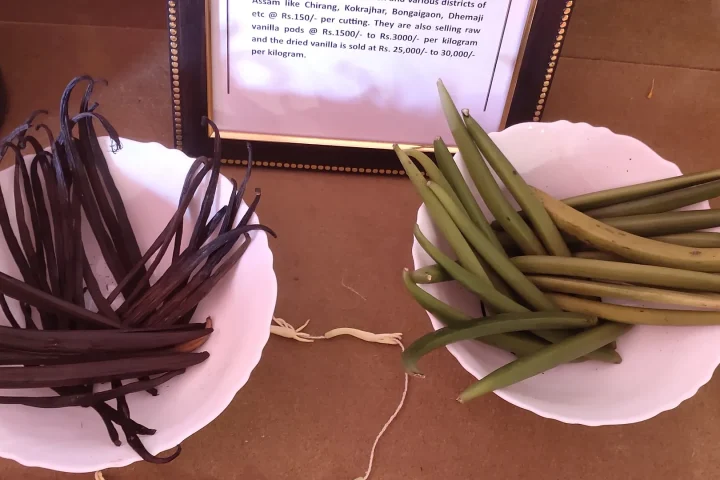
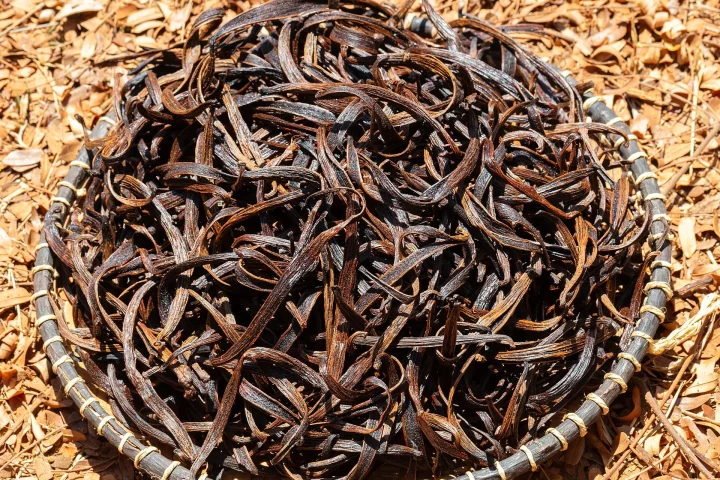
Consistency is built during curing. High-quality Indonesian vanilla passes through hand pollination, harvest at maturity, sweating, slow drying, and weeks of conditioning — a lengthy process where moisture content is deliberately controlled. Buyers should insist on fully cured, conditioned beans rather than anything rushed to port, and structure supply so that consecutive lots come from the same curing discipline. Practical asks for your supplier:
- Lot-level COAs stating measured vanillin range and moisture, not catalogue averages
- Retained samples from each shipped lot for side-by-side sensory reference
- Consistent pod length and defect-rate bands agreed in the contract, per grade
- Vacuum-sealed, food-grade packaging with oxygen absorbers for sea freight
Mapping Grades to Product Lines: Premium Tubs vs Mass Production
The most common sourcing mistake we see is buying one grade for everything. A smarter 2027 programme maps grade to product line, because the economics of a premium tub and a mass-market extract base are different problems.
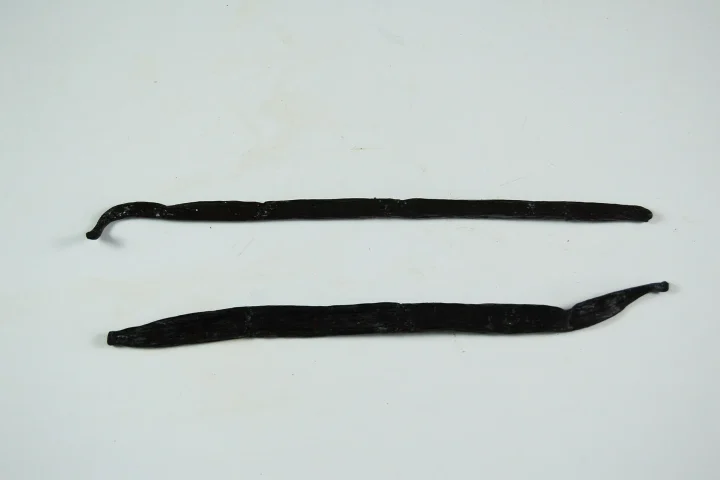
Premium tubs, artisan gelato, seed-speck recipes: Grade A gourmet whole beans — long, supple, low-defect pods where appearance and aroma both matter. Indicative pricing for Grade A Indonesian Planifolia runs from US$30–80/kg depending on vanillin content and pod quality, with final quotes on request.
Mass production and extract bases: Grade B extract-grade beans deliver flavour compounds without paying for cosmetic perfection, at indicative levels from US$20–50/kg. For an extraction line, measured vanillin per dollar is the number that matters, which is why lot COAs beat visual grading here.
For a fuller breakdown of which spec suits scooping lines, soft serve, and bakery crossover products, see our page on vanilla beans for ice cream, gelato, and bakery production, which pairs each application with a recommended grade and format.
What US Import Data Signals About 2027 Demand
The United States was the largest export market for Indonesian vanilla in 2025 at US$8.25 million — far ahead of France (US$616k), Germany (US$521k), the Netherlands (US$330k), and China (US$289k). The pattern is not new: in 2022 the US took 64.9% of Indonesia’s vanilla exports, with Germany and the Netherlands the leading European buyers.
Why does this matter for ice cream sourcing? The US is home to many of the world’s largest ice cream and frozen dessert manufacturers, so American demand for Indonesian beans is a useful proxy for industrial flavour demand heading into 2027. Indonesia’s total 2025 vanilla exports of US$11.62 million across 257,777 kg imply an average export value of roughly US$45/kg — a signal that value is concentrating in premium, well-documented beans rather than bulk commodity lots. For buyers, the takeaway is straightforward: the well-papered Grade A and Grade B supply that ice cream programmes need is exactly the segment tightening first.
How to Lock Annual Supply Before the 2027 Season
Waiting until you need beans is how manufacturers end up on spot markets at the worst prices. A 2027 supply programme worth having follows a simple sequence:
- Define annual volume per grade — separate your Grade A tub requirement from your Grade B extract requirement instead of one blended figure.
- Sample, then trial, then contract — start with air-freighted samples, run a trial order through your line, then commit to container-scale volume with agreed spec bands.
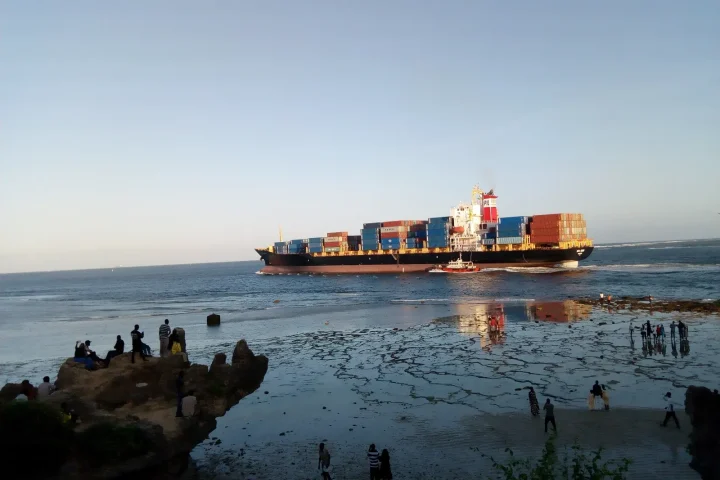
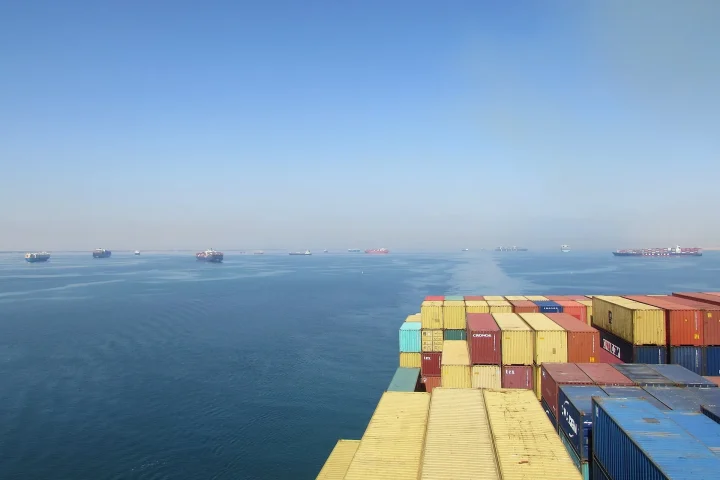
- Stagger shipments — quarterly sea-freight deliveries in vacuum-sealed packaging keep inventory fresh and spread cash flow, with air freight reserved for urgent top-ups.
- Fix the paperwork early — vanilla ships under HS code 0905 and requires phytosanitary documentation, with destination-specific requirements for the US, EU, and Japan, so agree the document set per market before the first container moves.
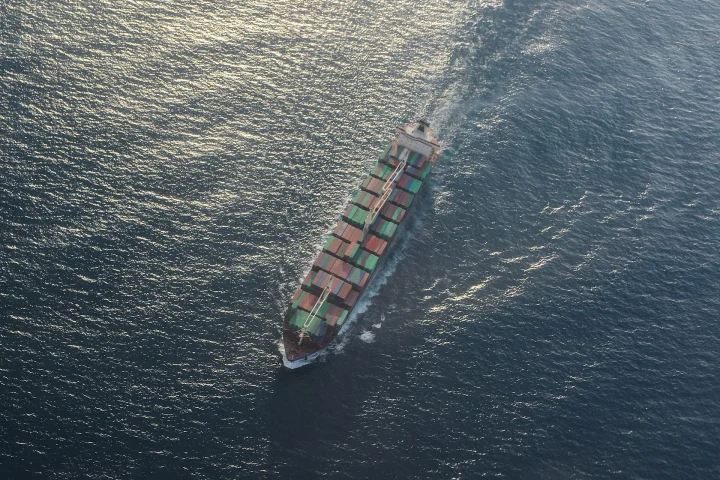
Our bulk vanilla beans for food manufacturers page details MOQ tiers, packaging formats, and how annual contracts are structured, from first sample to standing quarterly shipments.
Commercial information only. Pricing, tariff codes, phytosanitary rules and import requirements change between seasons and destination markets — confirm current figures and documentation with your customs broker, freight forwarder and the competent authority in your import country before contracting. This page is not legal, tax or trade advice.
Frequently Asked Questions
Which vanilla grade is best for premium ice cream?
Grade A gourmet whole beans. Premium tubs and artisan gelato benefit from long, low-defect pods with strong aroma, and the visible seed specks consumers associate with real vanilla. Indicative pricing is from US$30–80/kg depending on vanillin content and pod quality.
What should mass-production and extract lines buy?
Grade B extract-grade beans. They carry the flavour compounds extraction needs without the cosmetic premium of gourmet pods, at indicative levels from US$20–50/kg. Judge lots by the measured vanillin on the COA rather than by appearance.
How do I verify a supplier’s “real vanilla” claims?
Ask for lot-level COAs covering vanillin and moisture, origin traceability down to farm data, retained samples, and consistent export documentation across shipments. QR-linked lot traceability is a strong sign the supplier can back what your packaging will claim.
What does Indonesian vanilla cost for ice cream manufacturers?
Broad 2026 wholesale benchmarks for Indonesian vanilla sit around US$14.76–36.90/kg, with Grade A Planifolia indicatively from US$30–80/kg and Grade B from US$20–50/kg. All figures are indicative; firm quotes depend on grade, volume, and shipment terms and are provided on request.
How far ahead should we contract 2027 vanilla supply?
Start sampling now and aim to sign annual volume before curing cycles complete and the best lots are allocated. Curing and conditioning take months, so supply contracted early is supply you actually receive on spec — late buyers choose from what remains.
Plan Your 2027 Vanilla Programme With Us
Bali Vanilla Export, part of the Juara Holding Group network, supplies Grade A gourmet and Grade B extract-grade Indonesian beans with lot-level COAs, origin traceability, and export documentation handled end to end. Tell us your product lines and annual volumes, and we will map a grade-by-grade supply plan for 2027 — message our business development desk on WhatsApp or email [email protected] to request samples and an indicative annual quote.