Indonesia’s finest premium Planifolia vanilla comes from three islands — Bali, Alor, and Papua — and each origin cures into a noticeably different bean. This guide compares the aroma character, curing style, harvest timing, and export logistics of all three, so 2027 buyers can write the right origin into their purchase contracts instead of treating “Indonesian vanilla” as a single commodity.
Three Islands, One Species, Three Different Beans
All three origins grow Vanilla planifolia, the same species behind Madagascar bourbon vanilla. What separates them is terroir: soil type, altitude, rainfall pattern, and the local curing tradition that each farming community has refined over decades. A Bali bean and a Papua bean can share identical genetics and still behave differently in your extraction tank or on your pastry bench.
That difference matters commercially. The United States was Indonesia’s largest vanilla buyer in 2025 at US$8.25 million, followed by France, Germany, the Netherlands, and China — and buyers in those markets increasingly specify origin, grade, and measured vanillin in their contracts rather than accepting generic Indonesian lots. For the full sourcing picture behind each island, our guide to Indonesian vanilla origins across Bali, Alor, and Papua maps every farm region we curate from.
Bali: Creamy, Chocolate-Sweet, and Closest to the Port
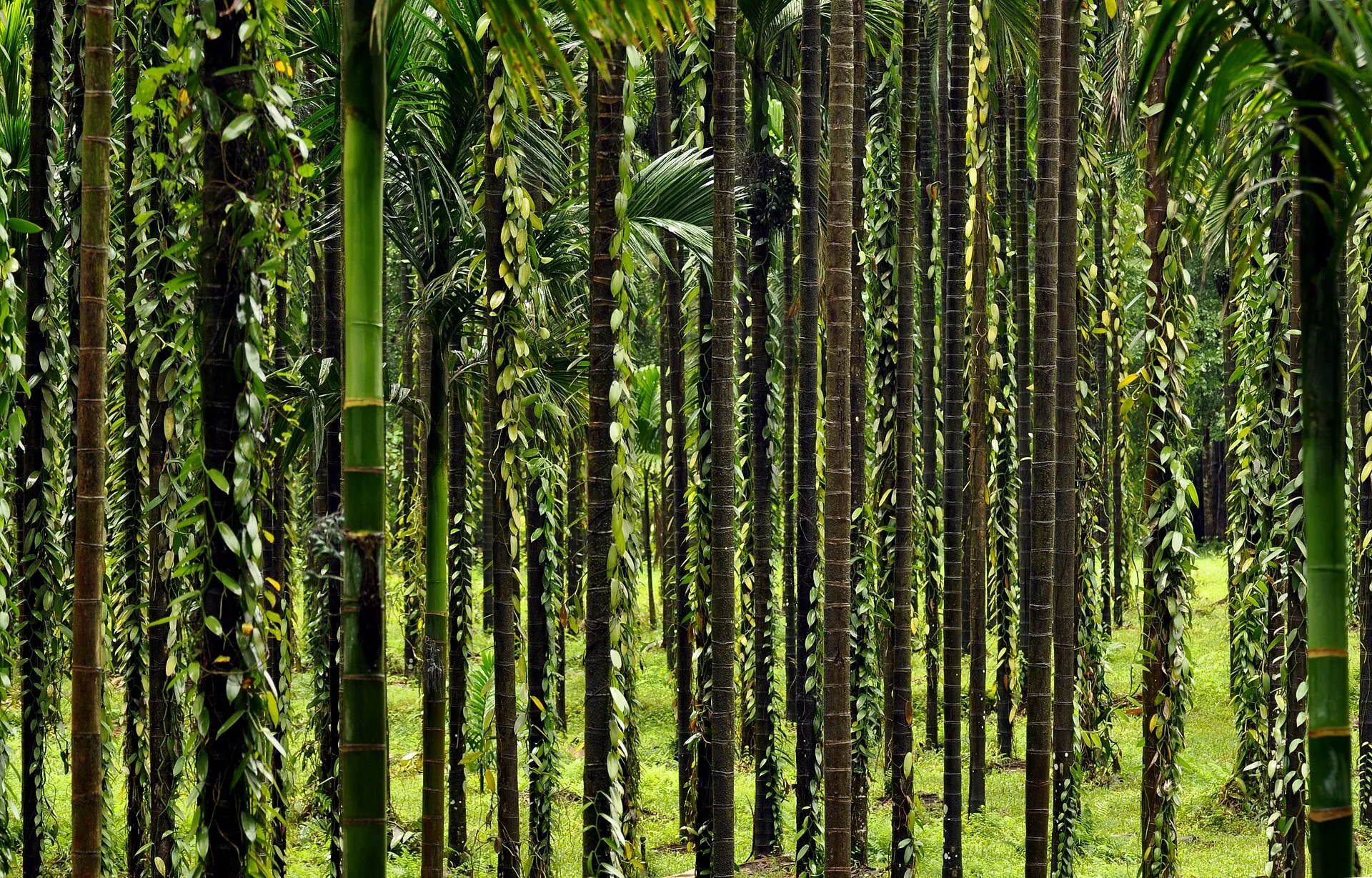
Bali vanilla grows on volcanic soils in smallholder plots, many within a few hours of our curing facility. That proximity shows in the cup: green pods reach the sweating boxes quickly after harvest, so fermentation starts under controlled conditions rather than in transit.
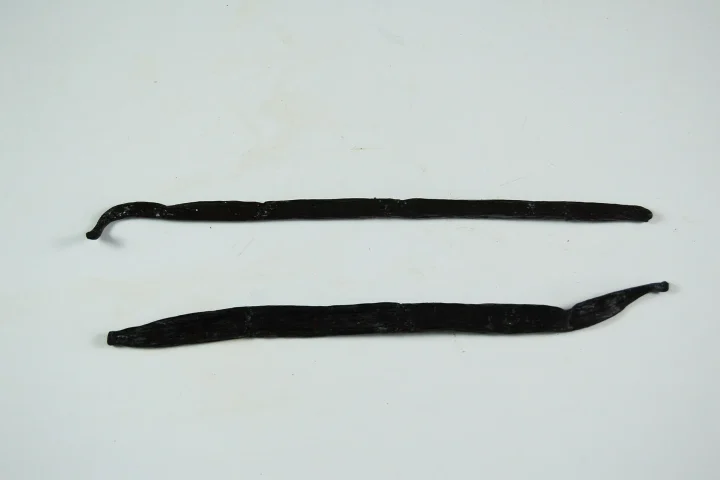
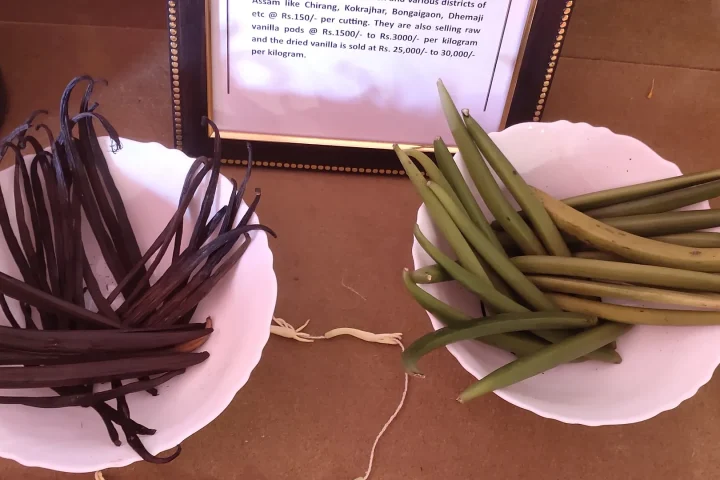
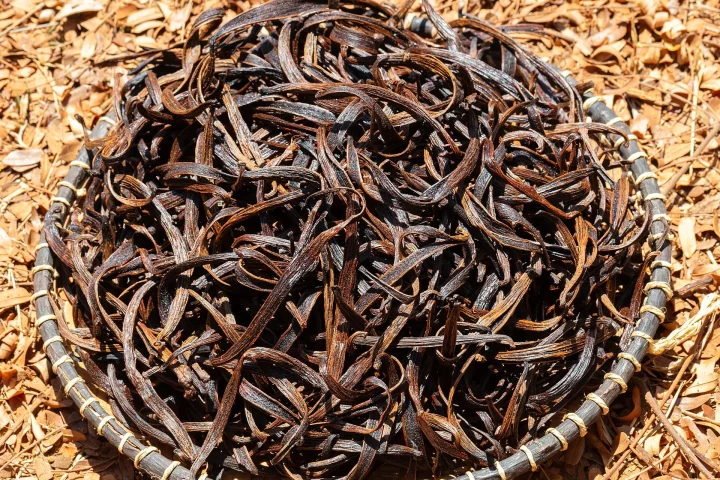
In our grading room, well-cured Bali lots tend toward the classic profile most Western buyers recognize — creamy sweetness, cocoa and chocolate undertones, and a rounded woody depth without sharp edges. Curing follows the full traditional cycle of sweating, slow drying, and extended conditioning, with moisture brought down carefully to gourmet specification. The result is a supple, oily Grade A bean that slices cleanly and seeds generously, which is why Bali is our default recommendation for whole-bean and visible-seed applications.
Alor: Dry-Climate Intensity and Bold Extract Character
Alor sits in East Nusa Tenggara, one of Indonesia’s driest regions. The harsher climate stresses the vines slightly and gives farmers long, reliable sun-drying windows — two factors that shape a distinctly different bean.
Alor lots in our experience run drier and more concentrated, with spice, raisin, and dried-fruit notes layered over the core vanilla sweetness. The profile is assertive rather than delicate, which makes Alor a strong candidate for extract-grade programs where flavor punch per kilogram drives the economics. Curing leans on extended sun exposure balanced with conditioning, and the beans hold their aromatic intensity well through sea freight when vacuum-sealed correctly.
Papua: Plump, Fig-Caramel Beans From the Equatorial Frontier
Papua is the most remote of the three origins and, for many of our buyers, the most exciting. High equatorial rainfall and rich forest soils produce beans that are frequently long, plump, and visibly oily, with a deep sweetness we describe as fig, date, and dark caramel rather than straightforward cream.
The honest caveat: on-farm curing in Papua is more variable than in Bali or Alor, simply because plots are scattered and infrastructure is thin. This is where exporter-controlled conditioning earns its keep. We complete the final drying and conditioning stages ourselves, verify moisture before packing, and issue a lab certificate of analysis for each lot, so the bean that reaches you reflects the origin’s potential rather than its logistical challenges.
Harvest Seasons and What They Mean for Your 2027 Contract
Harvest windows differ by island, altitude, and microclimate, and they shift from year to year with rainfall. As a working pattern, Bali and Alor harvests concentrate around the mid-year dry season, while Papua’s equatorial climate spreads flowering and harvest across a less sharply defined window. Layer on top of that the months of sweating, drying, and conditioning that separate harvest from a shippable bean, and the contract implications become clear:
- Single-origin lots need early commitment. If your 2027 formulation depends on Bali-only or Papua-only beans, reserve volume before the harvest closes rather than buying from whatever remains afterward.
- Staggered shipments smooth supply. Because the three origins do not peak identically, a multi-origin contract can be scheduled so fresh conditioned stock arrives across the year.
- Fully cured beans are the standard. Serious buyers contract conditioned, export-ready beans, not green pods — build curing time into your planning calendar.
Logistics: From Each Island to the Export Port
Every lot we ship consolidates at our Bali facility before export under HS code 0905, with phytosanitary certification issued through official quarantine channels. The domestic leg, however, differs sharply by origin:
- Bali: the shortest chain in Indonesian vanilla — farm to curing facility to port on one island, with no inter-island handling.
- Alor: an inter-island leg from East Nusa Tenggara adds handling days; we schedule collection around vessel availability so beans travel sealed and conditioned.
- Papua: the longest domestic journey of the three. Plan additional lead time, and treat Papua lots as scheduled shipments rather than spot purchases.
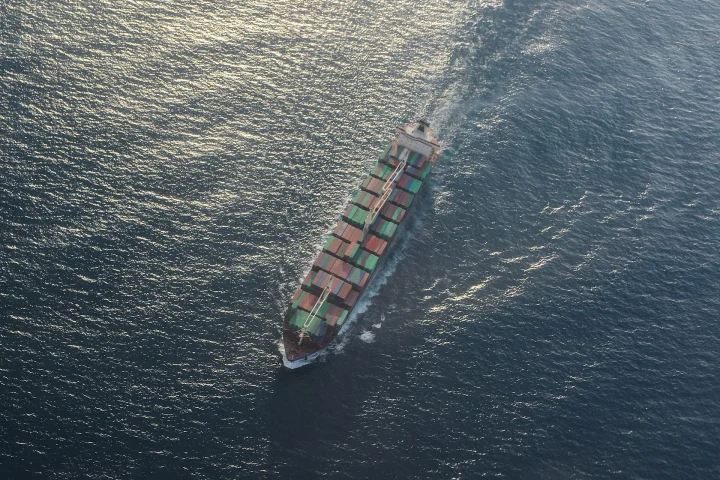
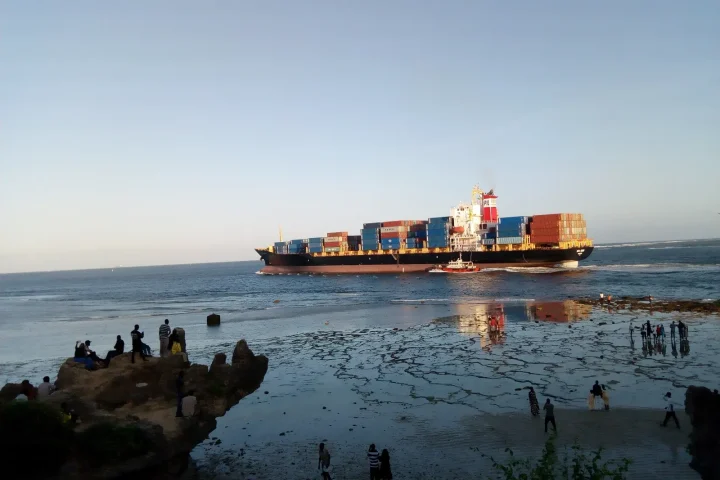
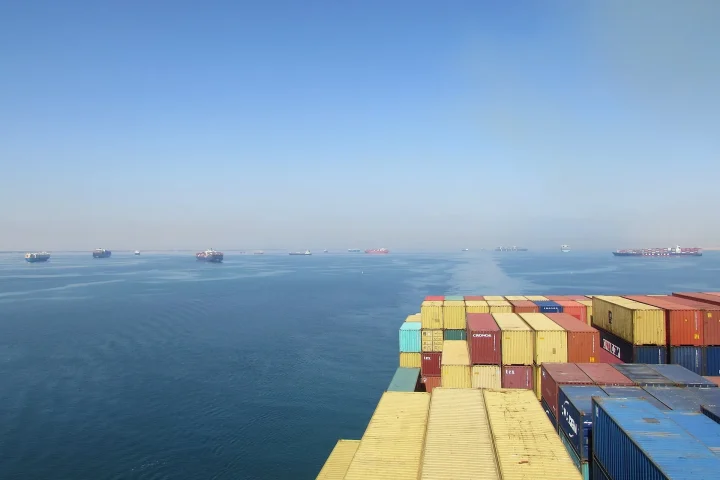
For the international leg, container sea freight is the workhorse for volume contracts, with beans protected in vacuum-sealed food-grade packaging with oxygen absorbers. Air freight remains the right tool for samples and urgent premium lots where speed outweighs cost.
Which Origin for Which Application?
| Origin | Typical character | Best-fit applications |
|---|---|---|
| Bali | Creamy, cocoa-sweet, rounded | Gourmet whole beans, pastry, premium retail, visible-seed desserts |
| Alor | Concentrated, spiced, dried-fruit | Extract manufacturing, flavor houses, bold bakery applications |
| Papua | Plump, oily, fig-caramel depth | Ice cream and dairy, dark-flavor pairings, single-origin lines |
On pricing, indicative 2026 benchmarks put Indonesian wholesale vanilla broadly at US$14.76–36.90 per kg, with Grade A Planifolia from our curation typically quoted from US$30–80 per kg and Grade B extract beans from US$20–50 per kg depending on vanillin content and pod quality — final pricing is always on request per lot, backed by a measured certificate of analysis. The complete grade and specification breakdown lives on our Planifolia vanilla beans exporter page.
If you are choosing between origins for a new formulation, do not decide on paper. Our vanilla bean sample order program lets you cup Bali, Alor, and Papua lots side by side before committing container volume.
Commercial information only. Pricing, tariff codes, phytosanitary rules and import requirements change between seasons and destination markets — confirm current figures and documentation with your customs broker, freight forwarder and the competent authority in your import country before contracting. This page is not legal, tax or trade advice.
Frequently Asked Questions
Is there a real flavor difference between Bali, Alor, and Papua vanilla?
Yes. The species is identical, but soil, rainfall, and curing tradition produce beans that behave differently in application: Bali runs creamy and chocolate-sweet, Alor concentrated and spiced, Papua plump with fig-caramel depth. The differences are most obvious when lots are cupped side by side.
Which origin has the highest vanillin content?
No origin can honestly claim a fixed vanillin advantage — content varies lot by lot with curing and pod maturity. Rather than publishing generic origin claims, we issue a measured vanillin figure from a lab certificate of analysis for each lot, so your contract references real numbers.
Can I order a mixed-origin container?
Yes. Because all lots consolidate at our Bali facility, a single container can carry separately packed and separately documented Bali, Alor, and Papua lots. Many buyers use this to run a gourmet line and an extract line from one shipment.
What export documents accompany each origin?
Every shipment travels under HS code 0905 with phytosanitary certification through official quarantine channels, plus per-lot traceability records and a certificate of analysis covering moisture and vanillin. Destination-specific paperwork, such as organic documentation for EU buyers, is prepared per contract.
How should I evaluate the three origins before committing volume?
Start with samples of the specific grade you intend to buy, test them in your actual application rather than in isolation, and compare the certificates of analysis. Once an origin performs, contract early against the harvest window rather than buying leftover stock late in the cycle.
Specify Your Origin With Our Sourcing Desk
Bali Vanilla Export operates as the agricultural export arm of Juara Holding Group, an Indonesian group built across tourism, marine, and trade divisions. The same operational discipline that runs the group’s other ventures — documented processes, traceability, and long-term relationships over quick transactions — shapes how we contract with farmers on all three islands. You can read the founder story behind Juara Holding Group for the background on how the group was built.
Tell us your application, target grade, and annual volume, and we will recommend the origin — or origin mix — that fits, with current indicative pricing and sample availability. Message our team on WhatsApp for a same-day response, or email [email protected] with your specification sheet.