China and Singapore are the two Asian vanilla import markets Indonesian exporters should be building relationships with before 2027: China purchased roughly US$289,000 of Indonesian vanilla in 2025, placing it among the top five destination countries, while Singapore held a 2.6% share of Indonesia’s vanilla exports back in 2022 and continues to function as Asia’s re-export gateway. Both markets sit close to Indonesia, which gives Bali-origin beans a shipping and lead-time advantage that Madagascar-origin vanilla cannot replicate.
Most Indonesian vanilla export planning still centers on the United States (US$8.25 million in 2025) and Europe, leaving the Asian corridor under-served — even though it is the closest and operationally simplest corridor for a Bali-based exporter. Here is what the numbers say, what drives demand, and how to enter both markets.
Where China and Singapore Sit in Indonesia’s Export Data
Indonesia exported a total of about US$11.62 million of vanilla in 2025, across 257,777 kg of product — an average export value of roughly US$46 per kilogram. The destination ranking makes the Asian opportunity visible:
- United States — US$8.25 million (2025), the dominant buyer
- France — US$616,000 (2025)
- Germany — US$521,000 (2025)
- Netherlands — US$330,000 (2025)
- China — US$289,000 (2025)
In the 2022 data, Singapore accounted for 2.6% of Indonesia’s vanilla export destinations — ahead of Canada at 2.5% — despite being a city-state with no domestic vanilla farming at all. That single figure tells the real story: Singapore buys vanilla to trade it, blend it and redistribute it across the region, not merely to consume it.
China: A Small Base With a Premium Trajectory
US$289,000 is a modest number next to the American market, and that is exactly why it matters. China entered Indonesia’s top-five destination list in 2025, and the buyers behind that figure are not commodity traders — they are flavor houses, bakery ingredient distributors and premium food manufacturers sourcing whole beans for extraction and gourmet use. A market at this stage rewards suppliers who arrive first with consistent grading and reliable documentation, because early relationships become the default sourcing channel as volumes grow.
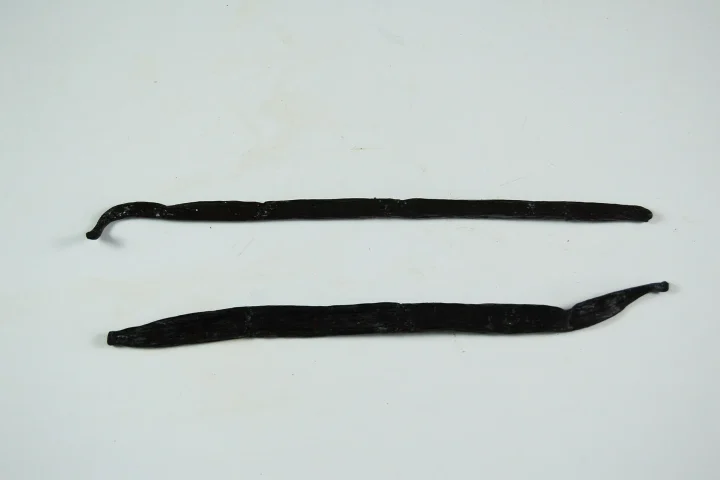
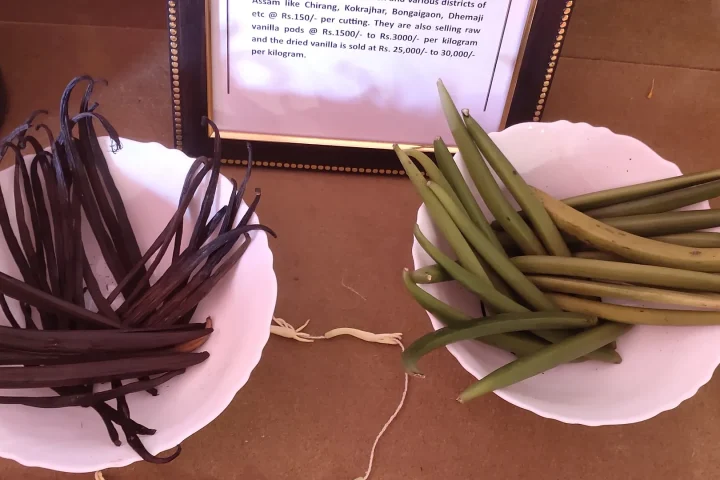
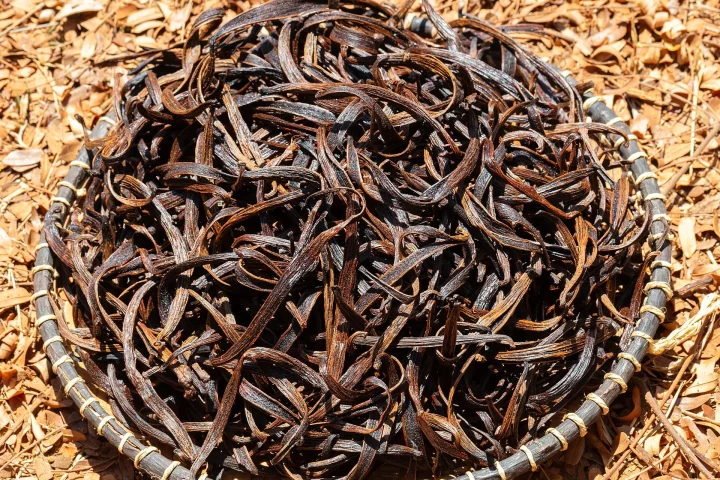
For Chinese buyers, the product conversation usually centers on Planifolia vanilla beans from Indonesia — the classic profile used in extract production and premium bakery applications. Grade A gourmet pods serve the high-end pastry and hospitality segment, while Grade B extract-grade beans feed flavor manufacturing, where vanillin content per dollar is the deciding metric.
Singapore: Asia’s Re-Export Gateway
Singapore’s 2.6% share understates its strategic weight. The city-state is a major regional transshipment and trading hub, and many of Asia’s food ingredient companies run their regional procurement from Singapore offices. A container or air shipment landed in Singapore can be re-exported onward across Southeast and East Asia, which means one well-managed Singaporean buyer relationship can open distribution into several markets at once.
Singaporean buyers are also among the most documentation-literate in the region. They expect clean phytosanitary paperwork, correct HS classification, a certificate of analysis for each lot, and packaging that survives tropical humidity. An exporter who can pass a Singapore procurement audit is, in practice, ready for almost any Asian destination.
What Is Driving Vanilla Demand in Asia
Three demand engines are pulling natural vanilla into the Chinese and Singaporean markets:
- Bakery and café chains. Premium bakery formats across Asian cities increasingly market “real vanilla” as a differentiator, which requires whole beans or natural extract rather than synthetic vanillin.
- Premium F&B and hospitality. High-end restaurants, hotels and dessert brands use visible vanilla seeds and gourmet pods as a quality signal on the menu itself.
- Flavor and extract manufacturing. Regional flavor houses buy extract-grade beans in volume, and they buy on measured specifications — moisture, vanillin content and defect rate — rather than on origin romance.
Each segment maps to a different product: Grade A gourmet beans for the first two, Grade B extract-grade beans for the third. Quoting both grades with lab data attached lets one supplier serve the whole demand stack.
Indonesia’s Logistics Advantage Over Madagascar
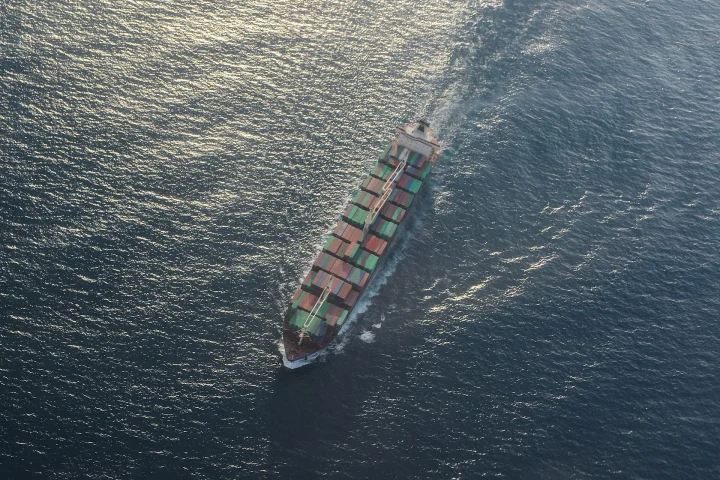
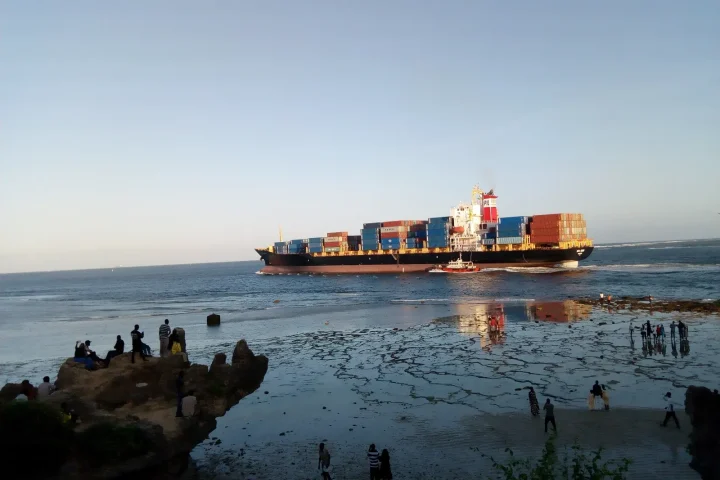
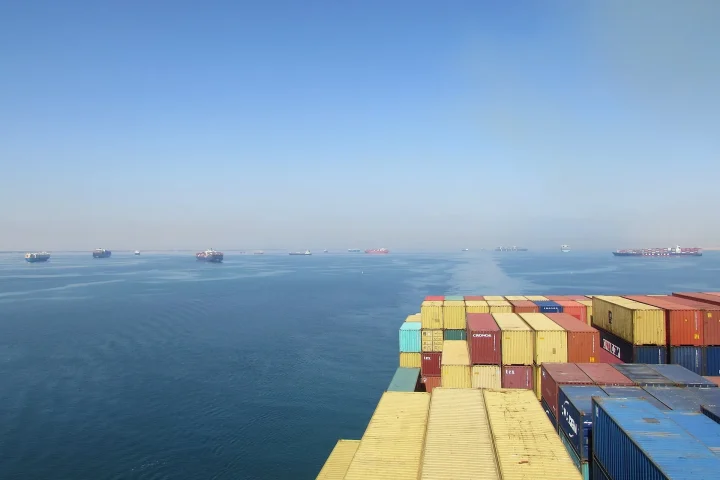
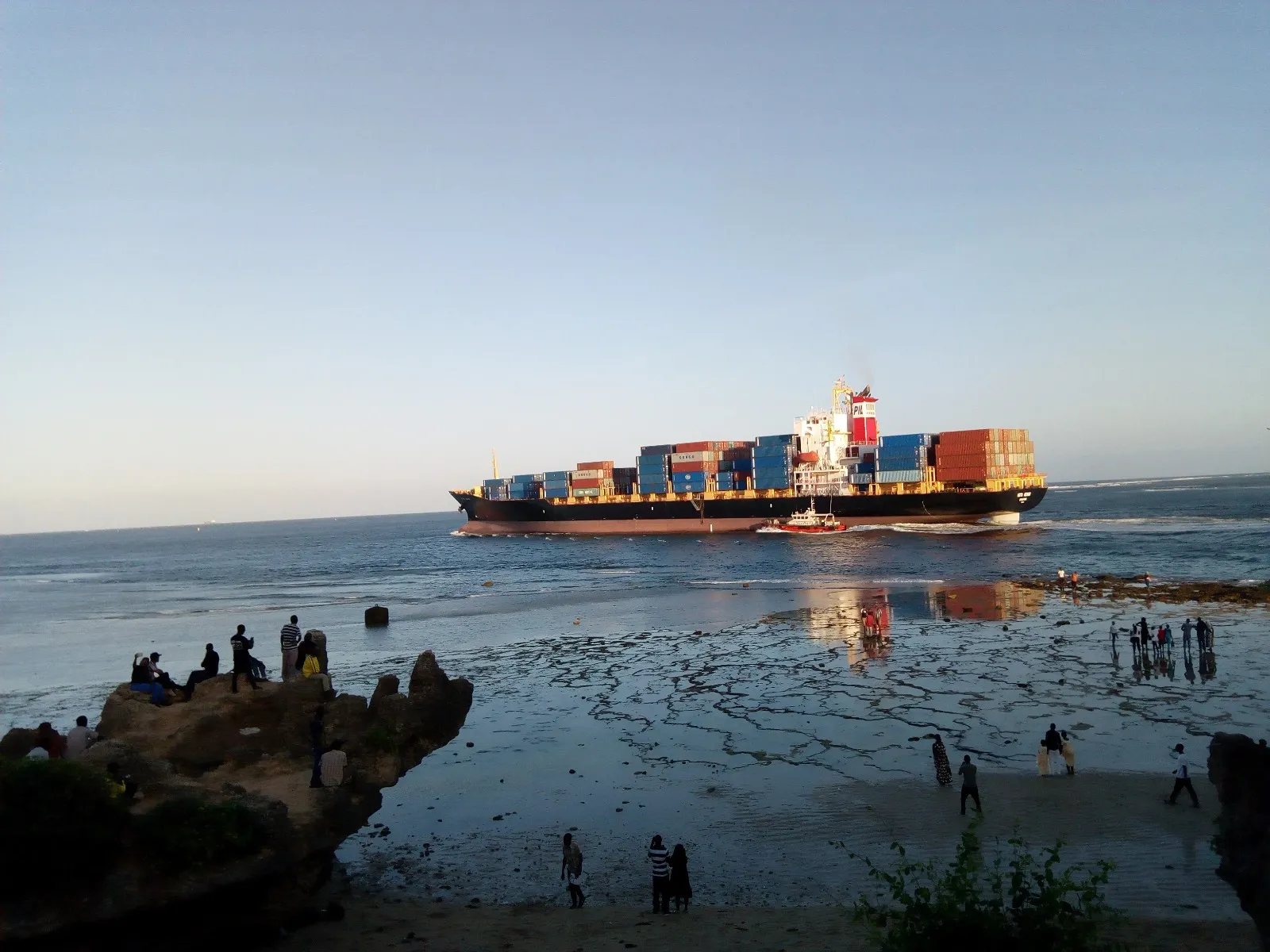
Madagascar remains the world’s reference origin for vanilla, but geography is not negotiable. A shipment from Madagascar to East or Southeast Asia crosses the Indian Ocean; a shipment from Indonesia to Singapore or southern China moves through some of the busiest and most frequent shipping lanes on earth, over a fraction of the distance. For Asian buyers this translates into a substantially shorter lead time, more sailing options, simpler replenishment cycles and lower exposure to transit risk on every order.
Properly cured and conditioned beans travel well in vacuum-sealed, food-grade packaging with oxygen absorbers, but shorter transit still means less time in transport conditions and faster reorders mid-season. For urgent requirements, air freight from Bali to Singapore or major Chinese hubs is a short-haul route, so samples and small premium lots arrive fast.
The Realistic Entry Path: Sample First, Then Trial Order
Asian B2B buyers rarely commit to volume on a first conversation, and they should not. The pattern that works is deliberately incremental:
- Step 1 — Sample. A small air-shipped sample lot with the same lot documentation a full order would carry: origin, grade, moisture, and lab-measured vanillin from the certificate of analysis. Our vanilla bean sample order program is built for exactly this stage.
- Step 2 — Trial order. A modest first commercial quantity, often air freight, so the buyer can validate the beans in production and test the documentation flow end to end.
- Step 3 — Repeat contract. Once grading consistency is proven across lots, orders scale toward sea-freight quantities in vacuum-sealed export packaging.
This sequence also protects the exporter: every stage produces documented quality evidence, which becomes the trust base for larger contracts.
Export Documentation for Asian Destinations
Vanilla is traded under HS code 0905, and Indonesian shipments move with phytosanitary documentation through official quarantine channels. For China and Singapore, buyers will typically expect the standard export set — commercial invoice, packing list, phytosanitary certificate and certificate of analysis — plus any destination-specific food import requirements their own regulator imposes. Requirements can vary by shipment, product form and destination, so the current checklist should always be confirmed with the buyer and a licensed customs broker before loading. Our vanilla export documentation guide covering phytosanitary certificates and HS 0905 walks through the full paperwork stack in detail.
Disclaimer: This article provides general market and trade information only and is not legal, tax or financial advice. Export and import regulations change frequently and vary by destination, product form and shipment; always verify the current requirements with a licensed customs broker, freight forwarder or other qualified professional before committing to any order.
Pricing Expectations for Asian Buyers
Published 2026 wholesale benchmarks for Indonesian vanilla sit in an indicative range of US$14.76–36.90 per kg at the broad market level, while curated Bali export lots are quoted indicatively from US$30–80 per kg for Grade A Planifolia and from US$20–50 per kg for Grade B extract-grade, depending on vanillin content and pod quality. All figures are indicative: final pricing is confirmed per lot, on request, against the actual certificate of analysis. Asian buyers comparing against Madagascar quotes should compare landed cost — product price plus freight, transit time and risk — where Indonesia’s proximity does consistent work in the exporter’s favor.
Frequently Asked Questions
How big is China’s market for Indonesian vanilla?
China imported approximately US$289,000 of Indonesian vanilla in 2025, making it one of the top five destination countries. The base is small relative to the United States, but it is exactly the stage at which new supplier relationships are formed.
Why does Singapore matter if its share is only 2.6%?
Singapore’s 2.6% share (2022 data) reflects its role as a trading hub rather than an end market. Ingredient companies headquartered there redistribute vanilla across Asia, so one Singapore relationship can reach several downstream markets.
What documents are needed to ship vanilla to China or Singapore?
The core set is a commercial invoice, packing list, phytosanitary certificate and certificate of analysis, with the shipment classified under HS code 0905. Destination-specific food import rules vary, so confirm the current requirements with your buyer and customs broker for each shipment.
Is air freight or sea freight better for Asian orders?
Air freight suits samples, trial orders and urgent premium lots — transit from Bali to Singapore or Chinese hubs is short. Sea freight becomes economical at scale, with beans protected in vacuum-sealed, food-grade packaging with oxygen absorbers.
How do I start if I have never bought Indonesian vanilla before?
Start with a documented sample lot, validate it in your production or kitchen environment, then place a trial order before committing to contract volume. Every lot ships with grading and lab data so you can compare like for like.
Start With a Sample Shipment
Bali Vanilla Export, part of the Juara Holding Group, supplies Grade A gourmet and Grade B extract-grade Planifolia beans with full lot traceability, lab-verified specifications and complete export documentation for Asian destinations. If you are buying for a bakery group, flavor house or distribution business in China, Singapore or the wider region, the fastest way to evaluate us is a sample.
Message our export desk on WhatsApp at wa.me/6281139414563 or email [email protected] with your target grade, volume and destination port — we will respond with an indicative quote and sample options for your market.