A phytosanitary certificate is a mandatory export document confirming that a vanilla shipment has passed plant-health inspection and meets the quarantine requirements of the destination country — without it, Indonesian vanilla shipments are routinely held or rejected at the port of entry. As of 2027, buyers importing vanilla from Indonesia should treat this certificate as a non-negotiable line item in due diligence, not a formality to check after the contract is signed.
What Does a Phytosanitary Certificate Actually Verify?
The certificate is issued by Indonesia’s plant quarantine authority after inspecting the shipment for pests, disease, and contamination risks that could affect agriculture in the importing country. It is distinct from a certificate of analysis, which addresses product composition and quality rather than plant-health risk — buyers sometimes confuse the two, but customs authorities generally require the phytosanitary certificate specifically for quarantine clearance. A full breakdown of how this document fits into the broader export package, alongside HS 0905 classification, is available on our vanilla export documentation, phytosanitary, and HS 0905 page.
What Does the Inspection Process Involve in 2027?
Inspection typically happens shortly before export, once the shipment is packed and ready, since the certificate needs to reflect the condition of the actual consignment rather than a general product sample. Quarantine officers examine packaging, moisture condition, and visible signs of pest activity, and may request additional information about the origin region if a shipment draws from multiple growing areas across Bali, Java, Sulawesi, or Papua. Timing matters here — inspection needs to be scheduled ahead of the shipping date, and delays in booking inspection slots are one of the more common causes of missed vessel or flight departures for vanilla exporters.
What Are the Most Common Non-Compliance Issues?
The most frequent problems importers encounter are not fraudulent documents but mismatches — a certificate that lists a different quantity, packaging description, or consignee than what actually arrives, often because the shipment details changed after the certificate was issued but before dispatch. Moisture-related rejections are another recurring issue, since improperly dried beans can raise quarantine concerns even when the exporter’s paperwork is otherwise correct. Buyers should also watch for certificates that appear generic or reused across multiple shipments, since a valid phytosanitary certificate is shipment-specific and tied to a particular inspection date and consignment — see our broader vanilla export FAQ for other common documentation questions.
How Can Importers Verify a Phytosanitary Certificate Is Genuine?
Importers can cross-check the certificate details — shipment quantity, packaging, consignor and consignee names, and inspection date — against the commercial invoice and packing list for consistency before the shipment departs. Many destination countries’ customs or agriculture authorities also provide a way to verify certificate authenticity with the issuing country’s quarantine service directly, and buyers handling first-time shipments from a new supplier are encouraged to use this step rather than relying on the document alone. Requesting the certificate in advance of shipment, alongside the certificate of analysis, gives the buyer’s own compliance or customs broker time to flag any inconsistency before goods are in transit — see our page on the certificate of analysis for vanilla export 2027 for how the two documents work together.
Does Every Destination Market Require the Same Certificate?
The underlying requirement for phytosanitary certification is broadly consistent for plant products entering the EU, US, and Japan, but the specific forms, additional declarations, and inspection protocols referenced on the certificate can vary by destination. Buyers importing into the EU, for instance, may require additional declarations tied to EU plant-health regulation, while US-bound shipments are reviewed against USDA/APHIS requirements on the receiving end. Because these requirements can be updated by either government at any time, our desk confirms current certificate requirements per destination market at the time of booking rather than relying on a static reference list.
What Should Buyers Request Before Confirming a Contract?
Before finalizing a purchase contract, buyers should ask the exporter to confirm which documents will accompany the shipment, the expected inspection and certificate issuance timeline relative to the shipping date, and whether a certificate of analysis will be provided alongside the phytosanitary certificate. It is reasonable to request a sample of a previous certificate format (with shipment-specific details redacted) to understand what the documentation will look like, and to build this into the sample order process before committing to a full production contract. Buyers running an internal supplier audit should also ask how the exporter handles a failed or delayed inspection, since a supplier with a clear contingency plan is generally lower risk than one who has never encountered the issue.
How Does Certificate Timing Interact With Shipping Method?
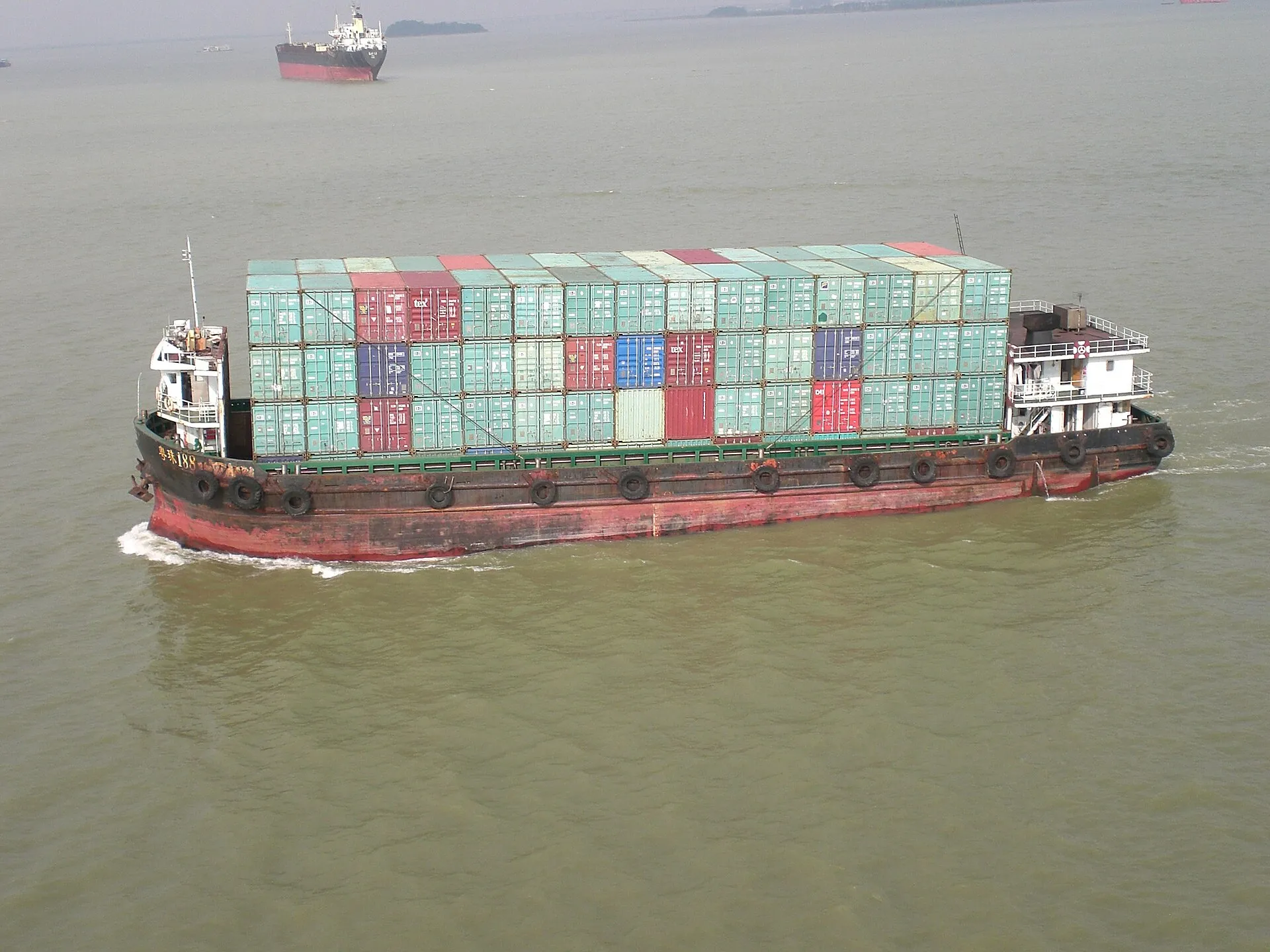
Sea freight and air freight impose different practical windows for certificate validity and inspection scheduling, since a sea shipment sits in transit far longer than an air shipment and any documentation gaps become harder to correct once the vessel has sailed. Buyers planning larger volume orders by sea freight should build in extra lead time for inspection and certificate issuance relative to the vessel booking, while air freight orders — often used for samples or smaller replenishment orders — typically move faster through the documentation cycle. Either way, the certificate needs to be finalized and matched to the shipment before goods leave the exporter’s warehouse, not adjusted retroactively once the shipment is already moving.
What Happens If a Shipment Is Held at the Destination Port?
If a shipment is flagged at the destination port due to a documentation discrepancy, the resolution process usually involves the importer’s customs broker liaising with the local agriculture or quarantine authority while the exporter provides supporting paperwork to clarify the discrepancy. This process can take days rather than hours, which is one reason buyers are advised to build documentation buffer time into their production schedules rather than assuming certificates clear instantly on arrival. A responsive exporter should be reachable during this window to supply additional evidence — inspection records, prior correspondence, or corrected paperwork — without unnecessary delay, which is part of why documentation coordination stays with the same desk from inspection through shipment rather than being handed off between departments.
Confirm Documentation Before You Book Freight
Because certificate issuance is tied to inspection scheduling and shipment readiness, documentation timelines should be confirmed alongside freight booking, not after. Our desk coordinates inspection scheduling, certificate issuance, and shipping documentation together so buyers receive a complete, verifiable document set with each shipment, matched line by line to the commercial invoice and packing list; relevant certifications are available on request, subject to verification.
To confirm phytosanitary certificate requirements and documentation timelines for your vanilla shipment, contact the Bali Vanilla Export desk on WhatsApp at +62 811-3941-4563 or email [email protected].