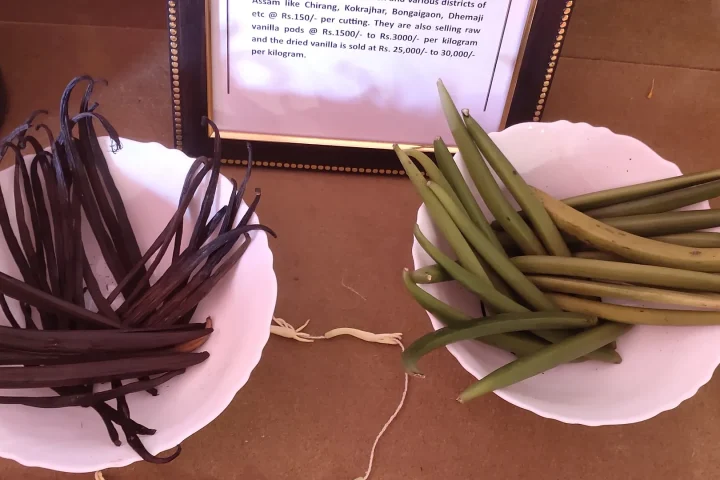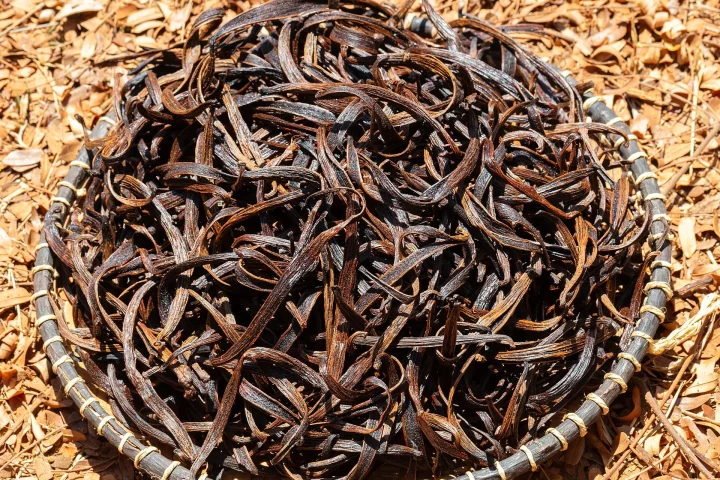
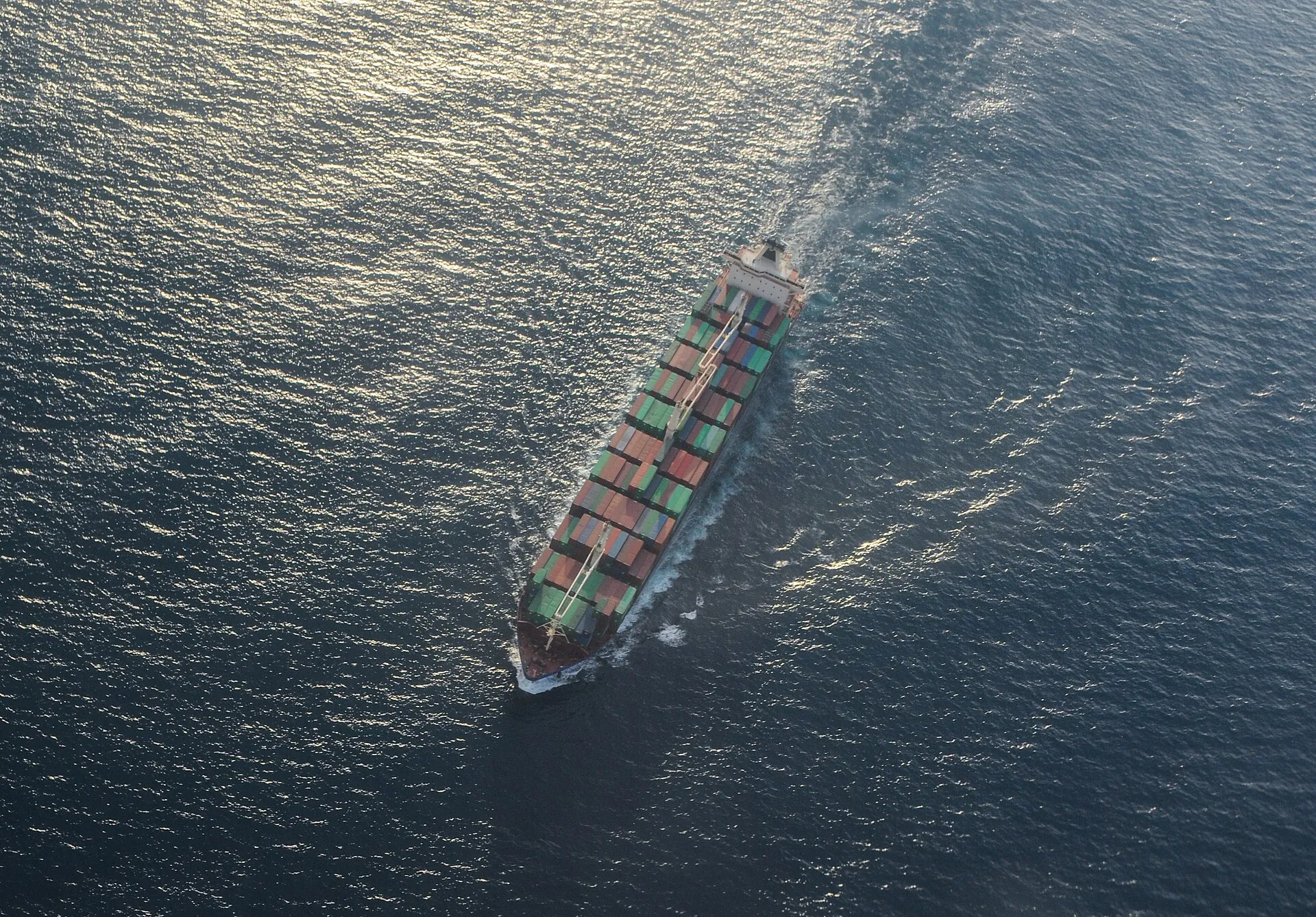
Packing vanilla for export as of 2027 essentially follows four principles: checking moisture content before packing, using vacuum or airtight packaging that meets food-grade standards, protecting the product from extreme temperatures and fluctuation during shipping, and protecting it from light and foreign odors that vanilla readily absorbs. This article explains practical steps for first-time exporters who want to make sure vanilla stays in good condition until it reaches the buyer, whether shipped by sea or air.
Why Does Moisture Content Need to Be Checked Before Packing?
Vanilla with moisture content that’s too high risks mold growth during sea shipping, which can take several weeks, especially if condensation forms inside the packaging due to temperature changes in transit. Conversely, vanilla that’s too dry can become brittle and lose the aromatic oils that determine aroma quality. That’s why exporters need to measure and adjust moisture content to a range suited to the shipping duration and route before the pods are packed for export.
Common Packaging Types Used for Vanilla Export
- Vacuum packing: reduces oxygen exposure and helps maintain moisture stability, commonly used for both large volumes and smaller commercial orders
- Airtight food-grade bags inside layered cartons: provide extra protection from environmental moisture during handling and transit
- Airtight containers for large volumes: used for large-scale shipments where internal climate stability matters more than per-unit sealing
The choice of packaging depends on order volume, shipping duration, and the buyer’s planned downstream handling, so it should be confirmed in writing for each order rather than using one default method for every condition.
How Does Temperature Affect Vanilla Quality in Transit?
Vanilla is best stored in cool, stable conditions, avoiding prolonged heat exposure that can damage aromatic compounds, as well as temperature fluctuation that causes condensation inside sealed packaging. Sea freight containers can experience significant internal temperature swings depending on the route and season, so proper package sealing is just as important as the choice of packaging material itself.
Differences Between Sea and Air Shipping Considerations
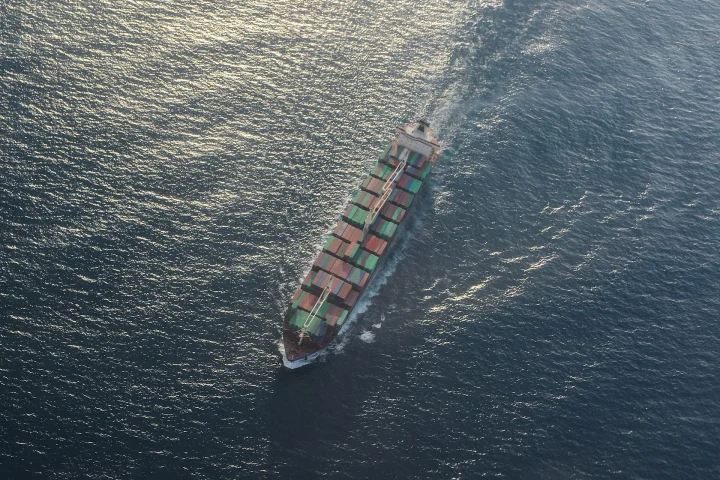
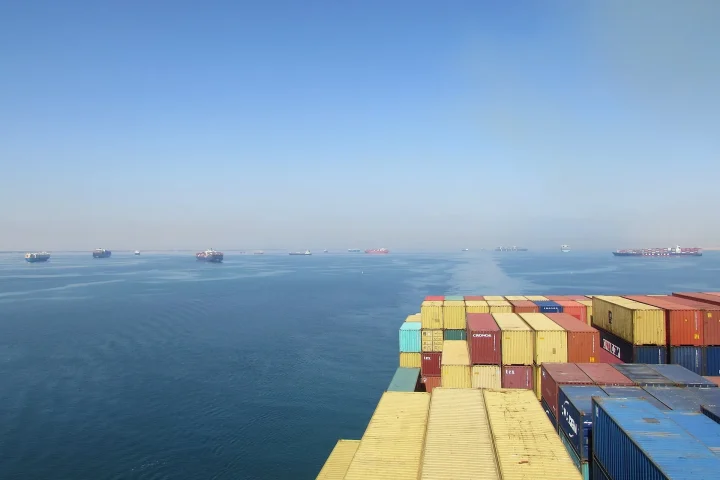
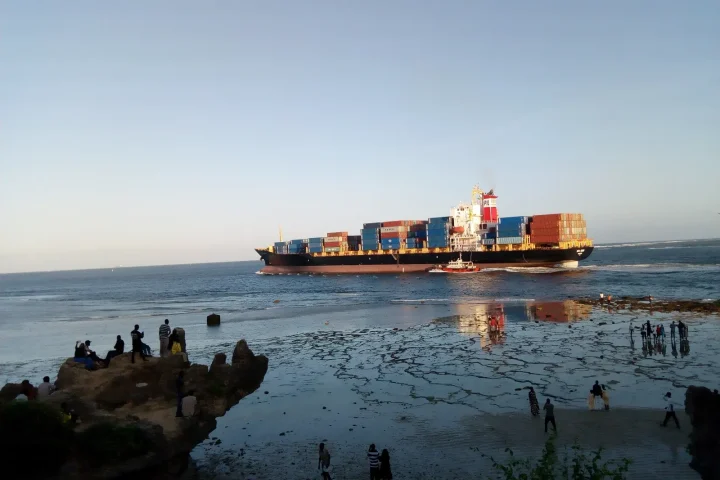
Sea freight is more economical for large volumes but takes longer in transit, meaning the packaging and moisture control have to hold up for weeks, not just a few days. Air freight significantly shortens transit time and reduces the risk of degradation, but at a much higher freight cost — a trade-off buyers typically weigh based on order size, urgency, and destination.
| Factor | Recommended Approach |
|---|---|
| Moisture content | Tested and adjusted before packing based on shipping duration |
| Packaging | Vacuum or airtight, food-grade, moisture-resistant |
| Temperature | Cool and stable; avoid heat and temperature swings |
| Light and odor | Sealed packaging, kept away from strongly scented cargo |
Common Packing Mistakes Among First-Time Exporters
Common mistakes we see include packing vanilla without checking moisture content first, using ordinary plastic bags that aren’t fully airtight, and storing vanilla close to strongly scented commodities like other spices in a warehouse before shipping. The impact of these mistakes often only becomes visible once the goods reach the buyer, making the fix far more costly than preventing it from the start of the packing process.
For more detail on packing methods and their impact on shelf life, please read our vanilla export packaging, vacuum sealing, and shelf life 2027 guide and our vanilla storage and handling guide for B2B.
Confirm the Packing Specification for Your Order
The best packing standard will differ depending on your shipping route, transport mode, and order volume. Tell our desk your destination route, estimated transit time, and shipping mode (sea or air), and we’ll confirm the packing specification and target moisture content in writing before your order is processed.
Does Packing Differ for Different Export Destinations?
Yes, packing requirements can differ slightly by destination country — some markets such as the European Union and Japan have additional standards around food-grade packaging material and labeling that need to be met on top of the standard technical requirements for moisture content and vacuum sealing. Experienced exporters typically adjust the packing specification to the destination country from the start, rather than using one generic packing standard for every shipment.
How Do You Verify Packaging Is Correct Before Shipping?
Before shipping, packaging should be checked to confirm the vacuum seal is genuinely airtight with no leaks, the protective carton isn’t damaged or damp, and the shipping label matches the accompanying export documents. This check is ideally done just before the goods are loaded into the container, not only during initial packing, since minor damage can occur while goods are moved around the warehouse.
How Should Vanilla Be Stored Before Final Export Packing?
Before moving into final export packing, vanilla that has completed conditioning should be stored in closed containers in a cool, dry storage area, kept apart from strongly scented commodities. This interim storage matters because vanilla that has completed curing remains sensitive to environmental conditions until it’s actually sealed in its final airtight shipping package.
The Role of Documentation in the Packing Process
Every batch packed for export should come with internal documentation — recording the packing date, moisture test results, and the number of units per package — so if a buyer has a question after the goods arrive, the exporter can refer to the specific batch record rather than relying on memory or general assumptions.
To see how we apply quality assurance standards at every stage before shipment, visit our quality assurance page, and learn about sample ordering through our vanilla sample program before placing a full-volume order.
What Equipment Is Needed for Small-to-Medium-Scale Vanilla Packing?
For small-to-medium-scale exporters, the basic equipment typically needed includes a food-grade vacuum sealer, a digital scale to keep package weight consistent, a moisture meter for verification before packing, and layered shipping cartons that meet export standards. Investing in this basic equipment is relatively affordable compared with the potential loss from buyer claims over inadequate packaging quality.
How Do You Handle Packing for Sample Orders vs Large-Volume Orders?
Packing for sample orders typically uses smaller packaging with a simple vacuum seal, while large-volume orders need additional planning around how packages are arranged inside the container so air circulation and weight distribution stay safe over long-distance shipping. A mistake in arranging large packaging inside a container — such as stacking too tightly with no circulation space — can increase the risk of condensation even if the individual packages are well sealed.
How Do You Handle Packing for a Multi-Grade Shipment in One Container?
When a single shipment covers several grades at once, each grade should be packed separately with a clear label stating the grade, packing date, and net weight, so nothing gets mixed up or misidentified on arrival at the buyer’s warehouse. This practice also makes it easier for buyers to re-verify each grade on arrival without having to unload the entire container at once.
Ready to Request a Written Quote?
Specifications, sample terms, and pricing for your shipment are confirmed in writing by our desk once we understand your grade, volume, and destination port. Contact our export desk via WhatsApp at +62 811-3941-4563 or email [email protected] to start a written request.