Vanillin content is the single most price-sensitive specification on a vanilla bean contract, yet Indonesia has no single official export standard that defines what “high vanillin” must mean. That is why serious buyers in 2027 do not accept generic vanillin claims: they ask for a measured, per-lot Certificate of Analysis (COA) before any payment is released.
This guide covers how labs measure vanillin, realistic ranges per grade, why unverified claims are a red flag, and how to request lab documentation per lot.
What Is Vanillin Content in Vanilla Beans?
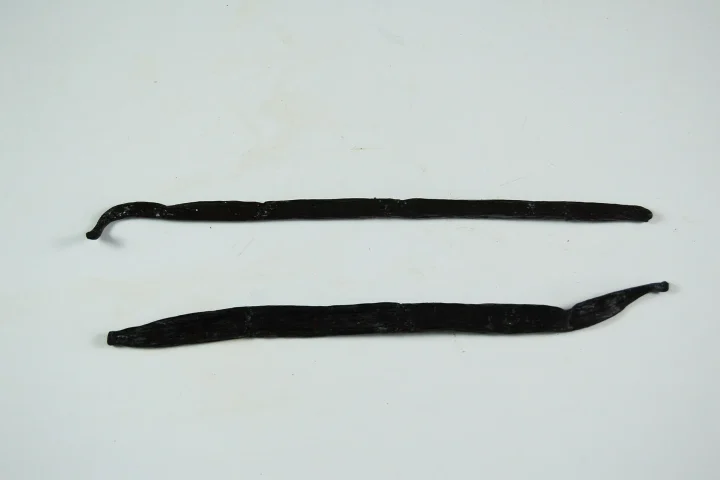
Vanillin is the primary aroma compound in cured vanilla, and vanillin content expresses how much of it a bean contains, usually reported as a percentage of dry weight on a lab report. It is the trade’s closest proxy for flavor strength, and a core purchasing spec alongside moisture, pod length, and defect rate.
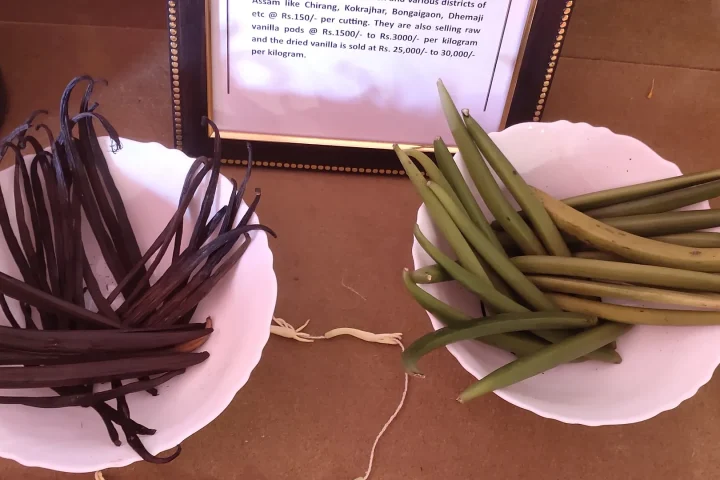
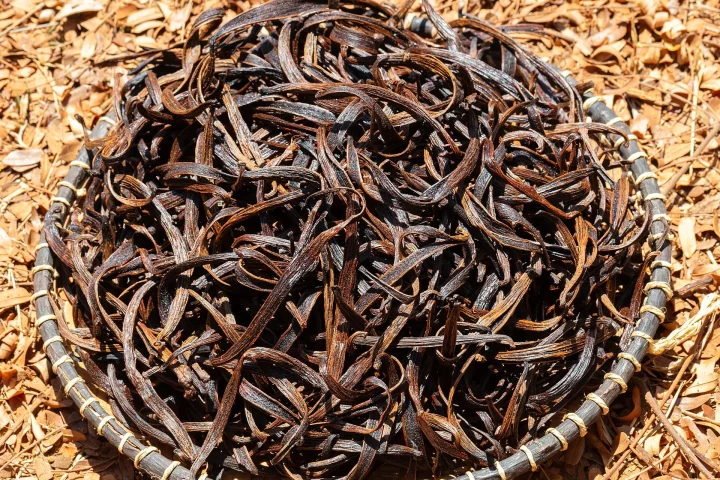
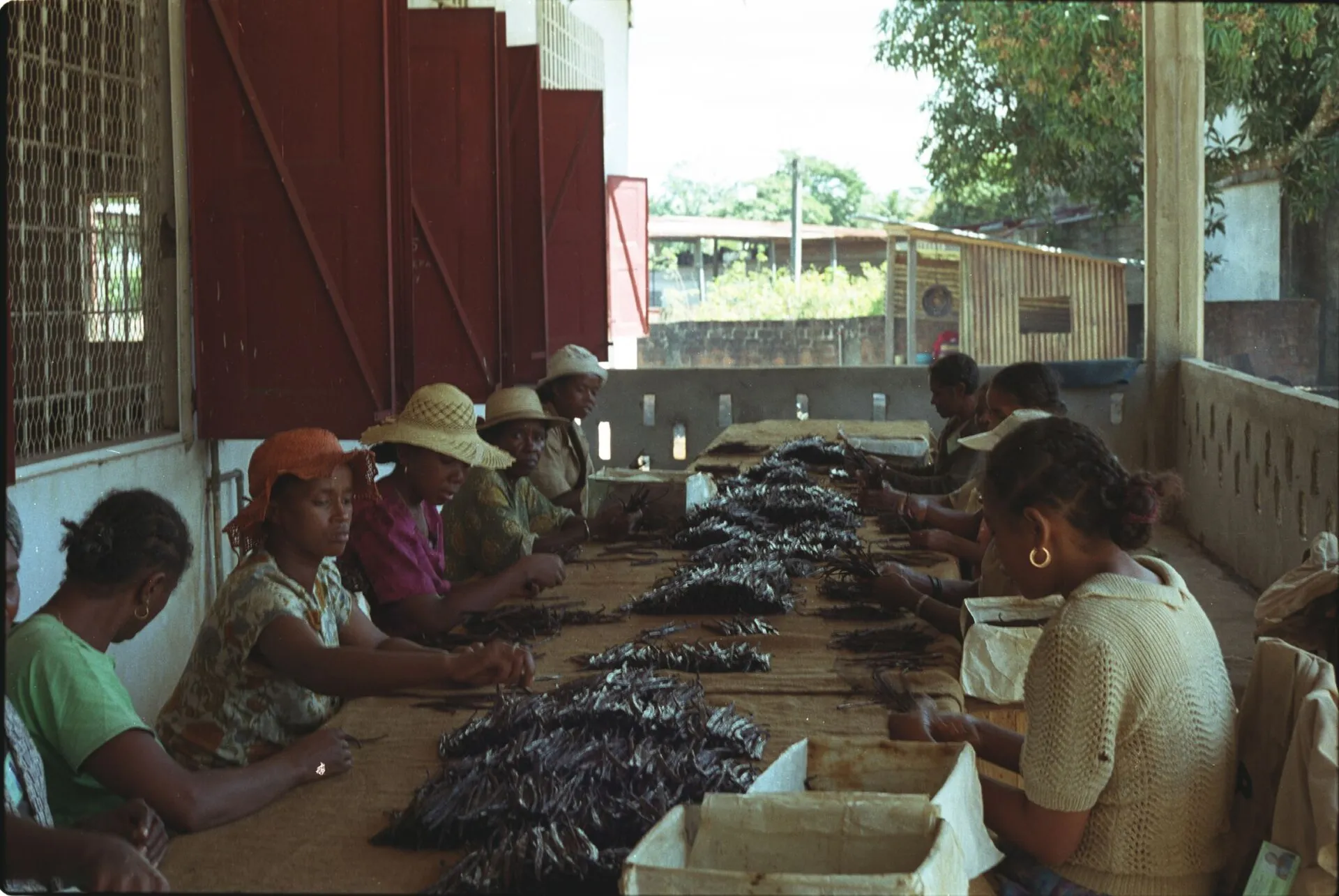
Two lots of Indonesian Planifolia can look nearly identical and still perform very differently in extraction. Curing is the reason: Indonesian vanilla is built through pollination, harvesting, sweating, drying, and conditioning, and this lengthy curing stage — with disciplined moisture control — develops and preserves vanillin. A rushed cure produces beans that photograph well but underdeliver in the lab.
How Laboratories Measure Vanillin
Vanillin content is determined analytically, not visually. A laboratory takes a representative sample from a specific lot and quantifies vanillin instrumentally — chromatographic analysis is the flavor industry’s standard approach. The result appears on the COA as a measured value or range for that lot, alongside moisture and other parameters.
Three details matter when you read a vanilla COA:
- The sample must come from the actual lot you are buying. A result from last season’s harvest or a “representative” house sample says nothing about the container you are paying for.
- The reporting basis matters. Vanillin against dry weight reads differently from vanillin against a high-moisture bean; a credible COA states the basis and the tested sample’s moisture.
- The lab and date should be identifiable. A COA without a testing laboratory, lot reference, and test date is a marketing document, not an analysis.
Our own approach is documented on our lab-tested vanilla beans and COA specifications page: each lot report covers origin, curing batch, moisture, length distribution, and measured vanillin.
Is There an Official Indonesian Vanillin Standard? No — and That Changes How You Buy
Market research on Indonesian vanilla exports does not identify a single official standard fixing a mandatory vanillin percentage for export grades. “Grade A” and “Grade B” are exporter-applied labels understood by the trade, but the vanillin behind them is not enforced by one national specification.
The consequence is significant: two suppliers can both advertise “Grade A gourmet beans” whose lots differ meaningfully in vanillin, moisture, and curing quality — and both labels are legitimate. Grade A pricing varies by vanillin content and pod quality, which is why one grade label carries a wide price spread.
Treat the grade label as a starting point and the per-lot COA as the actual specification: the label tells you what the seller intends; the COA tells you what the beans are.
Realistic Ranges by Grade: What the Market Data Shows
With no mandated vanillin standard, the honest way to frame “normal” is through how the market prices each grade — and those prices move with measured vanillin and pod quality.
| Grade | Typical use | Indicative price range (2026 benchmark) | What drives the spread |
|---|---|---|---|
| Grade A Planifolia (gourmet) | Gourmet retail, pastry, premium extraction | Indicative US$30–80 per kg | Measured vanillin, pod length, low defect rate, curing quality |
| Grade B (extract grade) | Extract and flavor manufacturing | Indicative US$20–50 per kg | Vanillin yield per kilogram, moisture, consistency across the lot |
For context, a 2026 wholesale benchmark for Indonesian vanilla sits at an indicative US$14.76–36.90 per kg at commodity level, while 2025 trade data imply an average export value of roughly US$46 per kg. The gap between that floor and premium lots is where vanillin does its work: value concentrates in Grade A beans with long pods, low defect rates, and higher measured vanillin. All figures are indicative; pricing per lot, origin, and volume is confirmed on request against that lot’s COA.
For gourmet or premium extraction work, start with our Grade A gourmet vanilla beans; for extract manufacturing, vanillin-per-dollar on extract-grade lots often matters more than pod appearance.
Why “High Vanillin” Without a COA Is a Red Flag
A generic vanillin claim with no lab document behind it should stop your purchasing process:
- There is no official standard to anchor the claim. With no single regulation defining the vanillin required for a grade, an unverified “high vanillin” statement is measured against nothing.
- Vanillin varies lot by lot. Curing, harvest timing, and origin all shift the result; one flattering number quoted for every lot, all year round, is marketing, not chemistry.
- The price you pay is built on that number. When Grade A commands an indicative US$30–80 per kg partly on vanillin strength, an inflated claim means overpayment — or extract yields that miss your targets.
- Professional buyers are expected to verify. The standard vetting checklist covers traceability, grade consistency, COA, moisture, vanillin, certifications, and packaging integrity; a supplier who resists the COA step fails its most basic item.
The inverse is also true: an exporter who volunteers per-lot lab data and invites third-party verification is signaling that their Planifolia vanilla beans from Indonesia will survive scrutiny after arrival — the only scrutiny that matters.
How to Request a Measured, Per-Lot COA Before You Pay
Here is the sequence we recommend — and follow ourselves:
- 1. Ask for the COA of the specific lot on offer. Request the lot number, curing reference, test date, and the laboratory’s identity — not a brochure-level spec sheet.
- 2. Check the reporting basis. Confirm the dry-weight basis and the tested moisture, so suppliers compare on equal terms.
- 3. Cross-check vanillin against moisture and grade. The numbers should tell one coherent story; mismatches deserve questions.
- 4. Order a physical sample tied to the same lot. Your own QC or an independent lab can confirm the documented values before a larger commitment.
- 5. Put the COA into the contract. Reference the lot number and measured specs in your purchase terms, so the document you verified is the product you receive.
This process costs a few days; skipping it can cost a container. As part of Juara Holding Group’s export operations, we build every quotation around this documentation-first flow — it protects the buyer and the reputation we ship under.
Vanillin Is Critical — But It Is Not the Whole Spec Sheet
Experienced importers read vanillin in context. Moisture determines shelf life and effective vanillin per kilogram paid; pod length and defect rate drive gourmet pricing; curing quality decides whether aroma survives sea freight in vacuum-sealed packaging. Farm-of-origin traceability, phytosanitary documentation under HS code 0905, and consistent repeat supply complete the picture. If the paperwork thins out beyond the headline vanillin number, that tells you something too.
Commercial information only. Pricing, tariff codes, phytosanitary rules and import requirements change between seasons and destination markets — confirm current figures and documentation with your customs broker, freight forwarder and the competent authority in your import country before contracting. This page is not legal, tax or trade advice.
Frequently Asked Questions
What is a good vanillin content for vanilla beans?
There is no single official Indonesian standard defining a required vanillin percentage per grade, so “good” depends on your application and must be read from a measured per-lot COA. Extract manufacturers optimize for vanillin yield per kilogram; gourmet buyers weigh vanillin together with moisture, length, and appearance.
How is vanillin content measured in a lab?
A laboratory tests a representative sample from a specific lot and quantifies vanillin instrumentally, with chromatographic analysis as the industry-standard approach. The result appears on the COA alongside the testing basis, moisture, lot reference, and test date.
Why do Grade A vanilla prices vary so much?
Because Grade A pricing moves with vanillin content and pod quality, not the label alone. Indicative Grade A Planifolia pricing spans roughly US$30–80 per kg — lots with stronger measured vanillin, longer pods, and cleaner curing sit at the top, with exact pricing confirmed per lot on request.
Can I trust a supplier’s published vanillin number without testing?
Only if it is tied to the specific lot you are buying, issued by an identifiable laboratory, and open to independent verification. One flattering number applied to all lots year-round is a red flag; per-lot documentation with a stated testing basis is the credible alternative.
Should I test the beans again after arrival?
For larger contracts, yes — independent verification on arrival is standard practice. When your contract references the lot number and COA values, an arrival test gives you a documented basis for acceptance.
Get the Measured Spec Sheet Before You Commit
The 2027 rule for vanilla buyers is simple: no COA, no payment. Start with the document, not the promise — review our COA and lab-tested spec sheets, then request current per-lot data for the grade and volume you need.
Message our export desk on WhatsApp at https://wa.me/6281139414563 or email [email protected] with your grade, destination, and volume — we will send measured vanillin, moisture, and origin documentation for available lots before you pay.
For related needs in Bali, the same team also handles C5A visa guidance.
For related needs in Bali, the same team also handles Bali visa assistance.