A vanilla purchase contract should fix, in writing, everything that happens between “we agree on a price” and “the beans clear customs”: the Incoterm that divides freight cost and risk, the deposit and payment schedule, a specification annex backed by a lab COA, and what both parties do if the market moves before shipment. This primer walks B2B buyers through those four mechanisms — FOB vs CIF vs DDP, deposits and escrow, spec clauses, and forward contracts — as they apply to Indonesian vanilla in 2027.
Most published guidance on Indonesian vanilla covers price forecasts; very little covers the transaction itself. The mechanics below are the ones we negotiate weekly with extract producers, flavour houses, and food manufacturers buying bulk vanilla beans from Bali.
Why Vanilla Deals Need More Paper Than Most Commodities
Consider the spread in current market data. A 2026 wholesale benchmark for Indonesian vanilla runs at an indicative US$14.76–36.90 per kg, while Grade A gourmet Planifolia from Bali is quoted from US$30–80 per kg and Grade B extract-grade from US$20–50 per kg, depending on vanillin content and pod quality. Indonesia’s 2025 trade data imply an average export value of roughly US$46 per kg. The same origin legitimately trades at both ends of a range whose top is more than five times its bottom.
That spread is why “vanilla beans, 500 kg” on a contract is not a specification — it is a dispute waiting to happen. A seller can fulfil that line with short, low-vanillin pods; a buyer can reject conforming Grade A beans as “not what we expected.” Every clause below closes that gap with measurable terms.
FOB vs CIF vs DDP: Which Incoterm Fits a Vanilla Shipment?
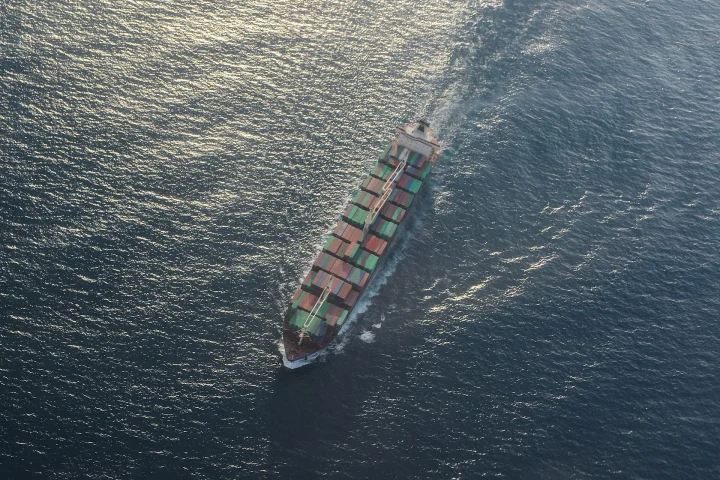
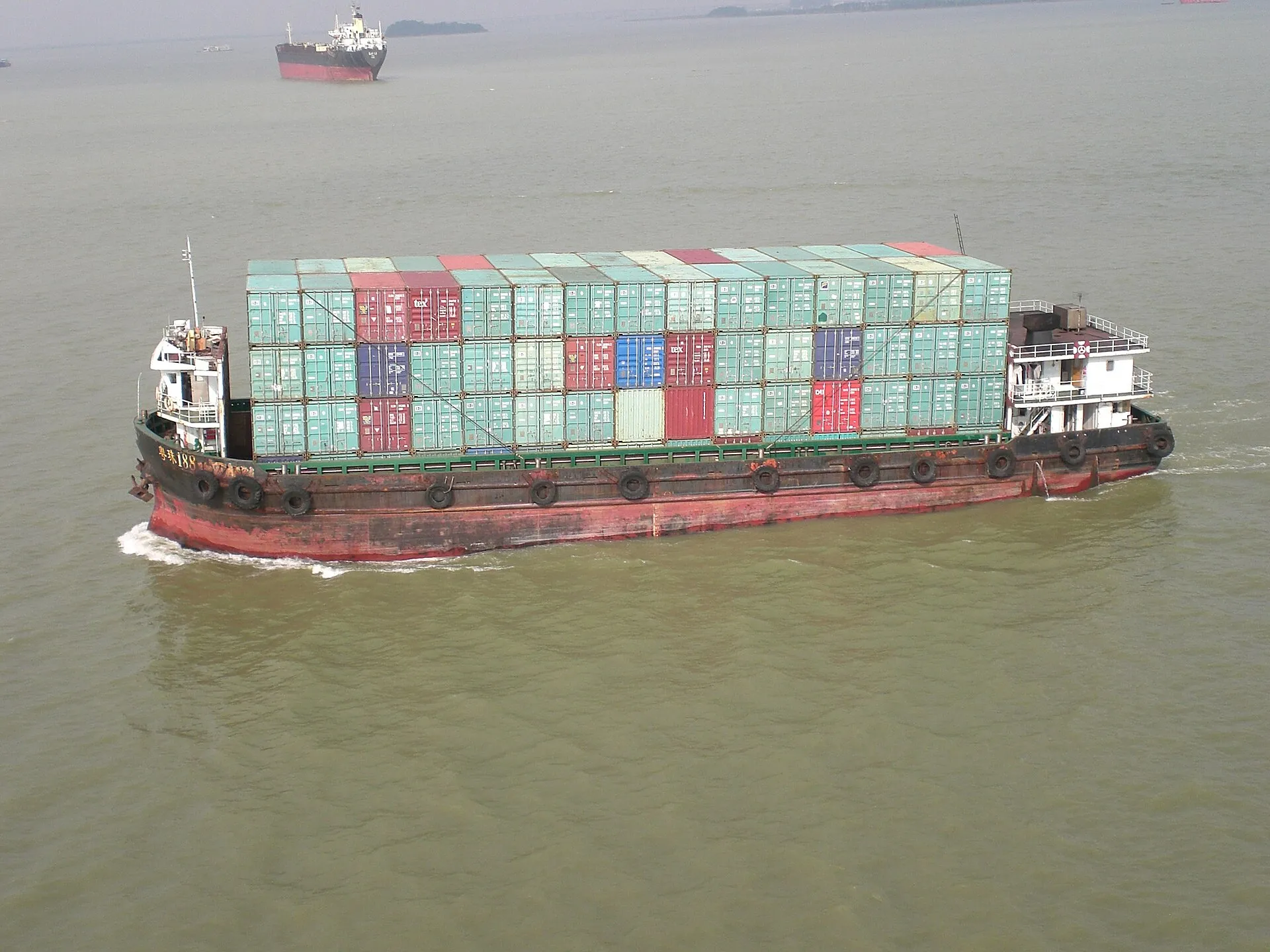
Incoterms define who pays for freight and insurance and, more importantly, where risk transfers from exporter to buyer. Three terms cover most real-world vanilla deals.
FOB (Free On Board)
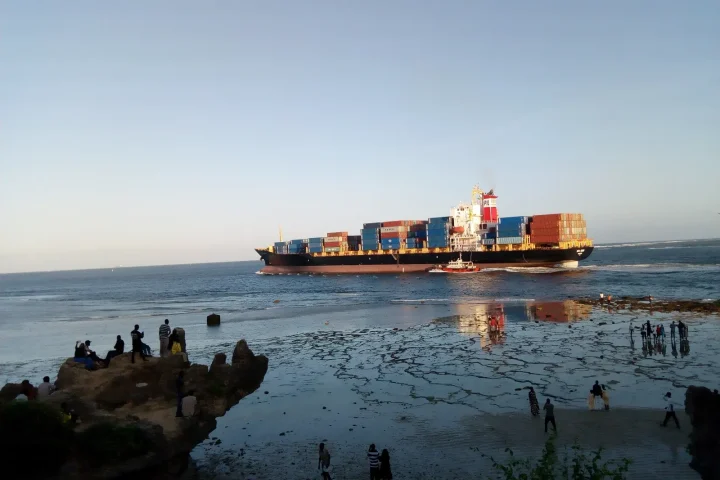
The exporter delivers the beans export-cleared and loaded at the Indonesian port; from that point freight, insurance, and risk belong to the buyer. FOB suits buyers with an established freight forwarder who want control over carrier and insurance choices; it is also the most price-transparent term, with no bundled logistics margin in the quote.
CIF (Cost, Insurance and Freight)
The exporter arranges and pays sea freight and minimum insurance to the destination port. CIF is the practical default for first orders — one landed-port price, no Indonesian-side logistics to organise. One caveat: risk still passes at origin, so the cargo insurance terms deserve as much scrutiny as the freight line.
DDP (Delivered Duty Paid)
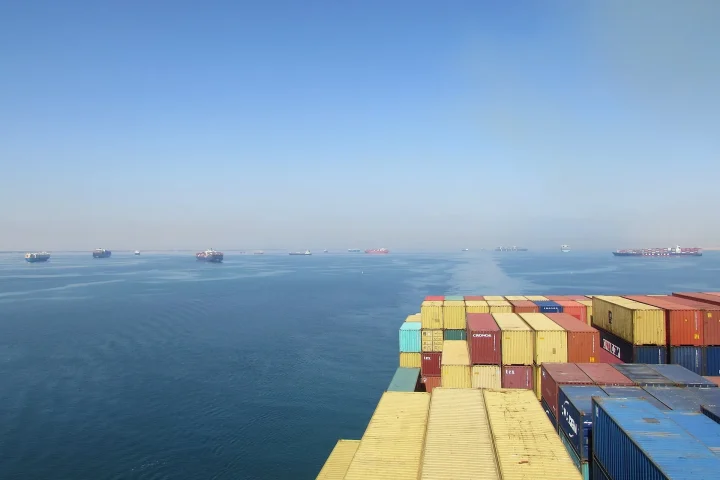
The exporter carries cost and risk to the buyer’s named place, including import clearance and duties. DDP looks attractive but is the hardest term to price honestly for vanilla, because destination-country food-import rules vary and change. It only makes sense where the exporter has an established clearance partner in your market; otherwise the premium simply prices in uncertainty.
A workable rule: first orders on CIF, repeat buyers with their own forwarder on FOB, DDP case by case — and always name the version, e.g. “CIF Rotterdam, Incoterms 2020”.
Deposits, Escrow, and Documentary Payment
Vanilla is a high-value, hand-cured crop, so exporters rarely reserve stock against an unsecured purchase order. The common pattern is a deposit on signing with the balance due against shipping documents, typically a copy of the bill of lading and the lot COA. Exact percentages vary with order size, relationship, and market conditions. More important than the percentage is what the deposit is tied to: which lot it reserves, the shipment window it secures, and when it is refundable — for example, if the pre-shipment COA fails the agreed specification. The available payment rails, and how each protects the buyer, are detailed on our secure payment options for vanilla export orders page.
For larger first transactions between strangers, two structures replace trust with paperwork. Third-party escrow holds the buyer’s funds until agreed evidence — shipping documents or an independent pre-shipment inspection report — is presented. A letter of credit or documentary collection routes payment through banks against a defined document set, so the exporter ships against a bank undertaking rather than a promise. Both add cost and days, so they are typically retired after the first shipment or two in favour of simpler deposit-and-balance terms.
The Spec Clause: Attach the COA, Protect Both Sides
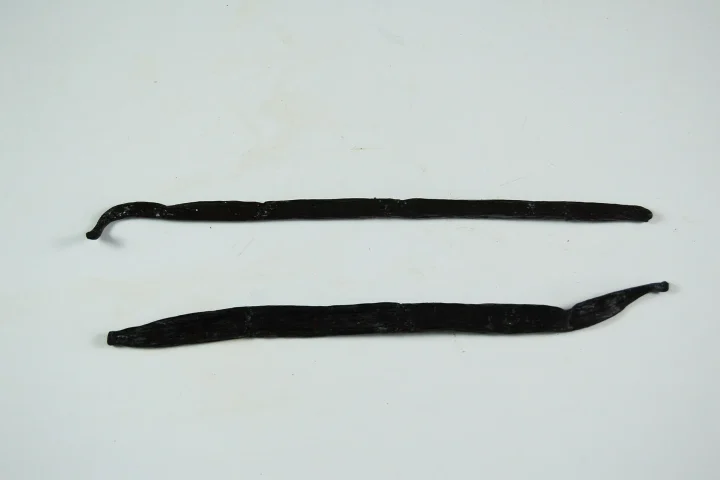
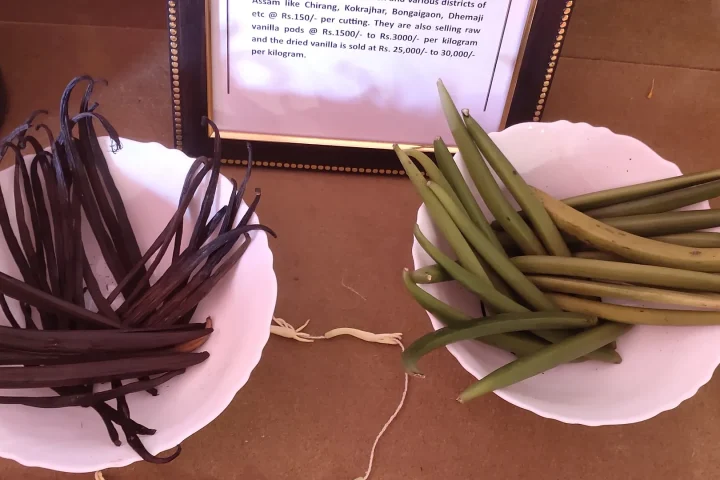
The highest-leverage page in a vanilla contract is the specification annex. Per lot, it should define species and grade (for example Grade A gourmet Planifolia), pod length range, moisture range, measured vanillin content, defect tolerance, and packaging standard — for sea freight, typically vacuum-sealed food-grade packing with oxygen absorbers. Because vanillin varies by lot, attach the laboratory COA for the specific lot being sold and state that it forms part of the contract.
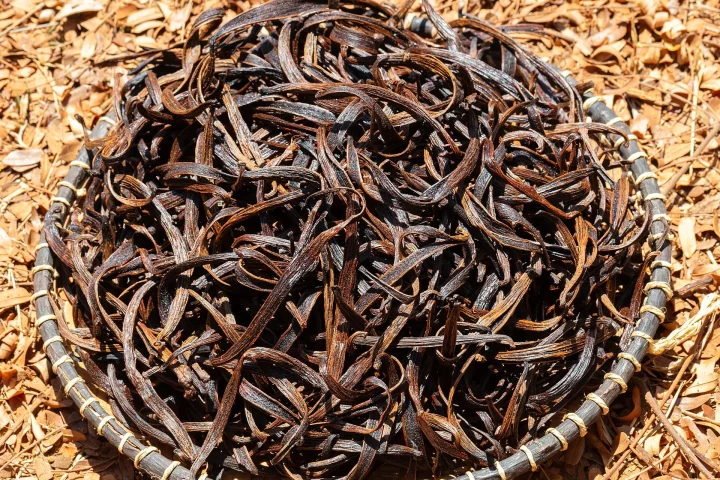
Spec clauses cut both ways. The buyer gains objective rejection rights: if the shipped lot fails the attached COA parameters, non-conformity is a measurement, not an opinion. The exporter gains protection against post-arrival renegotiation — receiving conforming goods, then inventing quality complaints to force a discount. Our Grade A gourmet vanilla beans ship with lot-level documentation for exactly this reason.
Forward Contracts When Prices Are Volatile
Vanilla pricing moves with harvest cycles, weather, and competing origins; the gap between benchmark wholesale and premium Grade A pricing shows how quickly value concentrates in quality lots. A forward contract locks volume and a price mechanism for future delivery windows instead of buying spot each quarter.
Three structures dominate. A fixed-price forward locks one price for the whole period — simple, but one side will feel wrong if the market moves sharply. A price-band (collar) forward sets a floor and ceiling, sharing volatility between the parties. A volume commitment with periodic repricing fixes quarterly quantities and prices each tranche against an agreed reference before shipment. For extract manufacturers needing cost stability across a production year, the collar is usually the easiest to defend internally. Forward terms and indicative pricing are quoted on request against your specification and volumes.
Documents Your Contract Should Reference
Vanilla trades under HS code 0905, and Indonesian shipments commonly move with phytosanitary documentation issued through official quarantine channels. A clean contract lists the full document set the exporter must present: commercial invoice, packing list, bill of lading or air waybill, phytosanitary certificate, the lot COA, and — where relevant — organic certificates and traceability records. Destination requirements vary, so the contract should name the buyer’s market and oblige both parties to cooperate on country-specific paperwork.
Pre-Signature Checklist for 2027 Buyers
- Incoterm named with version and destination point
- Specification annex: grade, length, moisture, vanillin, defect tolerance, packaging standard
- Pre-shipment lot COA attached and incorporated into the contract
- Deposit amount, what it reserves, and refund conditions in writing
- Balance payment trigger defined against named documents
- Escrow or letter of credit agreed for first transactions
- Shipment window and late-shipment remedy stated
- Full export document list, including phytosanitary certificate under HS 0905
- Rejection and claims procedure with a time limit and an agreed independent lab
Disclaimer: this article is general commercial information for B2B buyers, not legal or financial advice. Contract law, tax treatment, and import requirements differ by jurisdiction — have your contract and payment structure reviewed by a licensed legal or trade professional in your market before signing.
Frequently Asked Questions
Which Incoterm is best for a first vanilla order from Indonesia?
CIF is the usual starting point: one landed-port price, with the exporter handling Indonesian-side logistics. After a shipment or two, FOB typically gives better cost transparency and control over insurance.
How large a deposit should I expect on a vanilla purchase contract?
There is no industry-wide fixed rate — deposits are negotiated per contract, with the balance commonly due against shipping documents. Focus on what the deposit reserves and when it is refundable, not just the percentage.
What must the specification clause include?
Grade and species, pod length range, moisture range, measured vanillin from a lab COA for the specific lot, defect tolerance, and packaging standard. Attaching the actual COA turns quality from an opinion into a measurement.
Are forward contracts sensible while vanilla prices are volatile?
Yes, if the structure shares risk. A collar forward protects the buyer’s budget without forcing the exporter to sell far below market; fixed-price forwards are simpler but leave one side exposed.
What documents accompany an Indonesian vanilla shipment?
Commercial invoice, packing list, bill of lading or air waybill, phytosanitary certificate, and the lot COA — plus organic certificates and traceability records where your market requires them. Vanilla is classified under HS code 0905.
Get a Contract-Ready Quote
Bali Vanilla Export operates under the Juara Holding Group, and every offer we issue includes the specification annex, lot COA, and Incoterm options described above. Request a quote with your target grade, volume, and destination port, or discuss deposit, escrow, and forward-contract terms with our trade desk on WhatsApp at wa.me/6281139414563 or by email at [email protected]. Indicative pricing is confirmed against your specification and shipment window.
For related needs in Bali, the same team also handles panduan visa C5A.