Vanilla export packaging for 2027 comes down to one standard: vacuum-sealed, food-grade barrier packaging with oxygen absorbers, matched to the freight mode and order size. Get that right and cured Indonesian beans hold their aroma, moisture, and vanillin through weeks of sea transit; get it wrong and even Grade A pods arrive brittle, moldy, or flat.
This guide covers the packaging formats we prepare, shelf-life expectations per format, warning signs of packaging failure on arrival, and the re-conditioning procedure before beans enter warehouse stock. It complements our B2B storage and handling guide, which covers what happens after cartons reach your facility — here the focus is the packaging itself.
Why Vacuum Packaging Is the Export Standard for Sea Freight
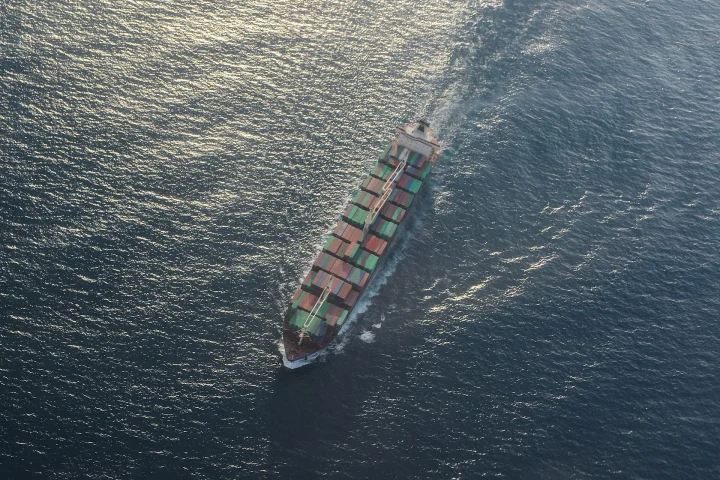
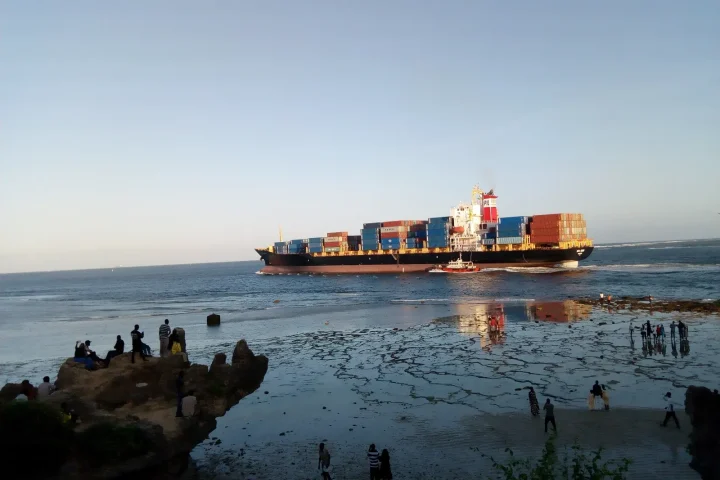
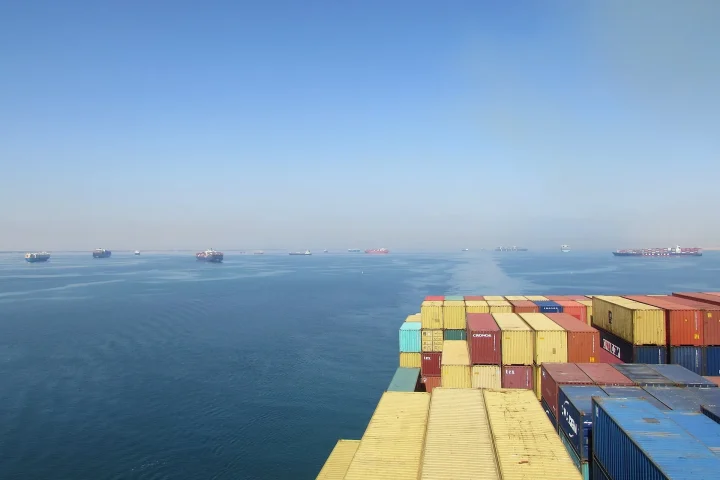
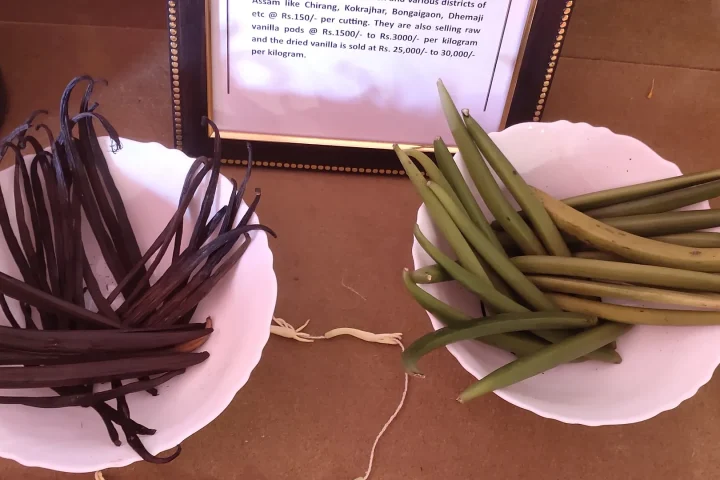
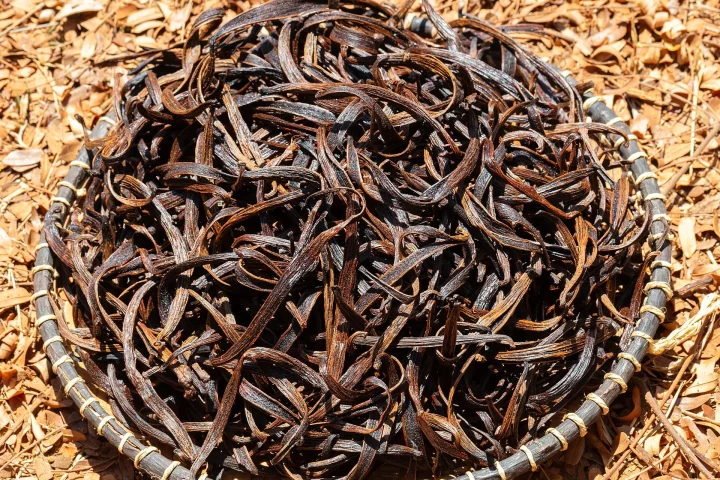
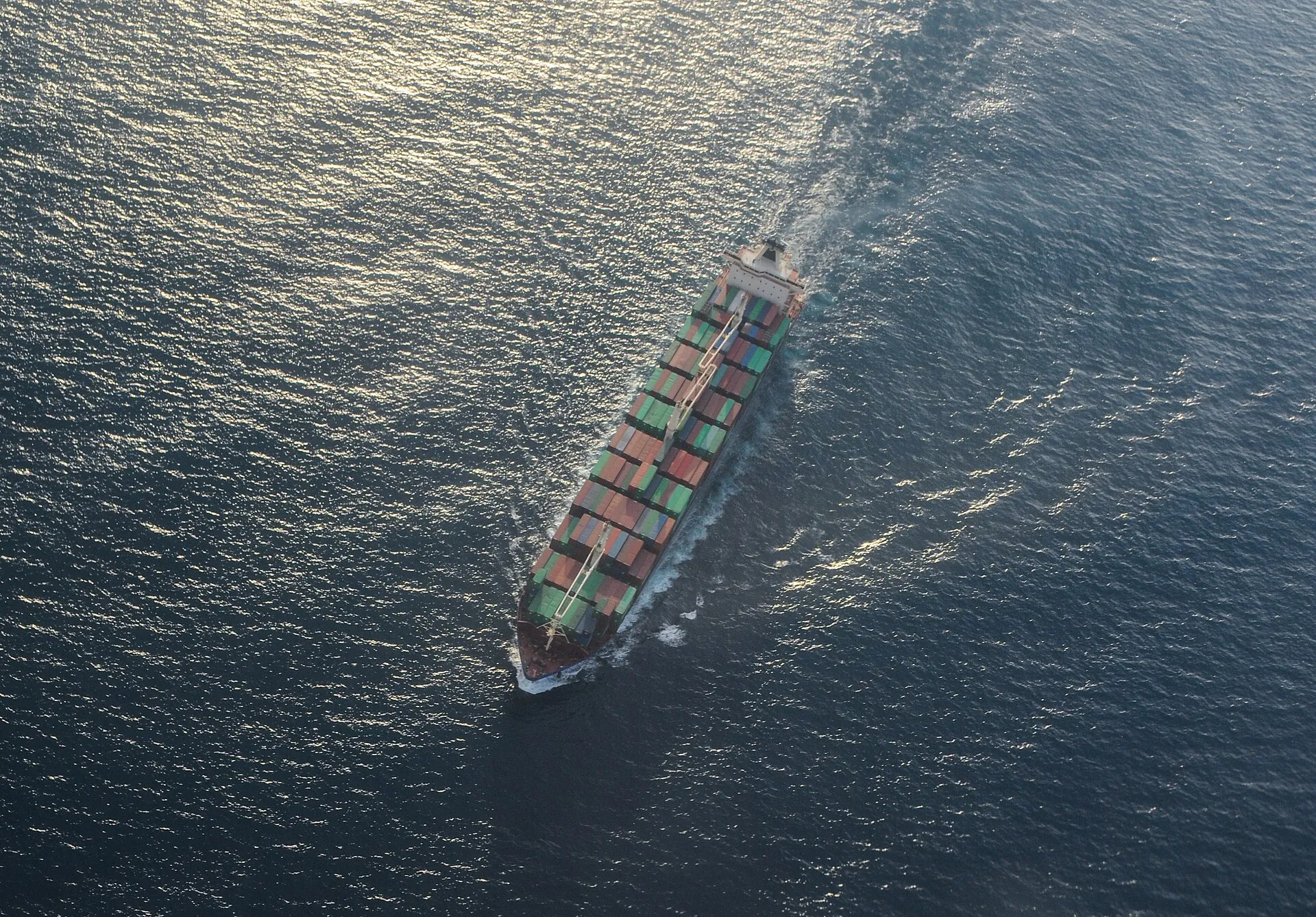
Cured vanilla beans are hygroscopic and aromatic — they absorb ambient moisture and lose volatile aroma compounds when exposed to air. Sea freight compounds both risks: a container crossing from Indonesia to the United States or Europe passes through weeks of temperature and humidity swings. Vacuum-sealed, food-grade packaging with oxygen absorbers is the standard protection because it removes the two variables — oxygen and free air exchange — that drive mold growth and aroma loss in transit.
Larger contracts typically move by sea precisely because beans can be protected this way, while air freight is reserved for urgent samples and smaller premium lots. Packaging spec, freight booking, and documents move together as one decision, which is why we walk buyers through all three on our shipping and export process before any order is confirmed.
Export Packaging Formats We Prepare
Vacuum Brick, 1 kg
The workhorse format for wholesale orders. Beans are aligned, weighed to 1 kg, and vacuum-sealed in food-grade barrier film with an oxygen absorber inside — a dense, stackable brick that protects pods from crushing, keeps lots separated, and lets a buyer open only what production needs. Each brick is labeled with grade, origin, lot number, and packing date, matched to its Certificate of Analysis.
Bulk Carton
For container-scale and repeat contracts, vacuum bricks are packed into lined export cartons — typically 10 to 25 kg per carton. The carton provides structural and light protection; the bricks inside remain the primary barrier. Our bulk supply program for food manufacturers covers how carton specs, lot sizes, and delivery schedules are agreed for recurring volumes.
Sample Pouch
Pre-contract evaluation lots ship as small vacuum pouches, usually 100–500 g, sent by air — the same barrier film and absorber setup as the production bricks, so what you evaluate is what full orders will look like on arrival.
A Note on Caviar and Processed Formats
Scraped vanilla caviar is more exposed than whole pods — no skin protects the seed mass. It ships in smaller sealed food-grade units, cold-chain where the destination requires it, on shorter shelf-life assumptions than whole beans. Buyers sourcing seeds at volume can review formats and handling on our bulk vanilla caviar and seeds page.
Shelf Life by Packaging Format
Shelf life depends on the cure, moisture at packing, and seal integrity — treat the figures below as planning ranges for properly cured beans in intact packaging, not guarantees. Your COA and arrival inspection govern each lot.
| Format | Typical use | Working shelf life (sealed, cool, dark) |
|---|---|---|
| Vacuum brick, 1 kg | Wholesale orders, extract production | Roughly 12–24 months unopened; inspect quarterly |
| Bulk carton | Container and repeat contracts | Same as the bricks inside |
| Sample pouch, 100–500 g | Pre-contract evaluation | Evaluate within 3–6 months of arrival |
| Opened pack, any format | In-production stock | Weeks, not months — repack or use promptly |
The biggest variable is the moment a pack is opened: the vacuum is broken, the absorber is spent, and the beans begin exchanging moisture with the room. Draw down whole bricks rather than opening several packs partially.
Signs of Packaging Failure on Arrival
Inspect every consignment before signing it into stock:
- Loss of vacuum: a brick that feels soft, pillowed, or lets pods shift freely has lost its seal — treat the contents as air-exposed.
- Condensation inside the film: droplets or fogging mean the pack went through a dew-point cycle — a mold risk even if the beans look normal.
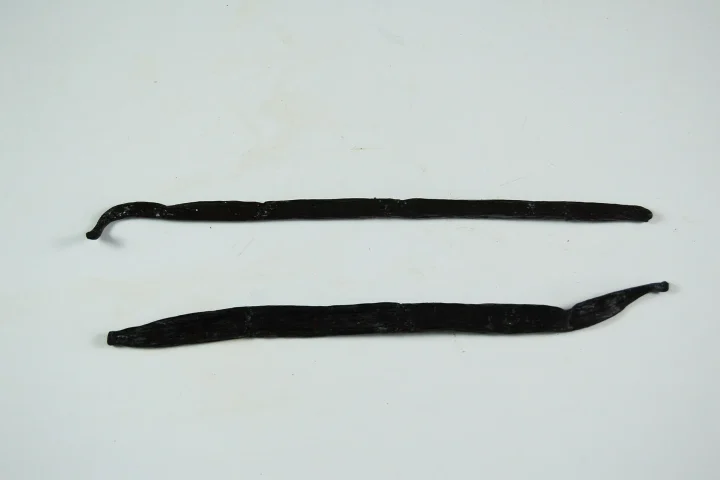
- White or fuzzy surface growth: distinguish vanillin crystals (fine, frost-like, aromatic — a quality sign) from mold (fuzzy, patchy, musty — a rejection sign). When in doubt, isolate and photograph the lot.
- Brittle, snapping pods: beans dried below their conditioned moisture range snap instead of bending — pointing to a slow leak or heat exposure.
- Flat or sour aroma on opening: a weak or fermented off-note instead of a strong, sweet vanilla note suggests moisture or heat damage in transit.
- Crushed or punctured cartons: check every brick inside a damaged carton for vacuum integrity, even if the beans look fine.
Document findings with photos and lot numbers within your contractual claim window. Lot labeling exists precisely so a single failed brick can be isolated without disputing the whole shipment.
Re-Conditioning Procedure After Arrival
If packaging arrives intact, leave it sealed and store the cartons cool, dark, and dry. Re-condition only when a pack has lost vacuum in transit or has been opened partially.
- Isolate and inspect. Move affected beans away from sealed stock; discard any pod with confirmed mold and quarantine its neighbors.
- Air the beans briefly. Spread sound pods in a single layer in a clean, dry, ventilated room away from sunlight for a few hours — short, controlled exposure, never prolonged open-air storage.
- Re-pack with a fresh barrier. Use food-grade vacuum packaging and a new oxygen absorber — household bags are no substitute for barrier film.
- Relabel and shorten the clock. Mark the re-packed unit with the original lot number and re-packing date, and use re-conditioned beans ahead of untouched sealed stock.
- Log the event. Record the lot, weight, and trigger condition — this turns a one-off transit issue into a spec improvement on the next order.
For warehouse practice beyond this point — humidity targets, inspection cycles, stock rotation — see the storage and handling guide.
What to Specify in Your Purchase Contract
Packaging disputes are almost always contract gaps. Before confirming an order, agree in writing on: pack format and unit weight; barrier film type and absorbers per pack; lot labeling matched to the COA; freight mode and transit window; the arrival inspection window and claim evidence; and that trial orders ship in the identical packaging spec as the eventual full contract. Container-volume buyers should settle these specs once through the bulk program and repeat them on every shipment.
Disclaimer: the contract, customs, and claim-window points in this guide are general commercial guidance for vanilla buyers, not legal advice. Contract terms, import regulations, and documentation requirements vary by country and change over time — verify your specific obligations with a licensed legal or customs professional before signing.
Frequently Asked Questions
How long do vacuum-sealed vanilla beans last during sea freight?
A typical sea transit of several weeks from Indonesia to the U.S. or Europe consumes only a small fraction of the working 12–24 month sealed shelf life — provided the beans were properly cured before packing and the seal survives the journey. That is why arrival inspection checks seal integrity first.
Is the white coating on arrived beans mold or vanillin crystals?
Vanillin crystallization looks like fine, dry frost and smells strongly of vanilla — a sign of quality. Mold is fuzzy, patchy, and musty. If you cannot tell with confidence, isolate the lot, photograph it, and raise it with your supplier before processing.
Do samples ship in the same packaging as full orders?
They should, and ours do. A sample pouch uses the same barrier film and absorber setup as the production bricks, scaled down to 100–500 g and sent by air — the only reliable way to know how a full sea-freight order will behave on arrival.
Can I refrigerate or freeze vanilla beans after arrival?
Cold storage is generally unnecessary for sealed whole beans and introduces condensation risk each time packs move between temperatures. Cool, dark, dry ambient storage of sealed packs is the standard for whole pods; scraped caviar follows its own cold-chain handling agreed per order.
What should I do if a brick arrives with a broken vacuum seal?
Isolate it, photograph the pack and lot label, and notify your supplier within the claim window before opening it further. Then re-condition: inspect pod by pod, discard confirmed mold, air the sound beans briefly, re-pack with fresh film and a new absorber, relabel, and use that unit first.
Does packaging affect the export documents required?
The core document set — phytosanitary certification, COA, and customs paperwork under HS code 0905 — is driven by product and destination rather than pack format, but packing lists must match the physical units exactly. Label-paperwork mismatches are a common cause of clearance delays, so we finalize packaging specs and documents together at order confirmation.
Confirm Your Packaging Spec Before You Book Freight
The cheapest quality control in the vanilla trade happens before the container is loaded: the right format, a verified seal, a fresh absorber, and labels that match the paperwork. Tell us your destination, volume, and receiving setup, and we will confirm the packaging spec, shelf-life planning, and freight recommendation. Message our export desk on WhatsApp at +62 811-3941-4563 or email [email protected].