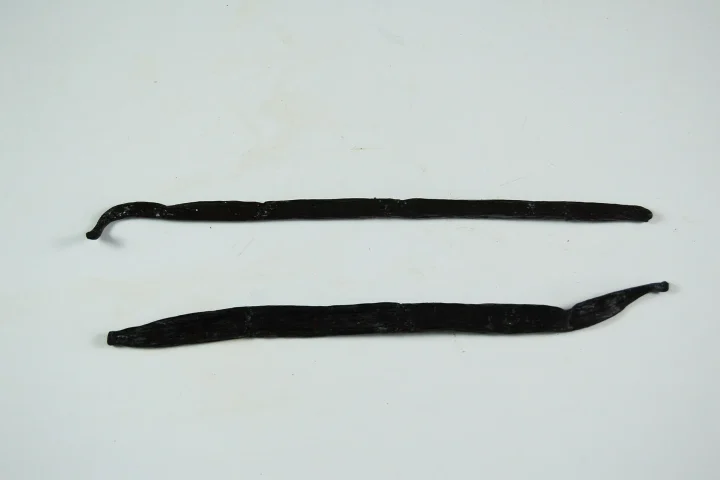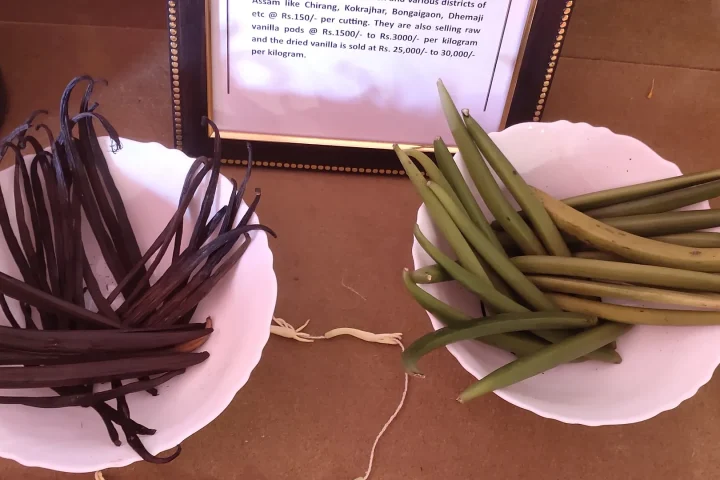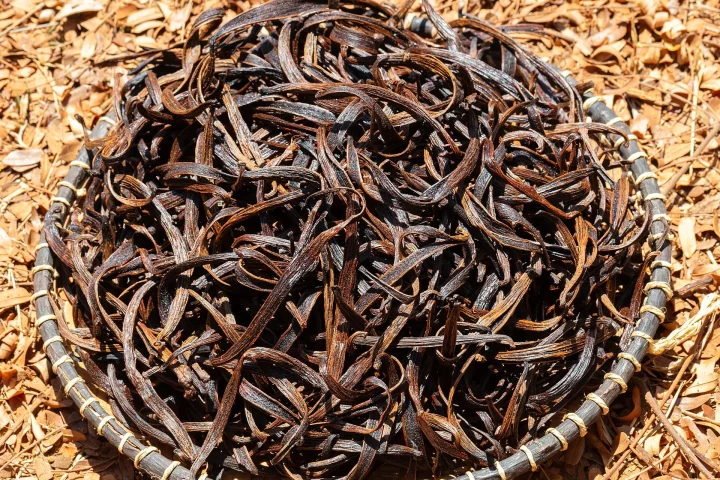
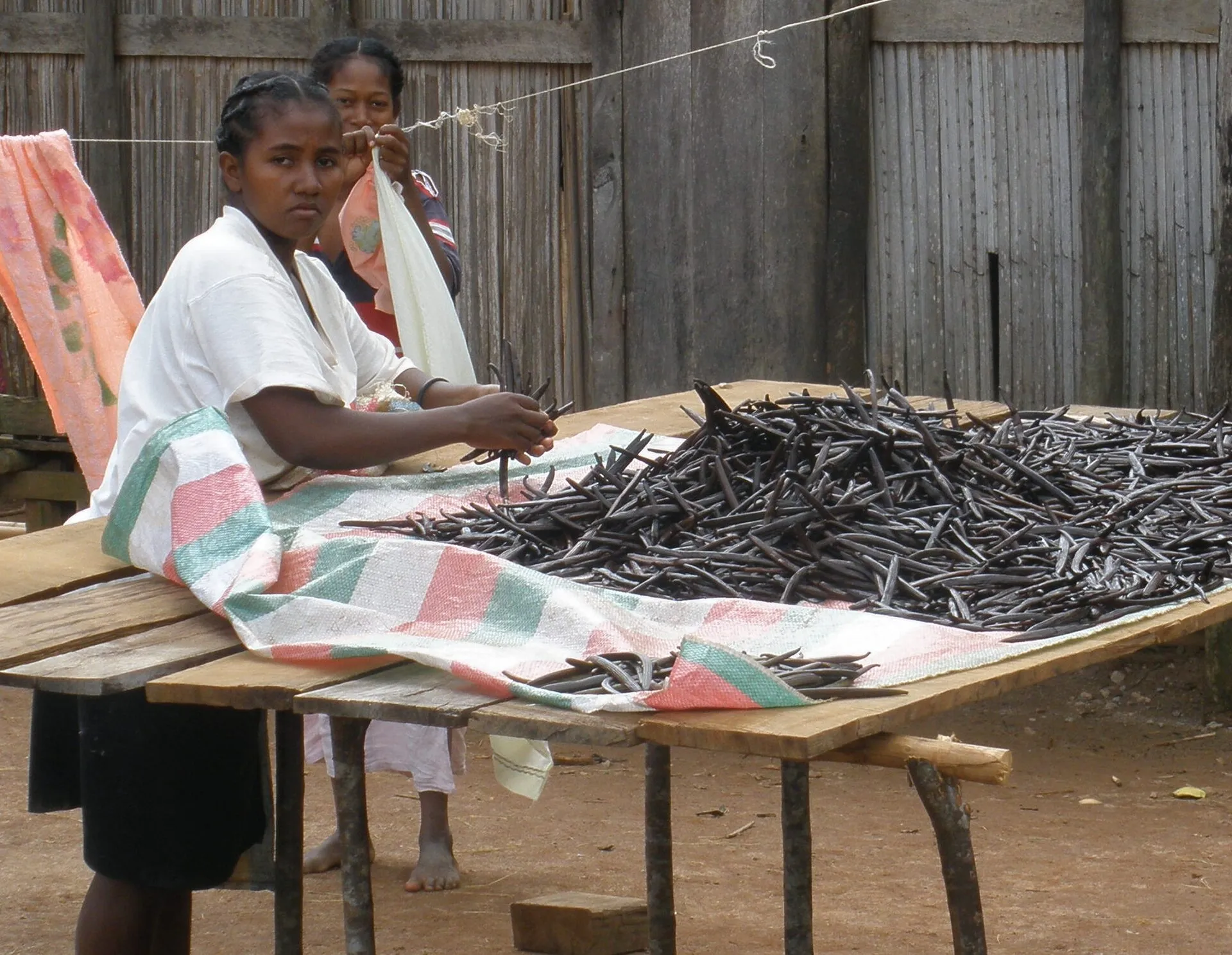
When a pallet of vanilla beans lands at your warehouse, a structured vanilla bean defects inspection in the first 24–48 hours is what separates a recoverable problem from an expensive write-off. This 2027 receiving QC guide shows importers exactly what to check — mold, split ends, under-cured or over-dried pods, and out-of-spec moisture — plus the simple tools to use, when and how to file a claim, and how a per-lot Certificate of Analysis (COA) protects you contractually.
Our earlier guide on choosing a vanilla bean grade covered what to verify before you buy; this article covers verifying what you actually received. Both halves of the loop should reference the same document — the lot COA, structured the way we publish on our lab-tested COA specifications page. The stakes justify the hour of work: premium Indonesian Planifolia trades well above commodity level, with indicative wholesale references from roughly US$30–80/kg for Grade A gourmet and US$20–50/kg for Grade B extract-grade depending on vanillin content and pod quality (final pricing on request per lot). Receiving inspection is not distrust of your supplier — it creates a dated record of condition at handover that keeps any later quality conversation factual, and serious exporters welcome it.
Recognising Mold on Arrival
Mold is the defect most likely to trigger rejection — and the one importers most often misdiagnose. Under good white light, check for:
- Fuzzy or powdery growth — white, grey, or greenish raised patches, often at the stem end or where pods touch in the bundle.
- Musty off-odours — open one vacuum pack per sampled carton and smell immediately. Healthy cured vanilla smells sweet and slightly smoky; sour, damp-cellar notes are a warning.
- Damp, slimy patches, especially with condensation inside the packaging.
Do not confuse mold with surface vanillin crystallisation, the fine needle-like frosting that can appear on very high-quality beans. Crystals feel dry and glitter under light; mold is soft and matte. If unsure, isolate the cartons, photograph them, and get lab confirmation before rejecting — calling crystallisation “mold” is a common, avoidable dispute.
Split Ends and Physical Damage
Splits are longitudinal openings, usually at the blossom end. A small proportion occurs naturally in any harvest and some buyers accept them at a discount for extraction; what matters at receiving is whether the split rate matches the tolerance in your contract. Count splits in your sample and compare against the spec sheet. Also log cuts, crushing, and abrasion: damage concentrated on one side of a carton usually points to transit handling rather than origin quality — which changes who your claim is against.
Under-Cured and Over-Dried Pods
Proper Indonesian curing is a long process of sweating, drying, and conditioning, and shortcuts show up physically:
- Under-cured pods feel unevenly soft, may show green or reddish streaks, smell grassy rather than rounded, and are a high mold risk in storage because internal moisture was never stabilised.
- Over-dried pods are brittle and stick-like, snapping instead of bending. Not unsafe, but they may no longer match a Grade A gourmet description or the contracted weight.
A quick bend test takes seconds: a well-cured gourmet bean flexes around a finger without cracking. Extract-grade beans are drier by design, so judge against the grade you actually ordered.
Moisture Out of Spec: The Silent Claim
Moisture is the defect you cannot see. Too high, and the lot is a mold risk with inflated weight; too low, and you paid gourmet prices for beans drifting toward extract character. Buyers routinely verify moisture, vanillin content, and grade consistency when vetting suppliers, and the same logic applies at receiving: measure moisture on arrival and compare it against the range stated on that lot’s COA — not a generic industry figure, since gourmet and extract grades are specified at different ranges. Record readings per sampled carton; a lot-wide average can hide one wet carton that will spoil in storage.
Simple Tools for a Reliable Receiving Inspection
You do not need a laboratory to run a defensible receiving QC:
- Digital moisture meter — a calibrated meter suitable for dried botanicals gives fast comparative readings; log the model and settings.
- Cut test — slice sampled pods lengthwise. Gourmet interiors should be dark, oily, and uniformly moist-looking with abundant seed; pale, hollow, or crumbly interiors reveal curing problems surface inspection misses.
- Calibrated scale — verify net weights against the packing list.
- Camera and log sheet — timestamped photos of seals, cartons, and defects, plus a written sampling record.
- Gloves and a clean knife — avoid contaminating retained samples.
Sample proportionally — a common approach is the square root of the carton count, minimum three — and always retain sealed counter-samples in case a claim escalates to third-party testing.
When and How to File a Claim
Timing is everything: many contracts allow only 7–14 days from arrival for quality claims, less for visible transit damage. A claim that stands up has four parts:
- Written notice within the window, referencing lot number, container/AWB, and COA.
- Evidence: inspection log, timestamped photos, moisture readings, cut-test results, and seal condition on arrival.
- Quantification: cartons affected and defect rate found versus contracted tolerance.
- A proposed remedy: replacement, credit, discount for diverted use (gourmet re-graded to extraction), or return.
Keep affected goods segregated and unprocessed until resolution, and offer a joint or independent surveyor inspection. Exporters running a transparent quality assurance system at origin usually resolve documented claims quickly, because their own pre-shipment records show where the deviation occurred.
This article is general commercial guidance for trade buyers, not legal advice. Claim windows, evidence requirements, and remedies depend on your contract, Incoterms, insurance, and jurisdiction — verify your position with a licensed legal or trade professional before acting on a dispute.
How a Per-Lot COA Protects You Contractually
A generic brochure spec protects nobody. A per-lot COA — stating measured moisture, a lab-measured vanillin range, grade, origin, and lot traceability — converts quality from opinion into a contract term. Reference the COA in your purchase order, and any receiving measurement outside its stated range becomes an objective non-conformance rather than a matter of taste. This is exactly what current market research recommends: publish measured lab values per lot instead of generic claims. It also disciplines the exporter’s own process, since every shipment is tested before departure alongside curing control and vacuum-sealed, food-grade packaging with oxygen absorbers. The lowest-risk way to align your receiving bench with our documentation is to test the loop on a small scale: order through the vanilla bean sample order program, run your full inspection protocol, and confirm your meter readings track our lab values before scaling to container volumes.
Frequently Asked Questions
How soon after arrival should I inspect a vanilla bean shipment?
Within 24–48 hours of receipt, before the goods enter general storage. Note visible transit damage on the delivery documents at handover. Fast inspection preserves your claim window and stops a wet carton from affecting neighbouring stock.
What is the difference between mold and vanillin crystals?
Vanillin crystallisation is dry, needle-like frosting that glitters under light and can appear on high-quality beans. Mold is soft, matte, fuzzy or powdery, often musty-smelling, typically starting at the stem end. If in doubt, isolate the cartons and confirm with a lab test before rejecting.
Do I need a laboratory to check moisture at receiving?
No. A calibrated moisture meter for dried botanicals gives workable comparative readings against the COA range. Reserve lab testing — on retained counter-samples — for cases where bench readings fall outside spec and a claim is likely.
Can I still claim if I find a defect weeks after arrival?
It becomes much harder. Most contracts limit quality claims to a short window, and late discovery invites the argument that your own storage caused the issue. Immediate inspection plus sealed counter-samples fix the condition of the goods at handover; check your specific terms with a qualified professional.
Does a COA guarantee the shipment arrives in spec?
A COA states measured values at pre-shipment testing. Transit can still affect the goods, which is why protective packaging and your own receiving inspection complete the system. The COA’s contractual value is defining the objective baseline any arrival deviation is measured against.
Put a Real COA Behind Your Next Shipment
Bali Vanilla Export, part of the Juara Holding Group ecosystem, ships Indonesian Planifolia with per-lot lab documentation built to plug straight into the receiving checklist above. Review our COA standards, then message our export desk on WhatsApp at wa.me/6281139414563 or email [email protected] for current indicative pricing and a sample COA for your grade.