To start a private label vanilla brand in 2027, you need three decisions made in the right order: a product format that fits your market, an Indonesian sourcing partner who can grow with you through staged minimum order quantities, and a traceability story strong enough to justify premium shelf pricing. This playbook covers format selection, packaging and origin storytelling, MOQ staging that keeps startup capital small, per-lot QR traceability, and the rough unit economics of a first production run.
Why Indonesian Vanilla Is a Strong Base for a New Brand
Most vanilla on Western shelves tells a Madagascar story. That is exactly why an Indonesian origin story stands out. Indonesia’s premium Planifolia beans from Bali, Alor, and Papua are already moving into demanding markets: the United States was the largest buyer of Indonesian vanilla in 2025 at US$8.25 million, followed by France, Germany, the Netherlands, and China. Trade data from the same year imply an average export value of roughly US$46 per kilogram across all Indonesian vanilla shipments — a signal that buyers are paying for quality, not commodity volume.
For a private label founder, this means two things. First, the supply side is mature enough to deliver export-grade, fully cured beans with proper documentation. Second, the origin is still fresh enough in consumers’ minds that “single-origin Bali vanilla” reads as a discovery rather than a copy.
Step 1: Choose Your Product Format
Your format decision drives everything downstream — packaging cost, shelf life, margin structure, and which retail channels will take you seriously. There are three practical starting points:
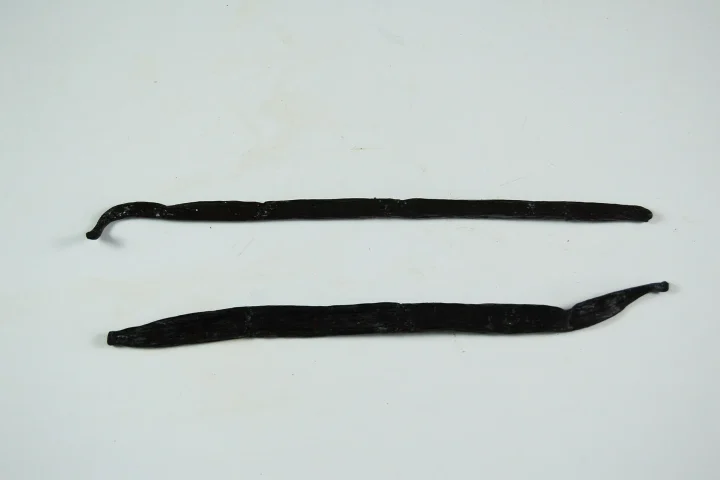
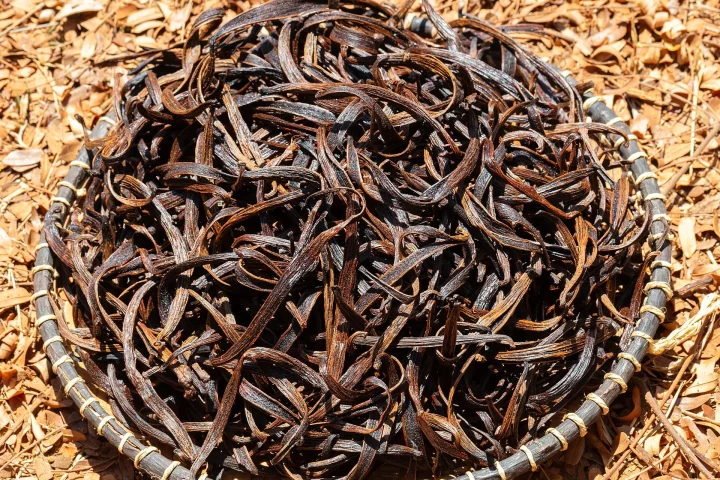
- Whole Grade A gourmet beans. The flagship format. Two or three glossy, pliable pods in a glass tube photograph beautifully, command the highest perceived value, and make your origin story tangible. Best for gourmet retail, gifting, and direct-to-consumer.
- Vanilla powder. Ground from cured beans, powder suits the baking aisle and food-service accounts, tolerates longer distribution cycles, and fills a lower price point under the same brand. Our vanilla powder and extract-grade supply page covers the specifications that matter for this format.
- Vanilla caviar (scraped seeds). The specialist’s format. Pastry brands, ice cream makers, and premium dessert lines buy caviar because it delivers visible vanilla specks without pod handling. See our bulk vanilla bean caviar and seeds page for how this is supplied and packed.
Most successful first launches pick one hero format — usually whole beans — and add powder or caviar in a second production cycle once the brand has proof of sale.
Step 2: Design Packaging Around an Origin Story
Private label vanilla is a storytelling business: the label is what converts a browser into a buyer at a premium price. Build your packaging brief around three elements:
- Named origin. “Vanilla planifolia — Bali, Indonesia” on the front panel, not buried in fine print. Single-origin claims should match the actual lot you purchased.
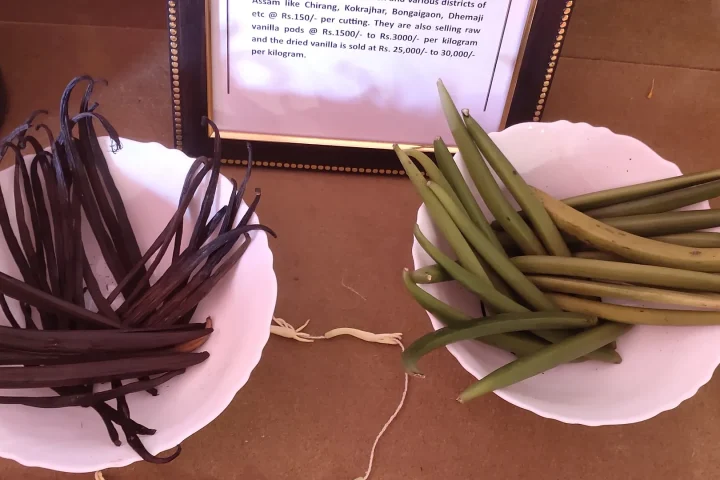
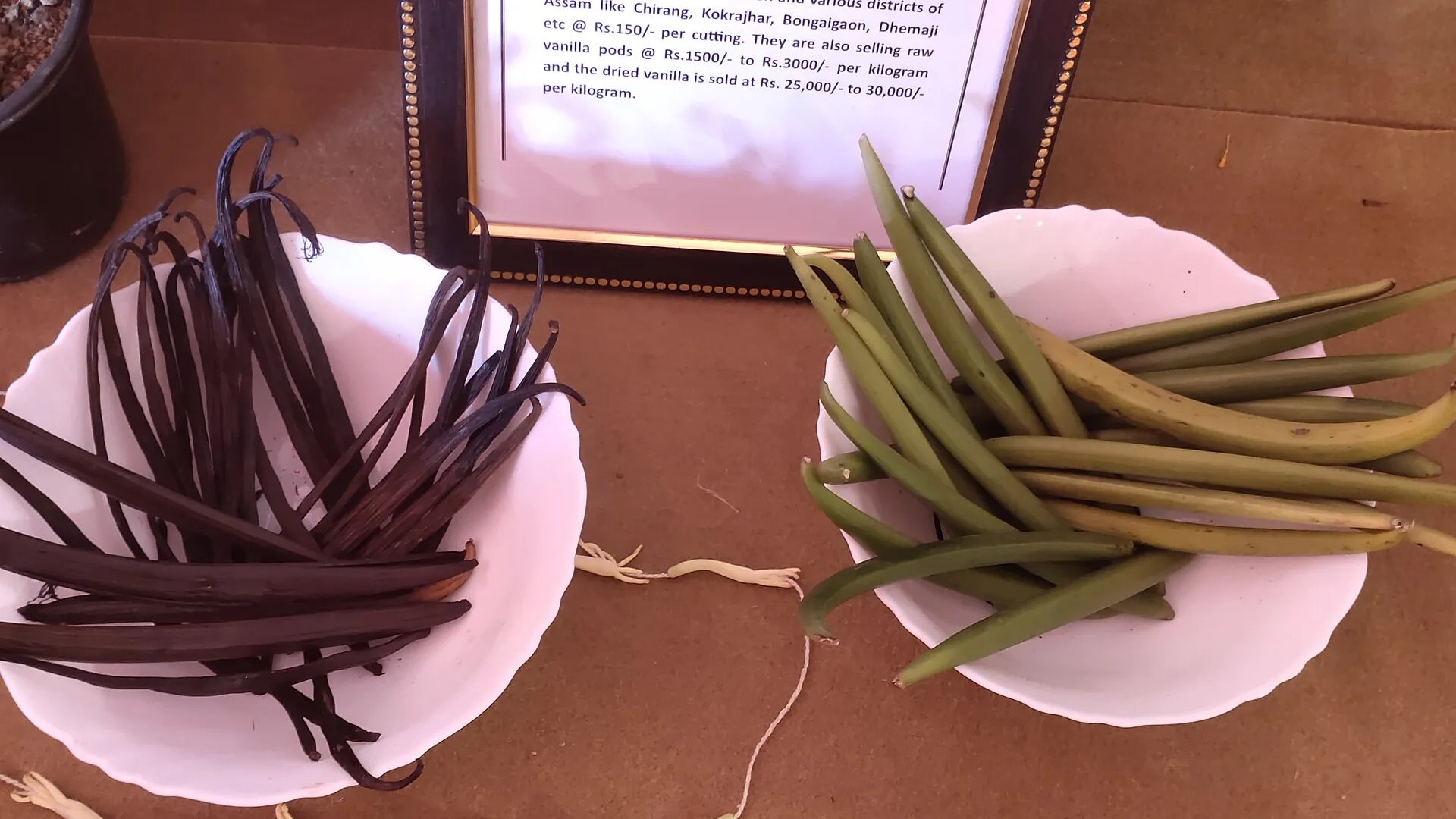
- The curing narrative. Indonesian export-grade vanilla goes through a long pollination, harvesting, sweating, drying, and conditioning process before it ever ships. A short back-panel paragraph about hand-pollination and months of curing does more for perceived value than any design flourish.
- Functional protection. Beans should sit in food-grade, vacuum-sealed inner packaging — the same protection used for export cartons — so moisture and aroma hold all the way to your customer’s kitchen.
Credibility also comes from who stands behind the supply chain. Bali Vanilla Export operates within Juara Holding Group, an Indonesian group whose export and hospitality businesses depend on documented, repeatable quality — which is the standard your brand inherits.
Step 3: Stage Your MOQs So Startup Capital Stays Small
The biggest mistake new vanilla brands make is buying a container’s worth of beans before proving a single retail unit sells. The smarter path is a staged ladder, which is exactly how our private label vanilla bean sourcing program is structured:
- Sample stage. A small air-freighted lot for cupping, photography, packaging tests, and lab verification. This is where you confirm aroma, moisture, and appearance against the spec sheet.
- Trial order. Enough volume to fill your first production run and seed initial retail or online sales. Air freight keeps lead times short while volumes are low.
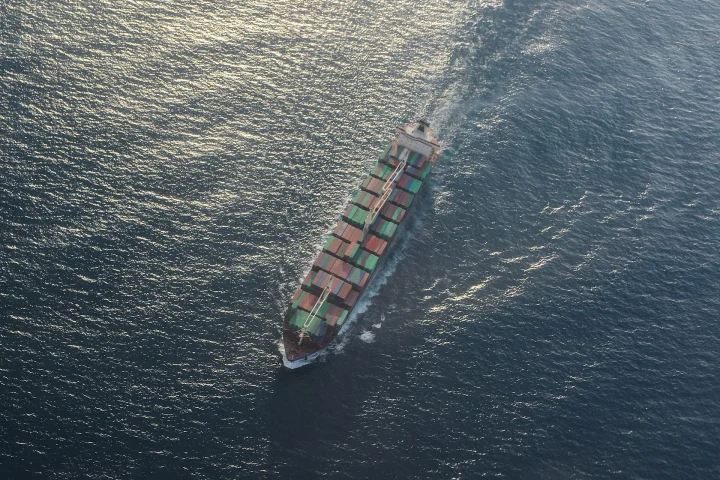
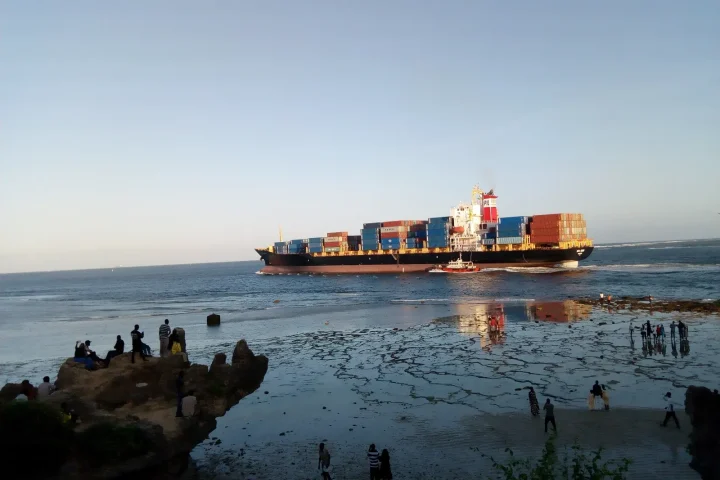
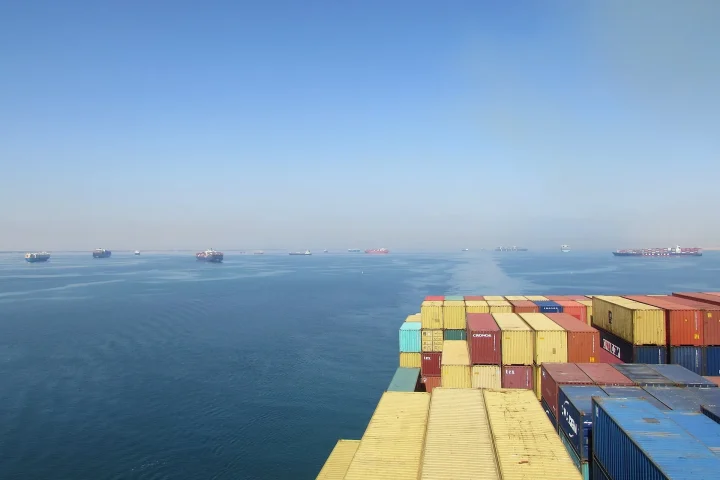
- Scaling orders. Once sell-through is proven, larger sea-freight shipments in vacuum-sealed, food-grade packaging with oxygen absorbers bring your per-kilogram landed cost down significantly.
Ask any prospective supplier to quote all three stages explicitly. A partner who only talks in container quantities is not built for private label founders.
Step 4: Make Per-Lot QR Traceability Your Shelf Differentiator
Traceability is the single strongest trust signal available to a small vanilla brand. Industry research on Indonesian vanilla exports specifically highlights QR-linked traceability, farm-of-origin visibility, and transparency as the signals professional buyers use to vet suppliers — and the same logic works on retail consumers.
The mechanism is simple: each production lot carries a QR code on the packaging that resolves to a page showing the farm region, harvest and curing timeline, moisture reading, and the lab certificate of analysis with a measured vanillin range for that specific lot. Publishing measured, per-lot COA data is more defensible than a generic vanillin percentage claim — and it is a story no mass-market competitor bothers to tell. When a shopper scans your tube in a store aisle and lands on the actual lot record, the price premium explains itself.
Rough Unit Economics for a First Production Run
Every business plan needs numbers, so here is an indicative sketch using published market benchmarks. Indicative wholesale pricing for Indonesian vanilla in 2026 ranges from roughly US$14.76–36.90 per kilogram at the broad market level, while Bali-origin Grade A Planifolia beans are quoted from US$30–80 per kilogram and Grade B extract-grade beans from US$20–50 per kilogram, depending on vanillin content and pod quality. Final pricing is always on request and confirmed per lot.
Working from an illustrative mid-range landed cost of US$50 per kilogram for Grade A beans: a retail tube containing 15 grams of vanilla carries roughly US$0.75 of raw bean cost. Add tube, label, inner seal, fulfillment, and freight, and delivered cost of goods typically remains a small fraction of the premium retail prices gourmet vanilla commands in Western markets. The margin structure is why private label vanilla is attractive — but your actual numbers will depend on grade, volume stage, freight mode, and destination duties, so model them against a live quotation rather than a blog benchmark.
This article is general business information, not financial, investment, or legal advice. Import rules, food regulations, and duties differ by country and change over time, so verify your business plan, compliance obligations, and destination-market requirements with licensed professionals before committing capital.
Export Paperwork: What Ships with Your Order
Vanilla trades under HS code 0905, and Indonesian shipments are prepared with phytosanitary documentation and compliant, traceable packing, moving through official quarantine channels. Destination-country requirements vary — EU-bound organic claims, for example, need supporting certification documents — so the correct approach is a country-specific document set assembled per shipment. A capable export partner prepares this for you; your job as a brand owner is simply to tell them the destination early.
Frequently Asked Questions
How much capital do I need to start a private label vanilla brand?
Less than most founders assume, because the sourcing side can be staged. A sample lot plus a trial production run of packaged retail units is a realistic first milestone; scaling to sea-freight volumes only happens after sell-through is proven. Exact figures depend on your format and packaging choices, so request a staged quotation before budgeting.
Which product format should I launch first?
Whole Grade A gourmet beans in glass tubes are the most common first format because they photograph well and carry the strongest story. Powder and caviar work well as second products once your brand has retail proof.
Can I put my own brand on the packaging?
Yes — that is the core of the private label model. You own the brand, label design, and customer relationship; the sourcing program supplies graded, cured, lab-documented beans packed to your specification.
What documents accompany an export shipment from Indonesia?
Shipments are prepared under HS code 0905 with phytosanitary documentation, packing lists, and lot-level traceability records, plus a certificate of analysis for the beans. Destination-specific paperwork is assembled per country, and organic claims require supporting certificates.
How does per-lot QR traceability actually work?
Each lot is assigned a code linked to a record of its farm region, curing timeline, moisture, and measured vanillin range from the lab COA. You print the QR on your packaging, and your customers scan it to see the exact lot behind the product in their hand.
Ready to Build Your Vanilla Brand?
If you are serious about launching in 2027, the fastest first step is a sample lot and a staged MOQ quotation matched to your format. Message our export desk on WhatsApp at +62 811-3941-4563 or email [email protected] with your target market and format, and we will come back with specifications, indicative pricing, and a realistic launch timeline.