To import vanilla beans from Indonesia to the USA in 2027, you need eight things in order: a confirmed grade and origin, an evaluated sample, a verified Certificate of Analysis, a purchase order with agreed Incoterms, export documents under HS code 0905 with a phytosanitary certificate, an FDA prior notice filing, a freight plan, and an arrival inspection protocol. This guide walks through each step in the sequence a U.S. importer actually follows, from grade decision to receiving dock.
The United States is the single largest destination for Indonesian vanilla — the top export market at US$8.25 million in 2025, and 64.9% of destinations in 2022. That trade history means the documentation pathway from Bali to a U.S. port is well worn, and a prepared supplier hands you most of the paperwork. For the buyer landscape, see our overview of Indonesian vanilla beans for USA importers.
Step 1: Choose Your Grade and Origin
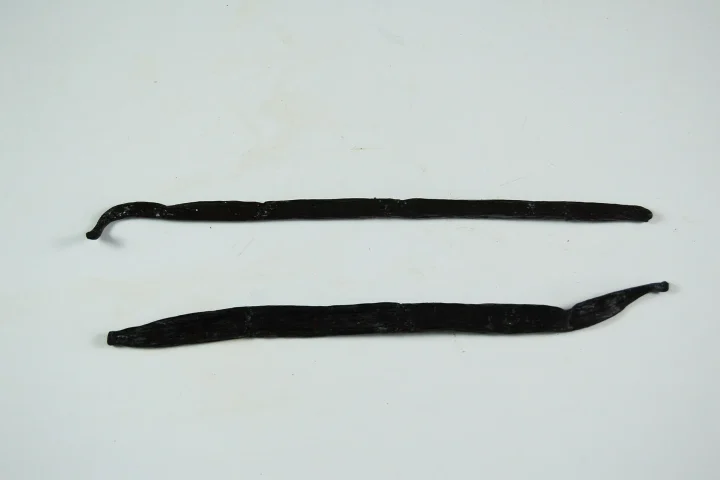
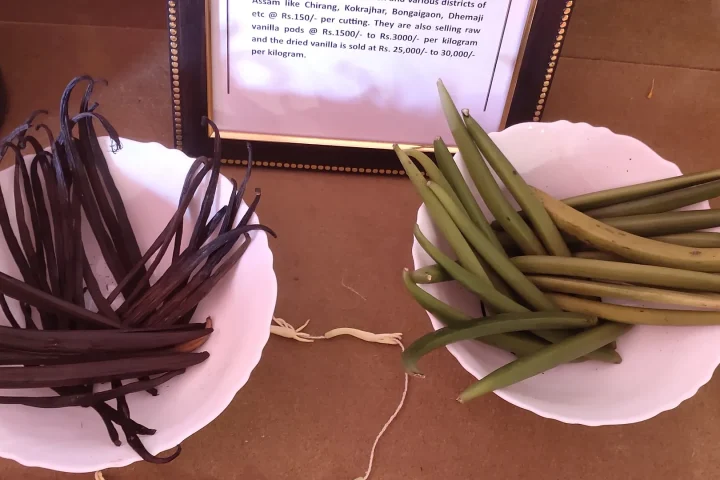
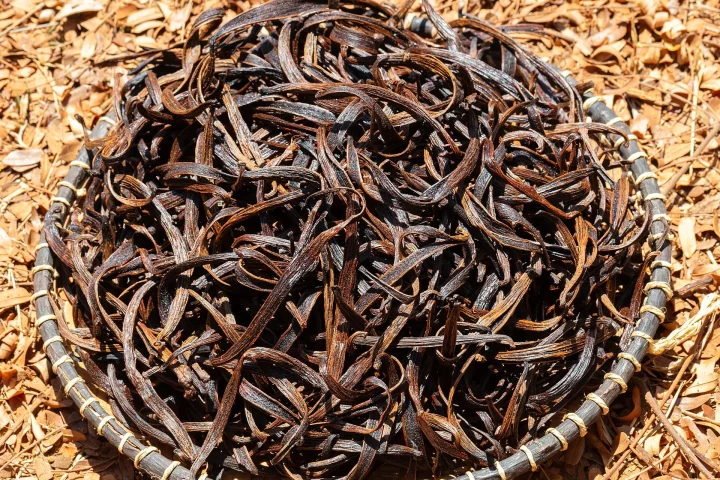
Everything downstream — price, paperwork, freight mode, even your QC checklist — flows from this decision. Indonesian Planifolia is sold in two commercial grades. Grade A gourmet beans are long, oily, flexible pods for retail, gourmet production, and premium extraction; indicative pricing runs US$30–80/kg depending on vanillin content and pod quality. Grade B extract-grade beans are drier, often shorter or split — the workhorse of extract manufacturing; indicative pricing runs US$20–50/kg. Indonesia’s 2025 trade data imply an average export value of roughly US$46/kg, so premium lots command well above commodity levels.
Origin matters too: the strongest premium Planifolia comes from Bali, Alor, and Papua, with value concentrating in long pods, low defect rates, strong aroma, and higher vanillin. Decide early whether your end use is gourmet (Grade A) or extraction (Grade B) — mixing the two muddies both price and specification.
Step 2: Order and Evaluate a Sample
Never book a container against photographs. A physical sample tells you what a spec sheet cannot: aroma profile, pod flexibility, moisture feel, and lot consistency — and air freight can put one in your U.S. facility within days. Our vanilla bean sample order program is built for exactly this stage: graded, lot-matched beans from the same curing batch you would later order in volume, so the sample genuinely predicts the shipment.
Evaluate the sample the way your production team will: split a pod, check the caviar, run a small extraction test if relevant. Keep a retained portion as your reference standard for arrival inspection in Step 8.
Step 3: Verify the COA Before You Commit
A serious Indonesian exporter provides a lab Certificate of Analysis per lot, not a generic brochure claim. There is no single official Indonesian export standard for vanillin percentage — precisely why the COA matters: vanillin varies by lot, and Grade A pricing moves with it. Ask for a measured vanillin range on the specific lot you are buying, alongside moisture, pod length distribution, and defect rate.
Cross-check three things: the COA lot number matches the lot you sampled, the moisture figure supports safe sea shipment, and the vanillin range supports the quoted price. If a supplier resists lot-level COA documentation, walk — lab tests and traceability are exactly how experienced U.S. buyers vet suppliers.
Step 4: Issue the Purchase Order and Agree Incoterms
Your PO should restate the specification, not merely reference it: grade, origin, pod length range, moisture, vanillin range from the COA, packaging format, and quantity. Then fix the Incoterms: FOB from an Indonesian port keeps freight control in your hands and suits container buyers; CIF or CFR shifts freight arrangement to the exporter and simplifies life for smaller importers. Write the payment structure against documents — deposit on order, balance against shipping documents, terms confirmed per contract — and treat all pricing as indicative until the PO is countersigned, because vanilla is a lot-by-lot market.
Step 5: Prepare Export Documents — HS 0905 and Phytosanitary Certificate
Vanilla travels under HS code 0905. On the Indonesian side, your exporter prepares the commercial invoice, packing list, and the phytosanitary certificate issued through official quarantine channels — standard practice for certified Bali exports. The phytosanitary certificate is what U.S. agricultural inspection cares about most, so confirm it is issued against the actual shipped lot with quantities matching the packing list exactly; mismatched paperwork is the most common self-inflicted delay in this trade. Our guide to vanilla export documentation, phytosanitary certificates, and HS 0905 breaks down which documents the exporter produces and which remain your responsibility as importer.
Step 6: File FDA Prior Notice
Vanilla beans are a food article, so U.S.-bound shipments require prior notice to the FDA before arrival, filed electronically by the importing party or its customs broker. Most first-time importers instruct their broker to handle it alongside the customs entry; the cost is minor next to the risk of a held shipment. Your job is supplying accurate data — exporter details, the HS 0905 classification, and quantities matching the invoice and packing list — and building the filing into your timeline, not treating it as an arrival-day task.
Step 7: Choose Your Freight Mode
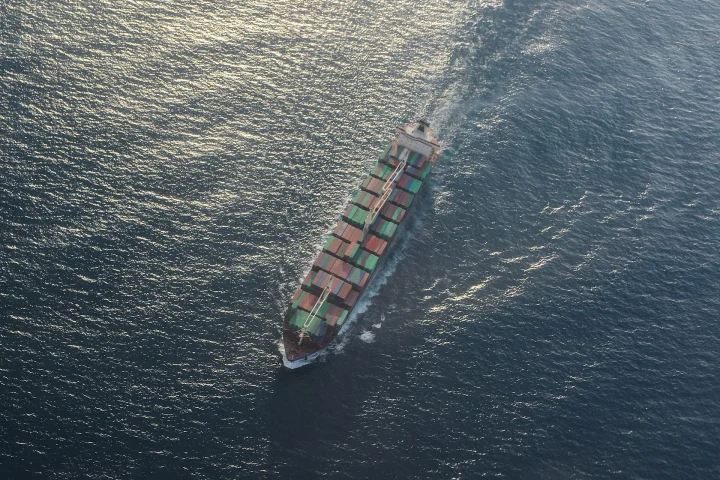
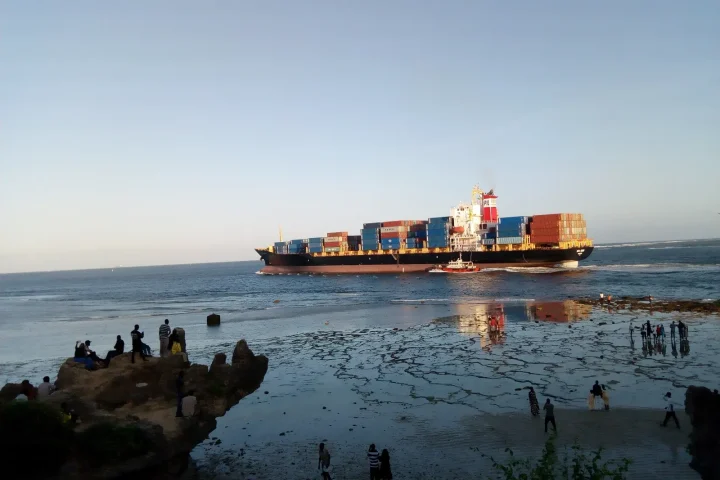
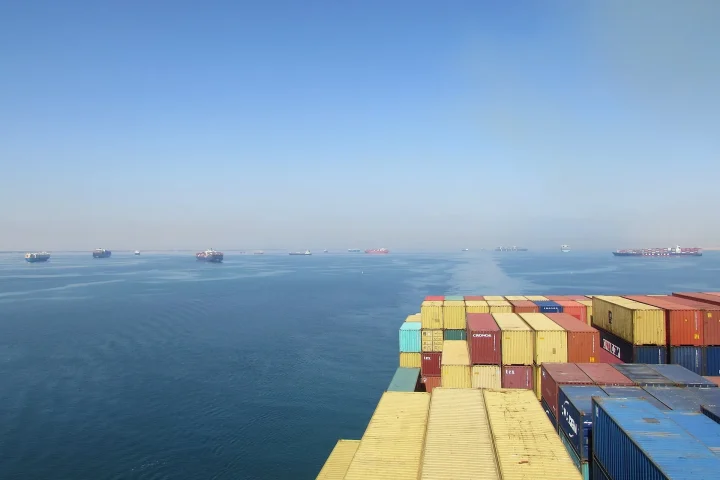
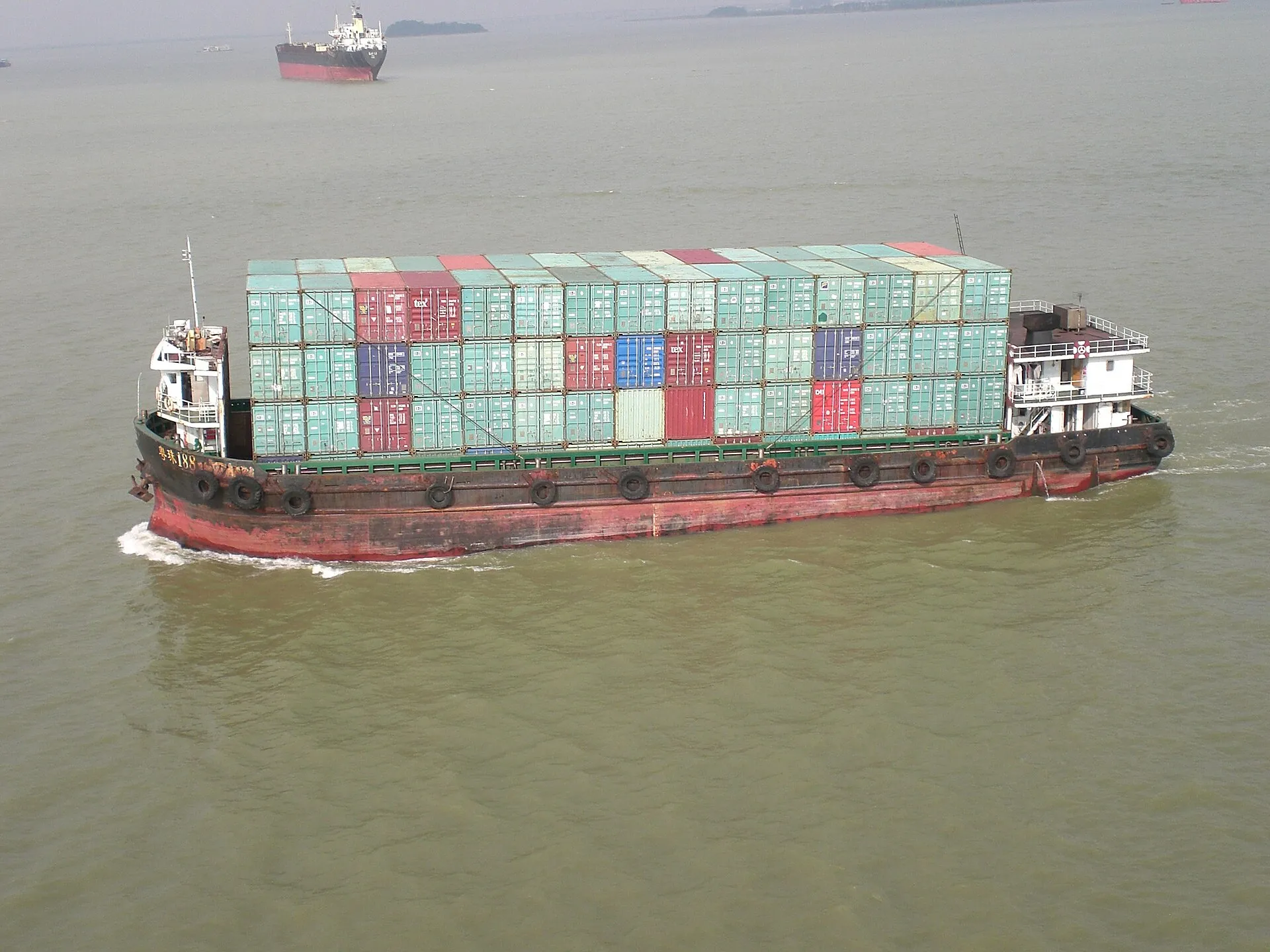
The trade splits cleanly by volume. Sea freight is preferred for larger contracts because properly cured beans travel well in vacuum-sealed, food-grade packaging with oxygen absorbers — the packing standard to specify in your PO. Air freight suits urgent samples and smaller premium lots where speed protects margin. Sea ties up capital longer but drops the landed cost per kilogram; air costs more but lets a gourmet buyer restock in days. Either way, confirm the packaging specification in writing — packaging integrity preserves the moisture and aroma you paid for.
Step 8: Inspect on Arrival
Quality control does not end at origin. When the shipment lands, inspect before you sign off: verify carton count against the packing list, check vacuum seals are intact, pull pods from multiple cartons — not only the top layer — and compare moisture feel and aroma against the retained sample from Step 2. Photograph everything on the day of receipt; if a claim is ever needed, contemporaneous evidence decides it. A supplier confident in its curing — the full pollination, harvesting, sweating, drying, and conditioning cycle — will welcome a rigorous arrival protocol.
Who You Are Buying From
Bali Vanilla Export supplies Grade A gourmet and Grade B extract-grade Planifolia from Bali, Alor, and Papua with lot-level traceability, per-lot COA documentation, and export handling through official quarantine channels. We operate under Juara Holding Group, the Indonesian group behind our export documentation and long-term supply commitments — which, for a U.S. importer, means repeat supply: the same grade, paperwork, and packaging standard on the fifth container as on the first.
This article is general information, not legal, customs, or financial advice. Import regulations, FDA requirements, and tariff treatment change and depend on your shipment — verify current requirements with a licensed customs broker or trade attorney before importing.
Frequently Asked Questions
How much does it cost to import vanilla beans from Indonesia to the USA?
Bean cost dominates: indicative pricing is US$30–80/kg for Grade A gourmet and US$20–50/kg for Grade B extract-grade, with a 2026 wholesale benchmark of US$14.76–36.90/kg at the commodity end. Add freight, insurance, brokerage, and duties per your broker’s guidance. Exact landed cost is quoted per order on request.
Do I need an import license to bring vanilla beans into the USA?
There is no vanilla-specific import license, but the shipment must clear FDA prior notice and U.S. customs entry as a food article under HS 0905, with a valid phytosanitary certificate from Indonesia. A licensed customs broker handles the filings; confirm your situation with your broker before ordering.
What is the minimum order to import from Indonesia?
There is no single Indonesia-wide MOQ — it is set per supplier and format. Orders scale from air-freighted sample lots through trial orders to container volumes by sea. We publish sample, trial, and volume tiers explicitly so you can start small and scale on the same lot lineage.
How long does shipping take from Bali to the USA?
Air freight for samples typically arrives within days; sea freight for container volumes takes several weeks port to port, plus clearance. Fully cured, conditioned beans in vacuum-sealed packaging with oxygen absorbers are stable across a sea voyage, which is why the trade defaults to sea for volume.
How do I know the vanillin content claimed is real?
Require a lab COA measured on your specific lot, not a brochure figure. Match the COA lot number to your sample and shipment, and treat the measured vanillin range — with moisture and defect rate — as the basis for the price you accept.
Ready to Import? Start With a Sample
The fastest way to de-risk your first U.S. import is to hold the beans before you commit. Tell us your end use and target volume; we will send graded, COA-backed samples with an indicative quote and a U.S.-entry document checklist. Message our export desk on WhatsApp at wa.me/6281139414563 or email [email protected].