
CIF vs FOB terms for vanilla export
Under FOB the buyer takes on freight cost and risk once vanilla is loaded at the Indonesian port; under CIF the exporter arranges and pays shipping and insurance to your named port. The right choice depends on your freight set-up.
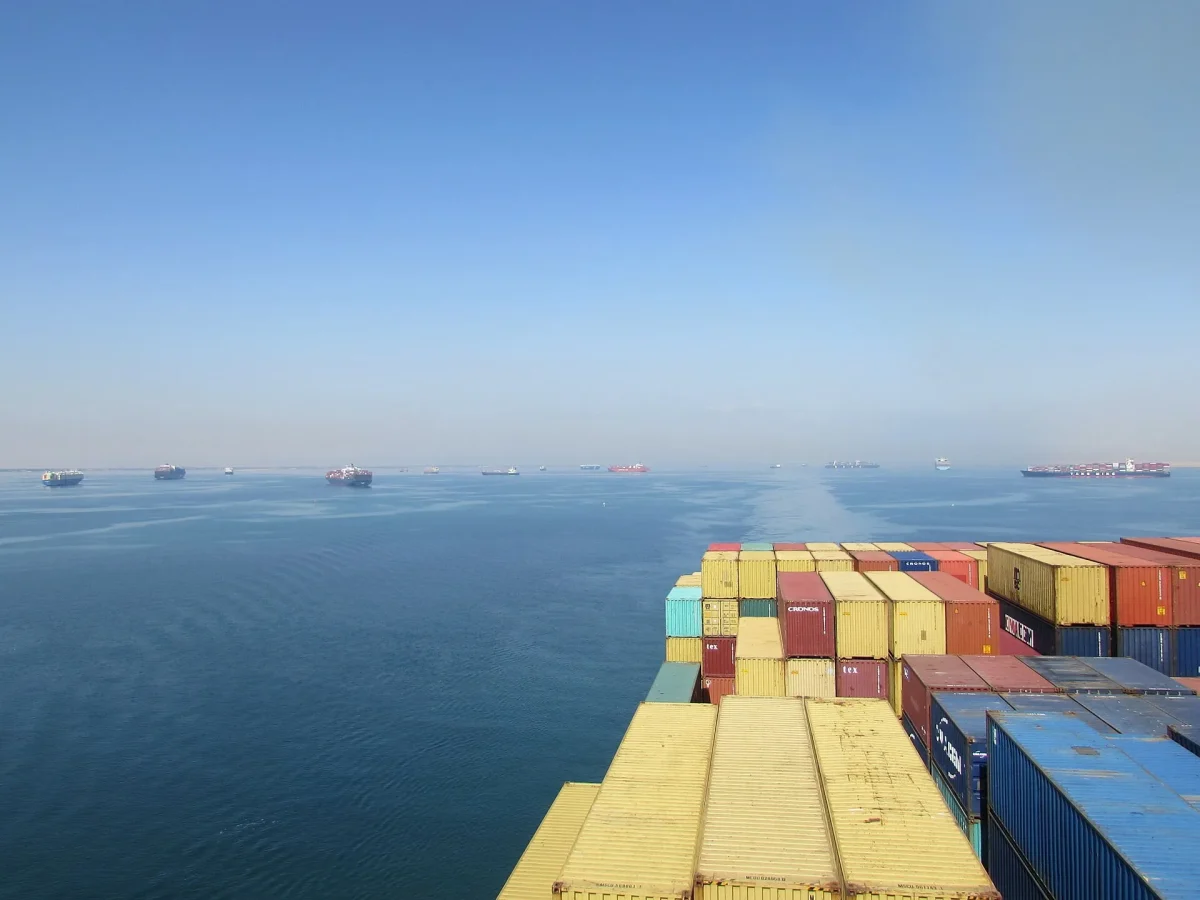
What actually changes between FOB and CIF
Under FOB, the exporter’s responsibility ends once goods are loaded at the origin port; the buyer arranges freight and insurance and bears transit risk.
Under CIF, the exporter pays freight and insurance to the destination port — but risk of loss still technically transfers to the buyer once goods are loaded. This cost-versus-risk distinction is often misunderstood; clarify it with your supplier or trade counsel.
Which term fits your business
Match the Incoterm to your logistics capacity.
FOB vs CIF at a glance
Neither term is universally better.
| Freight arranged by | FOB: buyer · CIF: seller |
|---|---|
| Insurance arranged by | FOB: buyer · CIF: seller (typically minimum coverage) |
| Price includes | FOB: cost up to loading at origin port · CIF: cost, insurance and freight to destination port |
| Insurance & booking documents | FOB: generated by the buyer’s forwarder · CIF: provided by the exporter |
| Best suited for | FOB: buyers with established forwarders · CIF: buyers wanting one landed-cost figure |
Core export documents — phytosanitary certificate, HS 0905 invoice, packing list and bill of lading — are required under both terms.
How to compare FOB and CIF quotations
The difference is often smaller than expected once buyer-side freight is counted — but it varies by route, carrier and volume.
Request both figures
Ask for an FOB price and an estimated CIF price for the same shipment.
Add your own freight
Add your freight and insurance cost to the FOB figure before comparing.
Check insurance cover
CIF typically includes minimum coverage; confirm levels for higher-value shipments.
Assign documents
Confirm who holds each document, especially for letter-of-credit transactions.
More in Shipping & Export



Incoterms questions
Does risk transfer at the same point under FOB and CIF?
Under both, risk of loss technically transfers to the buyer once goods are loaded at the origin port. CIF changes who pays for and arranges freight and insurance, not where risk transfers.
What are common mistakes with Incoterms?
Comparing one supplier’s FOB quote with another’s CIF quote without adding freight and insurance to the FOB figure, and assuming CIF insurance matches your own risk tolerance.
Does freight mode change the FOB vs CIF decision?
Yes. Sea and air freight carry different cost structures and transit times, which affects how much value you get from letting the exporter handle logistics under CIF.
Do you quote both FOB and CIF?
Yes. Our desk quotes both on request, with a written breakdown of what each figure includes, so you can compare against your own logistics arrangements.
Request an FOB or CIF quotation
Share your product, volume and destination port — we send both figures with a written breakdown of what each includes.