The HS code for dried vanilla exported from Indonesia is HS 0905 (vanilla), and as of 2027 exporters still have to meet export duty requirements and supporting documentation in line with the trade regulations in force at the time of shipment. For B2B buyers, understanding the HS classification and export tax structure matters not just for compliance but also for accurately estimating total procurement cost before a contract is signed.
What Is HS Code 0905 and Why Does It Matter?
HS 0905 is the international classification code for vanilla, used by customs authorities in both the origin and destination countries to determine tariffs, documentation, and inspection procedures. This code is the main reference on the export invoice, packing list, and other customs documents, so a classification error can cause inspection delays at port or even document rejection by the destination country’s customs authority. Full details on the export documentation accompanying this HS code — including the phytosanitary certificate — are explained on our vanilla export documentation, phytosanitary certificates, and HS 0905 page.
What Is the Structure of Indonesia’s Vanilla Export Duty?
Export duty on Indonesian export commodities, including vanilla, follows rules set by the government and can change over time in line with current trade policy. Because the tariff structure and basis of calculation can change, an experienced exporter will always check the latest regulations before drawing up an offer for a buyer, rather than relying on old information that may no longer apply. The latest export regulations for Indonesian vanilla — including updates to duty and customs procedures — are covered in more detail on our exporting vanilla from Indonesia: regulations 2027 page.
What Documents Accompany HS Code 0905?
Besides the HS code on the invoice and packing list, dried vanilla shipments generally require a phytosanitary certificate from the quarantine authority, a certificate of origin, and in some cases a laboratory certificate of analysis (COA) at the buyer’s request. This combination of documents verifies that the product meets the destination country’s plant quarantine requirements as well as the quality specification agreed in the contract. Buyers who need a technical specification overview can refer to our lab-tested vanilla beans with COA specs page as a reference for accompanying export documents.
Does Export Tax Affect the Price Buyers Receive?
Yes — export duty and other customs costs are one of the components that make up the final per-kg price, alongside production, grading, and logistics costs. Because this component can change along with government policy, our desk builds price quotes based on the current cost structure at the time the contract is made, not an outdated figure. Buyers are advised to reconfirm this cost structure every time a new contract is drawn up, especially for long-term contracts spanning several shipment periods.
Does Tax Treatment Differ for the EU, US, and Japan?
Export duty on the Indonesian side is essentially the same regardless of destination country, but import duty and import tax in the destination country vary according to each country’s domestic regulations. The EU, the United States, and Japan each have different import-duty rules and additional document requirements for food products like vanilla, so buyers need to check the obligations on their own importer side in addition to making sure Indonesia’s export documents are complete. This two-way coordination — export documents from the exporter and import compliance from the buyer — is the most effective way to avoid delays at the destination port.
How Do You Make Sure the HS Classification Is Correct?
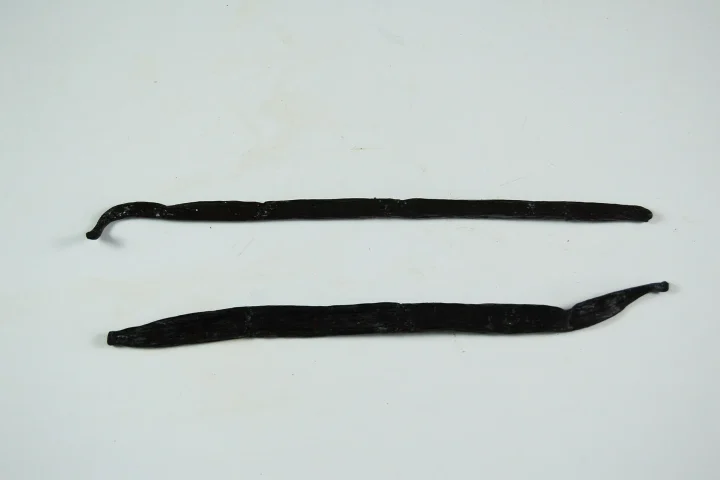
HS 0905 classification applies to vanilla in various early-processed forms, but derivative products such as liquid extract or other vanilla-based products can carry a different HS code depending on the level of processing. Buyers ordering a mix of formats — for example, whole beans and powder in one shipment — should confirm with our desk whether the documents need to be split per HS code or can be combined into one document set, to avoid a declaration error at either the origin or destination port.
What Are the Consequences of an Incorrect HS Classification?
An HS classification error on export documents can result in more than just an administrative delay — the destination country’s customs authority is entitled to hold the goods for re-inspection, request additional documents, or even impose an administrative fine depending on local regulations. For buyers, the most direct impact is a delayed production schedule because raw material is held at port, which ultimately affects their finished-product production and distribution plans. Because this risk falls on both parties, HS classification and document completeness are verified before shipment, not after the container has departed, so any problem can be corrected early.
How Can Buyers Verify Documents Before Shipment?
Careful B2B buyers typically request a copy of the draft export documents — invoice, packing list, and phytosanitary certificate — before the goods are actually loaded, so there’s an opportunity to correct any data error before the final documents are issued. This practice is especially important for a first contract with a new exporter, since it builds trust while also making sure all the destination country’s import requirements have been met. Our desk is open to sharing draft documents before finalization, so buyers can cross-check with their own customs team or freight forwarder before the shipment proceeds.
Is There Different Treatment for Small-Volume Exports?
Document and HS classification obligations essentially apply the same way whether for a small sample shipment or a large-volume contract, though the administrative cost per unit is naturally felt more on a small shipment. Buyers starting with a sample order still need a phytosanitary certificate and an invoice with the correct HS code, so the process into their warehouse or production facility isn’t held up at the destination country’s customs even though the shipment value is relatively small. This is important to understand from the start, so buyers don’t assume a sample shipment can skip the standard document procedure.
How Do Regulatory Changes Affect Long-Term Contracts?
For buyers with recurring shipments throughout the year, a change in export duty policy or document requirements mid-contract can affect the cost structure already agreed. The recommended practice is to include a cost-adjustment clause tied to government regulatory changes in the contract, so both parties have a clear mechanism if a policy change occurs mid-term. Our desk helps draft this kind of clause based on experience handling exports across policy-change periods, so buyers don’t face an unexpected cost surprise partway through.
Who Is Responsible for Preparing Export Documents?
In general, the exporter is responsible for preparing export documents in line with origin-country regulations — including HS classification, the phytosanitary certificate, and the appropriate invoice — while the buyer is responsible for ensuring import document compliance in their own destination country. This division of responsibility should be clearly stated in the purchase contract, including who bears the cost if a delay occurs due to additional documents requested by the destination country’s authority. Clarity on this division from the start reduces the risk of disputes later, especially for high-value, high-volume contracts.
Get Your Export Cost Structure Confirmed
Because export duty and customs regulations can change, the safest approach for buyers is to confirm the HS code, duty, and supporting document structure directly with our desk before the contract is finalized. Our team will prepare a written breakdown reflecting current requirements, so buyers have an accurate basis for cost planning.
For consultation on HS code, export duty, and the documents required for dried vanilla exports, contact the Bali Vanilla Export desk via WhatsApp at +62 811-3941-4563 or email [email protected].