How to Store Vanilla Beans During Shipment

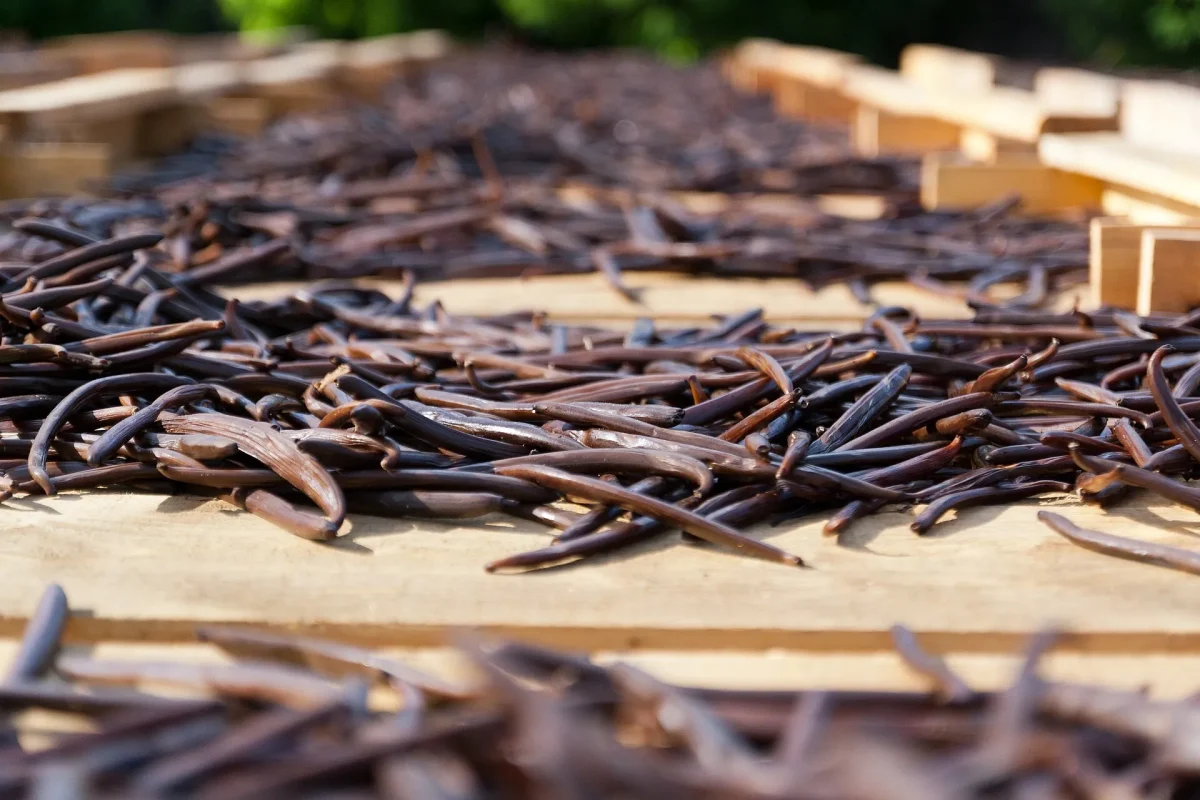
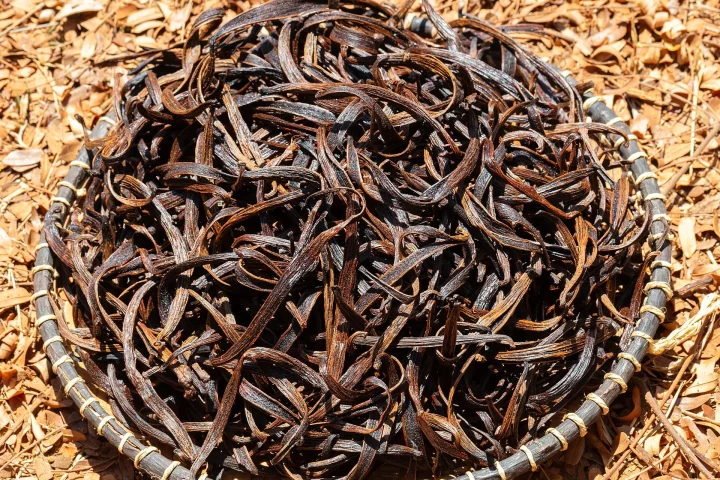
Vanilla beans are a delicate agricultural product, and improper storage during long shipment can lead to mold, moisture loss, aroma degradation, or bean breakage before the product reaches a buyer’s facility. The core storage principles are consistent regardless of shipping method: control moisture content before packing, use vacuum-sealed or moisture-appropriate packaging, avoid temperature extremes and fluctuation, and keep beans away from light and strong odors that vanilla readily absorbs.

Why Does Moisture Content Matter So Much for Shipping?

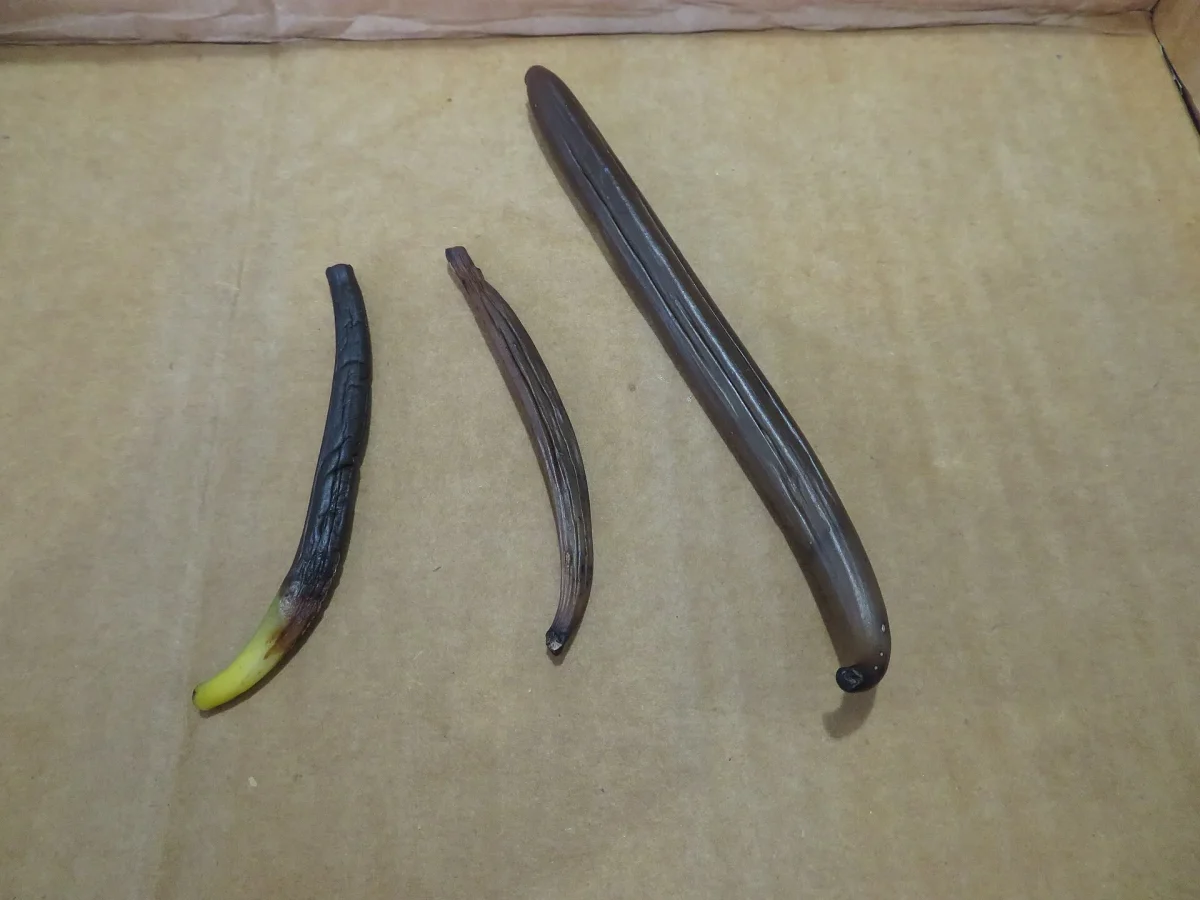
Vanilla beans that are too moist when packed are at higher risk of mold growth during a long sea freight transit, especially across humid tropical routes or through temperature swings that can cause condensation inside packaging. Beans that are too dry, on the other hand, can become brittle and lose aromatic oils, reducing quality on arrival. Exporters typically test and adjust moisture content to a target range appropriate for the shipping duration and destination climate before packing for export — this is one of the reasons buyers should request moisture data as part of pre-shipment documentation rather than assuming all “cured” vanilla is shipping-ready at the same moisture level.

What Packaging Methods Are Commonly Used?

  • Vacuum-sealed packaging: reduces oxygen exposure and helps maintain moisture stability, commonly used for both bulk and smaller commercial shipments
  • Food-grade sealed bags inside lined cartons: provides a barrier against ambient humidity and contamination during handling
  • Airtight containers for bulk shipment: used for larger volumes where consistent internal climate matters more than per-unit sealing

The right packaging choice depends on shipment size, freight duration, and the buyer’s own downstream handling and repackaging plans — our team confirms packaging specification with each buyer rather than applying one default method to every order.

How Does Temperature Affect Vanilla Beans in Transit?

Vanilla beans are best kept in a cool, stable environment, avoiding prolonged exposure to high heat (which can degrade aromatic compounds) and avoiding temperature cycling that causes condensation inside sealed packaging. Ocean freight containers can experience significant internal temperature swings depending on route and season, which is why proper sealing and, where appropriate, container placement matter as much as the packaging material itself.

Sea Freight vs Air Freight Considerations

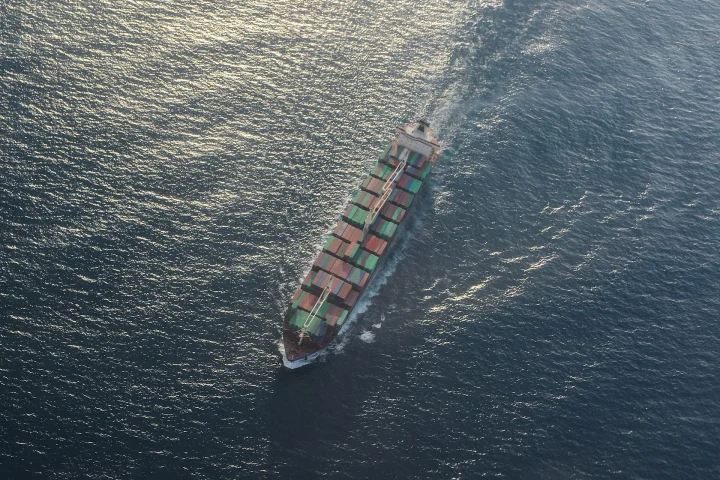
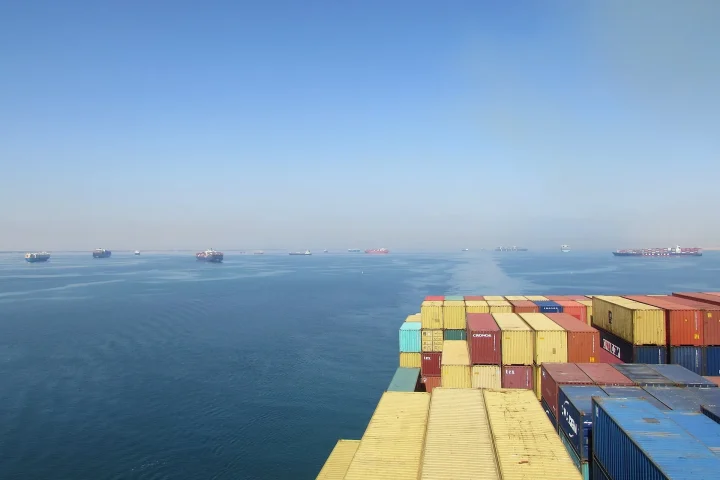
Sea freight is more cost-effective for large volumes but involves longer transit times, meaning packaging and moisture control need to hold up over weeks rather than days. Air freight shortens transit dramatically and reduces the window for degradation, but at a materially higher freight cost — a trade-off buyers typically weigh against order size, urgency, and destination.

FactorRecommended Approach
Moisture contentTested and adjusted pre-packing to a shipment-appropriate range
PackagingVacuum-sealed or airtight, food-grade, moisture-barrier packaging
TemperatureCool, stable; avoid heat exposure and condensation cycling
Light and odorKeep sealed and away from strong-smelling cargo, given vanilla’s odor absorption

What Should Buyers Check Upon Arrival?

On arrival, importers should inspect packaging integrity, check for any signs of moisture damage or mold, and where volumes justify it, re-test moisture content before long-term storage at their own facility. Vanilla continuing to be stored after arrival should follow similar principles — sealed, cool, stable conditions away from light and odor — to preserve quality until use.

For more detail on the packaging methods we use and their shelf-life implications, see our page on vanilla export packaging, vacuum sealing, and shelf life for 2027, our broader vanilla bean storage and handling guide for B2B buyers, and our overview of optimal packaging for export vanilla beans in 2027.

Getting Packaging Specification Confirmed for Your Order

Packaging and moisture parameters should be discussed as part of your order specification, not assumed as a default. Tell us your shipping route, expected transit time, and freight mode (sea or air), and we will confirm packaging and moisture targets in writing before your shipment is prepared.

How Should Importers Store Vanilla After It Arrives?

Storage requirements do not end once a shipment clears customs — importers holding vanilla in their own warehouse before use should maintain similarly controlled conditions: a cool, stable temperature, low light exposure, and packaging that limits ongoing moisture exchange with the surrounding environment. Vanilla stored in an uncontrolled warehouse environment, especially in humid climates, can degrade in quality even after a well-managed shipment, so storage discipline needs to continue on the buyer’s side of the supply chain as well.

How Long Can Properly Stored Vanilla Beans Last?

Vanilla beans stored correctly — vacuum-sealed or otherwise properly packaged, in a cool and stable environment — can maintain good quality for an extended period, though exact shelf life depends on the initial moisture content, packaging method, and storage conditions maintained throughout. We do not publish a single fixed shelf-life figure here since it depends on these variables; our desk can advise on expected shelf life based on the specific packaging and moisture specification of your order.

What Freight-Related Risks Should Buyers Plan For?

  • Container delays at transshipment ports, which extend total transit time beyond the original schedule
  • Temperature exposure during port handling, particularly in tropical transshipment hubs
  • Customs holds pending documentation review, which can extend the time cargo sits in an uncontrolled environment
  • Rough handling during loading and unloading, which can damage packaging integrity even when the packaging material itself was appropriate

Working with a freight forwarder experienced in food-grade agricultural commodity shipments can meaningfully reduce these risks. Our team coordinates freight booking as part of the export process and can advise on routing options — see our shipping and export page for more on how we typically structure freight for EU, US, and Japan-bound orders, and our quality assurance page for how we verify condition before goods leave our facility.

Ready to Request a Written Quote?

Specifications, sampling terms, and pricing for your shipment are confirmed in writing by our desk once we understand your grade, volume, and destination port. Message our export desk on WhatsApp at +62 811-3941-4563 or email [email protected] to start a written enquiry.

Chat with us
Scroll to Top
Request Quote WhatsApp