Direct farm vanilla vs broker supply
The sourcing route changes three things for a B2B buyer: traceability, control over quality checks before shipment, and how pricing is negotiated. Neither route is automatically superior.

What “direct farm” actually means in Bali
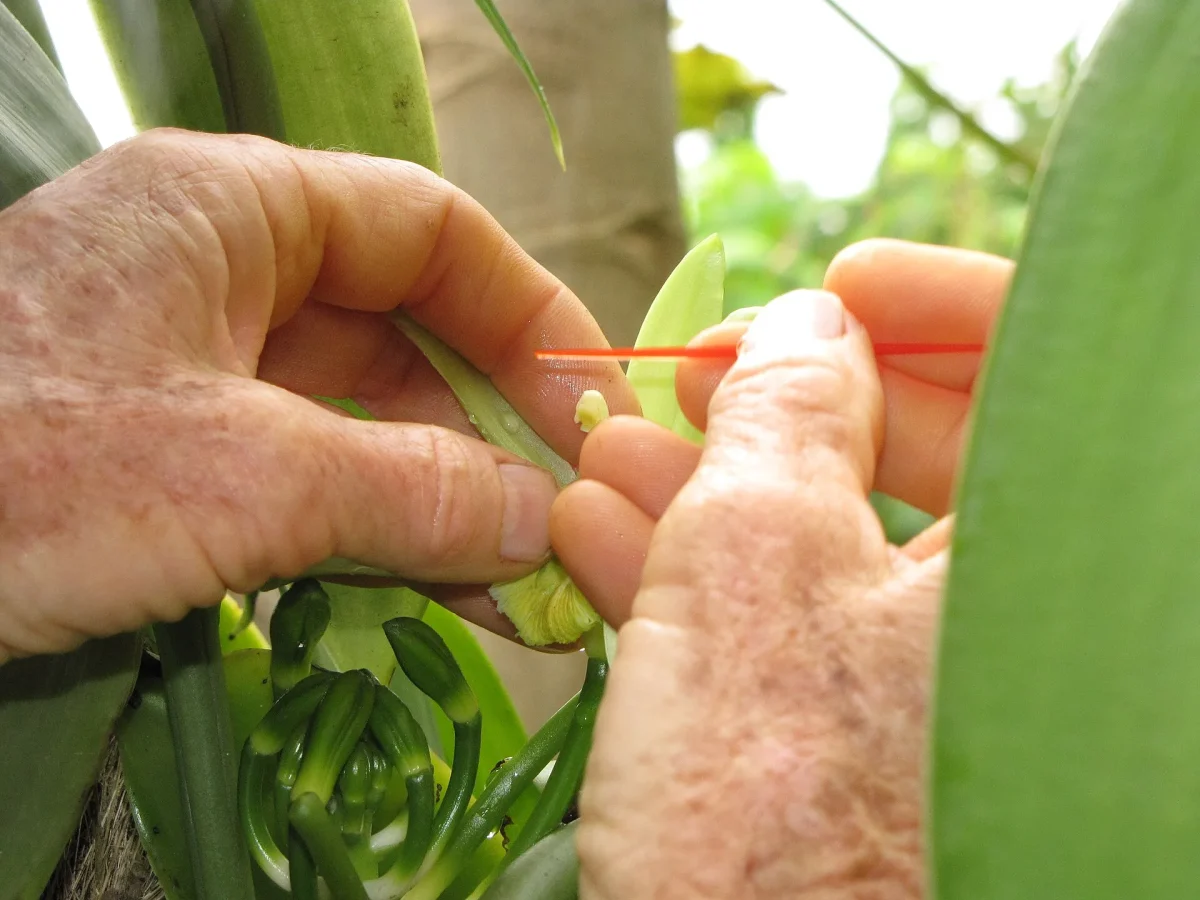
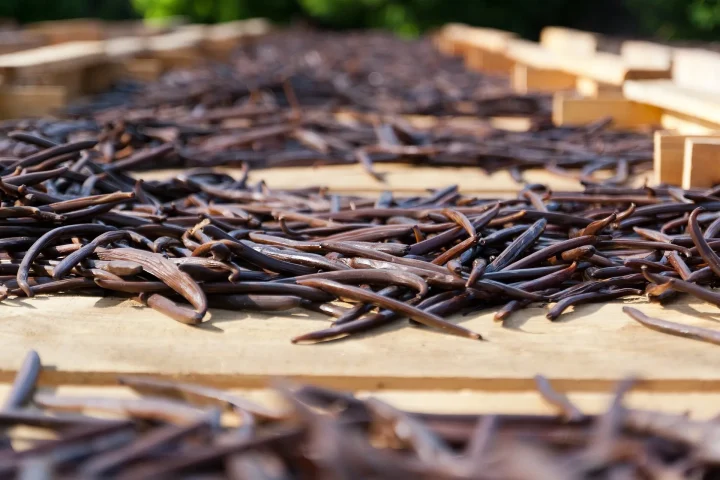
Direct sourcing means an exporter with ongoing relationships with specific growers or grower groups, who tracks origin and can trace a shipment back through curing and handling. Vanilla is usually aggregated from several smallholders working with the same curing partner — but origin is documented at a meaningful level.
Brokers typically aggregate from multiple sources and resell by grade specification rather than origin.
- Direct: consistent grading and moisture checks across a managed supply base
- Broker: volume flexibility, more batch-to-batch variability
Where the checks happen
Quality depends more on curing skill and QC discipline than on the number of intermediaries.
Direct farm sourcing vs broker supply
Direct sourcing generally offers more transparency but needs more buyer-side coordination; broker supply can be faster to access.
| Traceability | Direct: higher — origin and curing partner known · Broker: lower — often aggregated |
|---|---|
| Volume flexibility | Direct: depends on grower network · Broker: often faster access to larger volumes |
| QC consistency | Direct: managed by the exporter · Broker: relies on the broker’s own verification |
| Pricing | Direct: can reduce intermediary markups · Broker: aggregated stock can help in tight supply |
| Best suited for | Direct: traceability and ethical sourcing claims · Broker: speed and volume flexibility |
Neither route removes vanilla’s underlying price volatility — get pricing and specifications confirmed in writing for each order.

Bali is a smallholder origin
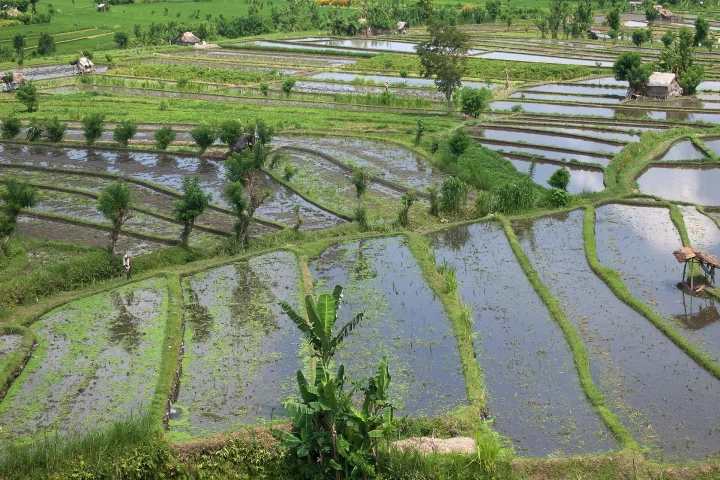
Like much of Indonesia’s vanilla sector across Java, Sulawesi and Papua, Bali’s production is largely smallholder-based, so single-farm exclusivity is uncommon at export scale. Most credible “direct farm” claims describe a managed grower network under one exporter’s grading and curing oversight.
Ask how traceability is documented rather than accepting “direct” at face value.
Questions that test a “direct” claim
Use these when evaluating any supplier.
More in Wholesale & Buyers
Sourcing model questions
Can a buyer combine both models?
Yes. Many established buyers keep a direct-sourced relationship for primary, quality-critical volume and add broker volume during unusually high demand or when a direct partner’s capacity is constrained. This adds resilience while keeping most supply traceable.
Does “direct from farm” automatically mean better quality?
No. Quality is determined more by curing skill and QC discipline. A well-managed broker relationship can outperform a poorly managed direct one, and vice versa — evaluate documented process and sample quality first.
Which model is right for my business?
If traceability and farm-level relationships matter to your brand story or compliance, direct sourcing is worth the extra coordination. If consistent volume with less overhead is the priority, a well-vetted broker can work — provided you verify documentation independently.
Request a written quote
Share your grade, volume and destination port — specifications, sampling terms and pricing are confirmed in writing by our export desk.